How Much Does Loft Boarding Cost in 2026?
Loft boarding costs £1,000 to £2,000 for a typical 15 to 20m² storage area in October 2026, fitted by a professional. That works out at about £75 to £100 per m² for a raised floor that sits above the insulation. Small 6m² packages with a loft ladder start at around £700, and boarding a large 40m² loft can reach £4,000.
£1,000 to £2,000
15 to 20m² boarded
£75 to £100
Raised boarding, per m²
£150 to £350
Loft ladder fitted
About £20
DIY materials, per m²
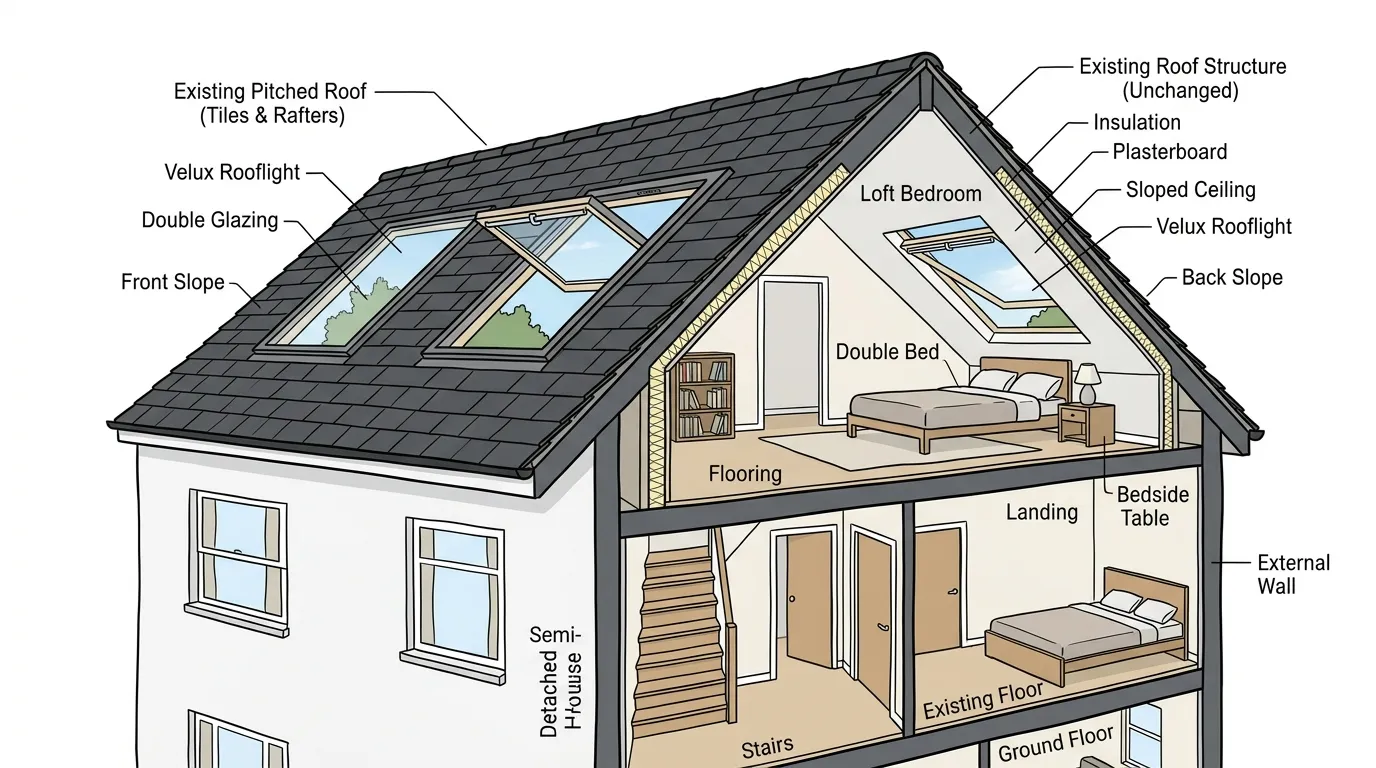
Boarding a loft for storage doesn't need planning permission or Building Regulations approval. Turning it into a room does: that's a loft conversion, and the floor, stairs, fire safety and insulation all have to meet Building Regulations. The Planning Portal's loft conversion guidance explains where the line falls.
Loft Boarding Prices by Area
These prices are for boarding fitted by a loft boarding firm or a carpenter, including the boards, loft legs where needed and labour. Some firms quote before VAT, so check which you're looking at.
About 6m²
£700 to £1,000
A storage strip by the hatch, often sold with a loft ladder and light
Typical price: £850
10 to 12m²
£900 to £1,450
Room for boxes, cases and the Christmas decorations
Typical price: £1,150
15m²
£1,100 to £1,500
The centre of a typical semi's loft
Typical price: £1,300
20m²
£1,500 to £2,000
Most of the usable headroom in a 3-bed loft
Typical price: £1,750
30m²
£2,300 to £3,000
A large loft, or a detached house
Typical price: £2,600
40m²
£3,000 to £4,000
Large detached house
Typical price: £3,400
| Area boarded | What it suits | Typical | Price range |
|---|---|---|---|
| About 6m² | A storage strip by the hatch, often sold with a loft ladder and light | £850 | £700 to £1,000 |
| 10 to 12m² | Room for boxes, cases and the Christmas decorations | £1,150 | £900 to £1,450 |
| 15m² | The centre of a typical semi's loft | £1,300 | £1,100 to £1,500 |
| 20m² | Most of the usable headroom in a 3-bed loft | £1,750 | £1,500 to £2,000 |
| 30m² | A large loft, or a detached house | £2,600 | £2,300 to £3,000 |
| 40m² | Large detached house | £3,400 | £3,000 to £4,000 |
Sources: published UK loft boarding price guides and package prices from installers and trade directories (June to October 2026). Ranges are rounded. How we put our prices together.
To cite this page: Less.co.uk, “Loft Boarding Cost UK 2026”, updated 27 October 2026, https://less.co.uk/home-improvements/insulation/loft-boarding-cost. You're welcome to quote these figures with a link to this page.
Get Free Loft Insulation and Boarding Quotes
Tell us about your loft and local insulation installers will get in touch with prices for boarding, insulation or both. It's free, with no obligation to book.
Your details go to our quote partner, Leads.work, who pass them to a few local firms that cover your area. They'll contact you about the job, which may include a phone call. It's free for you, and we're paid a referral fee. How your details are used
Raised Boarding or Boards on the Joists?
How the floor is built makes the biggest difference to the price per m², and to whether your insulation still works afterwards.
Boards fixed straight to the joists
£60 to £80 per m²
Only suitable where the insulation fits below the top of the joists. In most lofts that means far less than the 270mm recommended, or squashing the insulation flat under the boards.
Raised boarding on loft legs
£75 to £100 per m²
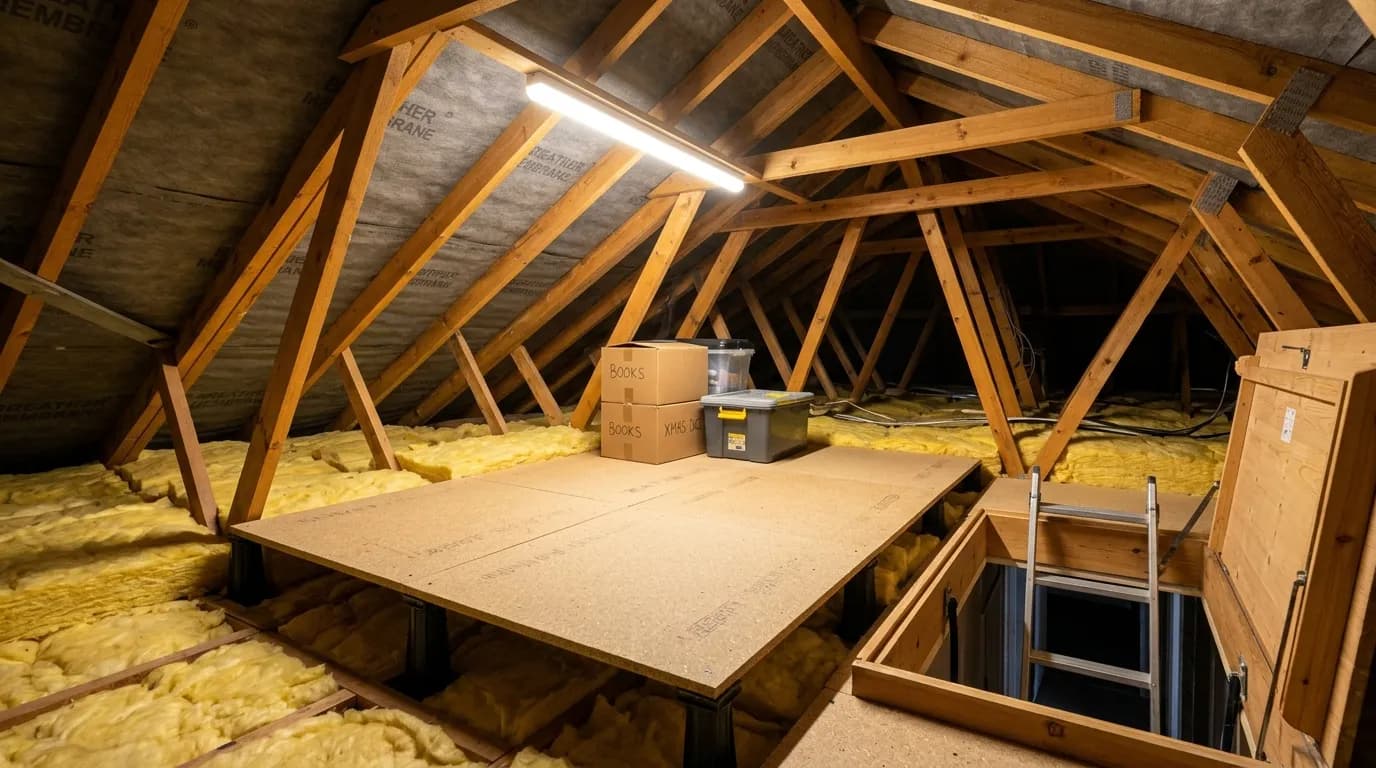
Plastic legs screw to the joists and hold the boards above the insulation, usually at 175mm or 300mm. This is the usual choice for most houses because the full depth of insulation keeps working.
Timber sub-frame
More than legs
A raised frame built from timber, used where joists are uneven or oddly spaced, which is common in older houses. One national installer charges £999 for a 6m² area on homes built before 1960, against £699 on newer homes.
Why Most Lofts Need Raised Boarding
The Energy Saving Trust recommends at least 270mm of mineral wool in a loft, the minimum for new homes under current Building Regulations guidance. Most ceiling joists are only around 100mm deep. Screw boards straight onto them and you either leave most of the insulation out or squash it flat, and squashed insulation keeps much less heat in.
Loft legs fix to the joists and lift the boards clear, usually to 175mm or 300mm above them, so the full depth of insulation stays fluffed up underneath. The Energy Saving Trust also advises leaving a small gap between the insulation and the boards so condensation can't form. If your insulation is thin, our loft insulation cost guide covers topping it up.
Extras That Usually Come With Loft Boarding
A boarded floor is only useful if you can get up there safely and see what you're doing, so most quotes include some of these.
Loft ladder, supplied and fitted
£150 to £350
Folding aluminium ladders are the cheapest; timber ladders cost more
Enlarging or moving the hatch
£120 to £300
Worth it if the hatch is too small to get boxes through
Light and switch
£60 to £150
Have it done by a registered electrician
Topping up insulation to 270mm
£500 to £800
Best done before the boards go down
Clearing old insulation or rubbish
£70 to £200
Includes taking it away
| Extra | Typical cost | Notes |
|---|---|---|
| Loft ladder, supplied and fitted | £150 to £350 | Folding aluminium ladders are the cheapest; timber ladders cost more |
| Enlarging or moving the hatch | £120 to £300 | Worth it if the hatch is too small to get boxes through |
| Light and switch | £60 to £150 | Have it done by a registered electrician |
| Topping up insulation to 270mm | £500 to £800 | Best done before the boards go down |
| Clearing old insulation or rubbish | £70 to £200 | Includes taking it away |
Adding a light to an existing circuit is usually minor electrical work, but a new circuit has to be notified under Part P of the Building Regulations in England, so use a registered electrician.
DIY Loft Boarding: What the Materials Cost
Doing it yourself saves most of the cost. In October 2026 a pack of three 18mm chipboard loft panels (1220mm by 320mm, about 1.2m² in all) cost around £16.50 at B&Q, roughly £14 per m². A pack of 12 loft legs that raise the floor to 300mm cost about £19 to £20 at Wickes and Screwfix and covers around 3.2m². Add screws and the materials for a raised floor come to about £20 per m², so £200 to £250 for a 10m² storage area.
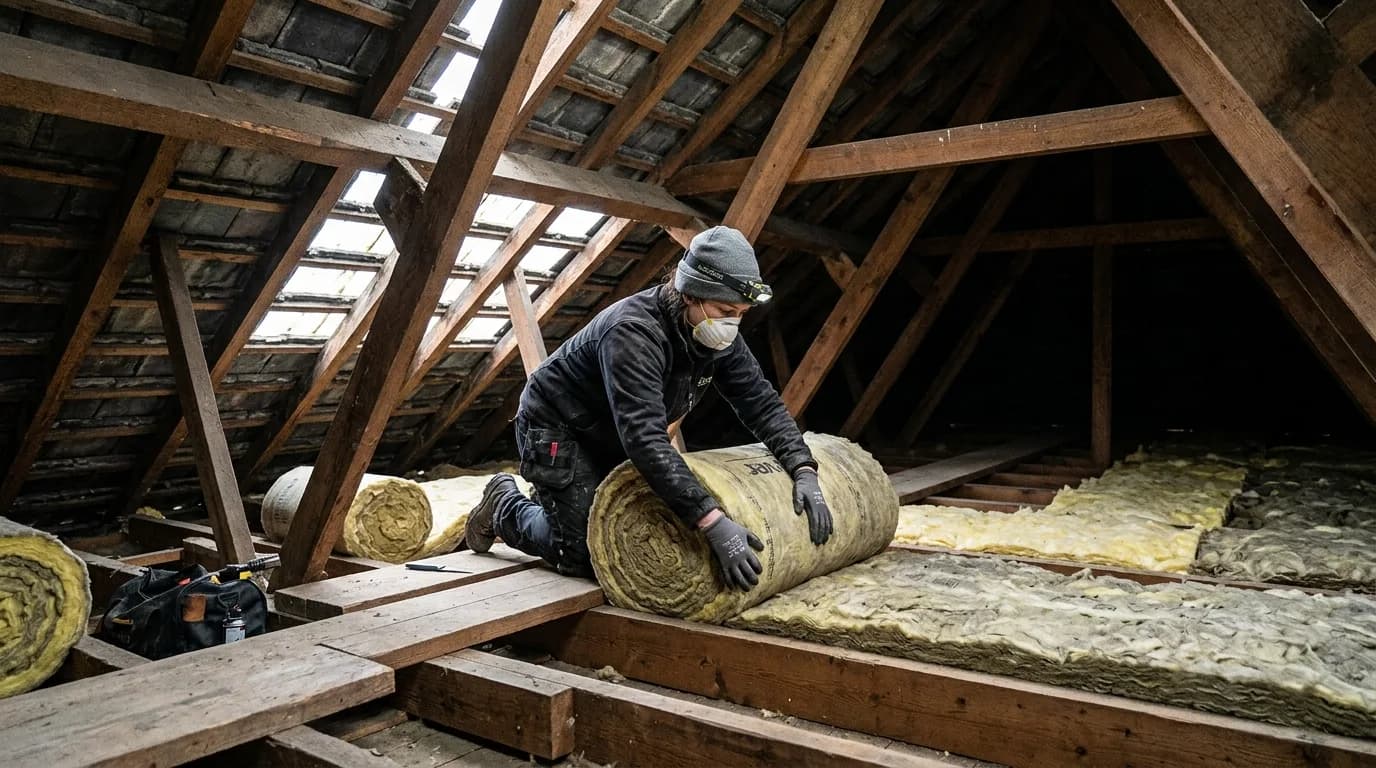
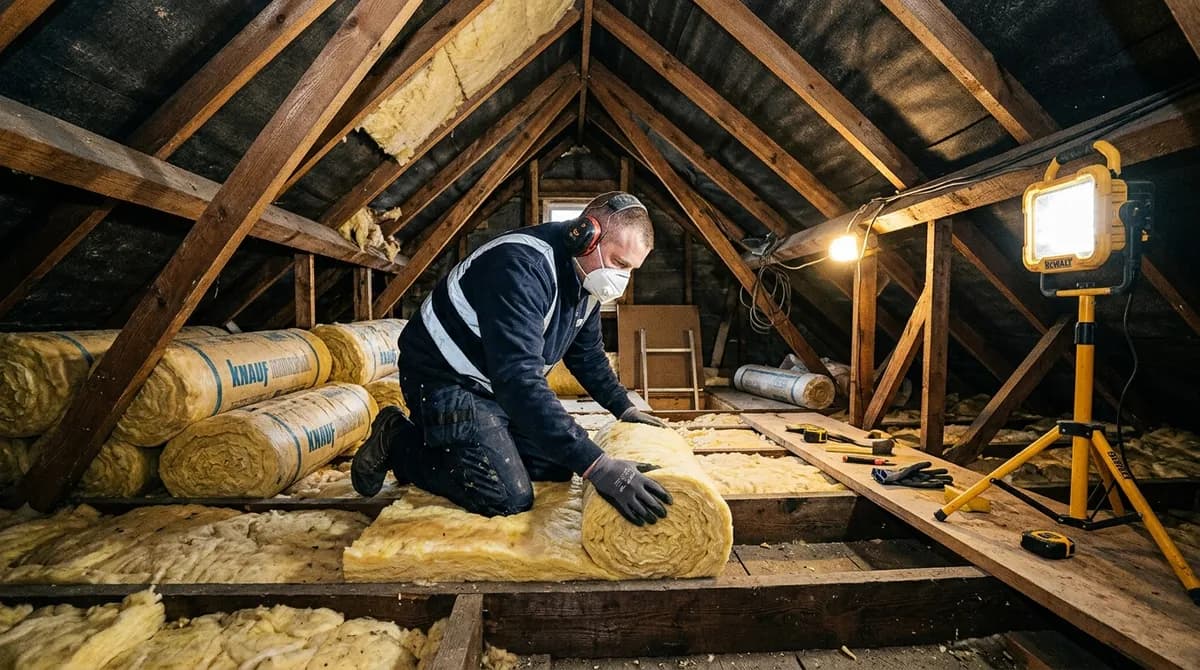
The panels have to fit through the hatch, which is why loft boards are narrow. Wear a dust mask, gloves and long sleeves around mineral wool, step only on the joists until the boards are down, and keep cables on top of the insulation rather than trapped under the legs. Lofts get hot in summer and cold in winter, so spring and autumn are the comfortable months to do it.
How Much of the Loft to Board
You don't need to board the whole loft. Most people board a strip from the hatch towards the middle, where there's headroom, and leave the low eaves alone. The eaves need to stay clear so air can move through the roof space and carry moisture out, and you can't reach the edges easily anyway. A 10 to 20m² platform in the centre of a typical semi gives you most of the useful space.
What You Can Store Up There
A boarded loft is for light storage: boxes, suitcases, the Christmas decorations and the camping kit. The ceiling joists that carry the boards were designed to hold up the plasterboard ceiling below, not to work as a floor, so spread the weight and don't stack heavy boxes in one spot. Many houses built since the 1960s have trussed rafters, factory-made timber frames with diagonal braces in a W shape. Never cut or notch them to make room, because each part of the truss is doing a job. The Trussed Rafter Association has more on how they work. If you want the loft as a room, look at our loft conversion cost guide.
How to Get Your Loft Boarding for Less
Most of the saving comes from boarding the right amount and doing the insulation at the same time.
Get at least three quotes
Loft boarding firms price the same loft very differently, and some include a ladder and light while others charge for them separately. Ask three firms to quote for the same area with the same extras, and check whether VAT is included.
Board only the area you'll use
The low edges of a pitched roof are hard to reach and need to stay clear for ventilation anyway. Boarding the middle of the loft, where you can kneel or stand, gives you most of the useful space for a fraction of the cost of the whole floor.
Get insulation and boarding in one visit
If your insulation is thin, top it up before the boards go down. Lifting boards later to add insulation means paying twice for the same floor.
Check for insulation grants first
Boarding isn't covered by any grant, but the insulation underneath can be. ECO4 funds free or subsidised loft insulation for households on qualifying benefits until 31 December 2026, and in England the council-run Warm Homes: Local Grant helps lower-income homeowners in EPC band D to G homes.
Do it yourself if you're handy
Raised boarding is one of the more manageable DIY jobs in the house. The materials for a 10m² area cost about £200 to £250, against £900 or more fitted. You need a cordless drill, a saw, a head torch and a few hours on your knees.
Grant details from gov.uk. Check your eligibility before you pay for insulation.
Comparing quotes is the simplest way to pay less
Three quotes for the same area will show you what a fair price is where you live. It takes a couple of minutes, with no obligation.
Get my free quotesFrequently Asked Questions
How much does loft boarding cost in the UK?
Loft boarding costs £1,000 to £2,000 for a typical 15 to 20m² storage area, fitted by a professional, as of October 2026. A small 6m² area with a loft ladder starts at around £700, and boarding a large 40m² loft can cost £3,000 to £4,000.
How much does it cost to board a loft per m²?
A raised floor on loft legs costs about £75 to £100 per m² fitted. Boards fixed straight onto the joists cost about £60 to £80 per m², but that only works where the insulation fits below the joists. Doing it yourself, the boards and legs cost about £20 per m².
Is raised loft boarding worth it?
In most lofts, yes. The recommended depth of mineral wool insulation is 270mm, and most ceiling joists are only around 100mm deep. Raised boarding lets you store things on top without squashing the insulation, which would cut how well it keeps heat in.
Can I board my loft straight onto the joists?
Only if the insulation sits below the top of the joists. If you have 270mm of insulation, boarding straight onto the joists squashes it, and the Energy Saving Trust advises against squashing mineral wool. It also recommends leaving a small gap between the insulation and the boards to stop condensation forming.
Do I need permission to board a loft?
No. Boarding a loft for storage doesn't need planning permission or Building Regulations approval. Turning it into a room you use for living or sleeping does, because the floor, stairs, fire escape and insulation then all have to meet Building Regulations. That's a loft conversion.
Does loft boarding add value to a house?
There's no reliable figure for it. A boarded loft with a ladder and light is useful storage that buyers notice, but don't expect it to add value the way a loft conversion with a bedroom can.
How long does loft boarding take?
Installers usually allow two to three days for boarding and insulation together. Boarding a modest area on its own takes less time, especially where the insulation is already at full depth.
What is the cheapest way to board a loft?
Doing it yourself with 18mm chipboard loft panels on loft legs. In October 2026 a pack of three panels cost around £16.50 at B&Q and a pack of 12 300mm loft legs about £19 to £20 at Wickes or Screwfix, which works out at roughly £20 per m² for a raised floor.
How much weight can a boarded loft take?
There isn't one figure. Ceiling joists were sized to hold up the plasterboard ceiling below, so a boarded loft is for light storage. Spread the load, avoid piling heavy boxes in one spot, and check the loft leg maker's guidance. If you want to store heavy items or use the space as a room, get a structural engineer or builder to look at it.
Free, with no obligation to book.

Written by Chris Kervin, Co-Founder, Less.co.uk
Last updated: · Prices from published UK price guides and retailer listings · Methodology