How Much Does a New Bathroom Cost in 2026?
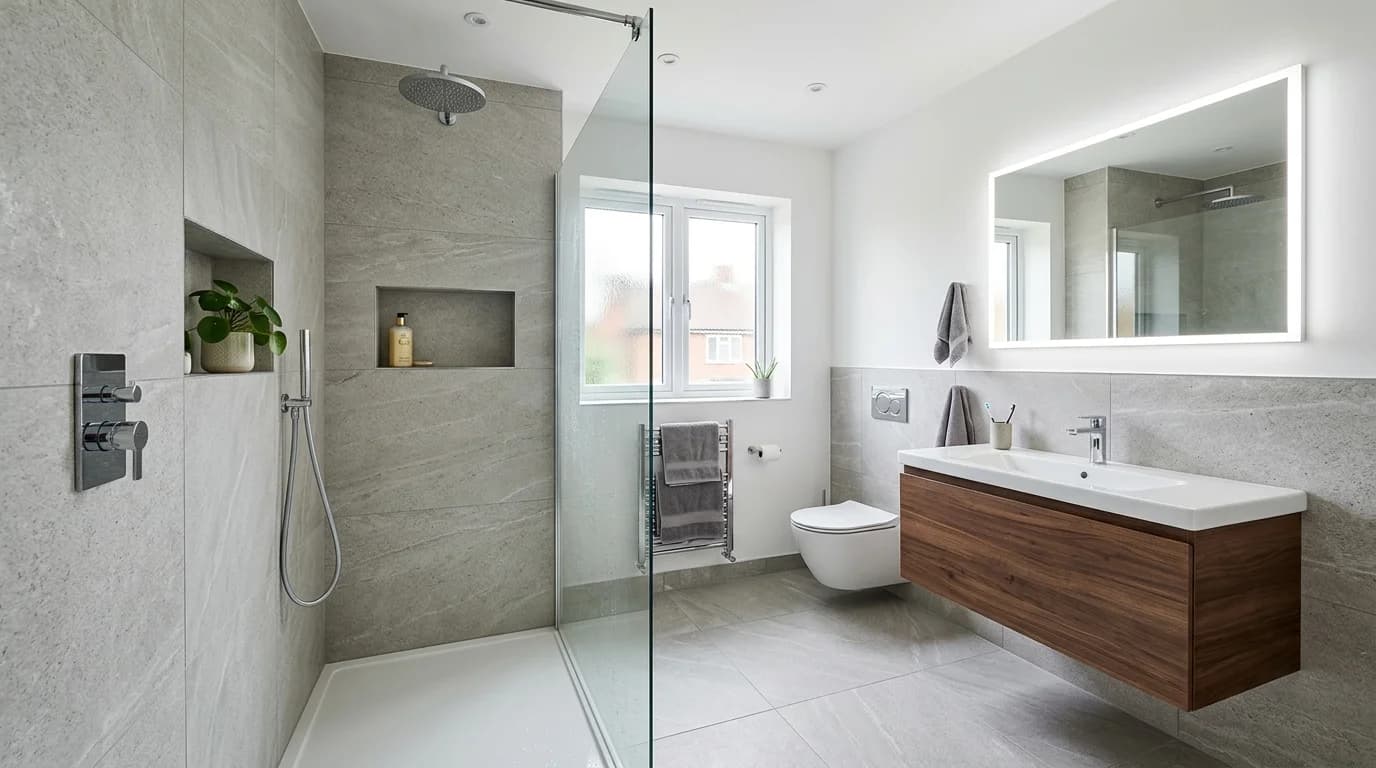
Most UK homeowners pay between £4,500 and £8,000 for a full bathroom renovation. The typical bathroom renovation cost depends on the spec you choose - a budget job starts around £3,000, while a premium bathroom with a walk-in shower, freestanding bath, and underfloor heating typically costs £10,000 to £15,000.
£6,000
Average cost
£3,000+
Budget bathroom
£10,000+
Premium bathroom
5 to 7 days
Installation time
Prices updated April 2026 · Based on published trade rates and UK market data.
Electrical work must comply with Building Regulations Part P. In a bathroom, any new circuits or consumer unit work must be notified to Building Control or carried out by a registered electrician who can self-certify. Only use a Gas Safe registered engineer if your heated towel rail or underfloor heating connects to the gas system.
Bathroom Prices at a Glance
Prices below cover the full bathroom fitting cost - including strip-out, new sanitaryware, tiling, plumbing, and basic electrical work.
Budget refresh
Basic sanitaryware, standard tiles, no layout changes
£3,500
£2,500 to £4,500
Mid-range renovation
Quality suite, porcelain tiles, heated towel rail
£6,000
£4,500 to £8,000
Premium bathroom
High-spec sanitaryware, large-format tiles, walk-in shower or freestanding bath
£10,500
£8,000 to £15,000+
Wet room
Full tanking, linear drain, frameless glass, floor-to-ceiling tiles
£7,500
£5,000 to £12,000
Labour Cost Breakdown
| Trade | Cost |
|---|---|
| Bathroom fitter (inc. basic plumbing) | £900 to £2,000 |
| Tiler | £400 to £1,200 |
| Electrician (extractor, towel rail, lighting) | £150 to £400 |
| Plasterer (if required) | £200 to £500 |
Labour costs only - the bathroom installation cost also includes materials (sanitaryware, tiles, accessories) which are in addition.
Get Free Bathroom Quotes
Tell us about the job and local bathroom fitters will get in touch with prices. Free, with no obligation to book.
Your details go to our quote partner, Leads.work, who pass them to a few local firms that cover your area. They'll contact you about the job, which may include a phone call. It's free for you, and we're paid a referral fee. How your details are used
Bathroom Renovation Cost
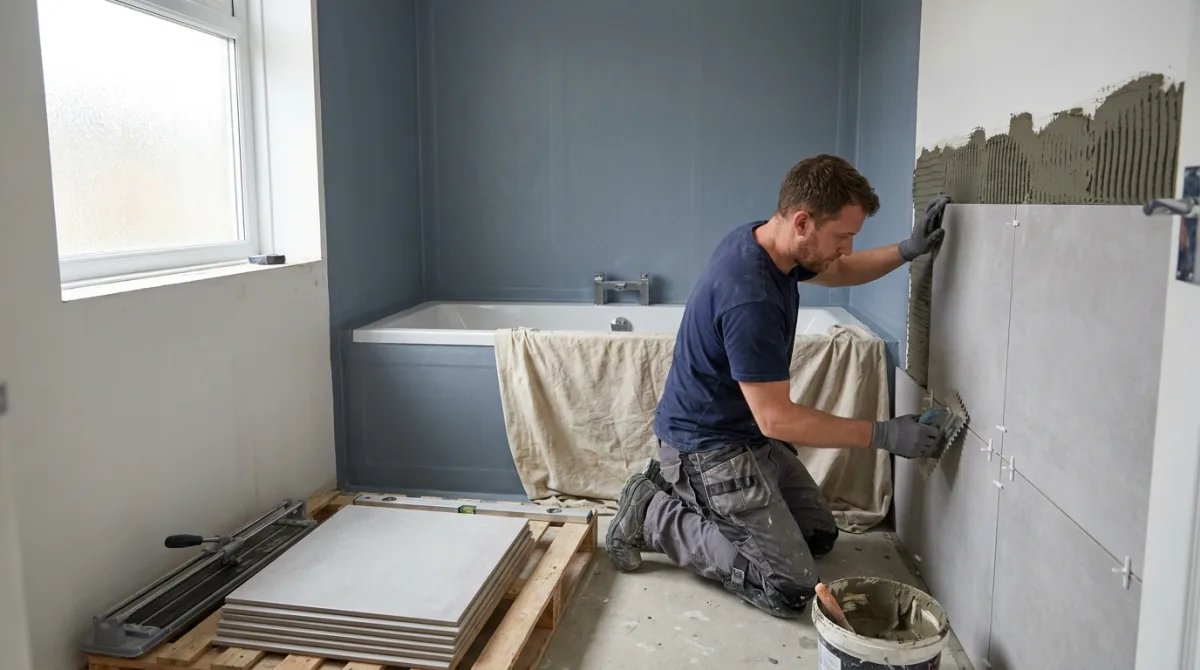
A bathroom renovation typically costs £3,000 to £8,000depending on scope. The word "renovation" covers everything from a quick cosmetic refresh to a full gut-and-replace - and the price difference between the two is significant.
By Scope of Work
Cosmetic refresh
Paint, new taps, accessories, re-grout tiles
£500 to £1,500
Partial refresh
Keep layout, update fixtures, replace tiles
£2,000 to £4,500
Full renovation
Strip everything, new suite, tiling, plumbing
£5,000 to £12,000
By Room Size
| Room Size | Renovation Cost |
|---|---|
| Small bathroom | £2,500 to £5,000 |
| Medium bathroom | £4,000 to £8,000 |
| Large bathroom | £6,000 to £12,000+ |
The biggest single way to cut renovation costs? Keep the existing layout. Moving a toilet to a different wall costs £300 to £600 in plumbing alone - and that is before the tiler has to work around the new pipework. If your current layout works, leave it where it is and spend the savings on better fixtures instead. For a detailed look at what plumbers charge, see our plumbing cost guide.
What Affects the Cost of a New Bathroom?
Sanitaryware quality and brand
The bath, toilet, basin, and shower unit vary enormously in price. A basic suite from B&Q costs £300 to £500. Mid-range options from Roca, Ideal Standard, or Duravit run £700 to £2,000. Premium brands like Villeroy & Boch or Hansgrohe can push materials costs to £3,000 to £5,000 before a tile is laid. The sanitaryware is usually 30 to 50% of the total project budget.
Tiling: area, tile size, and pattern
Full floor-to-ceiling tiling costs significantly more than half-tiling or a simple splashback. Large-format tiles (600mm+) are fashionable but take more labour. Intricate patterns like herringbone or brick-bond add further time. Budget £25 to £45 per square metre for tiling labour alone, on top of the material cost.
Shower type
An over-bath shower with a screen is the cheapest option. A separate walk-in shower enclosure costs more in materials and floor space. A wet room requires full tanking of the floor and lower walls, a correctly graded floor, and a linear or central drain - more time and more skilled labour than a standard shower enclosure.
Layout changes
Moving the toilet to a different wall is one of the most expensive things you can do in a bathroom. The soil pipe runs at a specific gradient and changing its route often means lifting the floor and potentially the ceiling of the room below. Moving the bath or shower is less disruptive but still adds plumbing cost. Keeping the existing layout is always the most budget-friendly decision.
Bathroom size
A small en suite (3 to 4 sqm) with a shower, basin, and WC costs considerably less to tile and fit than a full family bathroom (6 to 8 sqm) with a bath, separate shower, twin basins, and extensive storage. More floor area and wall area means more tiles, more grout, and more time.
Your location
As with most trades, labour costs are highest in London (25 to 35% above the national average) and lowest in the North East and Wales (10 to 15% below). Materials cost the same everywhere - it is the labour rate that varies.
Additional Costs to Budget For
These extras regularly appear on final invoices. Ask about each one when getting quotes.
| Extra Item | Typical Cost |
|---|---|
| Underfloor heating (electric mat) | £400 to £900 |
| Heated towel rail | £100 to £400 |
| Extractor fan upgrade | £80 to £250 |
| New flooring (LVT or tile) | £200 to £600 |
| Downlights / new lighting | £150 to £500 |
| Wall or ceiling repairs after strip-out | £100 to £400 |
| Moving soil stack or drainage | £400 to £1,200 |
| Mirror, cabinet, accessories | £100 to £600 |
En Suite Bathroom Cost
An en suite is typically smaller than a main bathroom, which keeps the overall cost down - but the work per square metre is often just as intensive. Most en suites include a shower (not a bath), a WC, and a basin.
Quick answer
A basic en suite costs £2,500 to £5,000. A mid-range en suite with a walk-in shower and vanity unit runs £5,000 to £8,000. A premium en suite with a wet room, designer fittings, and underfloor heating typically costs £8,000 to £12,000.
| Spec Level | Cost |
|---|---|
| Basic | £2,500 to £5,000 |
| Mid-range | £5,000 to £8,000 |
| Premium | £8,000 to £12,000 |
Planning an en suite as part of a loft conversion? See our loft conversion with en suite cost guide.
Shower Room Cost
A shower room - no bath, just a shower, toilet, and basin - typically costs £2,000 to £5,000 installed. It is one of the most cost-effective ways to add a functional bathroom to a property, particularly in a loft conversion or spare room where space is tight.
Quick answer
Basic shower room: £2,000 to £3,500. Walk-in shower with quality tiling: £3,500 to £5,000. Full wet room conversion: see our wet room cost section below.
Walk-in Shower Installation Cost
A walk-in shower - enclosure, tray, valve, and tiling - costs £1,500 to £4,000 fully installed. The final price depends mainly on the enclosure style, tile spec, and whether you need any plumbing alterations.
Shower Types Compared
The type of shower you choose affects both the upfront cost and running costs. Here is how the three main options stack up.
| Shower Type | Supply | Fitting |
|---|---|---|
| Electric shower | £150 to £300 | £150 to £250 |
| Thermostatic mixer | £200 to £500 | £200 to £400 |
| Digital shower | £400 to £1,000 | £250 to £400 |
Electric showers
Heat water on demand from the mains cold supply - no hot water cylinder or boiler needed. The cheapest to install but typically the weakest flow rate. A good option for en suites or second bathrooms where a mixer is not practical.
Thermostatic mixer showers
Blend hot and cold water from your existing system and maintain a constant temperature even if someone flushes a toilet elsewhere. The most popular choice for main bathrooms with a combi boiler. You need decent water pressure for a satisfying shower.
Digital showers
An electronically controlled unit that lets you set a precise temperature (often via a remote panel or even an app). More expensive upfront, but the processor box can be installed away from the shower - useful in tight spaces. Worth considering if you are doing a premium fit-out.
Wet Room Cost
A full wet room conversion typically costs £6,000 to £12,000 installed. The main expense is the waterproofing (tanking) - every surface that could get wet needs to be fully sealed, and the floor must be precisely graded towards the drain. This takes more time and skill than fitting a standard shower tray.
Key Cost Components
Tanking / waterproofing
Full floor and lower wall membrane - the most critical part of any wet room
£1,000 to £2,000
Linear drain
Sleeker than a central waste and easier to tile around
£200 to £400
Tiling (floor and walls)
Non-slip floor tiles are essential - porcelain or natural stone work best
£800 to £1,500
Glass screen or panel
Frameless looks best but costs more than a framed panel
£300 to £800
When Does a Wet Room Make Sense?
Small bathrooms
Removing the shower tray makes a tight bathroom feel much bigger. The continuous floor creates a sense of space you don't get with a bulky enclosure.
Accessibility
No step-up or tray edge to negotiate - ideal for older homeowners or anyone with mobility issues. If accessibility is the primary reason, Building Regulations Part M may apply.
Luxury feel
A well-tiled wet room with a rainfall shower head and frameless glass panel is one of the most sought-after bathroom upgrades. It adds genuine value to a property.
Building Regulations: Wet rooms must comply with Part C (moisture resistance) to protect the building structure. If the wet room is being installed for accessibility reasons, Part M (access to and use of buildings) may also apply. A competent installer will ensure the tanking system and drainage meet current standards.
Bathroom Suite Cost Breakdown
Individual item costs vary hugely depending on brand and quality. Here is what to expect at each price point.
| Item | Budget | Mid-Range | Premium |
|---|---|---|---|
| Bath (standard) | £80 to £200 | £200 to £500 | £500 to £2,000 |
| Toilet (close-coupled) | £60 to £150 | £150 to £350 | £350 to £800 |
| Basin + pedestal | £40 to £100 | £100 to £300 | £300 to £700 |
| Shower enclosure | £100 to £250 | £250 to £600 | £600 to £1,500 |
| Taps (pair) | £20 to £50 | £50 to £150 | £150 to £400 |
| Towel rail | £30 to £80 | £80 to £200 | £200 to £500 |
Tip:Buying items separately - online or in sales - is almost always cheaper than buying a bathroom "package" from a showroom. End-of-line deals on quality brands like Roca or Ideal Standard can save you 30 to 50% off list price.
Bathroom Costs by Region
Average prices for a mid-range bathroom renovation (bath, walk-in shower, WC, basin, full tiling) by UK region.
| Region | Average Cost | vs National |
|---|---|---|
| London | £7,600 | +28% |
| South East | £7,200 | +14% |
| East of England | £6,800 | +8% |
| South West | £6,600 | +5% |
| Midlands | £6,300 | Average |
| Yorkshire | £5,800 | -8% |
| North West | £5,900 | -6% |
| North East | £5,500 | -13% |
| Scotland | £5,800 | -8% |
| Wales | £5,600 | -11% |
Based on industry data. Prices for a mid-range full bathroom renovation, fully installed.
How to Get Your New Bathroom for Less
Smart decisions at the planning stage consistently make the difference between a project that comes in on budget and one that doesn't.
Get three quotes and compare them properly
Bathroom fitting prices vary a lot - the same job can come in at £4,000 from one fitter and £7,000 from another in the same postcode. Ask each fitter to quote on the same spec so you're comparing apples with apples. Watch for quotes that exclude tiling or electricals.
Keep the toilet and basin where they are
Moving the toilet means extending the soil stack - expensive and disruptive. Moving the basin means rerouting pipework under the floor. Unless you have a compelling reason to change the layout, keeping everything in the same position saves £300 to £800 in plumbing work.
Buy sanitaryware yourself and pay fitting only
Bathroom fitters typically mark up sanitaryware by 20 to 40%. Buying your bath, basin, toilet, and shower from a trade supplier or online retailer, then paying the fitter for labour only, can save several hundred pounds. Just confirm this arrangement upfront - not all fitters are happy to install customer-supplied goods.
Choose large-format tiles carefully
Large tiles (600mm+) look great but cost more to lay - they take longer to cut and need a flatter surface to bed properly. If your budget is tight, mid-size porcelain (300x600mm) gives a clean modern look at a lower tiling labour cost. Avoid very small mosaic tiles unless you have the budget - they're extremely time-consuming to lay.
Add underfloor heating now, not later
Electric underfloor heating is much cheaper to install during a full bathroom renovation than retrofitting later - the floor is coming up anyway. A heated mat for an average bathroom costs £150 to £300 in materials and maybe a few hours of labour. Fitting it retrospectively means relaying the floor, which costs far more.
Use a bathroom fitter who includes tiling
Coordinating a separate tiler and fitter adds cost and scheduling headaches. Many experienced bathroom fitters are competent tilers and will include tiling in their quote. This means one point of contact, usually a better day rate, and less chance of delays caused by tradespeople waiting on each other.
Refresh the bathroom instead of ripping it out
If the layout works and the suite is sound, a cosmetic refresh saves you thousands. Reglazing a tired but solid bath, fitting new taps, a new bath panel and fresh silicone seals costs a few hundred pounds, against £5,000 to £12,000 for a full strip-out and replace. A wider refresh with new tiles and accessories on top still comes in around £500 to £1,500. This only works where the sanitaryware is structurally sound and simply looks dated.
Check whether your bathroom qualifies for 5% VAT
Most bathroom work in an existing home is charged at the standard 20% VAT, but some jobs qualify for the reduced 5% rate. It applies when the bathroom is part of renovating a home that has stood empty for two or more years, or part of a conversion that changes the number of dwellings, such as splitting a house into flats or turning a loft or garage into a separate self-contained home. The builder charges the reduced rate on the whole job, so get your VAT status confirmed in writing before work starts.
Comparing quotes is the simplest way to pay less
Getting three or four quotes and comparing them is how most homeowners avoid overpaying. It takes a couple of minutes, with no obligation.
Get my free quotesWhat to Expect: The Bathroom Renovation Process
A standard bathroom renovation runs 5 to 7 working days. Here is the typical sequence.
- 1
Survey and quote
A good fitter will visit before quoting to check the existing plumbing layout, wall condition, and tile area. This visit helps avoid surprises - old bathrooms regularly hide damaged plasterboard or previous bodge jobs once tiles come off.
- 2
Day 1: Strip-out
Old suite is removed, walls are stripped back to the substrate, and the floor is cleared. Water is turned off at the isolation valves. This is when any nasty surprises (rot, damp, asbestos in older properties) tend to surface.
- 3
Day 1 to 2: First fix plumbing
New pipe runs are positioned for the bath, shower, basin, and toilet. If you're moving any sanitaryware, this is when the soil pipe or waste runs are extended. Any damage to walls or floors from pipe routing is made good before tiling.
- 4
Day 2 to 4: Tiling
Walls and floor are tiled. This is often the longest part of the job. Large-format tiles and complex patterns add time. The tiles need 24 hours to set before grouting, and grout needs a further 24 hours before getting wet.
- 5
Day 4 to 6: Second fix and suite installation
Bath, shower, basin, WC, and taps are all connected. The electrician fits the extractor fan, heated towel rail, shaver socket, and any lighting. Shower enclosure or screen is installed last to avoid damage during other work.
- 6
Day 6 to 7: Finishing and snagging
Silicone sealing around all joints, fitting accessories (toilet roll holder, towel hooks, mirror), and a full snag check. A professional fitter will test all water connections for leaks before leaving.
Frequently Asked Questions
How much does a new bathroom cost in the UK?
A full bathroom renovation in the UK typically costs between £3,500 and £9,000, including labour and materials. A basic refresh with budget sanitaryware can come in around £3,000. A mid-range bathroom with quality tiles and fittings runs £5,000 to £7,500. A premium wet room or large family bathroom with underfloor heating can reach £10,000 to £15,000.
How long does it take to fit a new bathroom?
A standard bathroom renovation takes 5 to 7 working days from strip-out to completion. This includes removing the old suite, tiling, fitting the new sanitaryware, and any electrical work such as a new extractor fan or heated towel rail. Wet rooms and larger bathrooms with more tiling typically take 7 to 10 days.
Do I need planning permission to renovate a bathroom?
No planning permission is required to renovate an existing bathroom. However, any electrical work must comply with Building Regulations Part P - either self-certified by a registered electrician or notified to Building Control. If you're converting a bedroom into a bathroom, Building Regs may apply for the structural work and drainage.
What is the labour cost to fit a bathroom?
Labour alone for a bathroom installation typically costs £1,500 to £3,500 for a standard bathroom, covering the bathroom fitter, a plumber, and a tiler. Many bathroom fitters are multi-skilled and include basic plumbing in their rate. You'll still need a separate electrician for any new circuits. In London, expect labour to run 25 to 35% higher.
How much does a wet room cost in the UK?
A wet room costs more than a standard shower room because of the waterproofing (tanking) required across the entire floor and lower walls. A basic wet room costs from around £4,500. A well-specified wet room with quality tiles, a linear drain, and glass screen typically runs £6,000 to £10,000 installed. The floor must be correctly graded for drainage, which adds time and labour.
Is it worth getting a walk-in shower instead of a bath?
For most households, yes - provided you have at least one bath elsewhere in the property. Walk-in showers are easier to clean and use less water. If you're planning to sell, removing the only bath in a family home can put buyers off. An en suite without a bath is generally fine. A main family bathroom without any bath may deter families when you come to sell.
How much does bathroom tiling cost?
Tiling is typically the most labour-intensive part of a bathroom renovation. Expect to pay £25 to £45 per square metre for labour alone, depending on tile size and pattern complexity. Large-format tiles (600x600mm or bigger) take longer to lay and cost more. Materials vary from £15/sqm for ceramic up to £100+/sqm for natural stone. A full bathroom tiling job usually runs £600 to £2,000 in materials and labour.
What should a bathroom quote include?
A thorough bathroom quote should cover strip-out and disposal, supply and fit of the new suite (bath or shower, basin, toilet, taps), tiling labour, waterproofing, plumbing second fix, and any electrical work such as an extractor fan or shaver socket. Always ask what's not included - flooring, heated towel rail, mirror, and accessories are often extras. Get an itemised quote so you can see exactly what you're paying for.
Free, with no obligation to book.

Written by Chris Kervin, Co-Founder of Less.co.uk
Last updated: · Pricing based on published trade rates and UK market data · Methodology