How Much Does Tiling Cost Per m2 in 2026?
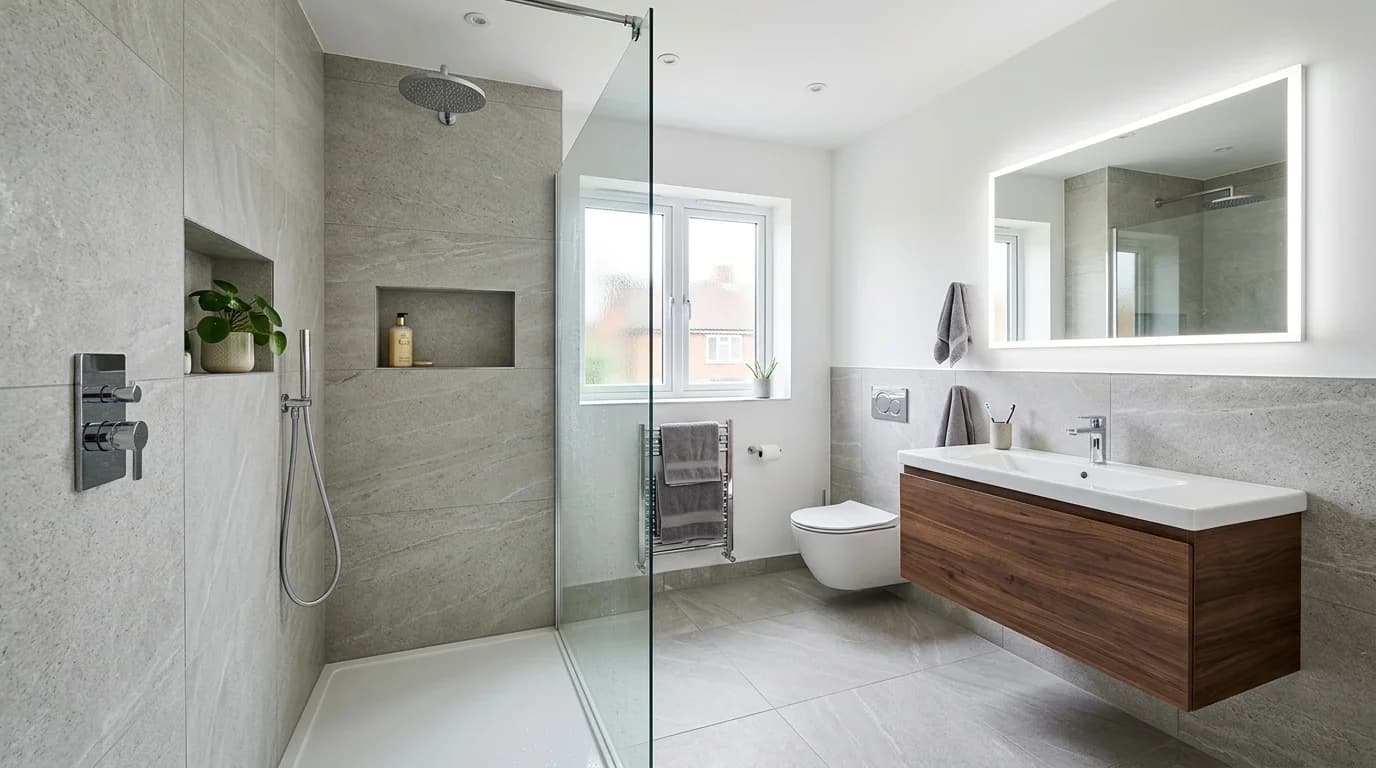
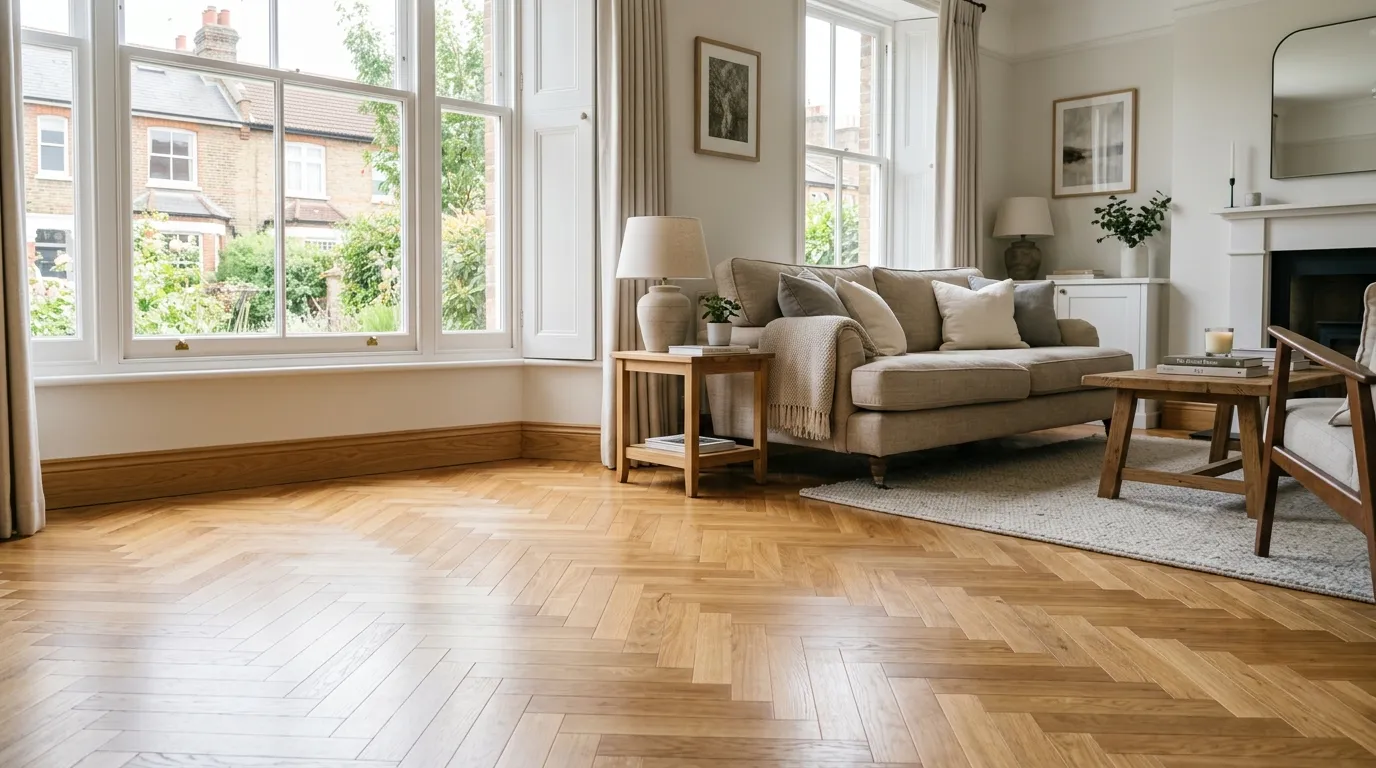
Wall tiling cost per m2 is £25-£60 (supply and fit), while floor tiling prices per m2 run £30-£80. The cost of tiling a bathroom is £600-£2,000 for labour alone, with tiles adding £200-£800+ on top. Kitchen splashbacks are one of the cheapest tiling jobs at £150-£500 all in.
£25/m²
Wall tiling from
£30/m²
Floor tiling from
£600+
Full bathroom
£150 to £300
Tiler day rate
Prices updated April 2026 · Based on industry data and contractor submissions.
Waterproofing is essential. Tiling in wet areas (showers, bath surrounds) requires a tanking membrane applied to the wall before tiling. Without it, moisture seeps behind tiles causing damp, mould, and eventual tile failure. Any reputable tiler will include this in their bathroom quote. Find a TrustMark-registered tiler for extra peace of mind.
Tiling Cost Per m2: Prices at a Glance
What does tiling cost per m2 for the most common jobs in UK homes? These tiling prices per m2 are based on average UK rates in 2026 and include both supply and fitting unless stated otherwise.
| Job Type | Average Cost | Price Range |
|---|---|---|
| Wall tiling (per m², supply + fit) | £40 | £25 to £60 |
| Floor tiling (per m², supply + fit) | £55 | £30 to £80 |
| Kitchen splashback (supply + fit) | £300 | £150 to £500 |
| Bathroom tiling, labour only | £1,200 | £600 to £2,000 |
| En-suite tiling, labour only | £700 | £400 to £1,200 |
| Hallway floor tiling (10 to 15 m²) | £700 | £450 to £1,200 |
| Shower enclosure tiling | £500 | £300 to £800 |
| Tiler day rate (labour only) | £200 | £150 to £300 |
Prices include adhesive, grout, and silicone sealant. Tile removal, substrate preparation, and waterproofing may be priced separately depending on the tiler.
Get Free Tiling Quotes
Compare prices from trusted local tilers near you. Fill in a few details and receive up to 4 free, no-obligation quotes.
Tile Costs by Material
The type of tile you choose has a big impact on the overall cost. Here is how the main options compare in terms of price, durability, and where they work best.
Ceramic
£10 to £30/m²Advantages
Cheapest option, huge colour range, easy to cut
Drawbacks
Less durable, higher water absorption, best for walls only
Porcelain
£20 to £60/m²Advantages
Very low water absorption, extremely hard-wearing, suits walls and floors
Drawbacks
Harder to cut (needs diamond blade), heavier
Natural stone
£40 to £100+/m²Advantages
Unique appearance, adds property value, lasts a lifetime
Drawbacks
Needs sealing, porous, higher maintenance, expensive
Mosaic
£30 to £80/m²Advantages
Great for curves and small areas, decorative impact
Drawbacks
Labour-intensive to fit, lots of grout lines to maintain
Bathroom Tiling Cost: What to Expect
The cost of tiling a bathroom is the most common question we get asked. Bathroom tiling cost depends on the size, the tiles you choose, and how much preparation is needed. Here is what you should expect to pay depending on the scope of work.
| Job | Labour | Tiles (supply) |
|---|---|---|
| Shower enclosure only | £300 to £600 | £100 to £300 |
| Bath surround (3 walls) | £350 to £700 | £120 to £400 |
| Full bathroom walls | £600 to £1,500 | £200 to £600 |
| Full bathroom walls + floor | £800 to £2,000 | £300 to £800 |
| Small en-suite (complete) | £400 to £900 | £150 to £400 |
Labour includes preparation, waterproofing in wet areas, adhesive, grout, and silicone. Tile supply costs assume mid-range porcelain.
Kitchen Splashback Costs
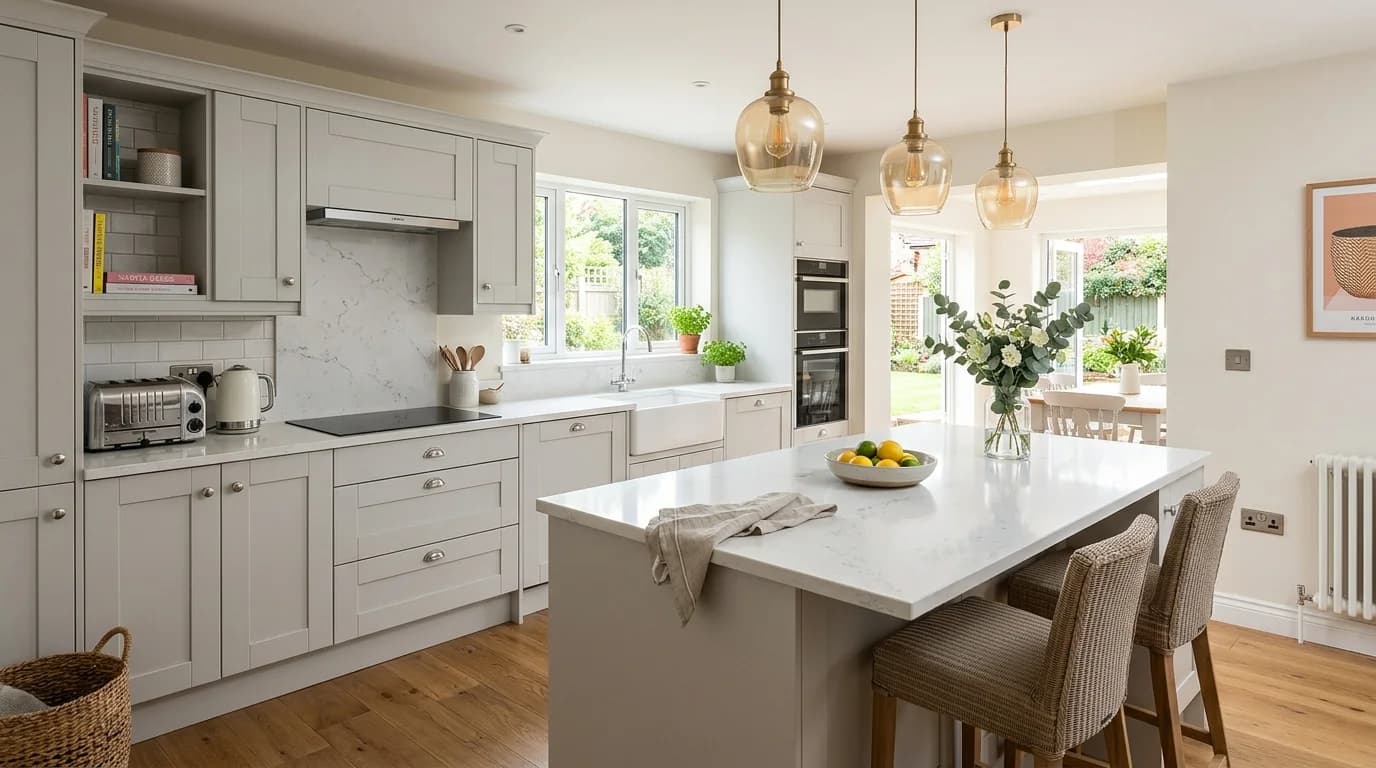
A kitchen splashback is one of the most affordable tiling jobs and makes a noticeable difference to the look of your kitchen. Most splashbacks cover just 1 to 3 m², so even premium tiles are within reach.
Budget splashback, £150-£250
Standard ceramic or metro tiles in a simple grid layout. The tiler can usually finish this in half a day. Materials are cheap and the area is small, making this one of the best-value home improvements you can do.
Mid-range splashback, £250-£400
Porcelain or patterned tiles, herringbone or brick-bond layout. Takes a full day due to the extra cutting. The tile cost is higher but the labour is similar to a budget job since the area is still small.
Premium splashback, £400-£500+
Glass mosaics, natural stone, or designer tiles. These materials are harder to work with and need more careful cutting. The visual impact is significant, but the cost per m² is substantially higher than standard options.
What Affects the Cost of Tiling?
Tile size and layout
Standard 300x600mm tiles are the most efficient to lay. Large-format tiles (600x600mm+) need more careful handling and a flatter substrate. Small mosaics and herringbone patterns require more cuts and take significantly longer. Unusual layouts can double the labour time compared to a simple grid.
Substrate condition
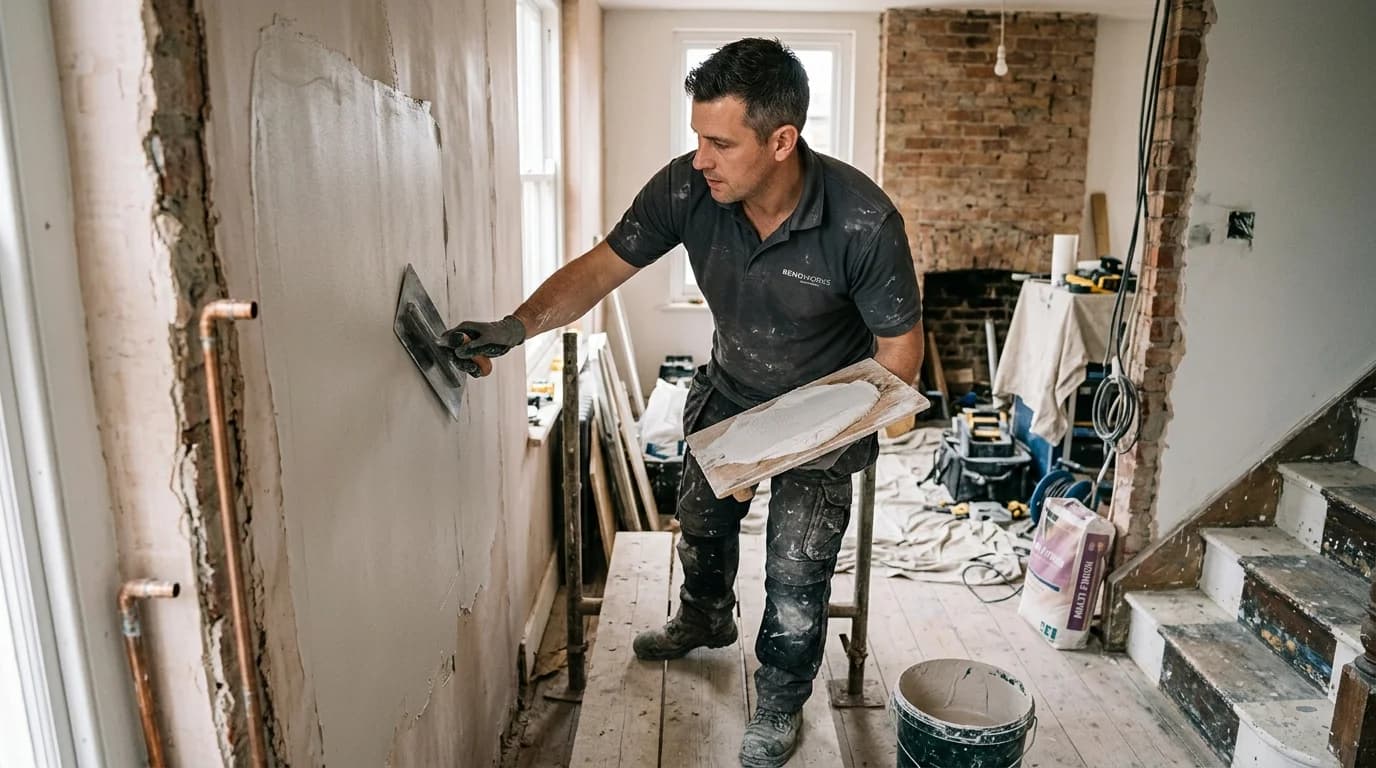
If walls or floors are not flat and sound, preparation work is needed first. This might include skim plastering, fitting tile backer board, applying levelling compound to floors, or removing old tiles and adhesive. Preparation can add 25 to 50% to the total cost if the surface is in poor condition. Wet rooms and walk-in showers must comply with building regulations for waterproofing and drainage.
Waterproofing requirements
Wet areas (showers, bath surrounds) must be tanked with a waterproof membrane before tiling. This is not optional, it is essential to prevent moisture damage. The Tile Association publishes detailed tanking standards that any professional tiler should follow. Most tilers include tanking in their bathroom quotes, but always confirm. Tanking a shower enclosure typically adds £100 to £200.
Number of cuts and obstacles
Tiling around pipes, sockets, window reveals, and niches takes longer than tiling a flat wall. Every cut slows the tiler down. Bathrooms with lots of pipework, recessed shelving, or angled walls cost more to tile than simple rectangular rooms.
Tile material
Ceramic tiles are the cheapest at £10 to £30 per m². Porcelain is harder and more durable at £20 to £60 per m². Natural stone (£40 to £100+ per m²) needs sealing and more careful handling. The tile cost often exceeds the labour cost on premium jobs.
Old tile removal
If existing tiles need to come off first, this adds time, mess, and cost. Removing wall tiles typically costs £10 to £20 per m². Floor tiles are harder to remove, especially if they are on a solid bed of adhesive. Budget an extra £150 to £400 for tile removal in a standard bathroom.
Tiling Prices Per m2 by Region
How much do tilers charge per m2 in different parts of the UK? The tiling cost per m2 for labour varies significantly by region. These are average rates per m² (supply and fit, mid-range porcelain tiles) across UK regions.
| Region | Average Cost | vs National |
|---|---|---|
| London | £55/m² | +31% |
| South East | £48/m² | +14% |
| East of England | £45/m² | +7% |
| South West | £43/m² | +2% |
| Midlands | £42/m² | Average |
| Yorkshire | £38/m² | -10% |
| North West | £39/m² | -7% |
| North East | £36/m² | -14% |
| Scotland | £38/m² | -10% |
| Wales | £37/m² | -12% |
Based on industry data. Average cost per m² for wall tiling with mid-range porcelain tiles (supply and fit).
How to Get Your Tiling Done for Less
Smart choices on materials, timing, and preparation can cut your tiling costs without compromising the finished result.
Get at least three quotes
Prices for the same tiling job can vary by 30% or more between tilers in the same area. Get at least three written quotes so you can compare like for like, and pay attention to how each quote handles material quality, as cheaper tiles can mean higher breakage and waste. The cheapest is not always the best, check reviews, ask for references, and make sure the quote includes everything.
Buy tiles at trade prices or in sales
Tile warehouses, trade counters, and end-of-line sales can cut tile costs by 30 to 50% compared to high street showroom prices. Topps Tiles, Tile Giant, and independent trade suppliers often have clearance sections. Buy all tiles from the same batch to avoid colour variation between boxes.
Choose standard tile sizes
Large-format tiles (600x600mm or bigger) and very small mosaics both cost more to fit. Standard 300x600mm wall tiles and 450x450mm floor tiles are the most efficient to lay, produce less waste, and keep labour costs down. Unusual shapes like hexagons or herringbone patterns also add to fitting time.
Prepare the walls and floors yourself
Removing old tiles, cleaning adhesive residue, and ensuring surfaces are clean and dust-free saves your tiler time. If you can strip old tiles and bag the waste before they arrive, you can save half a day’s labour (£75 to £150). Just be careful not to damage the plaster or substrate underneath.
Bundle rooms together
If you need tiling in both the bathroom and kitchen, get them done at the same time. Tilers have a fixed mobilisation cost for each visit. Two rooms in the same trip is almost always cheaper than two separate bookings. You will also get a better per-m² rate on a larger job.
Use premium tiles only where they matter
You do not need expensive porcelain tiles behind the toilet or on a wall that is hidden by a vanity unit. Use your best tiles in the shower area and on the main visible walls, then switch to a cheaper tile from the same range for areas that are less visible. Most tile ranges have matching budget options.
Use a tiler who is not VAT-registered
A sole-trader tiler with turnover under £90,000 a year does not have to charge VAT, so there is no 20% added to their labour. Many one-person tiling businesses sit under this threshold. On £1,000 of labour that is up to £200 you do not pay compared with a VAT-registered firm. Ask whether a quote includes VAT before you compare prices side by side.
Tile over old tiles if they are sound
If the existing tiles are flat, firmly stuck down, and do not sound hollow when you tap them, a tiler can bond new tiles straight over the top with the right primer and adhesive. That avoids paying for a full strip-out and a re-skim or re-board of the wall underneath, which is often the most expensive part of a retile. Ask the tiler to check the old tiles are solid before going ahead.
Comparing quotes is the simplest way to pay less
Getting three or four quotes and comparing them is how most homeowners avoid overpaying. It takes a couple of minutes, with no obligation.
Get my free quotesWhat to Expect: The Tiling Process
Whether it is a bathroom, kitchen splashback, or floor, professional tiling follows the same basic steps.
- 1
Surface preparation
Walls are checked for flatness, cleaned, and primed. Uneven walls may need a skim coat or plasterboard. Floors are levelled with self-levelling compound if needed. In wet areas such as showers and behind baths, a tanking membrane is applied to waterproof the surface before any tiles go on.
- 2
Measure and plan layout
The tiler measures the area, works out the tile layout, and marks guide lines on the wall or floor. The layout is planned to minimise awkward cuts at edges and ensure a symmetrical finish around focal points like windows and niches. Getting this right makes the difference between a professional-looking job and one that looks rushed.
- 3
Apply adhesive and lay tiles
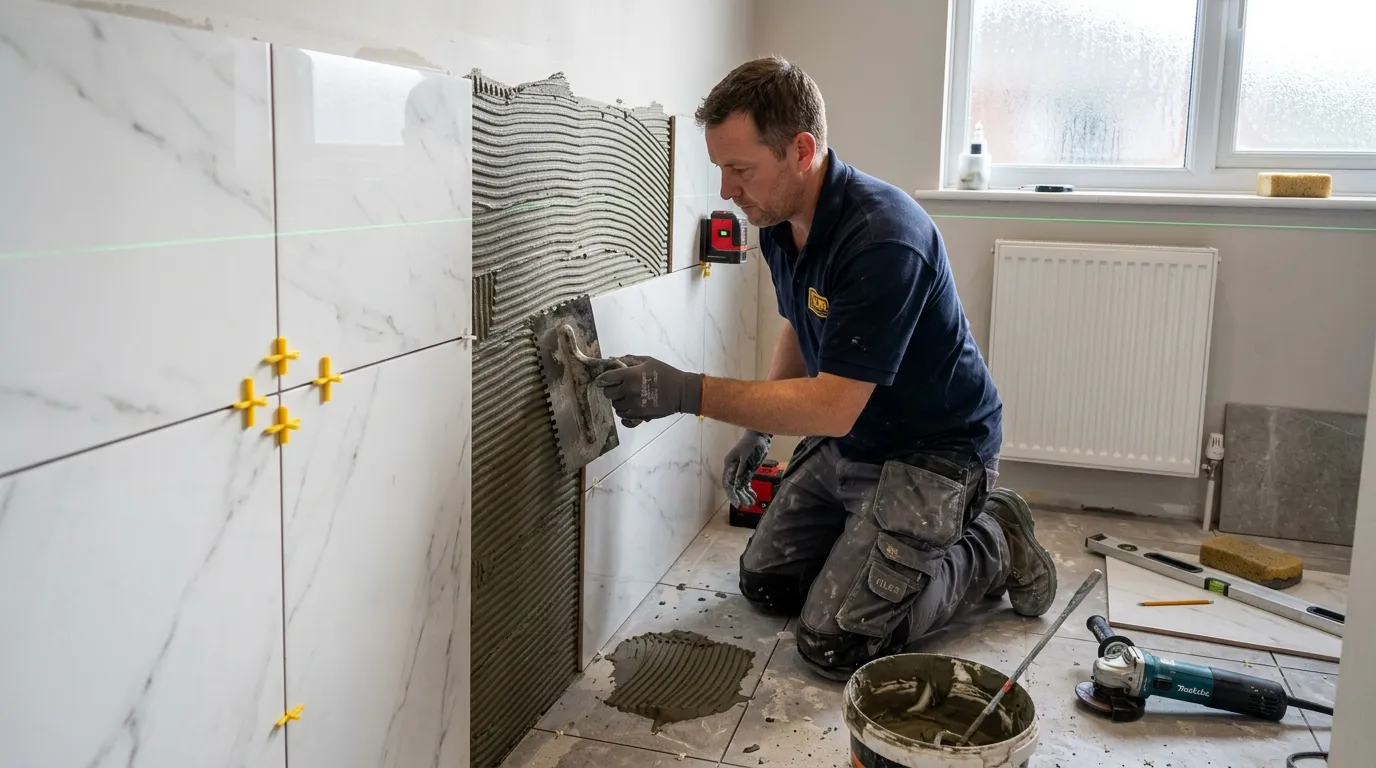
Adhesive is spread onto the surface with a notched trowel and tiles are pressed firmly into place. Spacers maintain consistent gaps between tiles. The tiler works from the centre outward or from the bottom up, depending on the surface. Cut tiles are fitted at the edges using a manual or electric tile cutter.
- 4
Grout joints
Once the adhesive has set (usually 24 hours for floors, less for walls), grout is applied to fill the joints between tiles. The tiler works the grout into the gaps with a rubber float and wipes away the excess before it hardens. Grout colour is chosen to complement the tile - lighter grout shows dirt more easily.
- 5
Seal and clean
Silicone sealant is applied around the edges, where tiles meet the bath, shower tray, worktop, or any movement joints. Natural stone tiles may need a penetrating sealer to prevent staining. The tiles are given a final clean to remove any grout haze, and the room is left to dry fully before use.
Frequently Asked Questions
How much does it cost to tile a bathroom?
Tiling a full bathroom typically costs £600 to £2,000 for labour, depending on the size and complexity. Tiles themselves add £200 to £800+ on top depending on the material you choose. A small en-suite with standard ceramic tiles sits at the lower end, while a large family bathroom with porcelain or natural stone tiles costs more. These prices include preparation, waterproofing in wet areas, adhesive, grouting, and silicone.
How much do tilers charge per m2?
Tilers in the UK typically charge £25 to £50 per m² for labour only, or £40 to £80 per m² for supply and fit depending on the tile type and complexity of the job. Wall tiling is generally cheaper than floor tiling because floor preparation is more involved. Mosaic tiles and intricate patterns cost more per m² due to the extra cutting and alignment work required.
How much does a kitchen splashback cost?
A kitchen splashback typically costs £150 to £500 including tiles and fitting. The area is usually small (1 to 3 m²), so even premium tiles are affordable for this job. Ceramic tiles keep costs low, while metro tiles, glass mosaics, or natural stone push the price towards the upper end. Labour is usually charged as a minimum half-day rate of £100 to £150 for smaller splashback jobs.
Is it cheaper to tile walls or floors?
Wall tiling is generally cheaper than floor tiling. Wall tiling costs £25 to £60 per m² (supply and fit) compared to £30 to £80 per m² for floors. Floors require more preparation, levelling compound, flexible adhesive, and often larger, heavier tiles that are harder to handle. Floor tiles also need to be slip-resistant and durable enough for foot traffic, which means porcelain or natural stone rather than basic ceramic.
How long does tiling last?
Properly installed tiles last 20 to 50 years or more. Porcelain and natural stone are virtually indestructible under normal household use. The weak point is usually the grout, which may need refreshing every 5 to 10 years, and silicone sealant around baths and showers, which should be replaced every 3 to 5 years. Poor installation or inadequate waterproofing behind tiles is the main reason tiling fails prematurely.
Should I buy my own tiles or let the tiler supply them?
Either approach works. Buying your own tiles gives you full control over the design and budget, and you can shop around for deals. However, experienced tilers often get trade prices that are 20 to 30% cheaper than retail. If your tiler supplies tiles, ask for the tile name and specification so you can verify the price. Whichever route you take, always order 10 to 15% extra for cuts, breakages, and future repairs.
Do I need to remove old tiles before retiling?
Not always. If existing tiles are firmly bonded, flat, and in good condition, a tiler can tile directly over them using specialist adhesive. This saves time and reduces mess. However, if old tiles are loose, cracked, or hollow-sounding when tapped, they need removing. Tiling over a poor substrate is the fastest route to tiles falling off the wall within a year or two.
What preparation is needed before tiling?
Walls need to be flat, dry, and free from loose material, dust, and grease. Uneven walls may need plasterboard or a skim coat before tiling. Floors need to be level, a self-levelling compound is used on uneven concrete or screed. In wet areas, a tanking membrane must be applied before any tiles go on. Your tiler should include preparation in their quote, but always confirm what is and is not included.

Written by Chris Kervin, Co-Founder of Less.co.uk
Last updated: · Pricing based on industry data and verified contractor submissions · Methodology