How Much Does Rat Control Cost in 2026?
Council treatment can be free to £60, but many councils have cut the service. A private pest controller charges £120 to £200 for the first visit, with a full course of 2 to 3 visits costing £200 to £400. Here is the full breakdown, plus how to keep costs down.
£0 to £60
Council (where available)
£120 to £200
Private (1st visit)
£200 to £400
Full course (3 visits)
£200 to £600
Rat proofing
Prices updated April 2026 · Based on industry data and contractor submissions.
Rat Control Prices 2026
These are typical rat treatment costs from UK pest controllers in 2026. Most jobs require 2 to 3 visits, prices below show the full picture, not just the first call-out.
Council pest control (where still offered)
Environmental health visit, may include bait
£30
£0 to £60
Private pest controller (initial visit)
Inspection, bait station placement, advice
£160
£120 to £200
Follow-up visits (typically 2 to 3 needed)
Bait check, replenishment, monitoring
£80
£60 to £100 each
Full treatment course (3 visits)
Initial + two follow-ups, bait included
£300
£200 to £400
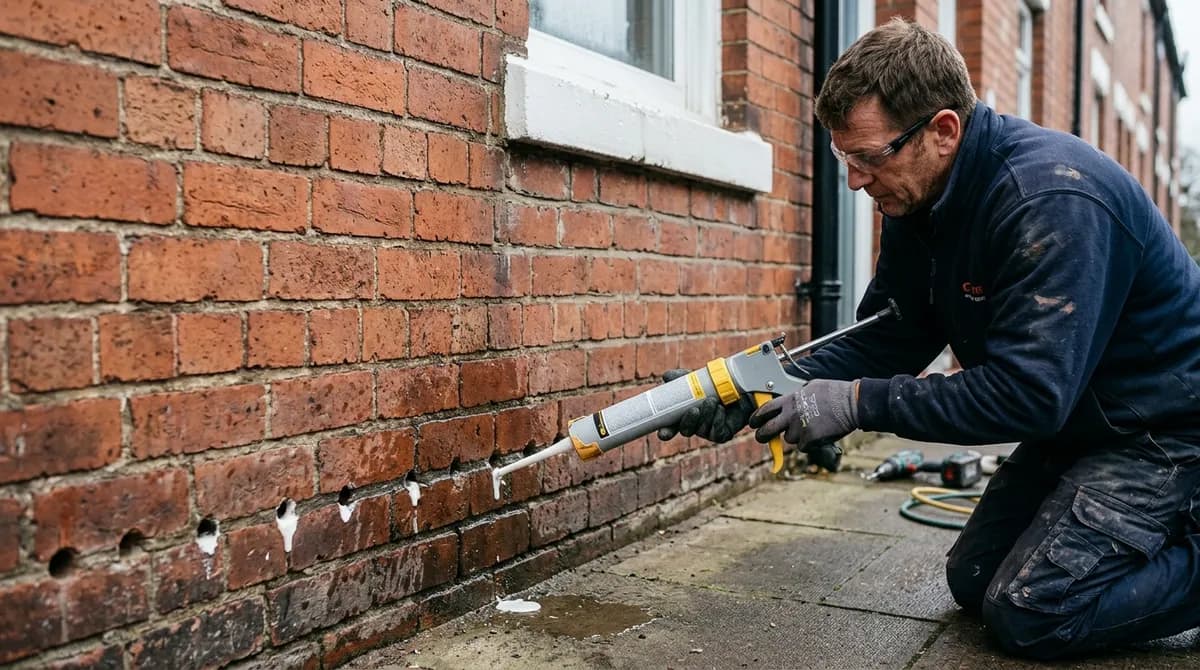
Rat proofing (sealing entry points)
Wire mesh, cement, pipe collars, air brick guards
£400
£200 to £600
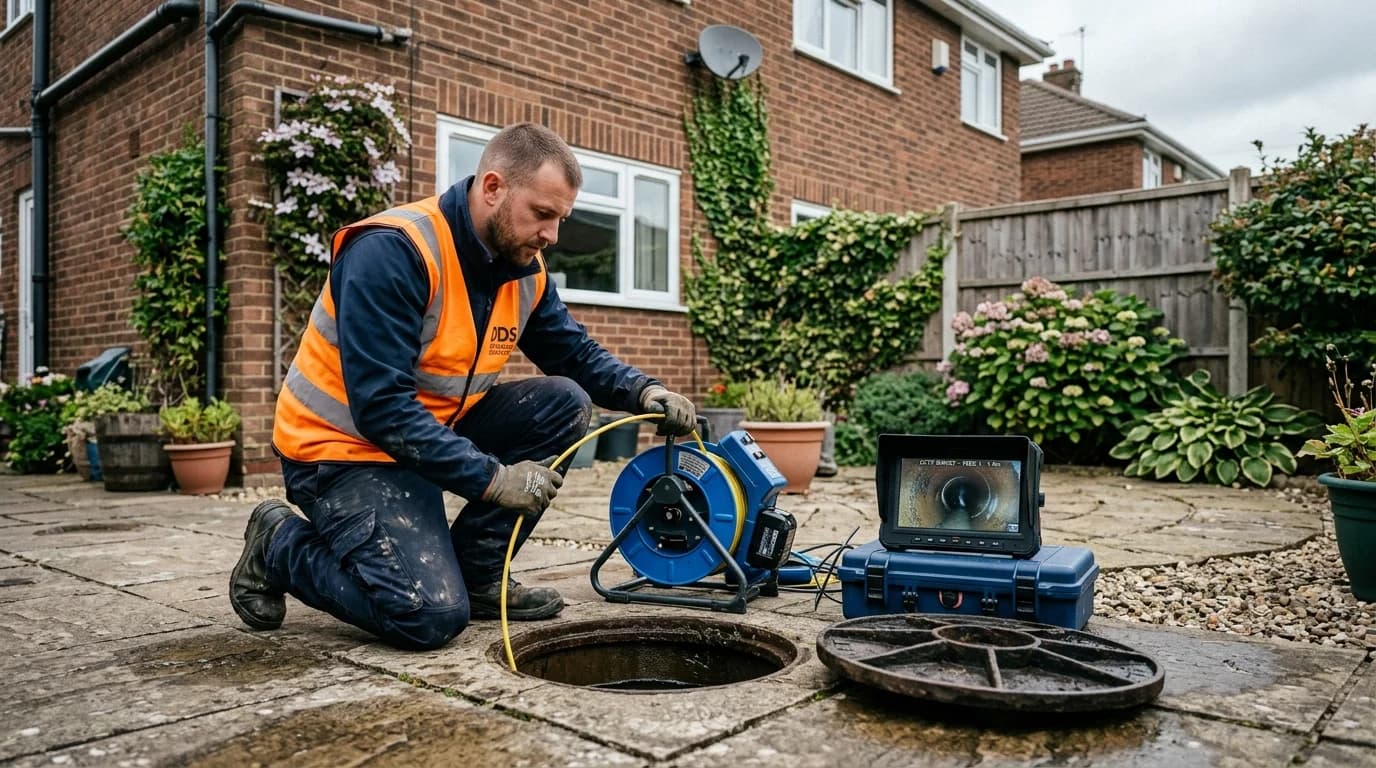
Drain survey (if rats entering via drains)
CCTV inspection to identify entry routes
£250
£150 to £350
Council vs Private Pest Control for Rats
Your first question should always be: does my council still treat rats? Here is the honest comparison.
CCouncil treatment
- Free or £0 to £60 in most areas
- No need to research contractors
- Waiting times of 2 to 3 weeks common
- Many councils have cut the service entirely
- Proofing rarely included
PPrivate pest controller
- Usually available next day
- More thorough inspection and treatment
- Proofing usually available as an add-on
- £120 to £400 depending on visits needed
- Quality varies, check BPCA membership
Our advice: check your council first. If they offer the service, take it, even with a wait. If they do not, or the infestation is urgent, find a BPCA-accredited pest controller and get three quotes.
What Happens During Rat Treatment?
If you have never had pest control before, here is exactly what to expect, from first call to final sign-off.
- 1
Inspection and identification
The pest controller walks the property to confirm it is rats (not mice), assess the severity, and locate entry points and runs. They check the loft, under floors, behind kitchen units, around drains and external pipework. This visit takes 30 to 60 minutes.
- 2
Bait station placement
Rodenticide is placed inside locked, tamper-proof bait stations, not loose poison. These are positioned along rat runs, near burrow entrances, and in harbourage areas. Tamper-proof boxes protect children, pets, and non-target wildlife. A good pest controller explains every station they place.
- 3
Follow-up visits
The technician returns after 7 to 10 days to check bait uptake and replenish if needed. For a typical infestation this happens once or twice. The BPCA recommends a minimum of two bait checks before a job is signed off. Any dead rats found in accessible areas are removed.
- 4
Proofing and prevention advice
Once the bait is no longer being taken, confirming the colony is gone, entry points are sealed. This means wire mesh around pipes, cement over gaps in brickwork, air brick guards, and drain valve fittings where rats are entering via the sewer. The technician also advises on housekeeping to reduce attractants.
DIY vs Professional Rat Control
Rat poison is available in hardware shops and online, so it is tempting to have a go yourself. Here is why it usually makes things harder, not easier.
Dead rats in inaccessible places
Rats that eat loose bait often die inside wall cavities, under floorboards, or in the loft. The smell can be unbearable for 2 to 4 weeks and is difficult to locate without specialist equipment. Pest controllers use bait stations so rats return to the same area and are easier to find.
Secondary poisoning risk
Loose rodenticide in gardens can be eaten by foxes, owls, hedgehogs, and neighbourhood cats. Second-generation anticoagulants, the most effective rat poisons, are particularly dangerous to wildlife. The Campaign for Responsible Rodenticide Use (CRRU) strongly advises against unsecured bait.
Poor placement means poor results
Rats are cautious around new objects and take time to accept bait. Experienced pest controllers know exactly where to position stations along established runs and near burrow entrances. Poorly placed bait is often ignored entirely, leaving the infestation untouched.
No entry point sealing
Even if DIY poison kills the current colony, more rats move in within weeks if the entry points remain open. Proofing is the part most DIYers skip, and the reason infestations return.
Bottom line: for a small number of rats caught early, careful DIY with tamper-proof bait boxes can work. For an established infestation, or any rats inside the house, a professional is the faster, safer, and more reliable option.
How to Prevent Rats Getting In
Prevention is far cheaper than treatment. These are the most effective steps a homeowner can take.
Seal gaps bigger than 15mm
A young rat can squeeze through a gap as small as 15mm. Check around pipes where they enter the house, under doors, around air bricks, and at the base of cavity walls. Fill gaps with wire wool and cement, or fit proprietary pipe collars.
Fit drain guards and rat flaps
Many urban rat infestations enter via the drainage system. A one-way rat flap fitted in your drain stops rats travelling up from the sewer. A drain survey (£150 to £350) will confirm whether this is the route.
Sort out your compost bin
Open compost heaps and poorly sealed bins are a prime food source. Use a rat-proof compost bin with a solid base and a lockable lid, and avoid adding cooked food, meat, or dairy.
Do not leave pet food out overnight
Leftover dog or cat food, especially in gardens, is one of the most common attractants. Feed pets indoors where possible, and always bring bowls in at night.
Keep vegetation clear of the house
Ivy on walls, dense shrubs against the house, and overgrown areas near the perimeter all provide cover for rats moving towards the building. Keep a clear gap between dense planting and the house.
Store birdseed and animal feed in sealed containers
Bags of wild bird seed, chicken feed, and similar are highly attractive to rats. Store in metal bins with tight-fitting lids, plastic is not rat-proof.
Warning Signs: Do Not Wait to Act
Rats breed at alarming speed, a single pair can produce up to 6 litters a year, with 6 to 12 pups per litter. If you spot any of the following, call a pest controller the same day.
Droppings
Dark, spindle-shaped, roughly 12mm. Fresh ones are soft and moist, older ones harden and grey.
Gnaw marks
On wood, cables, pipe insulation, and food packaging. Rat teeth marks are large (4 to 5mm wide).
Grease smears
Dark smears along walls and skirting boards where rats run the same route repeatedly.
Scratching or scurrying sounds
Usually heard at night in walls, under floorboards, or in the loft. Rats are most active between dusk and dawn.
Burrows in the garden
Rat burrows are roughly 70 to 120mm in diameter, often near compost bins, decking, or outbuildings.
Footprints or tail marks
Visible in dusty areas such as loft insulation, garden soil, or under decking.
Rat Control Prices by UK Region
These are average costs for a full rat treatment course (3 visits, bait included) from a private pest controller. Council prices are not included as they vary too widely by borough.
| Region | Average Cost | vs National |
|---|---|---|
| London | £380 | +27% |
| South East | £340 | +13% |
| South West | £310 | +3% |
| East of England | £320 | +7% |
| Midlands | £300 | Average |
| Yorkshire | £270 | -10% |
| North West | £275 | -8% |
| North East | £255 | -15% |
| Scotland | £260 | -13% |
| Wales | £265 | -12% |
How to Get Your Rat Control for Less
Check your council first, it could be free
Many councils still treat rats at no charge or for a small fee. It is always worth a quick call to your environmental health department before paying a private company. Report a pest problem via Gov.uk to find your local service. If the council is fully booked or no longer offers the service, then get quotes from private contractors.
Tackle the source, not just the symptom
Treatment kills the rats that are there now, but if you do not seal the entry points they came through, more will follow. Ask your pest controller whether proofing is included in their quote, many charge for it separately. Fixing the source once costs less than repeat treatments. The BPCA recommends that proofing always accompanies baiting.
Get three quotes and ask what is included
Rat control prices vary considerably, one company might charge £180 for the same job another quotes £350 for. Get at least three quotes, ask how many visits are included, whether bait and proofing are covered, and what guarantee applies. Always check for BPCA membership as a basic quality standard.
Act at the first sign, rats breed fast
Two rats become twelve in less than two months. The earlier you act, the smaller the infestation, the fewer visits required, and the lower the bill. Do not wait to see if the problem resolves itself, it will not. Scratching at night, droppings, or gnaw marks mean you should call a pest controller today, not next week.
If you rent, check who pays first
If rats are getting in through the building itself, through drains, gaps in brickwork, or general disrepair, dealing with them is usually the landlord's responsibility rather than the tenant's. Report it to your landlord or letting agent in writing, and check your tenancy agreement, before you pay for treatment yourself.
A small independent can undercut the chains on VAT
A pest controller whose turnover is under the £90,000 VAT threshold does not add 20% VAT to the bill, so a one-person local firm can come in noticeably cheaper than a national chain for the same job. Ask whether each quote includes VAT before you compare them.
Useful Resources
- BPCA, British Pest Control Association
Find an accredited pest controller near you. BPCA members are trained and insured.
- Gov.uk, Report a pest problem to your council
Find your local council's pest control service and check what is offered in your area.
What to Expect: The Professional Rat Control Process
Professional rat control typically requires 2-3 visits over 3-4 weeks to fully resolve the problem. Here's what a pest controller will do.
- 1
Initial inspection and survey
A pest controller inspects the property inside and out, looking for droppings, gnaw marks, grease trails, and burrow holes. The type and scale of infestation is assessed to determine the best treatment approach.
- 2
Identify entry points
All gaps, holes, and potential access routes are identified. Rats can squeeze through gaps as small as 15mm, so even small openings around pipes, vents, airbricks, and cable entries are flagged for sealing.
- 3
Treatment plan and baiting
Tamper-resistant bait stations are placed in strategic locations along known rat runs. Rodenticide bait or snap traps are used depending on the situation, location, and whether children or pets are present.
- 4
Proofing and blocking entry points
Entry points are sealed using wire wool, metal kick plates, cement, or expanding foam with wire mesh. This is the most important step, without thorough proofing, rats will find their way back in.
- 5
Follow-up visits and monitoring
The pest controller returns after 7-14 days to check bait take, remove any dead rodents, and top up stations if needed. Most infestations need 2-3 visits over 3-4 weeks to fully clear.
Frequently Asked Questions
How much does rat control cost in the UK?
A full rat treatment course typically costs £200 to £400 for a private pest controller, covering 2 to 3 visits. Some local councils still offer free or subsidised rat treatment, usually £0 to £60, though waiting times can be 2 to 3 weeks. Rat proofing (sealing entry points) is charged separately and costs an additional £200 to £600.
How many visits does rat treatment take?
Rat treatment typically requires 2 to 3 visits over 2 to 4 weeks. The first visit involves inspection and laying bait stations. The second visit (7 to 10 days later) checks uptake and replenishes bait. A third visit confirms the infestation is clear and seals entry points. More severe infestations may need additional visits.
Will my council deal with rats for free?
Many UK councils still offer free rat treatment for residential properties, though this varies by area. Some councils charge a modest fee of £30 to £60. You can check by visiting your council's website or phoning the environmental health department. Where council services have been cut, they will usually refer you to a private pest controller.
Can I get rid of rats myself?
Shop-bought rat poison (rodenticide) is available to the public, but there are significant risks. Dead rats can end up in wall cavities or under floors, causing odour problems for weeks. Secondary poisoning can harm pets and wildlife, including owls and foxes. Professional pest controllers use tamper-proof bait stations, know exactly where to position them, and can seal entry points, making the treatment far more effective and safer than DIY.
What are the signs of a rat infestation?
Common signs include dark, spindle-shaped droppings (roughly 12mm long), gnaw marks on wood, cables, and food packaging, grease smears along walls and skirting boards where rats run repeatedly, scratching or scurrying sounds in walls and lofts, usually at night, and rat burrows or runs in the garden, particularly near compost bins or beneath decking.
Is rat proofing worth paying for?
Yes, rat proofing is essential if you want to prevent a recurrence. Treatment alone kills the existing colony, but if entry points are not sealed, new rats move in within weeks. Proofing involves sealing gaps around pipes, air bricks, and foundations with wire mesh or cement. It costs £200 to £600 and is the single most effective thing you can do to keep rats out long-term.

Reviewed by Chris Kervin, Less.co.uk Home Improvement Costs Specialist
Last updated: April 2026 · Pricing based on industry data and verified contractor submissions · Methodology
Got a rat problem?
The sooner you act, the smaller the job, and the lower the bill. Find out what rat treatment costs in your area and get the problem sorted.
Compare Free QuotesFree, no obligation · Local pest controllers · Compare up to 3 quotes