How to Save Money on Home Improvements Without Cutting Corners
Home improvements don't have to drain your savings. Whether you're planning a new kitchen, a loft conversion, or just freshening up a tired bathroom, there are genuine ways to spend less without ending up with a bodged job. Here's what actually works.

Chris Kervin
Written by Chris Kervin, Co-Founder of Less.co.uk
The short answer
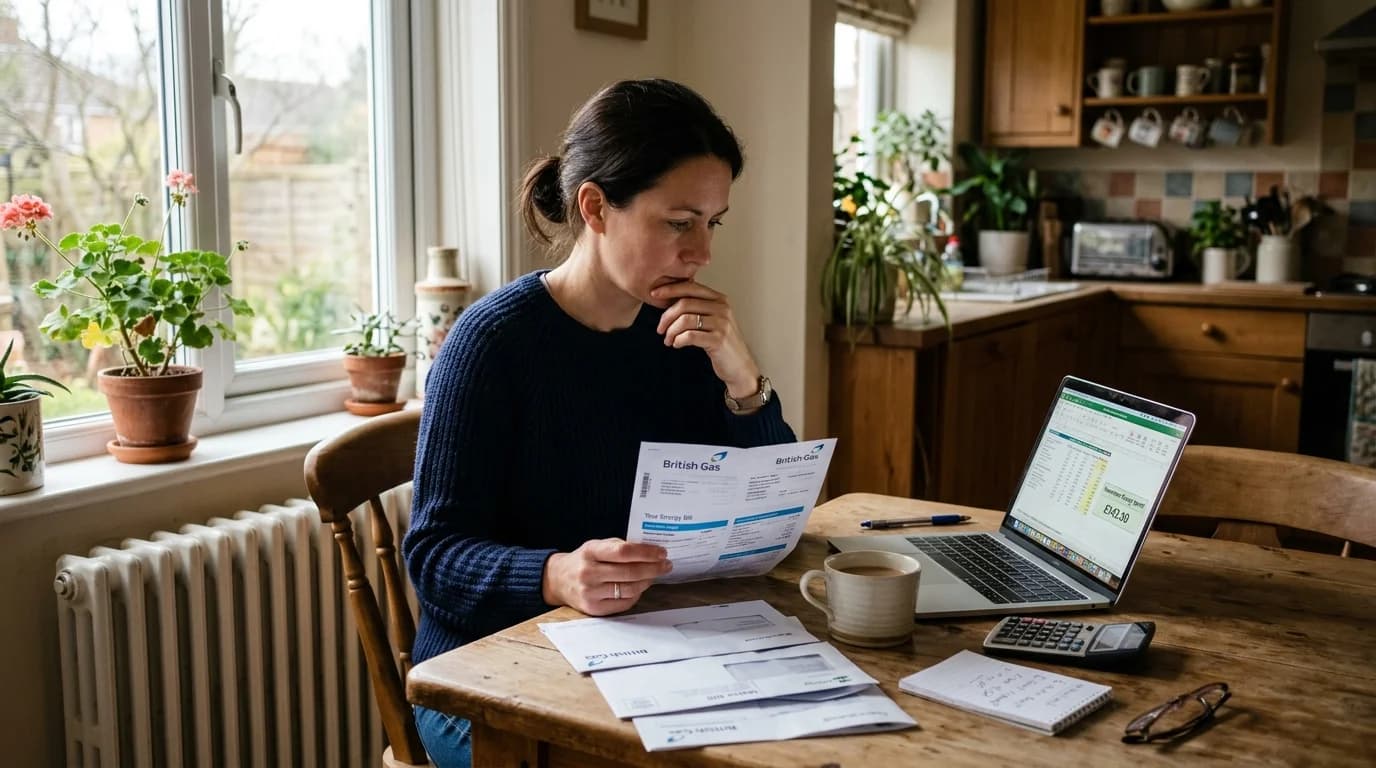
You can realistically save 15 to 30% on most home improvement projects through better timing, doing your own prep work, sourcing materials directly, getting multiple quotes, and bundling jobs together. None of this means accepting lower quality - it means being smarter about where the money goes. Start by using our budget explorer to see what you can realistically achieve with your available funds.
1. Time your project right
This is the single easiest way to save money, and most people don't think about it. The building trade has a very clear busy season (spring and summer) and a quiet season (late autumn and winter). During the quiet months, tradespeople have gaps in their diary and are far more likely to sharpen their prices.
A kitchen fitter who's booked solid in June might quote £8,000 for a job. The same fitter in January, with two free weeks coming up, might do it for £6,500. That's not because they're desperate - it's because they'd rather fill the gap at a fair price than sit around.
The exceptions are outdoor jobs. Roofing, rendering, driveways, and exterior painting are weather-dependent, so summer is genuinely the better time. But for anything indoors - kitchens, bathrooms, plastering, electrics, plumbing - winter is your friend.
2. Get more quotes than you think you need
Three quotes is the standard advice. For small jobs under £1,000, that's fine. But for anything significant - a new kitchen, a loft conversion, an extension - get five.
The reason is simple: three quotes might all come from tradespeople who happen to be busy. Five quotes gives you a much better picture of the actual market rate. You'll also start to notice which items appear on every quote (essential work) and which only appear on some (potential upselling).
Always get written, itemised quotes - not verbal estimates. A written quote is a fixed price offer. An estimate is a guess that can creep up. The Federation of Master Buildershas a free tool to find vetted tradespeople in your area. Make sure every quote covers the same scope of work so you're comparing like with like.
3. Do your own prep and clean-up
Most tradespeople charge £150 to £250 per day. If they spend half a day clearing furniture, ripping out old units, or taking rubble to the tip, that's money you could have saved by doing it yourself the weekend before.
Prep work you can safely do yourself:
- Clear the room completely - furniture, shelving, curtains, everything
- Strip wallpaper (a steamer from Screwfix costs about £30 and saves hours of labour)
- Pull up old carpet, underlay, and gripper rods
- Remove old kitchen units if you're replacing them (disconnect appliances first - leave gas to a Gas Safe engineer)
- Bag up and take rubble to the local tip yourself instead of paying for a skip
A word of caution: don't touch anything structural, electrical, or plumbing-related. And if you suspect asbestos (common in pre-2000 homes), stop and get it tested before disturbing it. The Health and Safety Executive (HSE) has guidance on identifying and dealing with asbestos safely.
4. Buy your own materials
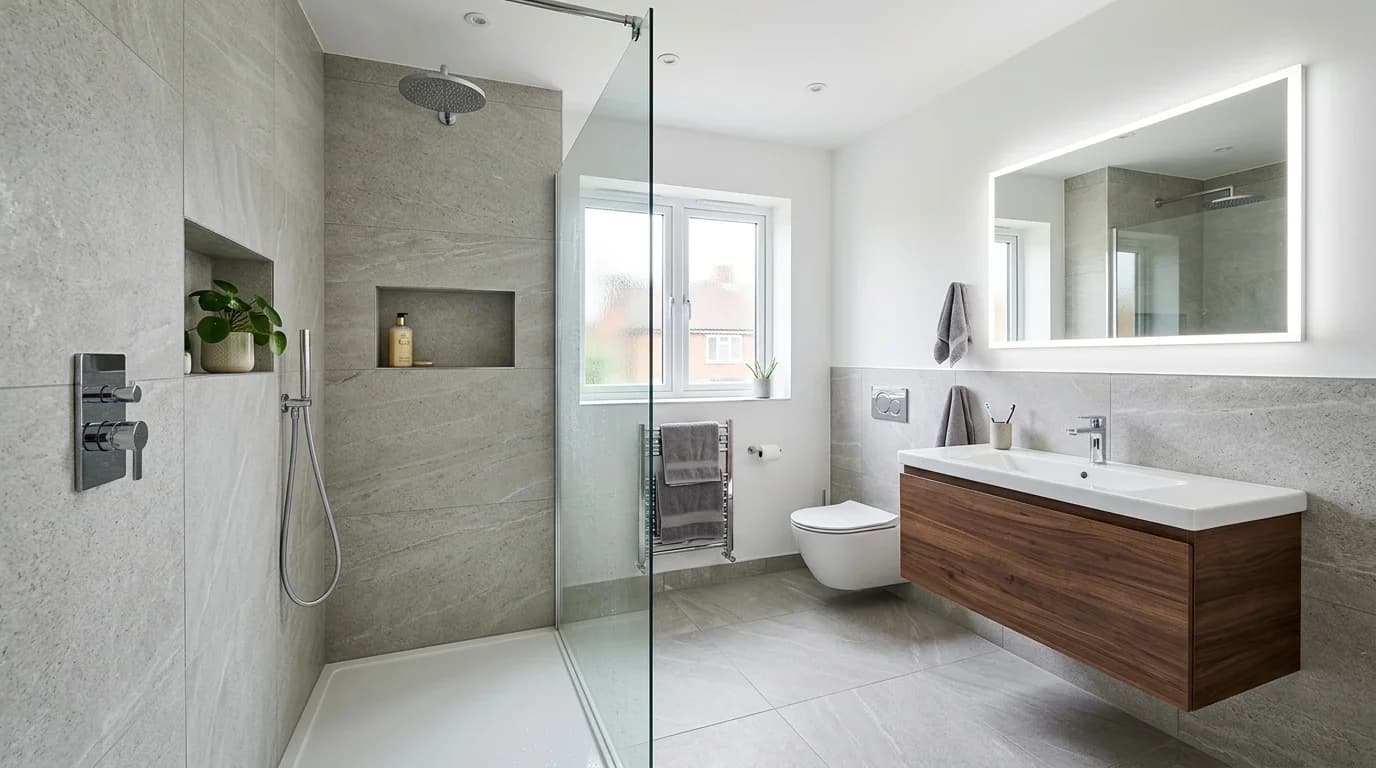
Tradespeople typically mark up materials by 10 to 25%. On a bathroom renovation costing £6,000, that markup on the suite, tiles, and fittings could be £300 to £600.
Buying your own bathroom suite from Victorian Plumbing, your own kitchen from Howdens (or even IKEA), and your own tiles from Topps or Tile Giant puts you in control. You can shop around, wait for sales, and use cashback sites. Trade counters at Screwfix and Toolstation are open to the public and cheaper than B&Q for most things.
The caveat: always check with your tradesperson first. Some fitters won't guarantee work if they haven't sourced the materials themselves. Others are happy with it as long as everything arrives on time and in one piece. Have this conversation before you start buying.
5. Bundle jobs together
If you need a plasterer for the living room, chances are you'll need plastering in the hallway too. If you're getting the boiler replaced, it makes sense to sort the central heating at the same time.
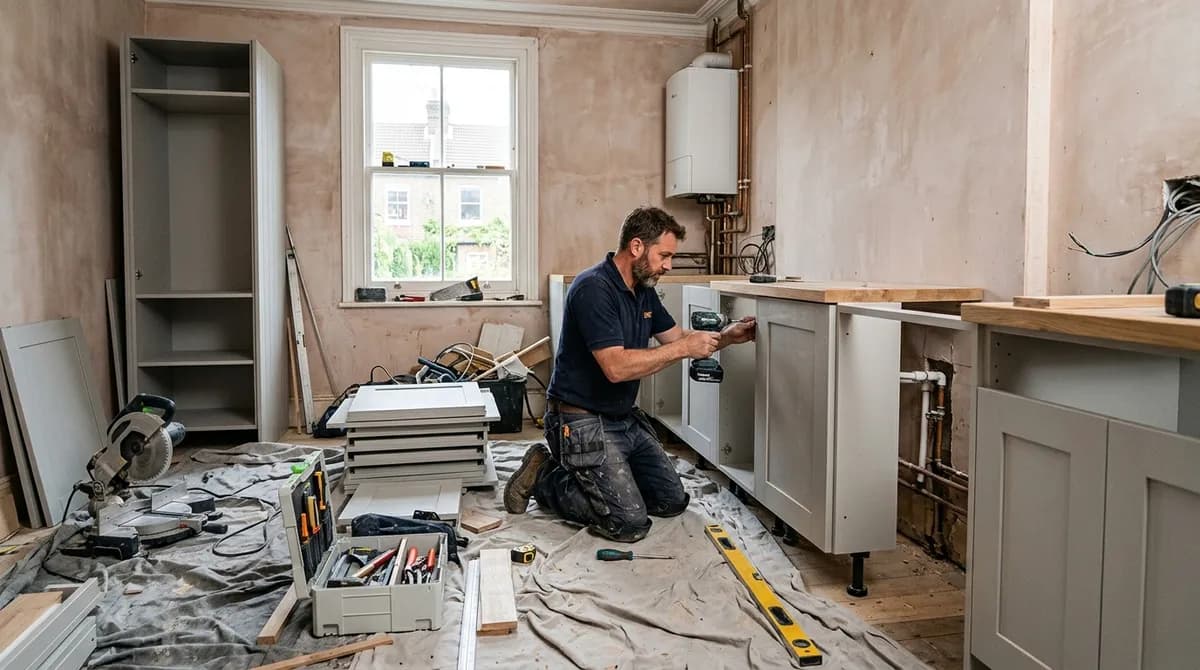
Bundling work together saves money for two reasons. First, the tradesperson saves time on travel, setup, and pack-down - and they'll often pass that saving on. Second, you avoid the cost of one trade making good after another. If the plasterer and electrician are working to the same schedule, the plasterer can patch up chased walls in one go rather than making a separate trip.
On a multi-trade project, ask your main contractor if they can coordinate the other trades. A good builder will have trusted sparks, plumbers, and plasterers they work with regularly - and the whole job runs smoother because of it.
6. Negotiate - but do it respectfully
This isn't about beating someone down to an unreasonable price. It's about having an honest conversation. If you've got five quotes and one tradesperson's work impressed you but their price is the second highest, tell them. "I'd like to use you, but I've had a quote for £X less - is there any flexibility?"
Most tradespeople would rather adjust their price slightly than lose a job to a competitor. They might not match the cheapest quote, but they'll often meet you somewhere in the middle.
Other negotiation levers that actually work:
- Offering to pay promptly (many tradespeople chase invoices for weeks - being a fast payer is worth a discount)
- Being flexible on start dates (if you can wait until they have a gap, they'll price accordingly)
- Offering to provide tea, parking, and access to a toilet (sounds minor, but tradespeople remember good clients)
- Agreeing to leave a positive Google review (genuine social proof is valuable to small businesses)
7. Don't over-specify
It's easy to get carried away with upgrades that don't add value. Underfloor heating in a bathroom is lovely, but it adds £600 to £1,200 to the cost and doesn't meaningfully increase your home's value. A heated towel rail at £80 does the same job for a fraction of the price.
Before upgrading anything, ask yourself: "Would I pay extra for this if I were buying the house?" If the answer is no, it's a luxury, not an investment. That's fine if you're staying long-term, but if there's any chance you'll move in the next five years, stick to solid mid-range finishes.
8. Consider phasing the work
If you can't afford everything at once, phase it. Do the structural and essential work first (electrics, plumbing, plastering), then come back to the cosmetic stuff later. A plastered room is perfectly liveable - you can paint it next month when payday arrives.
Phasing also lets you spread costs across tax years, which matters if you're a landlord claiming expenses. And it avoids the temptation to put everything on a credit card at 20%+ interest, which wipes out any savings you've made.
9. Check for grants and schemes
There's more help available than most people realise. The Boiler Upgrade Scheme offers £7,500 towards a heat pump. ECO4, now open until 31 December 2026, can provide free boiler replacements and insulation for households on qualifying benefits. The Great British Insulation Scheme closed to new applicants on 31 March 2026, so if you're on a lower income the route now is the Warm Homes: Local Grant, run by your council, which covers insulation and heating upgrades in the least efficient homes.
Your local council may also have grants for specific improvements. It's always worth a quick check on gov.uk before you commit to paying full price for energy-related work.
Get a personalised cost estimate in under 2 minutes
10. Use our cost guides to know the going rate
The best defence against overpaying is knowing what things should cost. Our cost guides break down prices for every major home improvement job, with regional variations and real data from UK tradespeople.
If a quote is 30% above the average for your area, you know to push back or get more quotes. If it's bang in the middle, you can feel confident you're getting a fair deal.
11. Check whether you qualify for reduced VAT
Most home improvement work comes with 20% VAT on top, but some jobs qualify for less. Insulation, heat pumps, and solar panels are charged at 0% VAT until 2027, when the rate rises to 5%, and that saving covers both the materials and the installation.
There's also a 5% reduced rate when you renovate a home that's been empty for two years or more, or when a conversion changes the number of dwellings, like splitting a house into flats or turning a loft or garage into a separate self-contained home. The builder applies the rate, not you, so get your VAT status confirmed in writing before the work starts.
12. Pay deposits by credit card
Paying your deposit by credit card gives you protection that cash and bank transfers don't. Under Section 75 of the Consumer Credit Act, the card provider is jointly liable for any purchase between £100 and £30,000, so if the trader goes bust or never shows up, you can claim the money back from them.
Put at least the deposit on a credit card, even if you pay the rest another way. And never hand over a large cash deposit up front.
13. Claim the Warm Home Discount
If you're on a low income and eligible, the Warm Home Discount knocks £150 off your electricity bill. It won't pay for the work itself, but £150 off your energy costs over winter frees up money you can put towards the job. Check with your electricity supplier to see whether you qualify.
Frequently asked questions
What is the cheapest time of year to do home improvements?
Winter (November to February) is generally the cheapest time for home improvements. Most tradespeople are quieter during this period and more willing to negotiate on price. The exception is outdoor work like roofing, driveways, and rendering - these are weather-dependent and best done in drier months.
Should I buy my own materials or let the tradesperson source them?
Buying your own materials can save 10 to 25% because tradespeople typically add a markup. However, some fitters prefer to source materials themselves so they can guarantee compatibility. Always check with your tradesperson first - and keep receipts so warranty claims are straightforward.
How many quotes should I get for home improvement work?
Get at least three written quotes for any job over £500. For larger projects like extensions or loft conversions, five quotes gives you a better picture of the market rate. Always compare like-for-like - make sure each quote covers the same scope of work, materials, and finish.
Is it worth doing DIY prep before tradespeople arrive?
Yes. Clearing rooms, stripping wallpaper, removing old flooring, and doing basic demolition can save hundreds in labour costs. A tradesperson charging £200/day who spends half a day moving furniture and clearing a room is money wasted. Just avoid anything structural, electrical, or plumbing-related unless you're qualified.
Know what things should cost
Browse our full range of home improvement cost guides with regional breakdowns and real UK pricing data.
Related articles
How to Find a Good Contractor
A practical guide to finding and vetting UK tradespeople.
Bathroom Renovation Cost Breakdown
Where your money actually goes in a bathroom refit.
Government Grants for Home Improvements 2026
Free money you might be missing - schemes and grants explained.
How to Choose a Builder
10 things to check before you hire anyone.