How to Find a Good Contractor for Home Improvements
The difference between a good contractor and a bad one isn't always obvious up front. Here's a practical guide to vetting UK tradespeople - what to check, what to ask, and the red flags that should make you walk away.

Chris Kervin
Written by Chris Kervin, Less.co.uk founder
Start with what the job actually requires
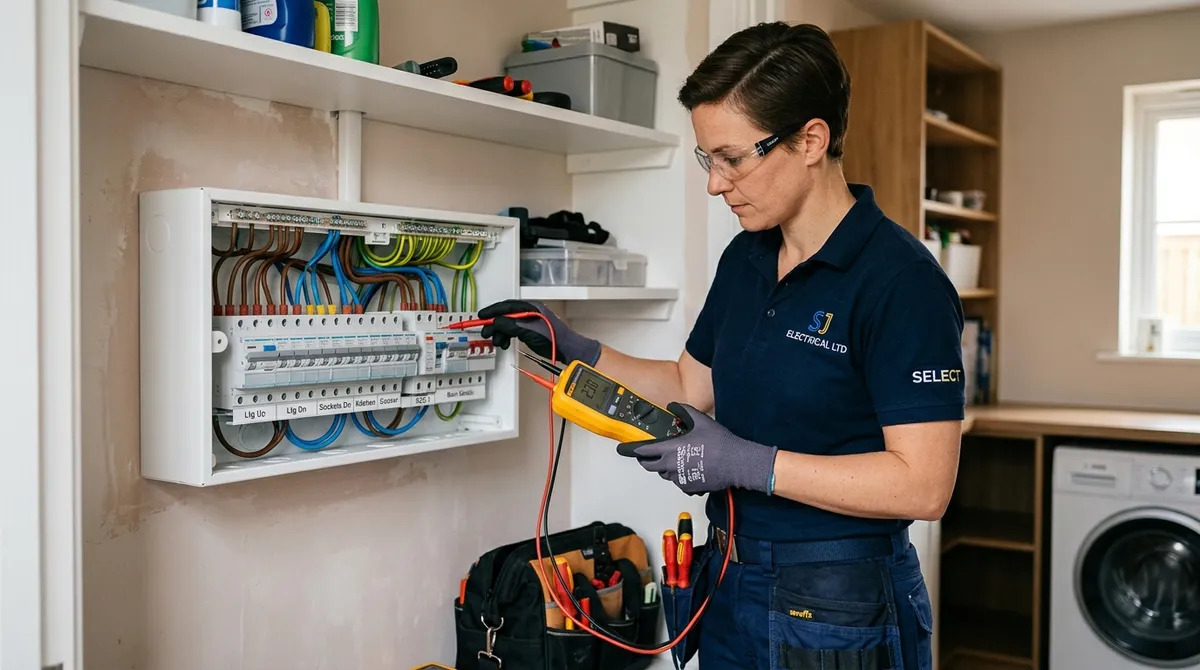
Some trades are legally regulated. For those, there's a specific certification to check - and if the person doing the work isn't registered, the work may be illegal and you're potentially uninsured. Our companion guide on how to choose a builder goes into more detail on selecting general builders specifically.
Required certifications by trade
How to find candidates
Personal recommendations are still the most reliable source. If a neighbour had their boiler done and they're happy a year later, that's more valuable than any review platform. Ask specifically: "Did they turn up on time? Did the price change? Would you use them again?"
For trades where you don't have a personal recommendation, a few useful sources:
- Which Trusted Traders - Vetting process is more thorough than most platforms
- Checkatrade - Large database, read the reviews carefully rather than just the score
- Gas Safe Register / FENSA finder - For regulated trades - search by postcode to find accredited engineers
- Federation of Master Builders - For builders and general contractors
- Local Facebook groups - Hit or miss, but local recommendations from real people carry weight
Want quotes to compare?
Pick the type of work to ask local firms for free quotes, with no obligation to book. Then check each firm using the steps in this guide.
Getting quotes right
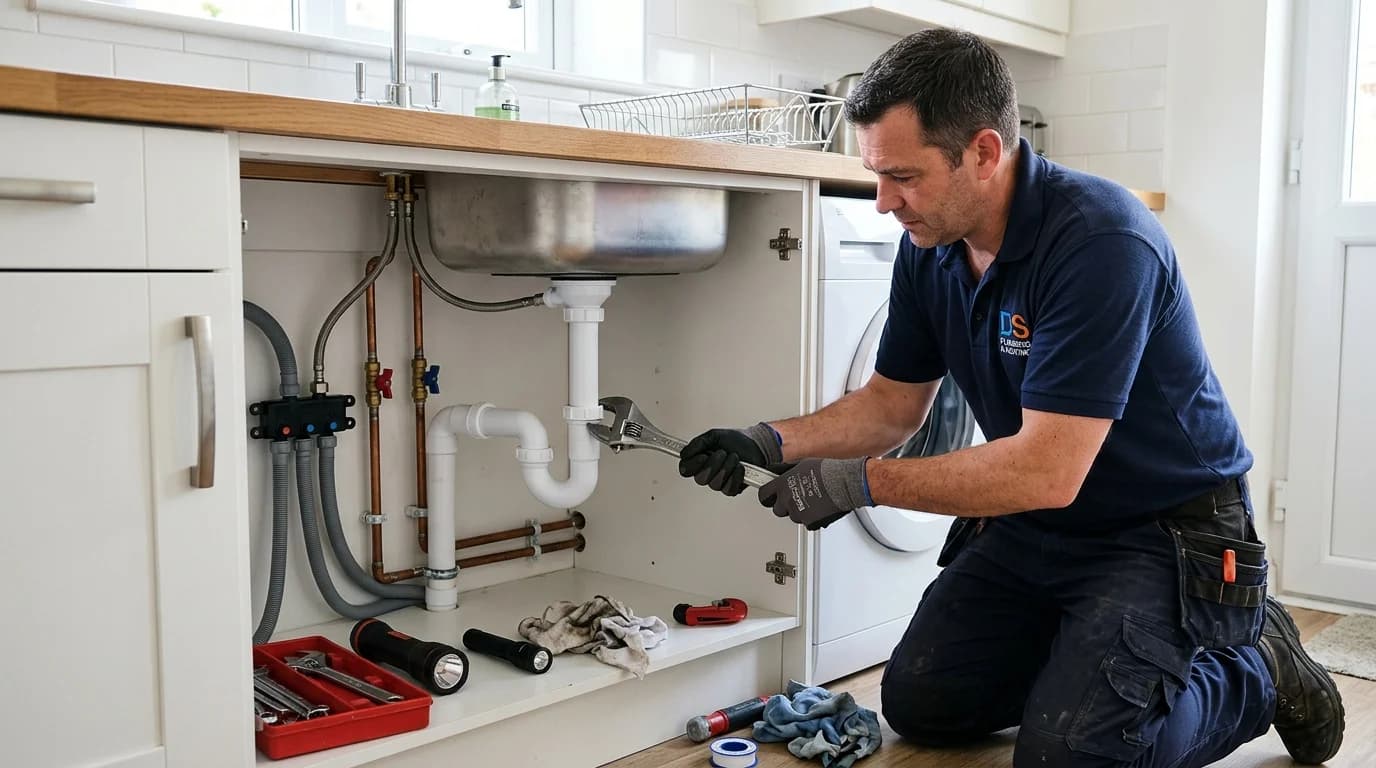
Get at least three quotes. Not for price comparison alone - for what you learn. If two quotes are £2,000 and one is £800, the cheap quote is probably leaving something out. Ask each contractor what's included and compare line by line. Our cost guidescover typical prices for every major home improvement, so you'll know what a fair number looks like before anyone turns up.
A proper quote should specify: the scope of work, materials to be used (make and model where relevant), disposal of waste, timescale, payment terms, and what happens if the job runs over.
If a quote is just "supply and fit boiler - £1,800" with no further detail, ask them to itemise it. If they won't, find someone who will.
Checking credentials in practice
Most credential checks take less than 5 minutes online. The Gas Safe Register website has a live lookup by registration number. FENSA has a similar tool. For Companies House, a business name search takes 30 seconds.
Ask to see proof of public liability insurance. Most legitimate contractors carry £1 to 5 million. If they can't provide a certificate, that's a problem.
References are underused. If a contractor has been trading for 5+ years, they'll have plenty of satisfied customers. Ask for two or three who had similar work done, and call them. The specific question to ask: "Was the final price what was quoted?"

Red flags
Wants a large cash deposit upfront (more than 25 to 30%)
Legitimate contractors don't need you to fund their materials before starting
Can't provide proof of insurance
If something goes wrong, you could be liable
No fixed business address or landline number
Genuine businesses are traceable
Quote is dramatically lower than the others
Usually means cutting corners on materials or skipping essential steps
Pressure to sign on the same day
High-pressure tactics are a classic warning sign
Won't provide a written quote
Without it in writing, you have no protection if the price creeps up
Asks you to get the skip or scaffolding yourself to 'save money'
This is often how extras creep in - get everything included in one quote
Payment terms
Never pay more than 25 to 30% upfront, even for large jobs. Legitimate contractors can fund materials with a reasonable deposit. A request for 50%+ before work starts should raise questions. If you're planning a bigger project, our guide to saving money on home improvements covers payment strategies alongside other ways to cut costs.
For longer projects, agree a payment schedule tied to completion milestones - not dates. "Payment when first fix is signed off" is better than "payment on week three". Hold back a meaningful final payment (10 to 15% is common) until snagging is complete.
Pre-hire checklist
Checked for trade-specific certification (Gas Safe, FENSA, NICEIC etc.)
Mandatory for regulated trades
Checked Companies House or confirmed sole trader status
Takes 2 minutes at companieshouse.gov.uk
Read reviews on a platform you trust (Google, Checkatrade, Which Trusted Traders)
Look for patterns, not just the star rating
Asked for 2-3 recent references
And actually called them
Got at least 3 written, itemised quotes
Compare line by line, not just the total
Confirmed they have public liability insurance
£1m minimum for most jobs
Agreed a payment schedule tied to milestones
Not just dates
Got the job specification and timeline in writing
Before any money changes hands
Ready to get quotes?
Knowing what a fair price looks like is your best defence against being overcharged. Pick your job to ask local firms for free quotes, with no obligation to book, and compare them with the prices in our cost guide for that job.
Something else? Browse all cost guides or try our calculators.
Related articles
Extension vs Loft Conversion
Which adds more space, value, and flexibility for your budget?
How to Save Money on a New Kitchen
Practical tips to cut costs without cutting corners.
Best Time to Get Home Improvements Done
When trades are cheapest and most available.
When Do You Need Planning Permission?
Permitted development rules explained simply.