How Much Does a Porch Cost in the UK? (2026 Prices)
A porch costs £2,000-£4,000 for uPVC, £5,000-£10,000 for brick, and £10,000-£20,000+ for an oak frame. Most porches under 3 square metres don't need planning permission. Here's the full breakdown by type and material, plus where you can save.

Chris Kervin
Written by Chris Kervin, Co-Founder of Less.co.uk
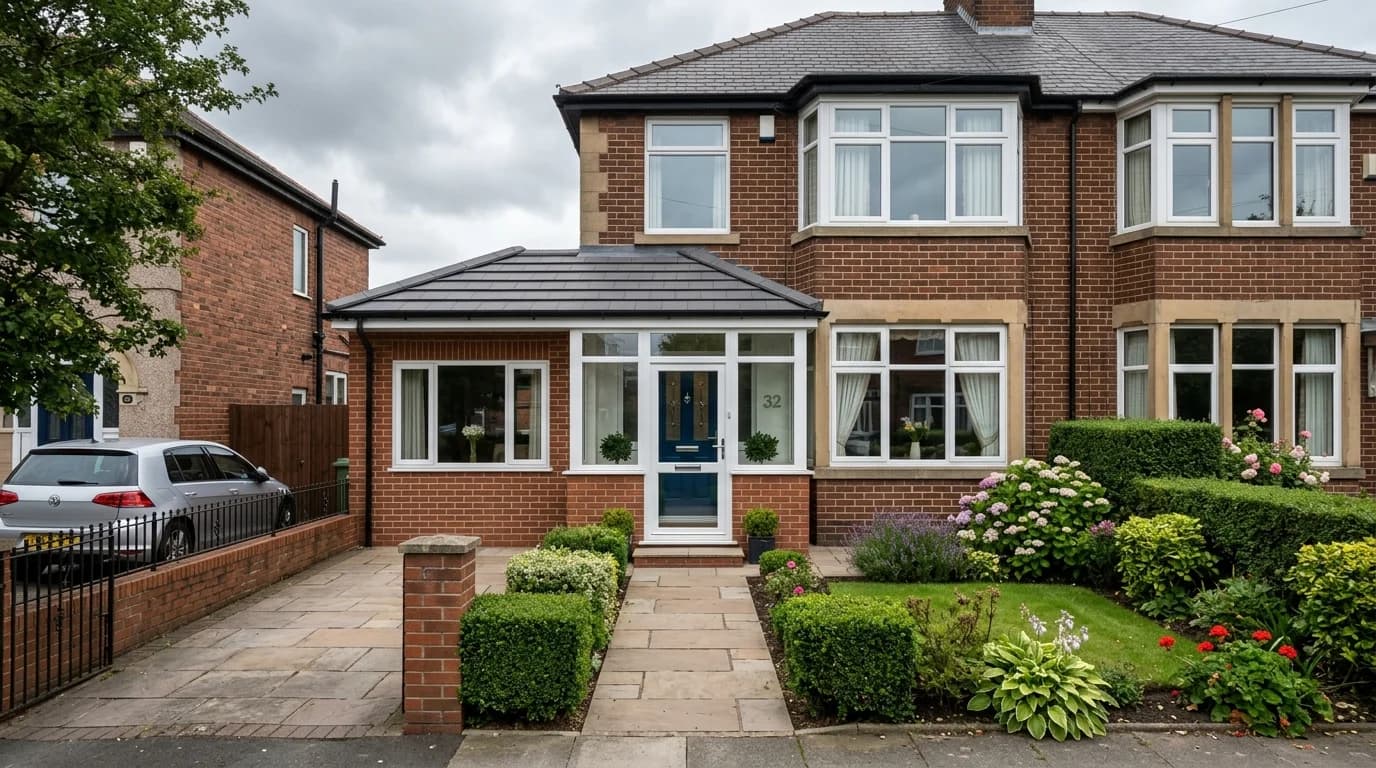
The short answer
A basic uPVC porch costs £2,000 to £4,000. A brick-built porch runs £4,000 to £10,000. An oak frame porch starts at £10,000 and can hit £20,000 for something really special. Most homeowners spend £5,000 to £8,000 on a decent brick porch with a tiled roof.
Why the massive price range?
A porch is one of those jobs where the spec makes all the difference. A uPVC lean-to bolted onto the front wall is a completely different beast to a brick-built structure with its own foundations, a pitched slate roof, and an oak front door. Same word, “porch”, but the cost gap is enormous.
The main things that push the price up: size, materials, foundations (you'll need them for anything brick-built), roofing type, the front door you choose, and whether you need electrical work for lighting or a doorbell. Ground conditions matter too, if your soil is clay or there are drains in the way, foundations cost more.
Porch costs by type
Here's what you can expect to pay in 2026, based on typical UK prices for a standard-sized front porch (roughly 2m x 1.5m):
| Porch type | Typical cost | Build time |
|---|---|---|
| uPVC lean-to | £2,000 to £4,000 | 2 to 3 days |
| Aluminium/glass | £3,500 to £6,000 | 3 to 5 days |
| Brick with flat roof | £4,000 to £7,000 | 1 to 2 weeks |
| Brick with pitched roof | £5,500 to £10,000 | 1 to 2 weeks |
| Stone-built | £8,000 to £15,000 | 2 to 3 weeks |
| Oak frame | £10,000 to £20,000+ | 2 to 4 weeks |
Prices include labour, materials, and VAT. Based on a standard front porch approximately 2m x 1.5m. Larger porches and complex designs will cost more.
Front porch vs rear porch
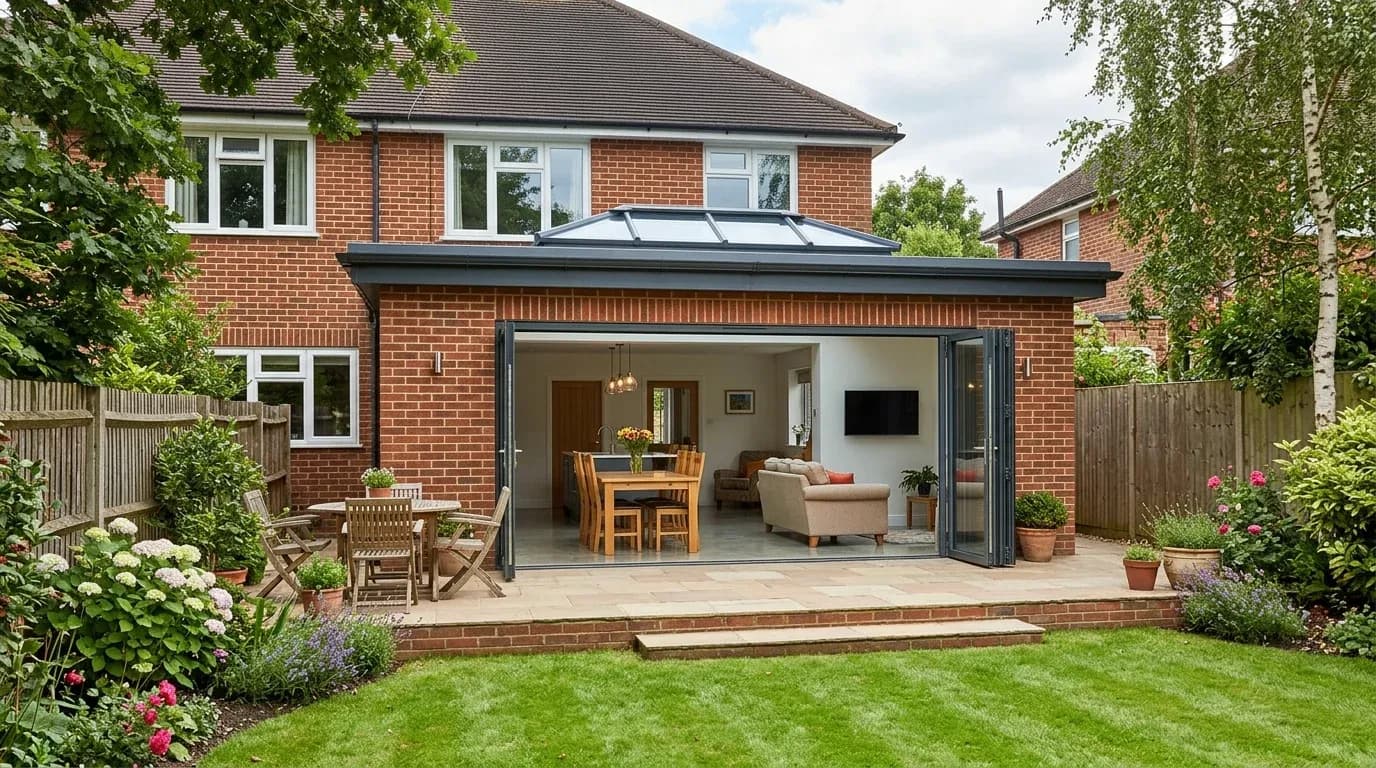
Most people picture a front porch, but rear porches (sometimes called boot rooms) have become really popular. They're practical spaces, somewhere to kick off muddy wellies, hang dog leads, and dump shopping bags before you walk into the kitchen.
A rear porch typically costs 10 to 20% more than a front porch of the same size, mainly because they tend to be larger and often need more structural work to tie into the existing building. You might also want plumbing for a utility sink, which adds £500 to £1,000.
From a planning perspective, rear porches are usually treated as single-storey extensions. That means permitted development rights still apply in most cases, but the rules are different from front porches, you'll need to check how far you can extend without planning permission.
uPVC vs brick vs oak: which is worth it?
uPVCis the budget option and it does the job. It keeps the rain off, creates a draught lobby, and gives you somewhere to leave parcels. But let's be honest, it doesn't add much character. On a modern estate home, it looks fine. On a period property, it can look a bit naff.
Brick is the sweet spot for most homes. It matches the existing brickwork, lasts forever, and adds genuine kerb appeal. A brick porch with a pitched roof and a decent front door is probably the best value-for-money home improvement you can do, it transforms the look of the house for under £10,000.
Oak frameporches look stunning on cottages, barn conversions, and traditional homes. They're the Rolls-Royce option and priced accordingly. The oak itself costs a fortune (English green oak runs £80 to £120 per cubic foot), and you'll need a specialist carpenter. But if you've got the budget and the right house, nothing else comes close.
Hidden costs to watch for
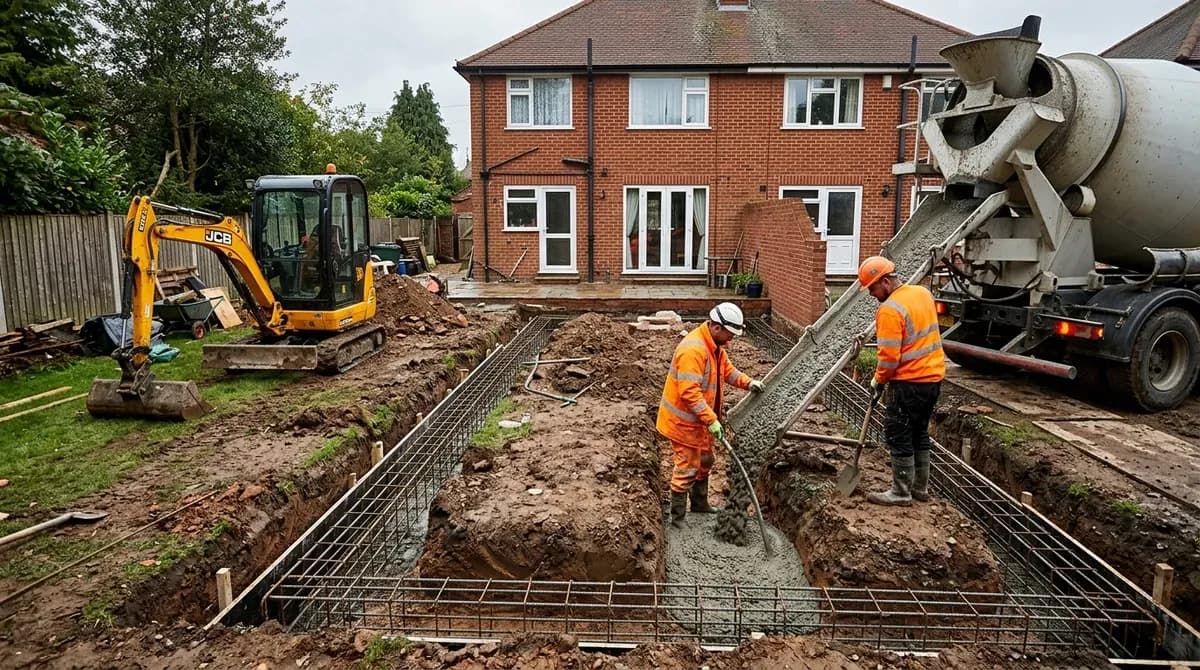
- Foundations: Any brick or stone porch needs proper footings. Budget £800-£1,500 depending on ground conditions. Clay soil or nearby trees can push this higher.
- Building regulations: Porches over 30 square metres need building regs approval (around £300-£500 in council fees). Under 30 square metres, you're usually exempt.
- Front door: A decent composite front door costs £800-£1,500 on its own. Solid oak doors start at £1,200. This is often quoted separately from the porch build.
- Electrical work: Porch lighting, an external socket, or a video doorbell will need a qualified electrician. Budget £200-£500 for basic electrics.
- Drainage: If there's a drain or manhole cover where the porch is going, it'll need relocating. This can add £500-£2,000 depending on complexity.
How to get your porch for less
- Get 3-5 quotes. Porch prices vary wildly between builders. We've seen identical jobs quoted at £4,000 and £8,000 by different firms in the same town.
- Build in spring or autumn. Builders are quieter outside the summer rush. You'll get better availability and often better prices.
- Supply your own front door. Builders mark up doors significantly. Buy direct from a door specialist and you could save £200-£400.
- Keep it under 3 square metres. This avoids planning permission for front porches and keeps the build simpler and cheaper.
- Consider a flat roof on a budget. Pitched roofs look better but cost £1,000-£2,000 more. A well-built flat roof with a proper membrane is perfectly functional.
Planning permission and building regs
Good news: most front porches don't need planning permission. Under permitted development rules, you can build a porch without applying to the council as long as it meets three conditions:
- The floor area is no more than 3 square metres (measured externally)
- It's no taller than 3 metres
- It's at least 2 metres from any boundary that faces a highway
If your property is listed or in a conservation area, you'll almost certainly need planning permission regardless of size. And flats or maisonettes don't get permitted development rights for porches, so you'll always need to apply.
Building Regulationsare separate from planning. Porches under 30 square metres with their own entrance are usually exempt, but if you're changing the existing external door (making it internal), you might need to upgrade it to meet fire safety regulations. Worth checking with your local building control office.
Frequently asked questions
Do I need planning permission for a porch?
Most front porches don't need planning permission if they're under 3 square metres of floor area, no more than 3 metres high, and at least 2 metres from any boundary facing a highway. Rear porches are usually treated as extensions and may need permission depending on size. Always check with your local council before starting work.
How long does it take to build a porch?
A uPVC lean-to porch can be fitted in 2-3 days. A brick-built front porch typically takes 1-2 weeks including foundations, brickwork, roofing, and finishing. A bespoke oak frame porch can take 2-4 weeks depending on complexity and whether the frame is pre-fabricated or built on site.
Does a porch add value to a house?
A well-built porch can add 3-5% to your property value, and it's one of the few improvements where you'll likely recoup most of what you spend. Beyond the numbers, it makes a strong first impression and gives you practical storage space for shoes, coats, and deliveries. Estate agents consistently rate front porches as a kerb appeal winner.
What is the cheapest type of porch to build?
A uPVC lean-to porch is the cheapest option, starting from around £2,000-£3,500 fully installed. These are essentially a glazed enclosure bolted onto the front of your house. They're quick to fit and don't usually need building regulations approval if under 30 square metres. For something more substantial, a simple brick porch with a flat roof starts from about £4,000-£6,000.
Planning a porch project?
Check our detailed cost guides for extensions and related projects to plan your budget properly.
Related articles
Does a Conservatory Add Value to Your Home?
ROI analysis for conservatory projects.
How to Find a Good Contractor
Practical guide to finding and vetting UK tradespeople.
Garage Roof Replacement: What It Actually Costs
Felt, EPDM, fibreglass, or tiles - what each option costs.
Do You Need Building Regulations for a Bathroom?
When you need approval and when you don't.