Do You Need Building Regulations for a Bathroom?
You're planning a bathroom renovation and someone's mentioned building regulations. Do you actually need them? The answer is: it depends on what you're doing. A simple bathroom refresh? No. Moving the toilet or rewiring? Yes. Here's exactly where the line is.

Chris Kervin
Written by Chris Kervin, Co-Founder of Less.co.uk
The short answer
You don't need building regulations for cosmetic changes or like-for-like replacements. You do need them for electrical work (Part P), structural changes, moving the soil pipe, installing an unvented hot water cylinder, or adding a bathroom where there wasn't one before.
Jobs that DON'T need building regulations
Good news first. Most standard bathroom renovations don't trigger building regulations. You can crack on with any of these without notifying anyone:
- Replacing a bath, toilet, basin, or shower tray in the same position. Swapping old for new is fine as long as waste pipes connect in the same place.
- Fitting a new shower over an existing bath. An electric shower might need Part P sign-off (see below), but the plumbing side doesn't need building regs.
- Re-tiling walls and floors. Purely cosmetic - no regulations apply.
- New bathroom furniture (vanity units, cabinets, mirrors). Again, cosmetic.
- Replacing taps, showerheads, or other fittings. Like-for-like swaps are always fine.
- Redecorating: painting, wallpapering, new flooring. No approvals needed.
- Replacing a radiator in the same position on an existing circuit. Changing a radiator for a towel rail is fine too.
Jobs that DO need building regulations
Here's where it gets more serious. These bathroom jobs require building regulations approval under the Building Regulations framework, and skipping this step can cause real problems when you come to sell.
1. Electrical work (Part P)
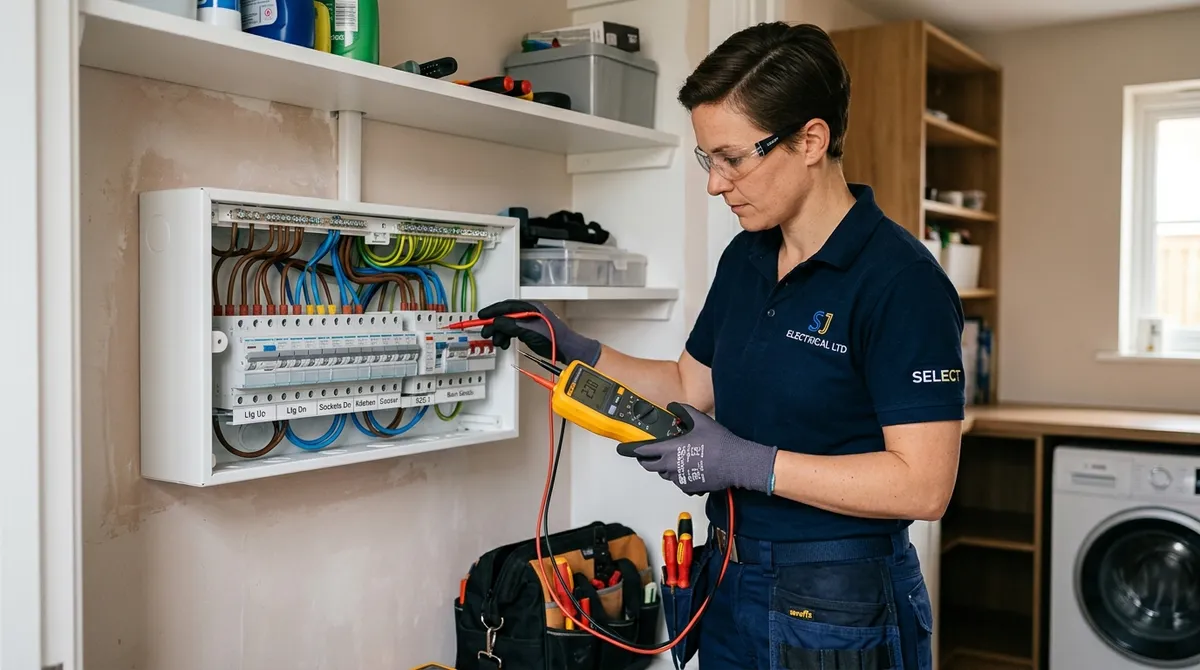
This is the one that catches most people out. Any new electrical circuit in a bathroom, or significant alterations to existing circuits, must comply with Part P of the Building Regulations. Bathrooms are classified as “special locations” because of the mix of water and electricity.
Jobs that need Part P certification:
- Installing a new electric shower (this needs its own dedicated circuit from the consumer unit)
- Adding or moving bathroom light fittings
- Installing a new extractor fan on its own circuit
- Fitting heated towel rails with a direct electrical connection (plug-in ones are fine)
- Adding shaver sockets or any new sockets
- Installing underfloor heating with electrical elements
The simplest way to handle Part P: hire a registered electrician. Electricians registered with NICEIC, NAPIT, or ELECSA can self-certify their own work and issue you a certificate. If you use someone who isn't registered, you'll need to apply to your local building control separately, which typically costs £200 to £400 and involves an inspection.
2. Moving the soil pipe or waste positions
If you're rearranging the layout, moving the toilet to a different wall, for instance, and it involves altering the connection to the soil stack (the main vertical waste pipe), this needs building regulations approval. The regulations ensure waste is properly vented and that gradients are correct so everything drains away as it should.
Moving a basin or shower tray a short distance is usually fine without building regs, as long as the waste still connects to the same stack and has adequate fall. Moving a toilet is the one that almost always needs sign-off, because toilets connect directly to the soil pipe and the tolerances for pipe gradients are tighter.
3. Structural changes
Knocking down a wall to combine two small bathrooms? Removing a wall between a bedroom and bathroom to create an en-suite? Any structural alteration needs building regulations and potentially a structural engineer's input.
Even if you think the wall is just a stud partition, get a professional to check. Some internal walls are load-bearing, and removing one without proper support can cause serious structural problems.
4. Unvented hot water cylinders
If you're switching from a vented system (with a cold water tank in the loft) to an unvented cylinder (mains pressure, no tank), the installation must comply with building regulations. Unvented cylinders operate at high pressure and temperature, so there are strict safety requirements.
The installer must hold a G3 qualification and be registered with a competent persons scheme. They'll self-certify the work and notify building control on your behalf. Don't let an unqualified plumber fit one, it's both illegal and genuinely dangerous.
5. Adding a new bathroom
Converting a bedroom, cupboard, or under-stairs space into a bathroom almost always needs building regulations approval. There are several overlapping requirements:
- Floor loading: A full bath of water weighs about 250kg. The floor may need strengthening, especially in older properties with original joists.
- Ventilation: Every bathroom needs either an openable window (with an area of at least 1/20th of the floor area) or a mechanical extractor fan. Most en-suites need a fan because they're internal rooms.
- Drainage: New connections to the soil stack need approval to ensure proper venting and fall.
- Electrical: All new electrical work in the bathroom needs Part P certification.
- Waterproofing: While not strictly a building regs requirement, proper tanking and waterproofing is expected in new bathroom installations.
How to get building regulations approval
There are two routes:
Option 1: Use registered tradespeople. This is by far the easiest. If your plumber is registered with a competent persons scheme (like APHC or CIPHE) and your electrician is NICEIC/NAPIT registered, they can self-certify their own work. You get certificates without dealing with building control at all. Most good tradespeople are registered.
Option 2: Apply to building control. If your trades aren't registered, you can apply to your council's building control department (or a private approved inspector). You can find full details on the gov.uk building regulations approvalpage. Costs are typically £200 to £500 depending on the scope of work. They'll inspect at key stages and issue a completion certificate when it's done.
The cost of getting it wrong
Skipping building regulations might save you a few hundred pounds now, but it can cost you thousands later. Here's what can happen:
- Selling your home becomes difficult. Solicitors request completion certificates as standard during conveyancing. Missing certificates can delay a sale by months or require retrospective approval.
- Retrospective approval costs more. If building control inspects work after the fact, they may require opening up walls or floors to check compliance. That's disruptive and expensive.
- Insurance issues. If uncertified electrical or plumbing work causes damage (flood, fire), your home insurance may not pay out.
- Safety risks. Building regulations exist because bathrooms combine water, electricity, and structural loads. Getting these wrong can have serious consequences.
Frequently asked questions
Do I need building regulations to replace a bathroom suite?
No, not for a straightforward like-for-like replacement. If you're swapping an old bath for a new bath in the same position, replacing a toilet, or fitting a new basin, building regulations don't apply. The same goes for re-tiling, new flooring, or redecorating. It only becomes a building regs matter if you're moving waste pipes, doing electrical work, or making structural changes.
Do I need Part P certification for bathroom electrics?
Yes, any new electrical circuits or significant alterations to existing circuits in a bathroom must comply with Part P of the Building Regulations. This includes fitting a new shower circuit, installing a bathroom extractor fan on a new circuit, or adding new lighting. A Part P registered electrician can self-certify the work, which is the simplest route. If you use a non-registered electrician, you'll need to apply for building control approval separately, which costs £200-£400.
Do I need building regs for an unvented hot water cylinder?
Yes. Installing or replacing an unvented hot water cylinder (the pressurised type without a header tank in the loft) is notifiable work under building regulations. The installer must be qualified to G3 standard and registered with a competent persons scheme. This is a safety requirement - unvented cylinders operate under mains pressure and can be dangerous if installed incorrectly.
What happens if I don't get building regulations approval?
If you carry out notifiable work without approval, it can cause problems when you sell your home. Solicitors check for building regulations completion certificates during conveyancing. Missing certificates can delay or derail a sale. Your local authority can also require you to undo the work or bring it up to standard, and in theory they can prosecute - though this is rare. It's always cheaper and easier to get it right first time.
Do I need building regs to convert a bedroom into a bathroom?
Yes. Converting a bedroom to a bathroom involves structural considerations (floor loading for a bath), new waste pipes connected to the soil stack, electrical work, and ventilation requirements. You'll need building regulations approval for all of these. The floor may need strengthening to support a full bath of water (which weighs around 250kg), and you'll need adequate ventilation - either an openable window or a mechanical extractor fan.
Planning a bathroom renovation?
Check our detailed cost guides to budget your project properly, from basic refreshes to full redesigns. Use the calculator for a quick estimate.
Related articles
Building Regs for Internal Works
The full guide to building regulations for walls, floors, and internal alterations.
Bathroom Renovation Cost Breakdown
Where the money goes on a typical UK bathroom refit.
How to Find a Good Contractor
Practical guide to finding and vetting UK tradespeople.
Is Underfloor Heating Worth the Money?
Electric vs wet systems, costs, and the honest verdict.