How to Save Money on a New Kitchen (Without It Looking Cheap)
A new kitchen doesn't have to cost five figures. With some smart decisions about where to buy, what to keep, and when to book, you can get a kitchen that looks and works brilliantly for half what the showrooms will quote you. Here's how.

Chris Kervin
Written by Chris Kervin, Co-Founder of Less.co.uk
The short answer
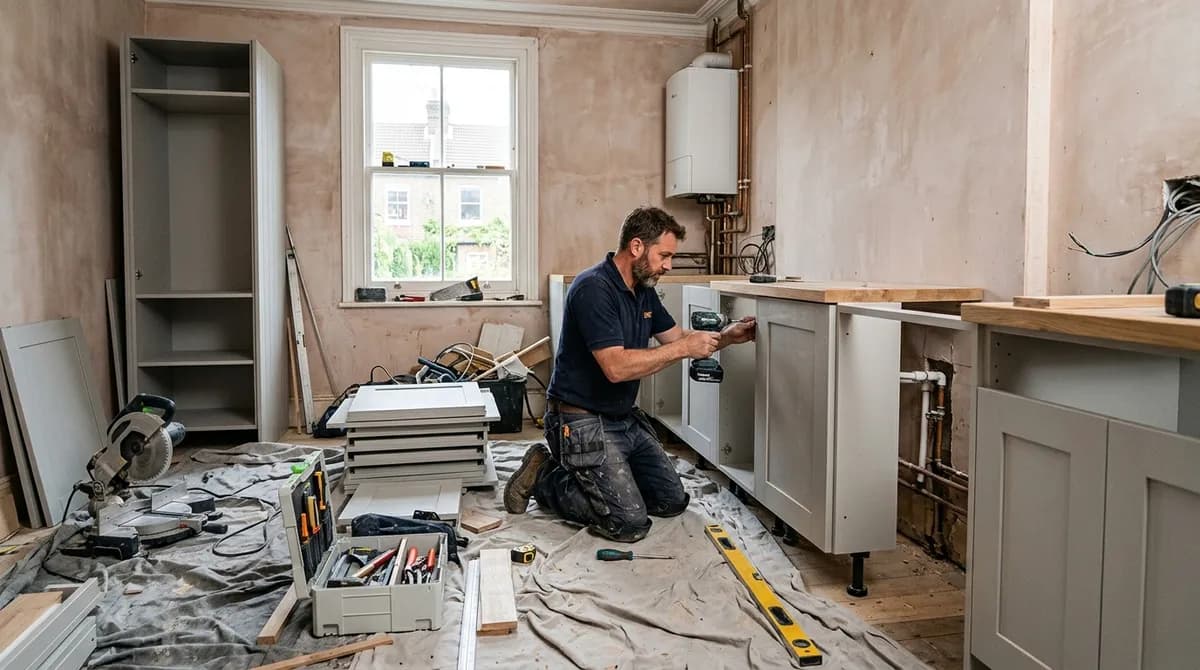
A mid-range kitchen can cost around £5,000 if you make smart choices, compared to £12,000 or more going through a showroom. The biggest savings come from buying flat-pack or trade units, keeping your existing layout, and hiring an independent fitter rather than a big company. None of these compromises involve quality. They just cut out the middlemen and the unnecessary extras.
The real numbers
Before we get into the tips, here's what a typical kitchen renovation actually costs. This is for a standard-sized kitchen in a 3-bed semi, not a grand design.
| Approach | Typical cost | What you get |
|---|---|---|
| Kitchen showroom (full service) | £10,000 - £15,000+ | Design, supply, project management, installation |
| Howdens via independent fitter | £5,000 - £8,000 | Trade-quality units, professional fitting |
| IKEA flat-pack + independent fitter | £3,500 - £6,000 | Good quality units, you choose the fitter |
| Door and worktop replacement only | £1,000 - £2,500 | Fresh look without replacing the carcasses |
The difference between the most expensive and cheapest options is enormous. And the end result, in terms of how the kitchen looks and works every day, can be remarkably similar. See our full kitchen cost guide for a detailed breakdown.
1. Buy flat-pack units and hire your own fitter
This is the single biggest saving you can make. Kitchen showrooms charge a hefty premium for the design service, showroom overheads, and project management. The units themselves are often no better than what you can buy from IKEA, Wickes, or B&Q.
IKEA's METOD range is genuinely solid. The carcasses are made from the same materials as most mid-range kitchens, and their soft-close hinges and drawer runners are perfectly good quality. Which? rates IKEA kitchens highly for value. Buy the units, then find an independent kitchen fitter to install them.
An experienced fitter will charge around £1,500-£2,500 for a standard kitchen installation (roughly a week's work). That's a lot less than the £3,000-£5,000 installation fee that showrooms typically add on top.
Saving: 30-50% compared to a showroom.
2. Keep your existing layout
This is where the costs really explode, and most people don't see it coming. Moving the sink means moving the plumbing. Moving the cooker means moving the gas supply. Moving both means ripping up the floor, re-routing pipes, and potentially moving the boiler outlet.
Keeping everything where it is means your fitter is just taking out old units and putting in new ones. The plumbing stays. The gas stays. The electrics stay. The floor stays. That alone can save £1,000-£3,000 on a kitchen renovation.
If your current layout works reasonably well, keep it. A new kitchen in the same configuration will still feel like a completely different room.
3. Replace doors, not the whole kitchen
This one surprises people. Kitchen carcasses (the boxes behind the doors) are usually made from chipboard or MDF, and they last much longer than the doors and worktops. If your carcasses are still square, solid, and dry, you can transform your kitchen by just replacing the doors, drawer fronts, and handles.
Companies like Kitchen Door Workshop and Dream Doors specialise in this. New doors, handles, and a fresh worktop can cost £1,000-£2,500 fitted, and the kitchen will look brand new.
Open one of your cupboard doors and look at the carcass. If it's not warped, swollen, or falling apart, it doesn't need replacing.
4. Choose laminate worktops
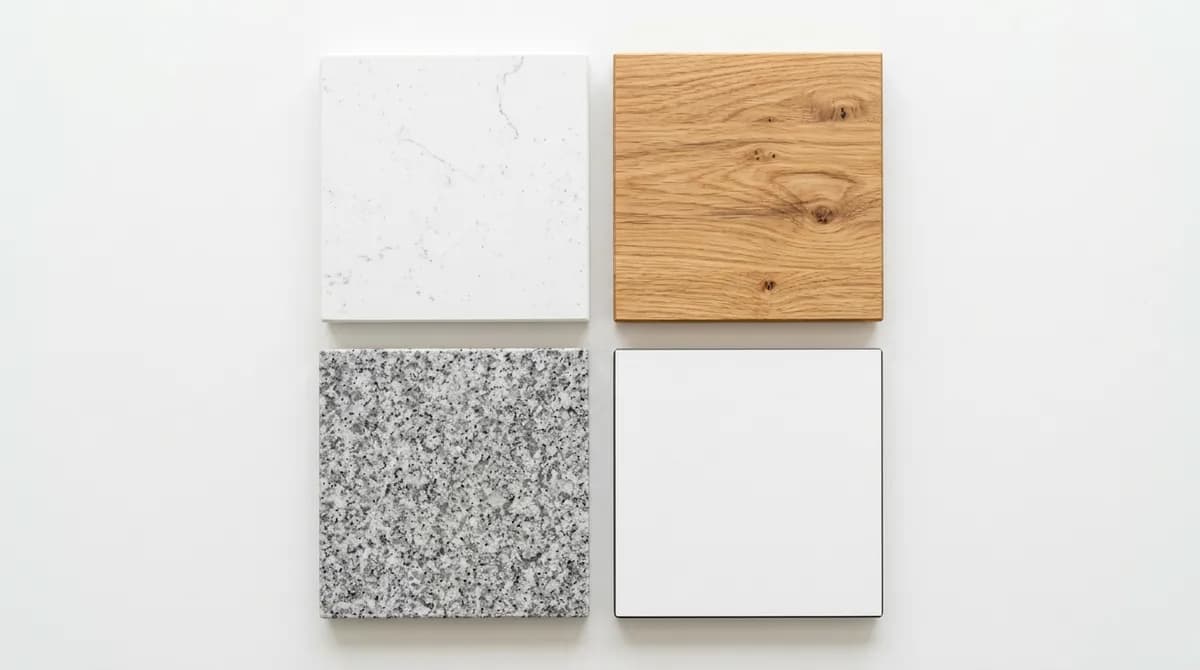
Quartz worktops look beautiful. Nobody is arguing with that. But they cost £2,000-£4,000 installed for a typical kitchen. Laminate worktops cost £300-£600. That's a huge difference for a surface you're going to put a kettle, a toaster, and a pile of post on.
Modern laminate has come a long way. The finish is realistic, it's available in dozens of styles (including very convincing stone and wood effects), and it lasts 15-20 years with normal use. Quartz is undeniably nicer, but unless the kitchen is going on the market, laminate does the job at a fifth of the price.
5. Buy appliances in the sales
Kitchen appliances have predictable sale patterns. Black Friday (November) and Boxing Day sales reliably knock 20-40% off ovens, hobs, dishwashers, and fridge-freezers. If you're planning a kitchen renovation for early in the year, buying your appliances in the November or December sales can save £500-£1,000 easily.
AO.com, Currys, and John Lewis all run significant appliance sales. Set up price alerts on the models you want a few months before your renovation, and buy when the price drops. Store them in a garage or spare room until the fitter is ready for them.
6. Skip the island
Kitchen islands look great in showrooms and on Instagram. In a typical UK kitchen, though, most rooms are simply not big enough. Kitchen designers recommend a minimum of 1,200mm clearance around an island for it to work practically. Most terraced and semi-detached kitchens don't have that space.
Even if your kitchen is large enough, an island adds £1,500-£4,000 to the project. Unless you genuinely need the extra prep space and storage, that money is better spent on higher-quality units or better appliances for the rest of the kitchen.
Estimate your kitchen renovation cost
Use our kitchen calculator to get a quick estimate based on your room size, unit choice, and worktop material.
7. Do your own demolition, painting, and tiling
You don't need to be a tradesperson to rip out an old kitchen. It's hard work, not skilled work. Clear out the cupboards, disconnect the appliances (get a Gas Safe engineer to disconnect the cooker if it's gas), and start unscrewing units from the walls. Hire a skip for a weekend and do it yourself before the fitter arrives.
Painting the walls is another easy win. Your fitter will charge you for painting time, and honestly, it's just painting. Same with tiling a splashback. YouTube has dozens of excellent tutorials, the materials are cheap, and if you make a mess of a tile, you peel it off and try again.
Saving: £300-£800 in labour costs by doing the easy bits yourself.
8. Time it for January or February
Kitchen fitters, like most tradespeople, are busiest from spring through to autumn. January and February are typically their quietest months. You are more likely to get competitive quotes, faster start dates, and more flexible scheduling during the winter.
There's also a handy overlap with the January sales on kitchens themselves. IKEA, Wickes, B&Q, and most of the kitchen showrooms run new year promotions. If you can plan ahead and order in January, you can save on both the units and the fitting.
9. Get quotes from sole traders, not big companies
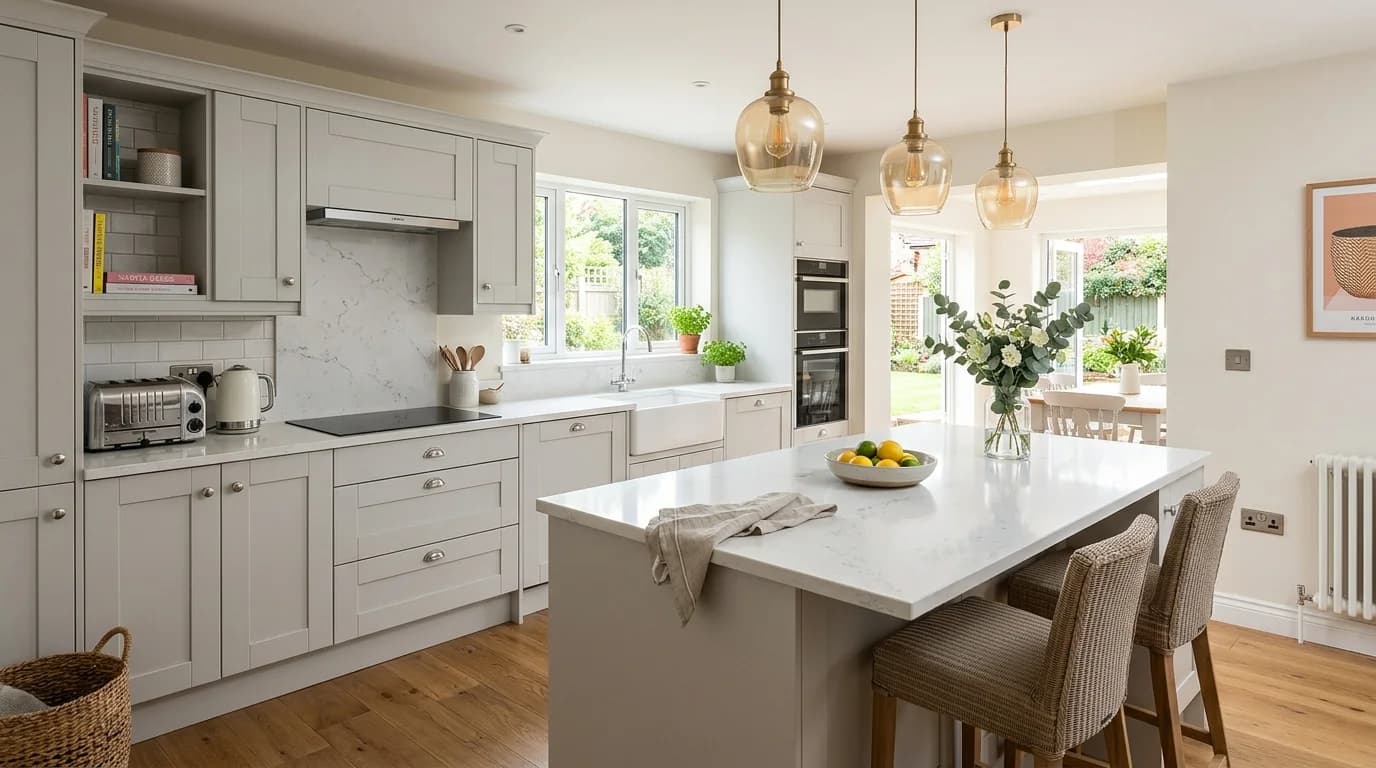
A sole trader kitchen fitter working out of a van has much lower overheads than a company with a showroom, office staff, and a fleet of vehicles. Those overheads get passed on to you in the quote.
That doesn't mean sole traders are less skilled. Many of the best kitchen fitters in the UK are one-person operations. They do the work themselves, they take pride in it, and they rely on word-of-mouth recommendations. You can find vetted kitchen fitters through the Federation of Master Builders. Get at least three quotes, check references, and look at photos of recent work. Our guide on finding a good contractor covers what to look for.
10. Consider Howdens trade units
Howdens is the UK's largest kitchen supplier, and they only sell to the trade. You cannot walk into a Howdens depot and buy units as a member of the public. But your kitchen fitter almost certainly has a trade account there.
The advantage of Howdens is that you get trade pricing without the showroom markup. The quality sits comfortably in the mid-range: better than most flat-pack, and considerably cheaper than the big-name showroom brands. Many independent fitters prefer Howdens because they know the range, the sizing is consistent, and the local depot holds stock.
Ask your fitter to take you to their local Howdens depot so you can see the doors and finishes in person. They are usually happy to do this because it makes the specification easier for everyone.
11. The one thing not to cheap out on
Hinges, drawer runners, and soft-close mechanisms. These are the parts of a kitchen you touch every single day, multiple times a day. Cheap hinges feel flimsy, misalign within a year, and make the whole kitchen feel low-quality. Good soft-close hinges (Blum is the gold standard) cost a few pounds more per door but make a noticeable difference to how the kitchen feels.
If you're buying flat-pack, check what hinges and runners are included. IKEA uses decent hardware as standard. Some of the budget ranges from other suppliers cut corners here.
Putting it all together: a real example
Here's what a smart kitchen renovation actually looks like in practice, for a typical 3-bed semi with a 10-12m² kitchen:
| Item | Smart approach | Showroom approach |
|---|---|---|
| Units (supply) | £1,500 (IKEA/Howdens) | £3,500 - £5,000 |
| Worktop | £400 (laminate) | £2,500 (quartz) |
| Appliances | £800 (sales) | £1,200 (showroom bundle) |
| Fitting | £1,800 (independent) | £3,000 (showroom installer) |
| Tiling, painting, demo | £200 (DIY materials) | £800 (included in quote) |
| Total | £4,700 | £11,000 - £12,500 |
That's the same kitchen. Same number of units, same layout, same size room. The difference is where you buy the units, who installs them, and whether you do the easy bits yourself.
What to watch out for
A few things to keep in mind so the budget approach doesn't backfire:
- Always use a Gas Safe registered engineer for anything involving the gas cooker or boiler. This is non-negotiable and legally required. Check your engineer at gassaferegister.co.uk.
- Electrical work in the kitchen (new sockets, moving the consumer unit) needs to comply with Part P of the Building Regulations. Your fitter should be able to arrange this, but check.
- Measure twice, order once. Flat-pack kitchens are not easy to return, and wrong measurements mean wasted money.
- Don't forget the extras that add up: handles, plinths, cornice, end panels, filler pieces, and lighting. Budget an extra £200-£400 for these.
- If you're keeping the existing layout but the worktop is a different depth, you may need to adjust tiling or flooring at the edges.
The bottom line
You do not need to spend £10,000+ to get a kitchen you love. The showroom experience is nice, but you are paying thousands of pounds for someone to hold your hand through decisions you can make yourself. Buy the units from IKEA or through your fitter's Howdens account, keep the layout where it is, choose laminate over quartz, do your own painting and demolition, and time the whole thing for January.
A £5,000 kitchen done smartly will look and work just as well as a £12,000 showroom kitchen ten years from now. The doors will still open. The drawers will still close softly. And you'll have £7,000 in the bank.
Frequently asked questions
What is the cheapest way to get a new kitchen in the UK?
The cheapest way is to buy flat-pack units from IKEA or a similar retailer and hire an independent kitchen fitter to install them. This typically costs £3,000-£5,000 for a full kitchen including fitting, compared to £8,000-£15,000 through a kitchen showroom. Keep your existing layout to avoid expensive plumbing and gas work.
Is it cheaper to replace kitchen doors or get a whole new kitchen?
Replacing just the doors and worktop is significantly cheaper. New doors, handles, and a worktop typically cost £1,000-£2,500 fitted, compared to £5,000-£15,000 for a completely new kitchen. This only works if your existing carcasses (the boxes behind the doors) are still structurally sound, which they usually are even after 15-20 years.
How much does a mid-range kitchen cost in the UK?
A mid-range kitchen renovation in the UK typically costs between £5,000 and £12,000 depending on the size of the room, your choice of units, worktops, and appliances, and whether you change the layout. Going through a showroom with project management pushes this towards the higher end. Buying units yourself and hiring a fitter brings it closer to the lower end.
When is the best time of year to get a new kitchen fitted?
January and February are typically the quietest months for kitchen fitters, so you may find better availability and more competitive quotes. Many kitchen retailers also run January sales, so you can save on the units and the labour if you time it right.
Are Howdens kitchens good value?
Howdens offer solid mid-range quality at trade prices, but you cannot buy from them directly. Your kitchen fitter needs a trade account. The units are well-made, the range is extensive, and because they are trade-only, you avoid the showroom markup. Many independent fitters use Howdens as their go-to supplier, which keeps costs competitive.
Find out exactly what your kitchen will cost
Our kitchen cost guide has detailed UK prices for every element, from units and worktops to fitting and appliances.
Related articles
Kitchen Cost Guide 2026
Full UK pricing for every type of kitchen renovation.
Best Price New Kitchen
Where to find the best deals on kitchen units and worktops.
How to Choose a Builder
10 things to check before hiring any tradesperson.
Worktop Cost Guide
Laminate vs quartz vs granite vs solid surface, compared.