How Much Does a Structural Survey Cost in 2026?
A structural engineer survey cost is £300 to £800. The full structural survey cost (RICS Level 3) is £650 to £1,150. A basic condition report starts from about £300. A structural survey for subsidence costs £500 to £1,000. Here is what each type covers and when you need it.
£300 to £800
Engineer report
£650 to £1,150
Level 3 survey
£450 to £750
Level 2 survey
£300 to £500
Condition report
Last updated . Level 2 and Level 3 prices come from the price lists that surveying firms publish, checked in November 2026. Only one firm we found publishes a Level 1 price, so that figure leans on price guides. Only a handful of structural engineers publish fixed fees, so the engineer prices rest on a small number of firms and price guides. Use them as a guide. How we work out our prices.
To cite this page: Less.co.uk, “Structural Survey Cost UK 2026”, updated 23 November 2026, https://less.co.uk/home-improvements/structural-survey/cost. You're welcome to quote these figures with a link to this page.
Structural Survey Cost and Engineer Report Prices
How much does a full structural survey cost? Prices vary by property size, location, and the complexity of what is being assessed. Use a chartered surveyor registered with RICS for the best consumer protection. These are typical UK structural survey costs for 2026.
Structural engineer report (standard)
Typical domestic property, specific concern
£500
£350 to £650
Structural engineer report (complex)
Whole house or multiple issues
£800
£600 to £1,200
Structural engineer + drawings
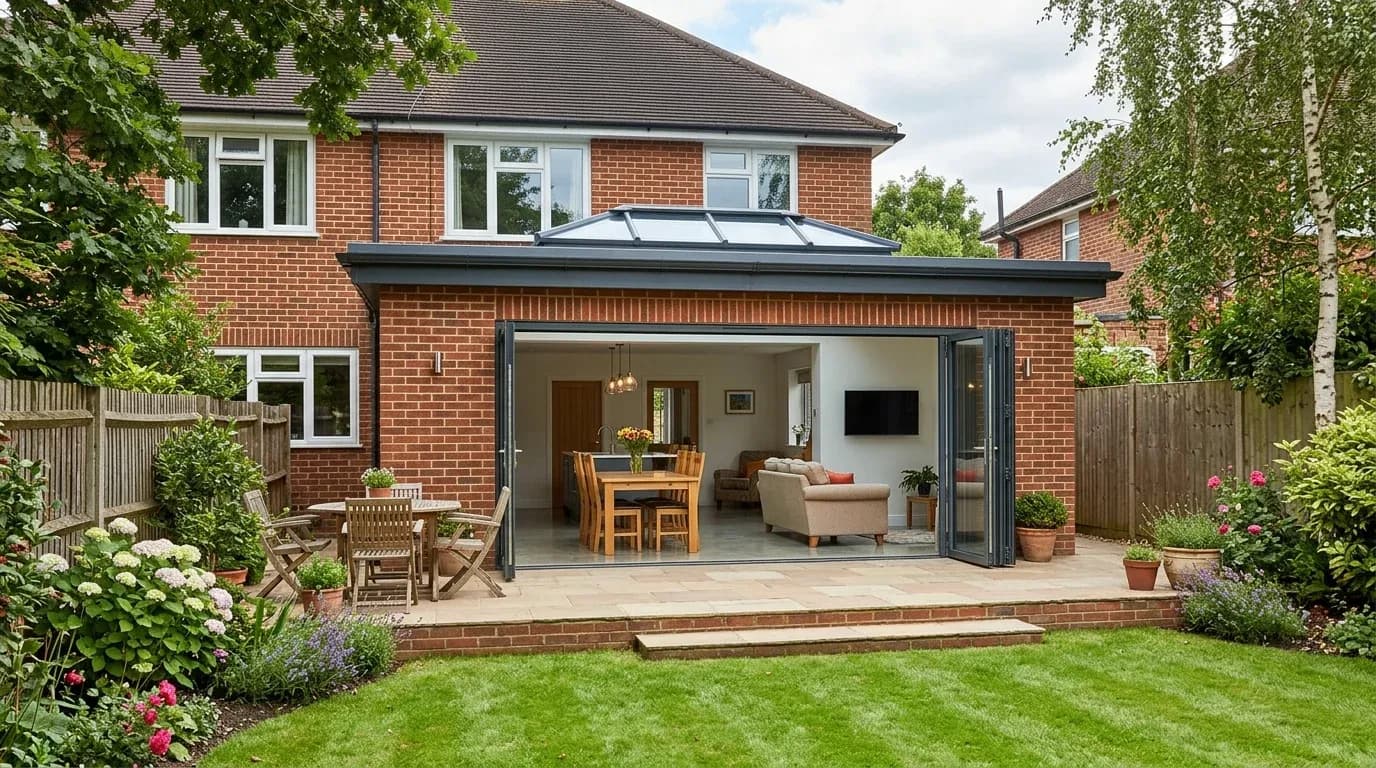
Calculations and drawings for one beam or chimney breast; bigger jobs cost more
£500
£350 to £700
Subsidence investigation
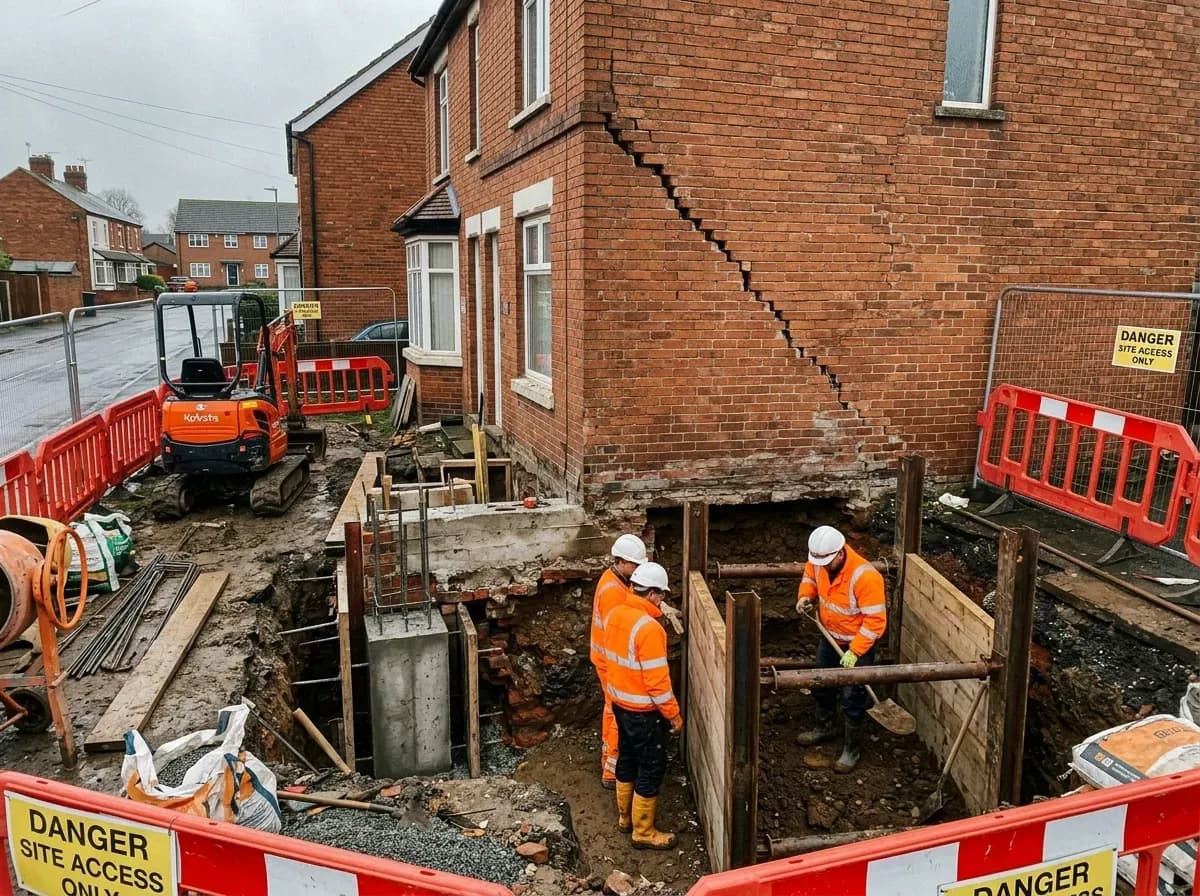
Full assessment of ground movement and cause
£750
£500 to £1,000
Party Wall surveyor
Per neighbour, with VAT, if consent not given. One agreed surveyor; about £2,900 with two
£1,400
£1,200 to £1,500
RICS Level 2 homebuyer survey
Standard condition report, valuation optional
£500
£450 to £750
RICS Level 3 building survey (full structural survey)
Full structural survey, detailed report
£1,000
£650 to £1,150
Condition report (Level 1)
Basic traffic-light condition rating
£400
£300 to £500
Survey cost by home value
Survey fees rise with the value of the home. These are typical fees from surveying firms' own price lists, outside London. London firms charge more. Ask whether a Level 2 price includes a valuation, as it is optional. For seven value bands, London prices and Scotland's Home Report, see our house survey cost guide.
| Home value | Level 2 | Level 3 |
|---|---|---|
| Up to £250,000 | about £450 | about £850 |
| £250,000 to £500,000 | about £500 | about £950 |
| £500,000 to £1 million | about £700 | about £1,150 |
In London, expect roughly 40% more. In Scotland, the seller has to provide and pay for a Home Report, which includes a single survey and a valuation.
Get Free Structural Survey Quotes
Tell us about the job and local surveyors and structural engineers will get in touch with prices. Free, with no obligation to book. Check RICS or IStructE membership before you agree to anything.
Your details go to our quote partner, Leads.work, who pass them to a few local firms that cover your area. They'll contact you about the job, which may include a phone call. It's free for you, and we're paid a referral fee. How your details are used
Additional Surveys You Might Need
| Survey | Typical Cost |
|---|---|
| Drain survey (CCTV) | £150 to £400 |
| Damp and timber report | £250 to £750 |
| Asbestos survey | £150 to £500 |
| Energy Performance Certificate (EPC) | £60 to £120 |
| Lender's mortgage valuation | Often free |
| Independent RICS valuation | £250 to £450 |
Structural Engineer Survey Cost by Region
Structural survey cost UK varies by region. If your project requires structural alterations, you will also need Building Regulations approval. For work affecting a shared wall, see gov.uk's Party Wall guidance. Prices shown are for a standard structural engineer's report on a typical domestic property.
- Dearest
- £590London, 17% above the UK average
- Cheapest
- £450the North East and Yorkshire, 11% below the UK average
- The gap
- £140more in London than in the North East and Yorkshire. The South East is next dearest, at £540.
| Region | Average Cost | vs National |
|---|---|---|
| London | £590 | +17% |
| South East | £540 | +7% |
| East of England | £530 | +5% |
| North West | £510 | +2% |
| Scotland | £500 | UK average |
| Midlands | £500 | -1% |
| South West | £490 | -3% |
| Wales | £470 | -7% |
| North East | £450 | -11% |
| Yorkshire | £450 | -11% |
Regional prices use the BCIS location factors published by the Department for Education (December 2025), with the Valuation Office Agency's figure for Wales. There's no current official figure for Scotland, so we show the UK price there. How we work out regional prices.
How to Get Your Survey for Less
Get at least three quotes
Get at least three quotes and compare them line by line. Prices for the same job often vary by 20 to 40% between firms. Check each one covers the same survey level, turnaround time and VAT, and confirm RICS or IStructE membership and professional indemnity cover yourself.
Use your surveyor's findings to negotiate
A Level 3 survey that flags £10,000 of repairs gives you solid grounds to renegotiate the purchase price. Most sellers expect it. The £1,000 you spend on the survey could save you ten times that on the purchase. If the seller refuses to budge, you can walk away before exchanging, which is exactly what a survey is for.
Choose the right level of survey for the property
A Level 1 condition report (£300 to £500) is fine for a modern, well-maintained flat. A Level 2 homebuyer survey (£450 to £750) suits standard properties in reasonable condition. A Level 3 building survey (£650 to £1,150) is right for older properties, anything with visible issues, or anything you plan to renovate. Picking the wrong level means either overpaying or missing problems.
Try to agree on Party Wall matters without a surveyor
A simple letter to your neighbours explaining the planned work, along with a friendly conversation, often results in written consent, which means no Party Wall surveyor is needed. This saves around £1,200 to £1,500 per neighbour. Only if your neighbour does not respond within 14 days, or actively objects, do you need to appoint surveyors.
Get the structural engineer and surveyor to work together
If your RICS surveyor flags structural concerns, ask them to recommend a structural engineer. Some firms offer both services, which can reduce costs. If you already know you need a structural engineer (for example, to spec a beam for a wall removal), you may not need a full Level 3 survey as well, the engineer's report covers the structural element.
A sole-trader surveyor can save you the 20% VAT
Many independent surveyors and structural engineers trade as sole traders below the £90,000 VAT-registration threshold, so they do not add 20% VAT to their fee. On a £500 report that is roughly £100 saved for the same RICS or IStructE qualification and the same professional indemnity cover. Always check whether a quote is stated with or without VAT, so you are comparing fees like for like.
Check whether your Level 2 survey includes a valuation
Many Level 2 surveys include a market valuation and reinstatement figure, but the valuation is optional, so check before you book. If yours includes one, there is no need to commission a separate valuation on top, which would set you back about £250 to £450. Your mortgage lender will still run its own valuation for the loan, but that is a different report and usually nothing to do with the survey you commission.
Comparing quotes is the simplest way to pay less
Getting three or four quotes and comparing them is how most homeowners avoid overpaying. It takes a couple of minutes, with no obligation.
Get my free quotesWhat to Expect: The Structural Survey Process
A Level 3 building survey typically takes half a day on site, and the report usually follows within one to two weeks. Here is how the process works.
- 1
Booking and access
You book the surveyor and arrange access to the property. For a purchase survey, the estate agent coordinates with the seller. The surveyor confirms the date, expected duration, and any specific concerns you want investigated.
- 2
External inspection
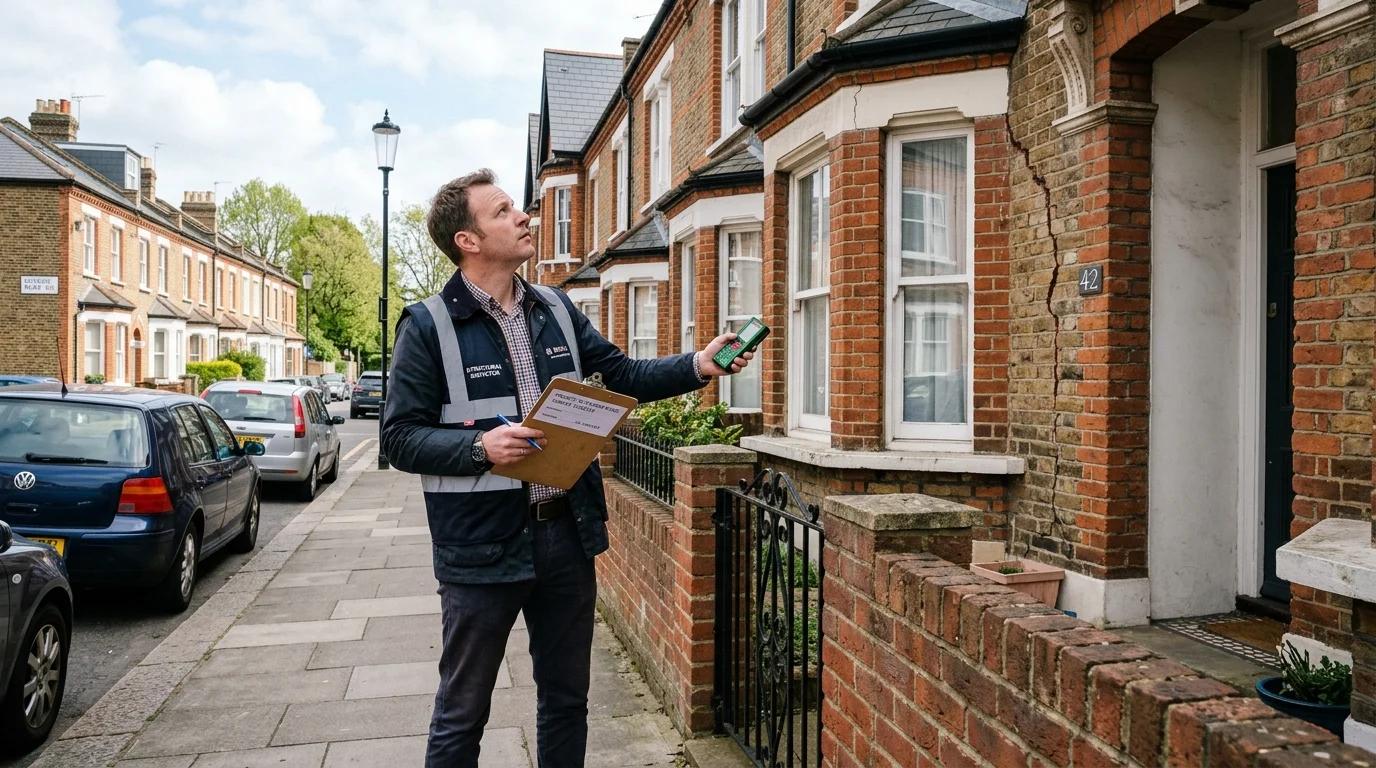
The surveyor inspects the outside of the property: roof condition (from ground level), chimney stacks, guttering, external walls, windows, doors, drains, and grounds. They note any signs of movement, damp, or deterioration.
- 3
Internal inspection
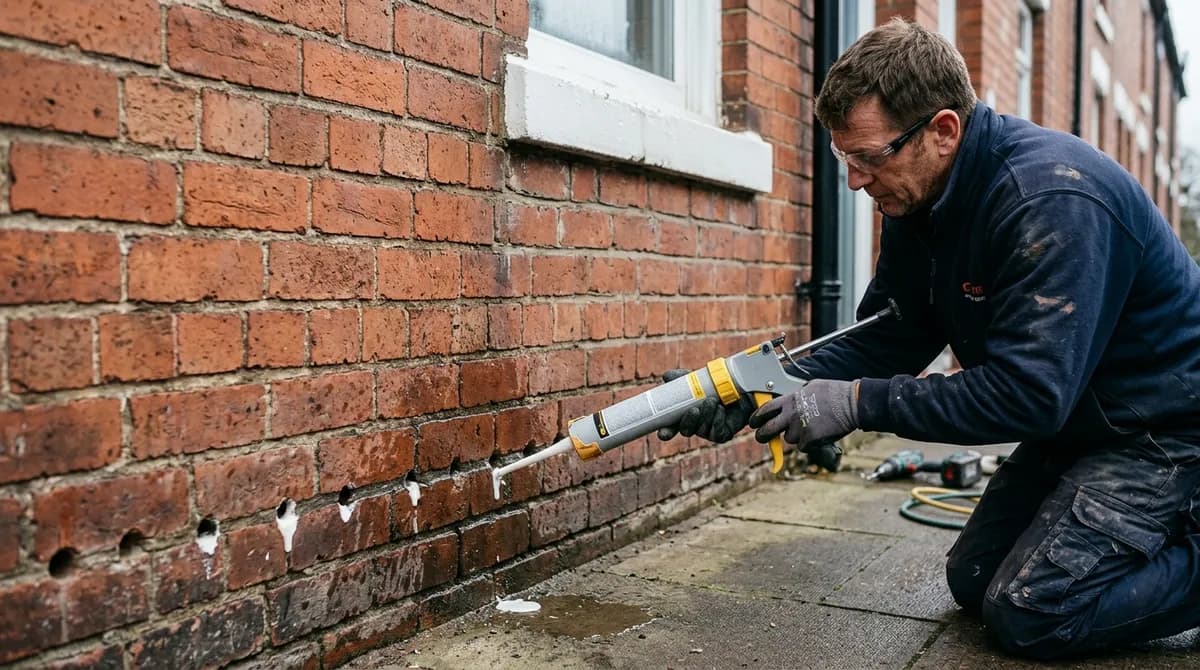
Every accessible room is inspected, including the loft space. The surveyor checks walls for cracks, floors for movement, ceilings for staining, plumbing and electrics for visible issues, and damp readings in key locations. They will test windows, doors, and fittings.
- 4
Report preparation
The surveyor returns to their office and writes a detailed report. A Level 3 building survey includes descriptions of every element, condition ratings, photographs, and recommendations for repairs. This usually takes 5 to 10 working days, so ask your surveyor when booking.
- 5
Report delivery and follow-up
You receive the report by email or post. A good surveyor will offer a phone call or meeting to talk you through the findings, explain the severity of any issues, and help you decide whether to proceed, renegotiate, or walk away.
Frequently Asked Questions
How much does a structural engineer's report cost?
A structural engineer's visit and report on one concern, such as a crack, costs about £350 to £650. A whole-house report, or one covering several issues, costs £600 to £1,200. Calculations and drawings for one beam or a chimney breast cost about £350 to £700, and bigger jobs like extensions and lofts cost more. Only a handful of engineers publish fixed fees, so ask whether the price includes VAT, the site visit and drawings Building Control will accept.
What is the difference between a survey and a structural engineer's report?
A RICS homebuyer survey (Level 2) or building survey (Level 3) is carried out by a chartered surveyor and covers the overall condition of the property. A structural engineer's report is more specialised, it focuses on specific structural concerns such as cracks, subsidence, load-bearing walls, or the feasibility of structural alterations. You might need both: a survey to assess the whole property, and an engineer for specific structural issues.
When do I need a structural survey?
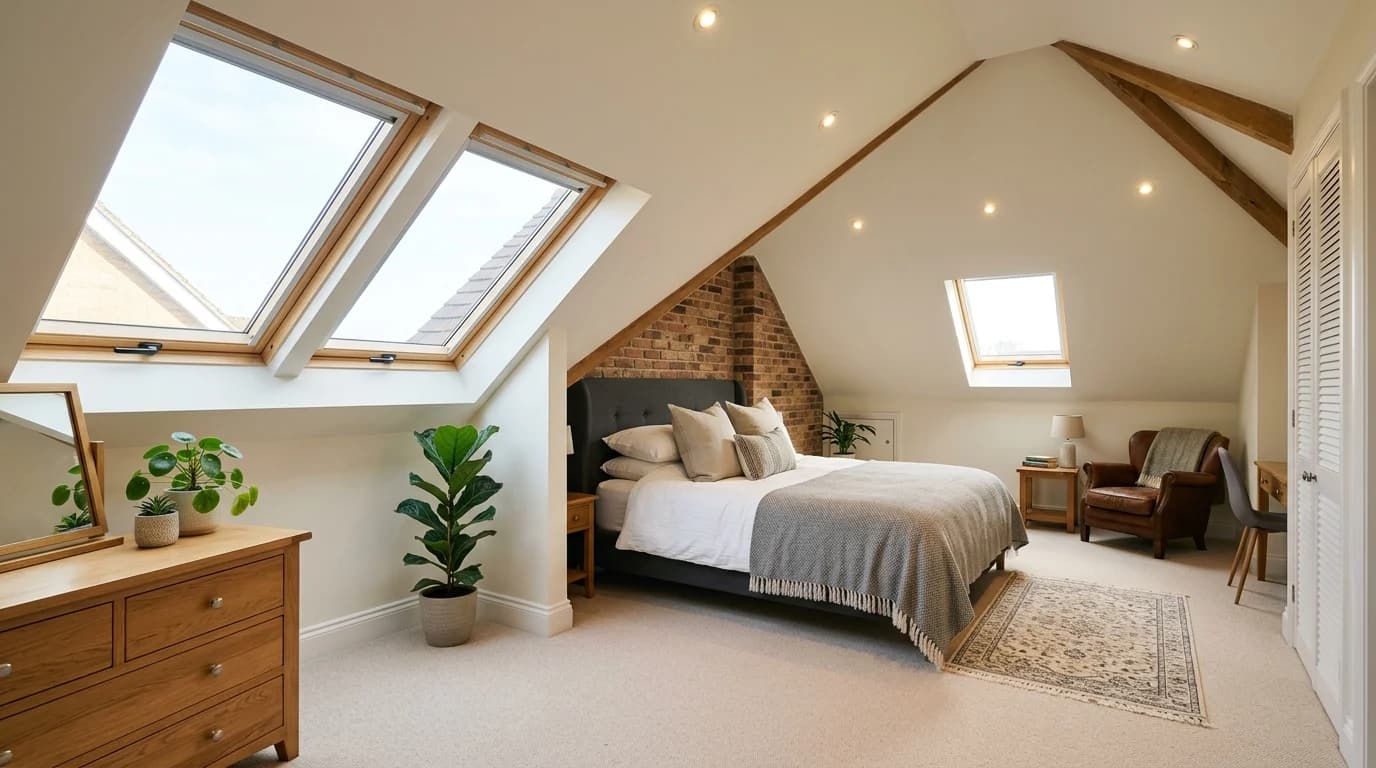
You need a structural engineer if: you have cracks wider than 3mm in walls or ceilings, you want to remove a load-bearing wall, you are planning an extension or loft conversion, you suspect subsidence, you are buying a property with visible structural movement, or your mortgage lender requires one. For general house purchases, a RICS Level 2 or Level 3 survey from a chartered surveyor is the standard starting point.
Is a Level 3 building survey worth it?
For older properties (pre-1930s), listed buildings, properties with visible defects, or anything you plan to renovate, a Level 3 survey is almost always worth it. It costs £650 to £1,150, more for homes over £500,000, but can save you thousands by identifying hidden problems before you buy. The surveyor inspects the property thoroughly and provides a detailed report on every element. For newer, standard properties in good condition, a Level 2 homebuyer survey is usually sufficient.
Do I need a Party Wall surveyor?
If you are doing work that affects a shared wall, boundary wall, or digging within 3 metres of a neighbour's building and deeper than its foundations, or within 6 metres where a 45-degree line down from their foundations is crossed, the Party Wall etc. Act 1996 requires you to serve notice on your neighbours. If they do not consent in writing, you need a Party Wall surveyor. One agreed surveyor usually charges about £800 to £1,500 + VAT per neighbour. If each side appoints its own, you pay both, so expect roughly double. It is always worth trying to get written consent first.
Free, with no obligation to book.
Written by Chris Kervin, Co-Founder of Less.co.uk
Last updated: · Pricing based on published fee tables and UK price guides · Methodology