How Much Does Underpinning Cost in 2026?
The cost of underpinning a house is £1,000 to £3,000 per metre of wall. A typical underpinning job costs £5,000 to £15,000. For extensive subsidence, expect £20,000 to £50,000. Resin injection underpinning cost is lower at £800 to £1,500 per point. Insurance often covers most of the cost. Here is the full breakdown.
£1,000
Per metre from
£5,000 to £15,000
Typical job
Often covered
Insurance
2 to 6 weeks
Typical duration
Prices updated April 2026 · Based on industry data and contractor submissions.
Structural work. Underpinning must be designed by a structural engineer and carried out by an experienced specialist contractor. Building Regulations approval is required. Always contact your buildings insurer before commissioning any work.
Underpinning Foundation Cost by Method
Mass concrete underpinning
Traditional method, per linear metre of wall
£1,500/m
£1,000 to £2,000/m
Mini-piling underpinning
Driven or drilled piles, per linear metre
£2,500/m
£1,500 to £3,000/m
Resin injection
Expanding resin stabilisation, per injection point
£1,200
£800 to £1,500
Beam and base
Reinforced beam across pile heads, per metre
£2,000/m
£1,500 to £2,500/m
Get Free Underpinning Quotes
Compare prices from trusted local underpinning specialists near you. Fill in a few details and receive up to 4 free, no-obligation quotes.
Types of Underpinning
There are four main methods used in the UK. The right choice depends on your ground conditions, the depth to stable soil, site access, and budget. Your structural engineer will recommend the most suitable approach.
Mass concrete (traditional)
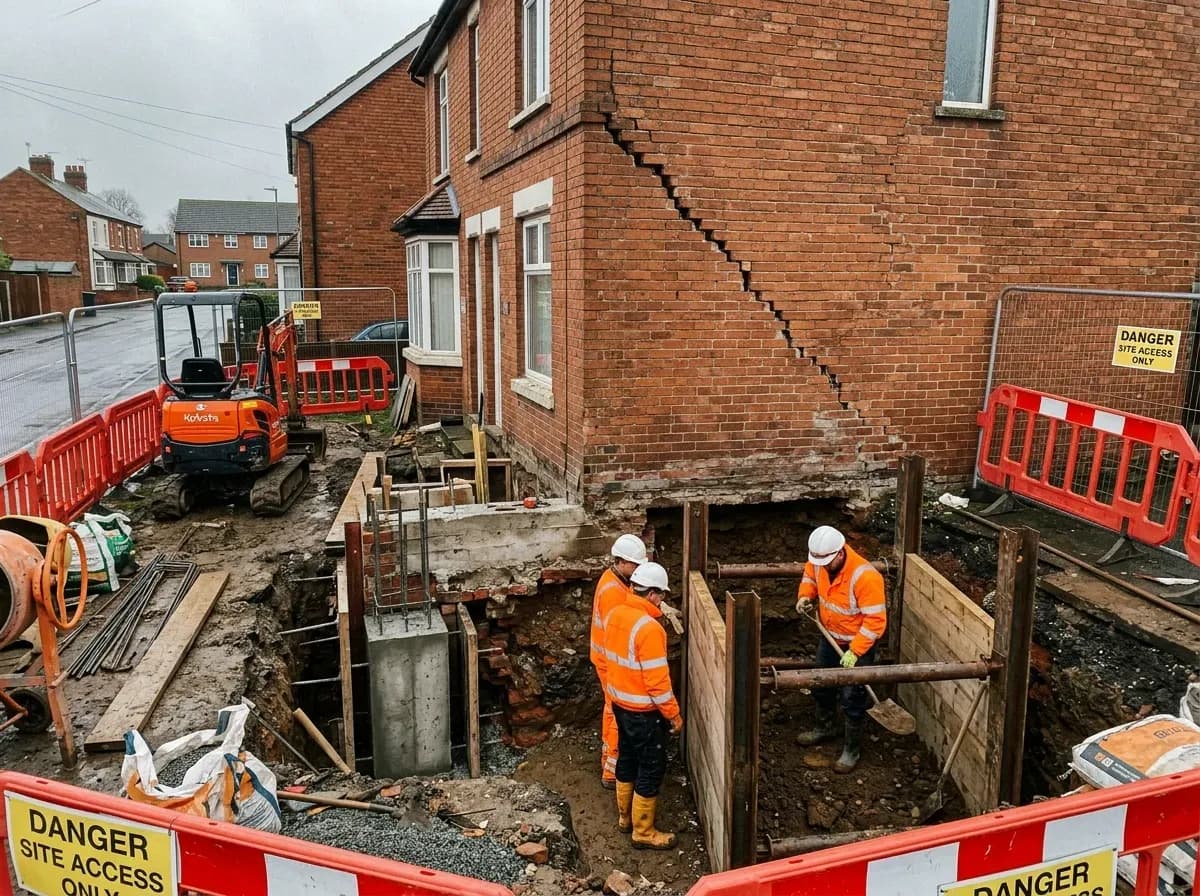
The most common method for domestic properties. Sections of ground beneath the existing foundation are dug out in sequence, usually 1 to 1.5 metres at a time, and filled with concrete. Each section must set before the next is excavated, which is why the work takes several weeks. Mass concrete underpinning typically reaches 1 to 2 metres below existing foundations. It works well in most soil types and is widely available, though it is more disruptive and time-consuming than newer methods. For straightforward subsidence on a standard house, this is usually the go-to option.
Mini-piling
Steel or concrete piles are driven or drilled through the existing foundation down to stable ground, sometimes 5 to 10 metres deep. A reinforced concrete beam then connects the pile heads to support the wall above. Mini-piling is the preferred method when stable ground is a long way down, when access is restricted (terraced houses, for example), or when speed matters. It causes less disruption to the building itself than mass concrete, though the equipment is noisier. It costs more, but in some situations it is the only practical option.
Beam and base
A variation of mini-piling where a reinforced concrete beam spans between pile heads beneath the existing wall. This distributes the building's load more evenly across the piles, making it particularly effective for longer wall sections or heavier structures. Beam and base underpinning is more expensive than mass concrete but provides a very robust, long-lasting solution. It is often specified for semi-detached or detached houses where multiple walls need support.
Resin injection
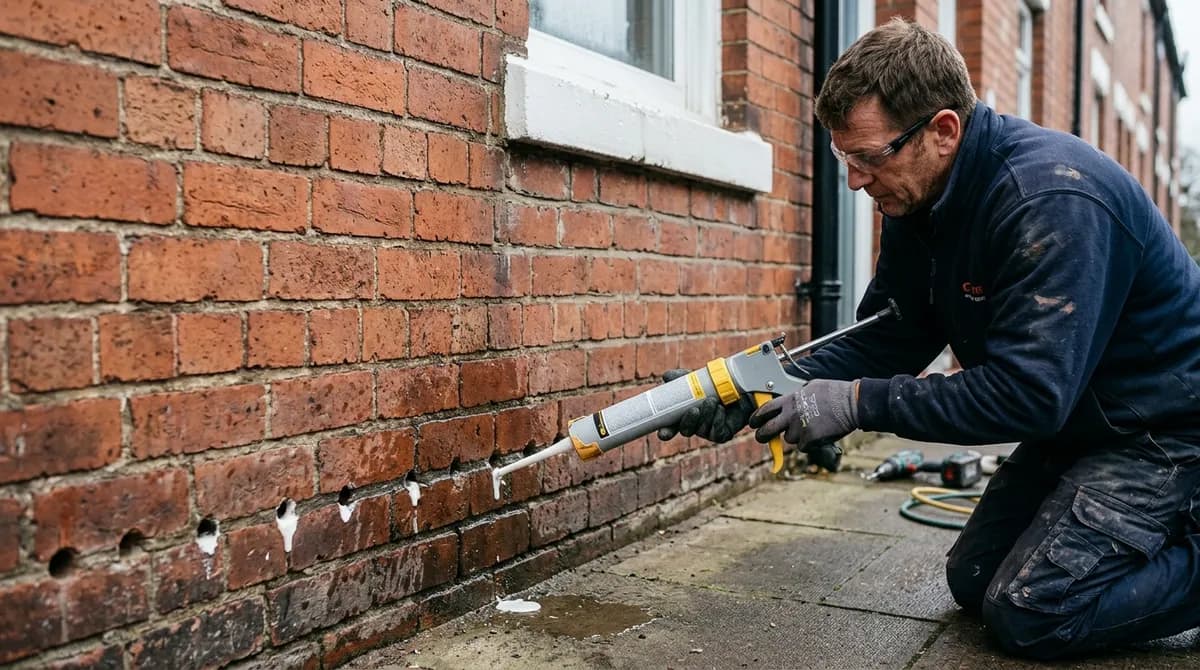
A modern, far less invasive method. Expanding polyurethane resin is injected through small holes drilled into the ground beneath the foundations. As the resin expands, it fills voids, compacts loose soil, and can even lift the foundation back towards level. The whole process takes hours rather than weeks. However, resin injection is not suitable for all ground conditions, it works best in granular soils and is less effective in heavy clay. Where the conditions are right, it can save 30 to 50% compared to traditional methods, with minimal disruption to your daily life.
Signs You Need Underpinning
Subsidence does not happen overnight. It develops gradually, and the earlier you spot it, the less expensive it is to fix. Watch for these warning signs:
- Diagonal cracks wider than 3mm, especially around windows and doors
- Doors and windows sticking or not closing properly
- Cracks that open and close with the seasons (typical of clay shrinkage)
- Visible gaps between walls and floors or ceilings
- Rippling or bulging in wallpaper, often the first sign something is moving
- Sloping floors
Not all cracks indicate subsidence. Hairline cracks under 2mm are usually caused by normal thermal movement or settlement and do not require underpinning. A structural engineer can tell the difference, see the RICS guidelines on structural surveys for more information on getting a professional assessment.
Cost of Underpinning a House: Total Project Costs
| Project | Method | Total Cost |
|---|---|---|
| Single corner (3-4 metres) | Mass concrete underpinning | £4,000 to £8,000 |
| One wall (6-8 metres) | Mass concrete underpinning | £6,000 to £16,000 |
| Two walls (12-16 metres) | Mass concrete or mini-piling | £12,000 to £35,000 |
| Full perimeter (30+ metres) | Mini-piling with beam and base | £30,000 to £50,000 |
Additional Costs
| Item | Typical Cost |
|---|---|
| Structural engineer's report | £400 to £800 |
| Monitoring (crack gauges) | £200 to £500 |
| Tree removal (if cause) | £500 to £2,500 |
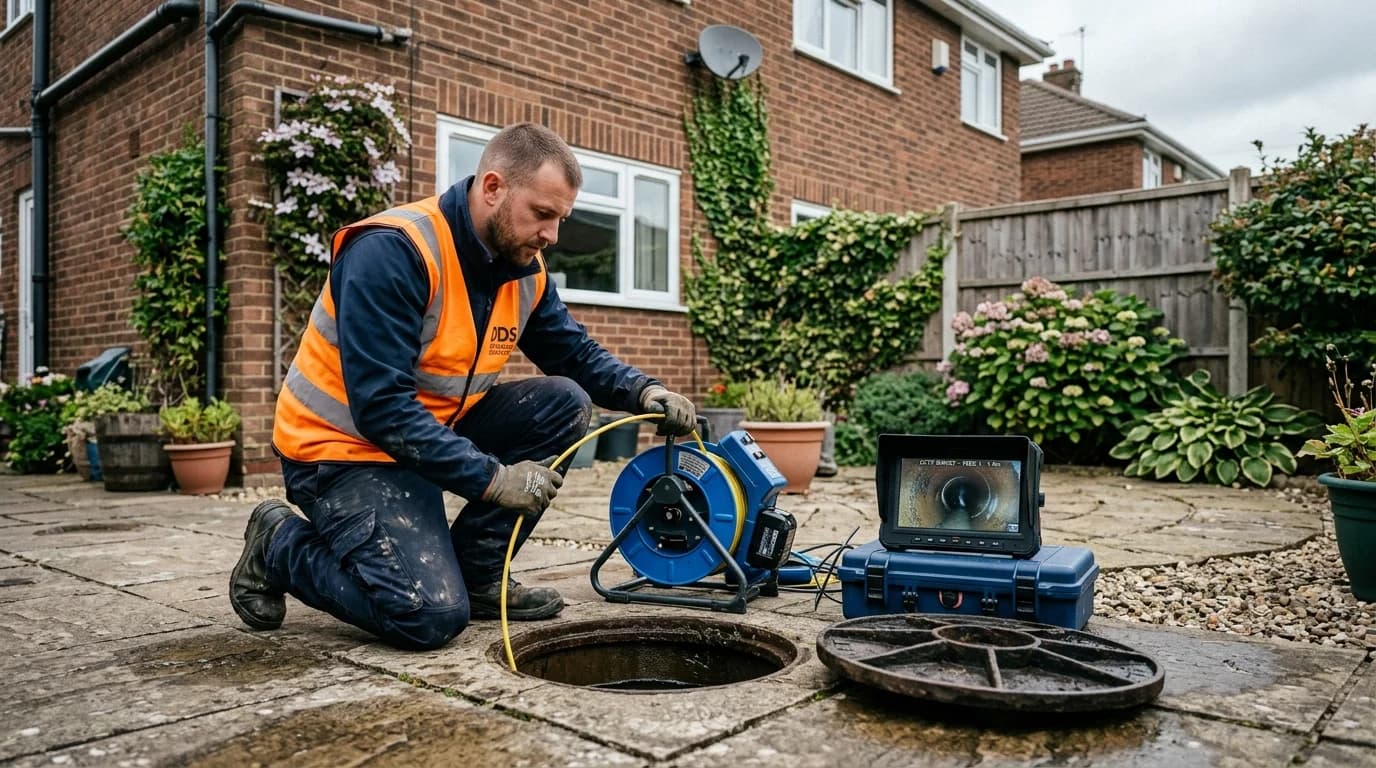
| Drain repair (if cause) | £500 to £3,000 |
| Redecoration after movement | £1,000 to £3,000 |
| Building Regulations fee | £300 to £600 |
Underpinning Cost UK by Region
| Region | Average Cost | vs National |
|---|---|---|
| London | £12,000 | +20% |
| South East | £11,000 | +10% |
| East of England | £10,500 | +5% |
| South West | £10,200 | +2% |
| Midlands | £10,000 | Average |
| Yorkshire | £9,000 | -10% |
| North West | £9,200 | -8% |
| North East | £8,500 | -15% |
| Scotland | £9,000 | -10% |
| Wales | £8,800 | -12% |
How to Get Your Underpinning for Less
Claim on your buildings insurance first
If subsidence is the cause, your buildings insurance should cover the cost of underpinning minus the excess (usually £1,000). Notify your insurer as soon as you suspect subsidence - they send a structural engineer and manage the repair. Do not commission work yourself without insurer approval, as they may refuse to reimburse you.
Fix the cause before underpinning
Underpinning fixes the symptoms (foundation movement) but not the cause (tree roots, leaking drain, clay shrinkage). If you underpin without removing the cause, movement may continue elsewhere. Get a proper diagnosis from a structural engineer and fix the root cause first - sometimes tree removal or drain repair alone stops the movement.
Underpinning is a last resort, so let the monitoring run first
Full underpinning is only needed in a minority of subsidence cases. Insurers and structural engineers usually tackle the cause first (managing a tree, repairing a drain), then fit crack gauges and monitor for around 12 months so a full cycle of seasons including a dry summer is covered. Often the movement settles once the cause is sorted and no underpinning is needed at all, which saves the whole £5,000 to £15,000 bill. Do not let a contractor talk you straight into underpinning before the monitoring period is finished.
Consider resin injection for lighter cases
Resin injection is less invasive and cheaper than traditional underpinning. It works by injecting expanding resin into the ground beneath the foundations to fill voids and stabilise the soil. It is not suitable for all cases but can save 30 to 50% on the cost where the ground conditions are right.
Get a structural engineer's report before getting builder quotes
A structural engineer specifies exactly what underpinning is needed, the method, depth, and extent. Without this, builders are guessing. Some will over-specify (costing you more than necessary) and others will under-specify (risking future problems). You can find a chartered structural engineer through the Institution of Structural Engineers. An engineer's report costs £400 to £800 and ensures every builder quotes for the same work.
Comparing quotes is the simplest way to pay less
Getting three or four quotes and comparing them is how most homeowners avoid overpaying. It takes a couple of minutes, with no obligation.
Get my free quotesWhat to Expect: The Underpinning Process
Mass concrete underpinning is the most common method for domestic properties. The work is done in stages and typically takes three to six weeks. Here is how it works.
- 1
Structural engineer assessment
A chartered structural engineer inspects the property, assesses the cracks and movement, and determines the cause of subsidence. They produce a report specifying the underpinning method, depth, and extent of work required. This report is essential before any contractor can quote accurately.
- 2
Trial pits and investigation
The contractor digs trial pits alongside the existing foundations to confirm the soil conditions and foundation depth. This confirms the engineer's design and identifies any unexpected ground conditions before the main work begins.
- 3
Underpinning sequence (alternate bays)
The wall is divided into bays, typically 1 to 1.5 metres wide. Alternate bays are excavated beneath the existing foundation and filled with concrete, leaving supported sections in between. Each bay must set before adjacent bays are dug. This staged approach keeps the building supported throughout the work.
- 4
Backfill and cure
Once each bay is poured, the concrete is left to cure for at least 48 hours before the next adjacent section is excavated. After all bays are complete, any remaining excavations are backfilled and the ground is reinstated around the property.
- 5
Monitoring and sign-off
The structural engineer inspects the completed underpinning and issues a completion certificate. Crack gauges may be monitored for several months to confirm the movement has stopped. Building Control signs off the work under Building Regulations.
Frequently Asked Questions
How much does underpinning cost?
Underpinning costs £1,000 to £3,000 per linear metre of wall. A typical domestic underpinning job - one wall or a corner section - costs £5,000 to £15,000 in total. Larger jobs involving multiple walls or the entire perimeter can cost £20,000 to £50,000. The price depends on the depth needed, ground conditions, access, and the underpinning method used.
When is underpinning needed?
Underpinning is needed when the foundations of a building have moved or are no longer adequate. The most common cause is subsidence, where the ground beneath the foundations shrinks, usually due to clay soil drying out, tree roots extracting moisture, or a leaking drain washing away soil. Warning signs include diagonal cracks wider than 3mm, doors and windows that stick, and visible movement in the brickwork. The British Geological Survey subsidence map shows which areas of the UK are most susceptible to ground movement.
Will my insurance cover underpinning?
If the subsidence is caused by a covered event, typically ground movement, tree roots, or leaking drains, your buildings insurance should cover the cost of underpinning minus your excess. Subsidence excesses are usually £1,000 on standard policies. However, you must notify your insurer before starting work, and they will want their own structural engineer to assess the situation first.
What are the types of underpinning?
The main types are: mass concrete (traditional - digging out sections beneath existing foundations and filling with concrete), mini-piling (driving or drilling small piles down to stable ground), beam and base (a reinforced concrete beam distributes the load across piles), and resin injection (injecting expanding resin to stabilise the soil). Mass concrete is most common for domestic work. Mini-piling is used where access is restricted or the depth to stable ground is significant.
Does underpinning affect property value?
A property that has been properly underpinned, with a structural engineer's sign-off and a certificate of completion, should not lose value. In fact, the underpinning provides reassurance that the foundations have been permanently fixed. However, undisclosed subsidence history can reduce value by 10 to 20%. Full disclosure with documentation is always better than trying to hide it.
How long does underpinning take?
Mass concrete underpinning takes 3 to 6 weeks for a typical domestic job, as the work progresses in sections and each section must set before the next is excavated. Mini-piling is faster at 1 to 2 weeks. Resin injection is the quickest, the injection itself takes 1 to 2 days, though monitoring continues afterwards. Add drying and settling time on top of these estimates, plus any redecoration work.
Can I stay in my house during underpinning?
Usually yes. Mass concrete underpinning creates noise and vibration, but the house generally remains habitable throughout. You may need to vacate specific rooms temporarily while work takes place directly below them. Mini-piling is noisier and involves heavier equipment, but you can still live in the property. Resin injection causes minimal disruption, most homeowners carry on as normal.

Written by Chris Kervin, Co-Founder of Less.co.uk
Last updated: April 2026 · Pricing based on industry data and verified contractor submissions · Methodology