How Much Does a House Renovation Cost in 2026?
The average cost of a full house renovation for a typical 3-bed semi is £30,000 to £80,000. A cosmetic refresh starts from £5,000, while a whole house renovation with structural work can reach £150,000 or more. Here is the complete house renovation cost breakdown by scope, property size, and room.
£5k-£15k
Cosmetic refresh
£30k-£80k
Full renovation
£60k-£150k+
Major renovation
3 to 6 months
Typical duration
Prices updated April 2026 · Based on industry data and contractor submissions.
House Renovation Cost Breakdown by Scope
The single biggest factor in house renovation cost is how deep you go. A cosmetic refresh is worlds apart from a full house renovation that takes everything back to brick.
Cosmetic refresh
Paint, flooring, fixtures, and fittings
£10,000
£5,000 to £15,000
Partial renovation
Kitchen + bathroom + decorating throughout
£25,000
£15,000 to £35,000
Full renovation
Everything except structural changes
£55,000
£30,000 to £80,000
Major renovation
Structural changes, extensions, rewiring
£100,000
£60,000 to £150,000+
Get Free Renovation Quotes
Compare prices from trusted local renovation builders near you. Fill in a few details and receive up to 4 free, no-obligation quotes.
Renovation Cost by Property Type
Larger properties cost more, but the price per square metre tends to drop as you scale up because fixed costs (scaffolding, skips, project management) are spread across more rooms.
| Property | Scope | Total Cost |
|---|---|---|
| 1-bed flat | Full renovation | £10,000 to £30,000 |
| 2-bed terraced house | Full renovation | £20,000 to £50,000 |
| 3-bed semi-detached | Full renovation | £30,000 to £80,000 |
| 4-bed detached house | Full renovation | £50,000 to £120,000 |
Room-by-Room Cost Breakdown
Use these figures as a house renovation cost estimator. Pick the rooms and systems you need and add them together for a realistic total budget.
| Item | Typical Cost |
|---|---|
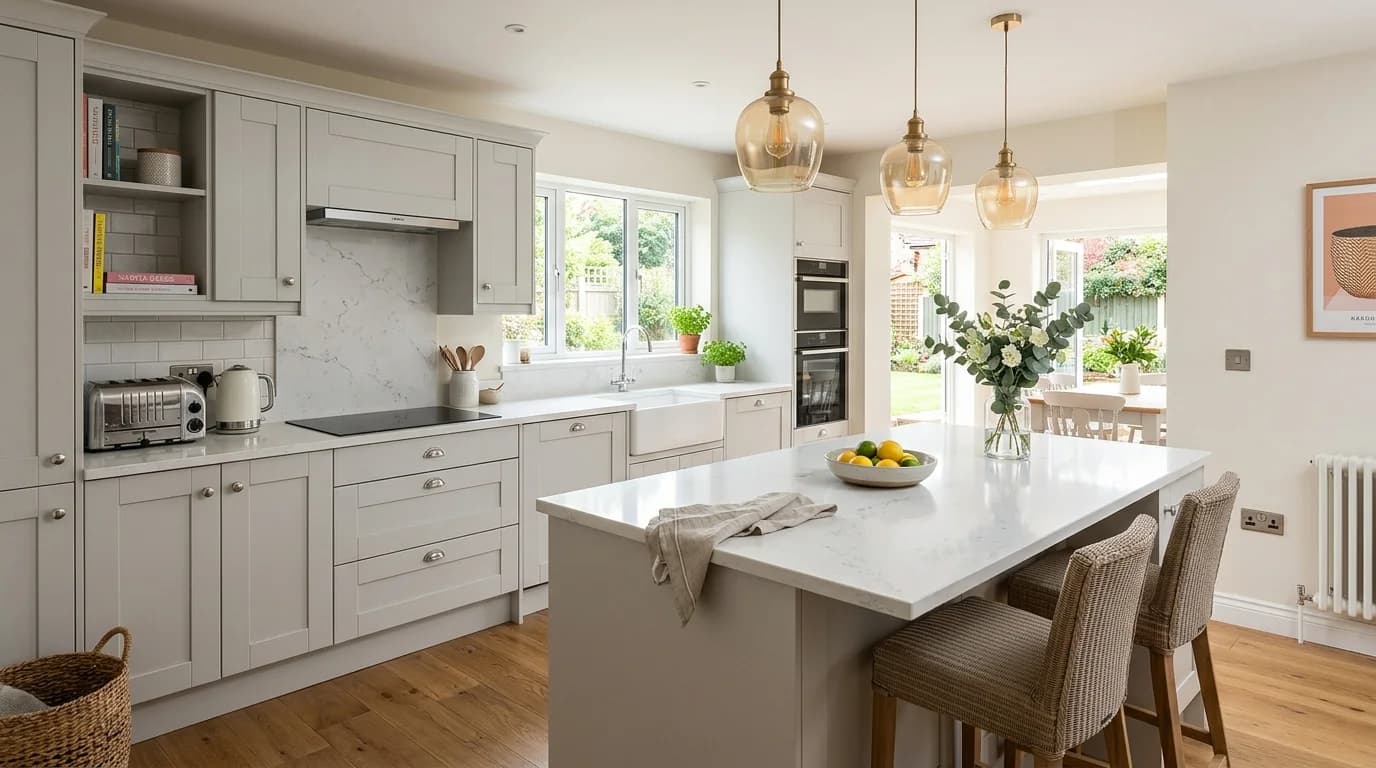
| Kitchen | £5,000 to £25,000 |
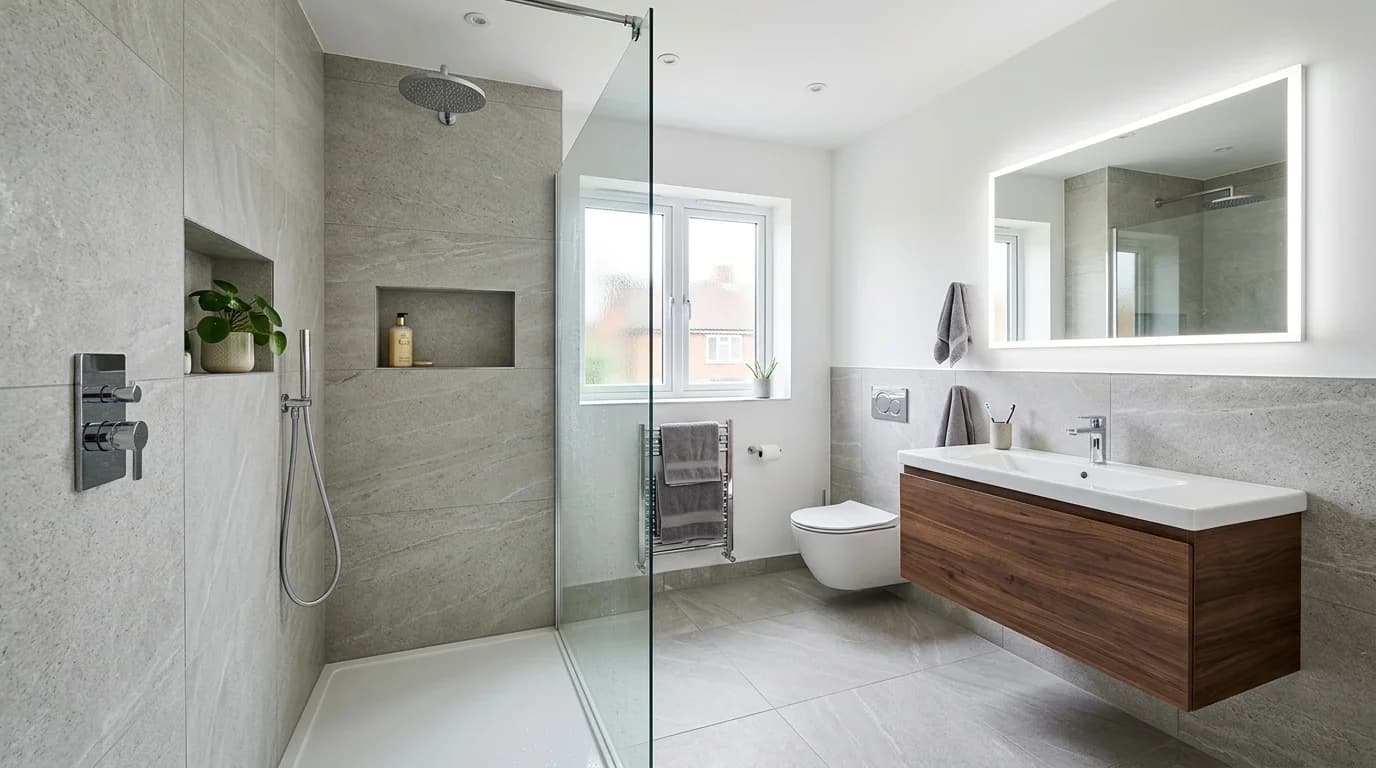
| Bathroom | £3,500 to £9,000 |
| Rewiring (whole house) | £4,500 to £8,000 |
| Replumbing (whole house) | £2,000 to £4,000 |
| Central heating system | £3,000 to £5,500 |
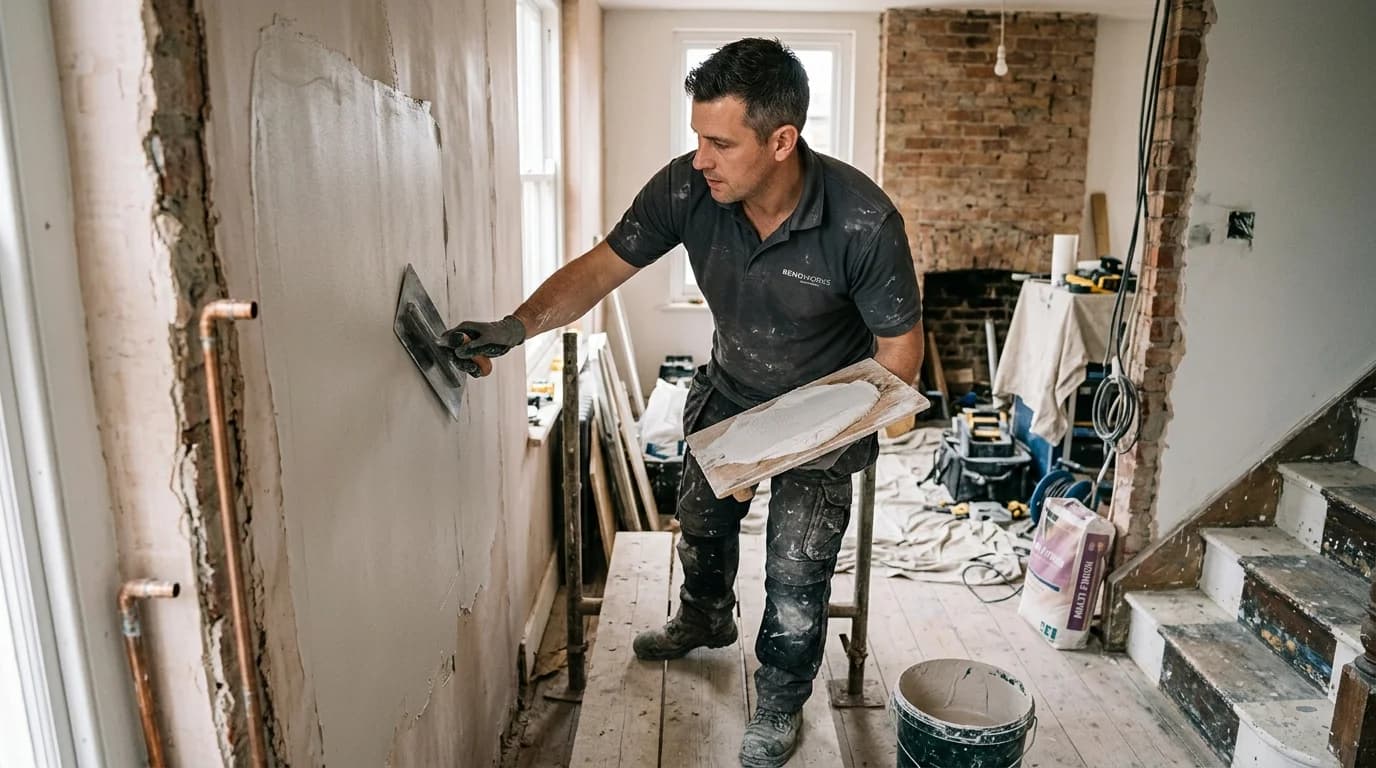
| Plastering (whole house) | £2,000 to £5,000 |
| New windows (whole house) | £3,000 to £7,000 |
| Decorating (whole house) | £2,000 to £5,000 |
| Flooring (whole house) | £2,000 to £6,000 |
House Renovation Costs by Region
Labour rates drive the regional difference. London tradespeople charge 25 to 40% more than their counterparts in the north of England.
| Region | Average (3-bed) | vs National |
|---|---|---|
| London | £70,000 | +27% |
| South East | £62,000 | +12% |
| East of England | £58,000 | +5% |
| South West | £56,000 | +2% |
| Midlands | £55,000 | Average |
| Yorkshire | £48,000 | -13% |
| North West | £50,000 | -9% |
| North East | £45,000 | -18% |
| Scotland | £48,000 | -13% |
| Wales | £46,000 | -16% |
How to Get Your Renovation for Less
Tackle the biggest jobs first
Rewiring, plumbing, and heating need doing before plastering and decorating. If you get the order wrong, you end up ripping out fresh plaster to run cables. Plan the full scope upfront and work from structure inwards: electrics and pipes first, then plaster, then kitchens and bathrooms, then decorating, then flooring last. Any structural changes require Building Regulations approval, so factor in the application time.
Use one main contractor or project manage it yourself
Hiring a main contractor adds 15 to 20% but saves you the headache of coordinating trades. If you have the time, project-managing it yourself and hiring individual tradespeople (electrician, plumber, plasterer, kitchen fitter) saves that margin. Either way, get all the trades quoted before you start so you know the full cost upfront.
Keep the layout as it is wherever possible
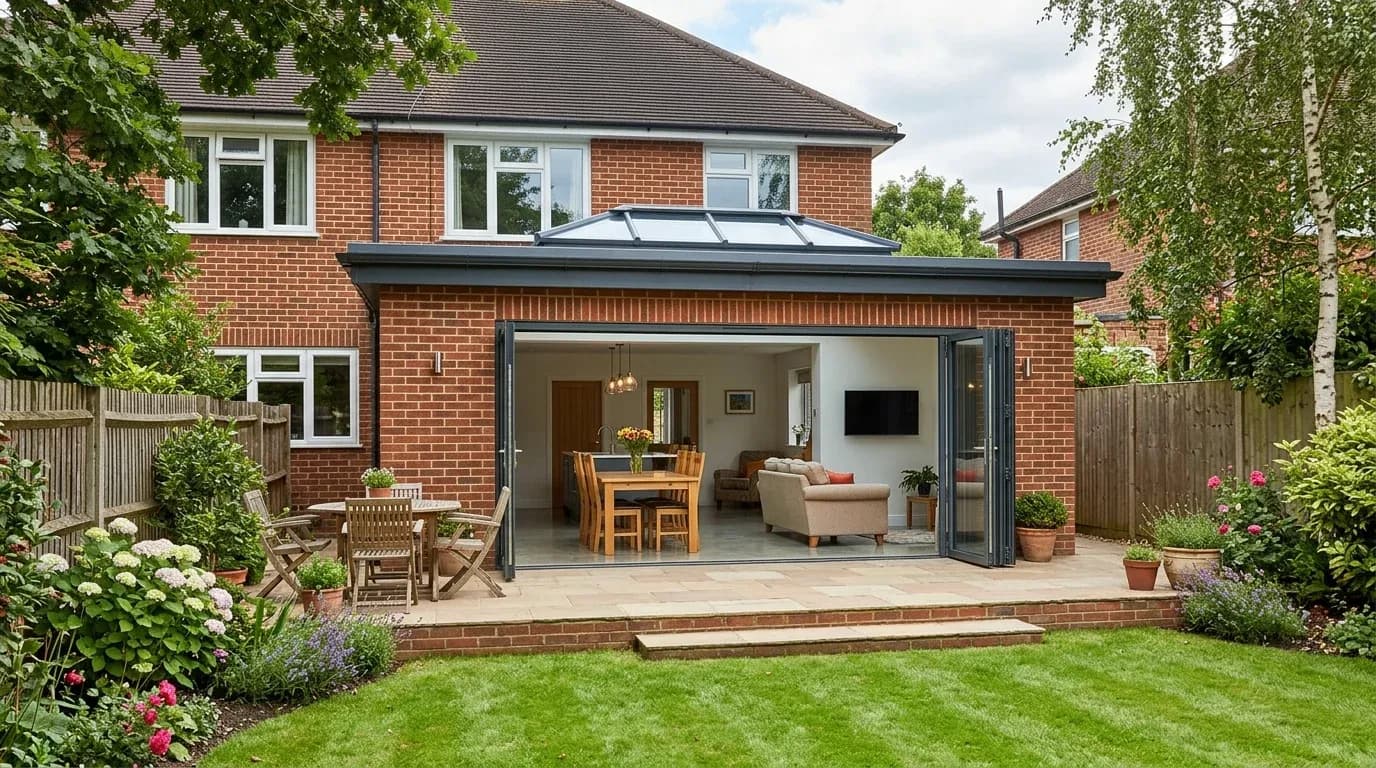
Moving a kitchen or bathroom to a different room means re-routing all the plumbing, waste pipes, and electrics. That alone can add £5,000 to £10,000. If the existing layout works, renovating in place is significantly cheaper than reconfiguring. Only move rooms if the layout is genuinely poor. If you are extending or altering the exterior, check whether you need planning permission before committing to the work.
Get a full survey before buying a renovation project
If you are buying a house to renovate, pay for a RICS Level 3 building survey (£500 to £1,200) before exchanging. It will flag structural issues, damp, roof problems, and asbestos that could turn a bargain into a money pit. Use the survey findings to negotiate the purchase price down - sellers expect it on older properties.
Pay 5% VAT if the property has stood empty
If the house has not been lived in for two years or more before work starts, a VAT-registered builder can charge 5% VAT on the renovation instead of the standard 20%, under HMRC's empty-home rules. The same 5% rate applies when you change the number of dwellings, such as splitting a house into flats. That is the gap between 20% and 5% VAT, worth around £6,000 on a £40,000 job. Ask the builder to apply it from the outset and keep council tax records proving the home was empty.
Insulate while the walls are open at 0% VAT
A full strip-out is the cheapest time to insulate, because the walls, loft, and floors are already exposed. Until 31 March 2027, installing insulation, a heat pump, or solar panels carries 0% VAT on both the materials and the labour, rising to 5% after that. Adding loft and cavity insulation during the works costs far less than retrofitting it once the house is finished and decorated.
Pay deposits by credit card for Section 75 cover
Renovations are paid in large stages, and builders do occasionally go under mid-job. Pay for anything between £100 and £30,000 on a credit card and Section 75 makes the card provider equally liable if the work is never finished, so you can claim the money back. Never hand over a big cash deposit up front. Stage payments tied to completed work protect your budget far better.
Comparing quotes is the simplest way to pay less
Getting three or four quotes and comparing them is how most homeowners avoid overpaying. It takes a couple of minutes, with no obligation.
Get my free quotesWhat to Expect: The House Renovation Process
A full renovation follows a well-established sequence. Getting the order right avoids wasted money and rework, here is the typical timeline from start to finish.
- 1
Survey and planning
Commission a RICS Level 3 building survey to flag structural issues, damp, asbestos, and roof condition. Use the findings to plan the full scope of work and set a realistic budget with a 10 to 15% contingency for surprises behind walls and under floors.
- 2
Design and permissions
Appoint an architect or designer if you are altering the layout or extending. Apply for planning permission if required, and submit Building Regulations applications for structural changes, rewiring, and heating work. This stage can take 8 to 12 weeks, so start early.
- 3
Strip out
Remove old kitchens, bathrooms, flooring, and any walls being taken down. This is also when asbestos removal is carried out if the survey flagged it. Skips and waste disposal are arranged at this stage, budget for 2 to 4 skip loads on a full renovation.
- 4
Structural work
Carry out any underpinning, steel beam installation, wall removal, roof repairs, or damp-proofing. Windows and external doors are fitted at this stage while scaffolding is up. Your building inspector will want to sign off key stages before you close things up.
- 5
First fix
Electricians run cables, plumbers lay pipework, and heating engineers install radiator pipes, all before the walls are closed up. This is the most disruptive phase but must be completed before plastering. Coordination between trades is critical here.
- 6
Second fix and finishing
Plastering goes on first, then second fix electrics (sockets, switches, lights), plumbing (taps, toilets, showers), kitchen fitting, tiling, decorating, and finally flooring goes down last. Allow 2 to 4 weeks for snagging at the end.
Frequently Asked Questions
How much does it cost to renovate a 3 bedroom house?
A full renovation of a 3-bed semi-detached house typically costs £30,000 to £80,000. This covers a new kitchen, new bathroom, rewiring, replumbing, plastering, decorating, and new flooring throughout. A cosmetic refresh (paint, flooring, fixtures) would be £5,000 to £15,000, while a major renovation involving structural changes could reach £100,000 to £150,000.
How long does a full house renovation take?
A cosmetic refresh takes 2 to 4 weeks. A partial renovation (kitchen, bathroom, and decorating) typically takes 6 to 12 weeks. A full renovation of a 3-bed house takes 3 to 6 months. Major renovations involving structural work, extensions, or loft conversions can take 6 to 12 months or longer. Weather, supply chain delays, and the availability of tradespeople can all extend timelines.
What order should you renovate a house?
The standard order is: structural work first (underpinning, walls, roof), then first fix (electrics, plumbing, heating pipes run through walls and floors), then plastering, then second fix (sockets, switches, radiators, bathroom fittings), then kitchen fitting, then decorating, then flooring last. Getting the order wrong wastes money - for example, decorating before plastering means doing it twice.
Do I need planning permission to renovate my house?
Most internal renovations do not need planning permission. You will need it if you are changing the external appearance significantly, adding an extension beyond permitted development limits, or your property is listed or in a conservation area. Building Regulations approval is separate from planning - rewiring, structural changes, new bathrooms, and heating work all need Building Regulations sign-off regardless of planning.
Is it cheaper to renovate or buy a new house?
In most cases, renovating is cheaper than buying and moving. The average cost of moving (stamp duty, solicitor, estate agent, removals) is £10,000 to £30,000 depending on property value. A renovation that adds equivalent living space or quality is usually better value. However, if a property needs underpinning, a new roof, full rewiring, AND a new kitchen and bathroom, buying a move-in-ready home may be more cost-effective.

Written by Chris Kervin, Co-Founder of Less.co.uk
Last updated: April 2026 · Pricing based on industry data and verified contractor submissions · Methodology