How Much Does a Hip-to-Gable Loft Conversion Cost in 2026?
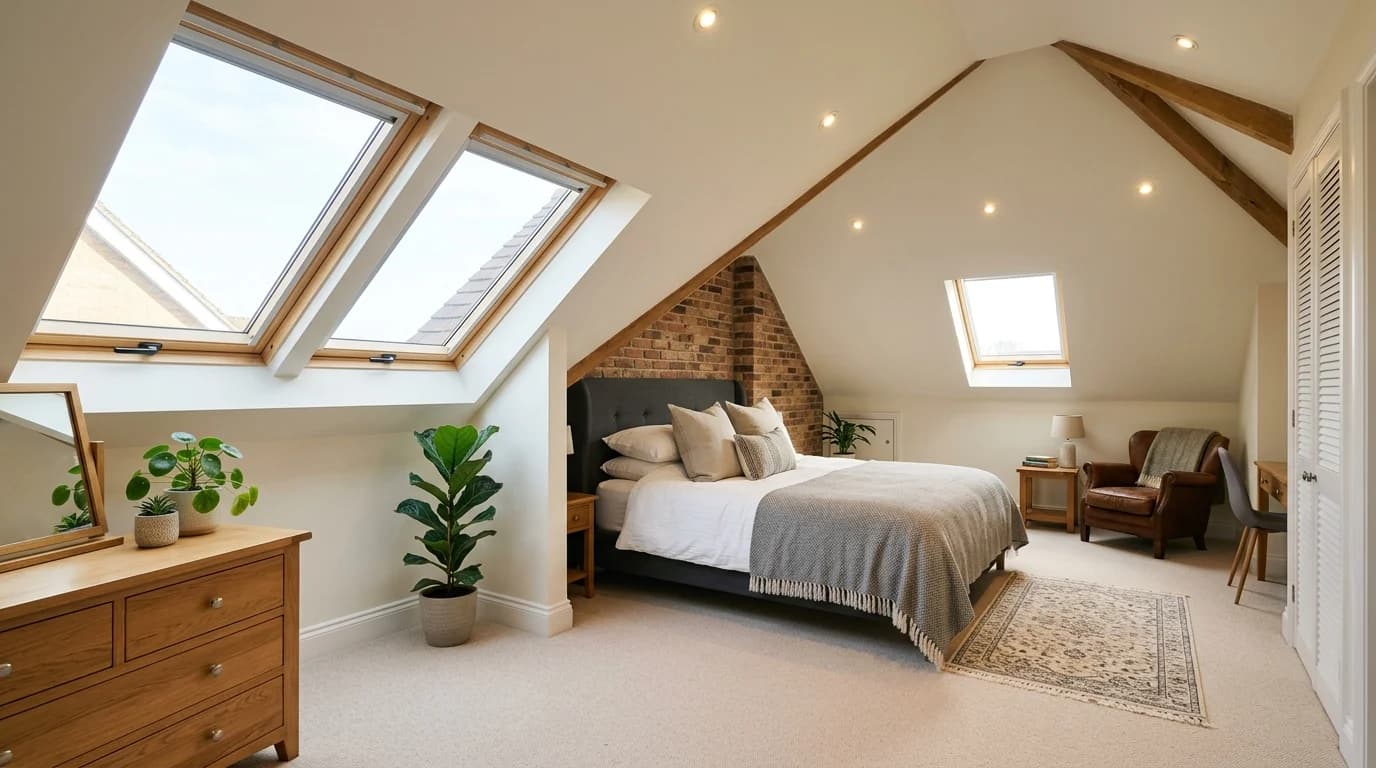
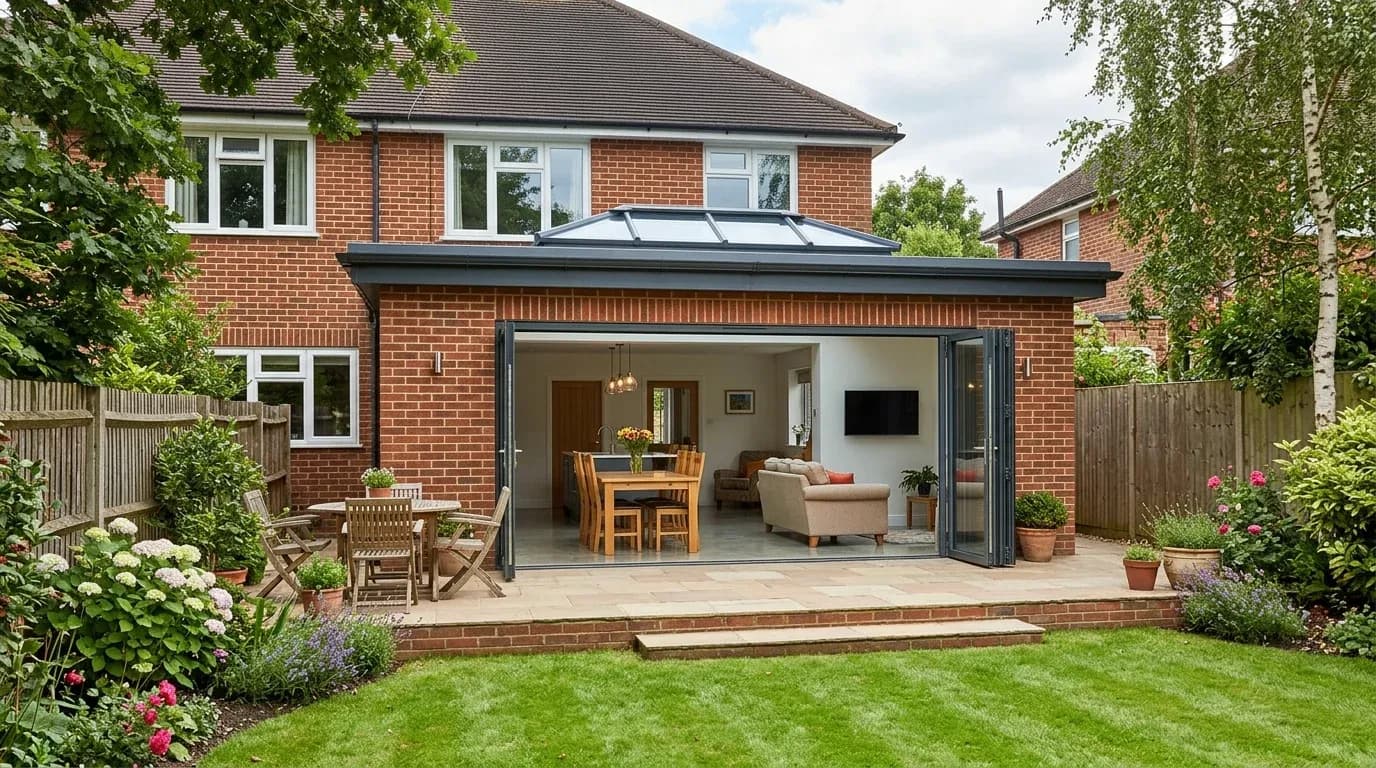
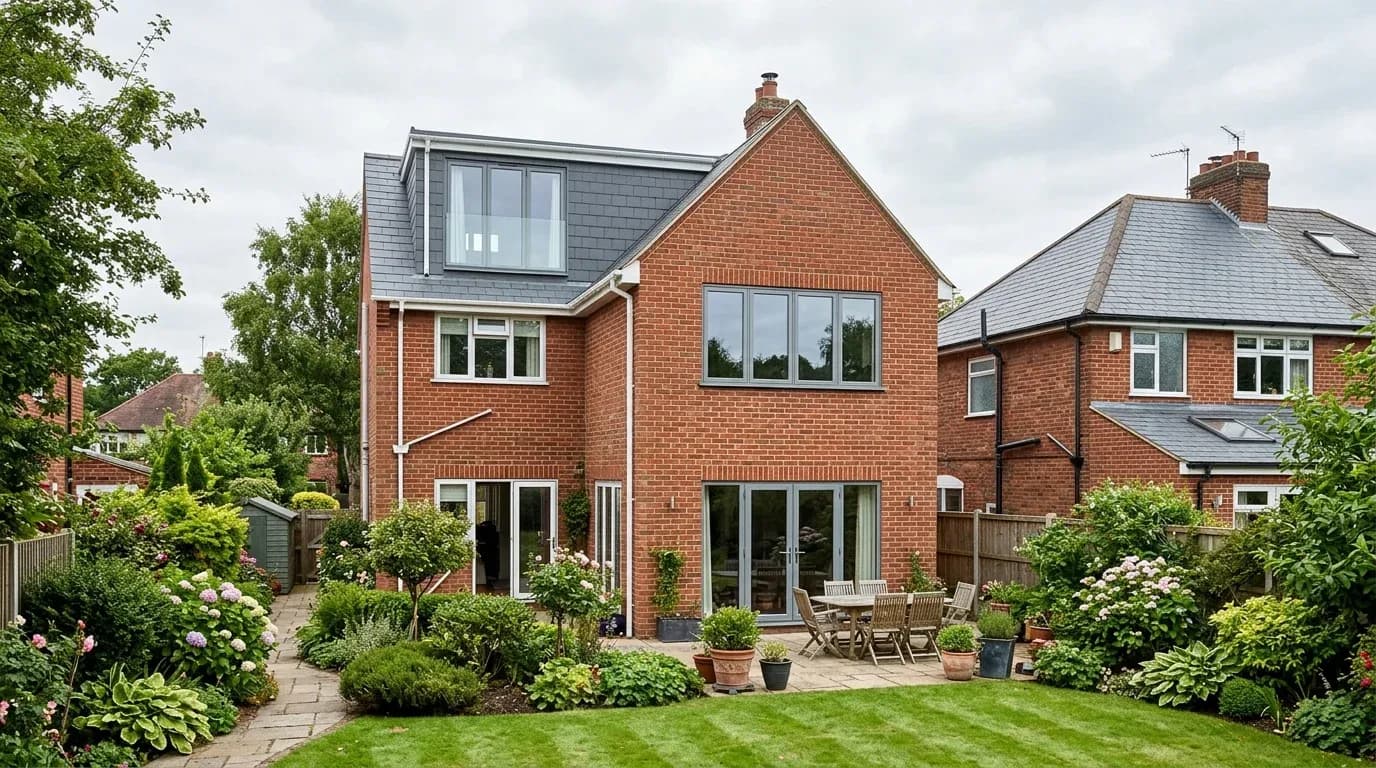
A hip-to-gable loft conversion costs £38,000 to £60,000 for a typical semi-detached house. Add a rear dormer and you are looking at £50,000 to £60,000. This is the most popular conversion type for semis - here is the full breakdown.
£38,000
Basic spec from
£50,000+
With rear dormer
Semi-detached
Best for
8 to 12 weeks
Typical build
Prices updated April 2026 · Based on industry data and contractor submissions.
Planning permission. Hip-to-gable conversions usually require a full planning application because they change the roof shape. Building Regulations approval is also required. A Party Wall Agreement is needed for semi-detached and terraced properties.
Hip-to-Gable Conversion Prices
What does a hip-to-gable loft conversion cost? These are all-in prices including structural work, fit-out, and bathroom.
Hip-to-gable (basic spec)
1 bedroom, shower room, standard finishes
£42,000
£38,000 to £45,000
Hip-to-gable (mid spec)
1 bedroom, en-suite, good finishes, Velux windows
£48,000
£45,000 to £52,000
Hip-to-gable + rear dormer
Maximum space, 2 rooms possible, en-suite
£55,000
£50,000 to £60,000
Double hip-to-gable (detached)
Both sides converted, maximum headroom
£60,000
£55,000 to £70,000
Where the Money Goes
Here is a detailed breakdown of what makes up the total cost of a hip-to-gable conversion.
| Item | Typical Cost |
|---|---|
| Structural work (gable wall, ridge, rafters) | £8,000 to £15,000 |
| Scaffolding | £1,500 to £3,000 |
| Staircase | £2,000 to £4,000 |
| Windows (Velux or dormers) | £1,500 to £4,000 |
| Insulation and plasterboard | £3,000 to £5,000 |
| Electrics and lighting | £1,500 to £3,000 |
| Plumbing and bathroom | £3,000 to £6,000 |
| Planning application | £548 |
| Party wall agreement | £700 to £1,500 |
| Building Regulations fees | £400 to £800 |
Hip-to-Gable Costs by Region
Loft conversion prices vary significantly by region. These are average total costs for a mid-spec hip-to-gable conversion on a semi-detached house.
| Region | Average Cost | vs National |
|---|---|---|
| London | £58,000 | +21% |
| South East | £52,000 | +8% |
| East of England | £50,000 | +4% |
| South West | £49,000 | +2% |
| Midlands | £48,000 | Average |
| Yorkshire | £44,000 | -8% |
| North West | £45,000 | -6% |
| North East | £41,000 | -15% |
| Scotland | £43,000 | -10% |
| Wales | £42,000 | -13% |
How to Get Your Loft Conversion for Less
Manage your own finishes to save on the builder's margin
Loft conversion builders typically charge 10 to 20% on top of bathroom suites, flooring, and fittings. If you source and buy these yourself, you save on the margin. The builder focuses on the structural work and first fix, and you supply the tiles, taps, and flooring. Agree this upfront so there are no surprises.
Talk to your neighbour early about the party wall
A party wall agreement is only needed if your neighbour does not consent. If you have a good relationship and explain what is happening, many neighbours agree in writing without surveyors being involved. This saves £700 to £1,500 in surveyor fees. But do not skip the legal process - serve the notice properly.
Use Velux windows instead of dormers where possible
A Velux roof window costs £1,500 to £2,500 installed, while a small dormer costs £4,000 to £8,000. If you do not need the extra headroom that a dormer provides, Velux windows give you plenty of light at a fraction of the cost. The front of the property usually has to have Velux windows anyway - dormers are typically only permitted on the rear.
Keep the bathroom compact
A full bathroom with a bath, separate shower, basin, and WC in the loft adds £4,000 to £6,000. A compact shower room with a shower enclosure, basin, and WC costs £2,500 to £4,000. Unless you specifically need a bath upstairs, a well-designed shower room saves money and preserves bedroom space.
What to Expect: The Build Process
- 1
Design and planning (2-4 months)
An architect designs the conversion, prepares drawings, and submits the planning application. You also serve Party Wall notices on neighbours. Building Regulations plans are prepared at this stage too.
- 2
Scaffolding and structural work (weeks 1-3)
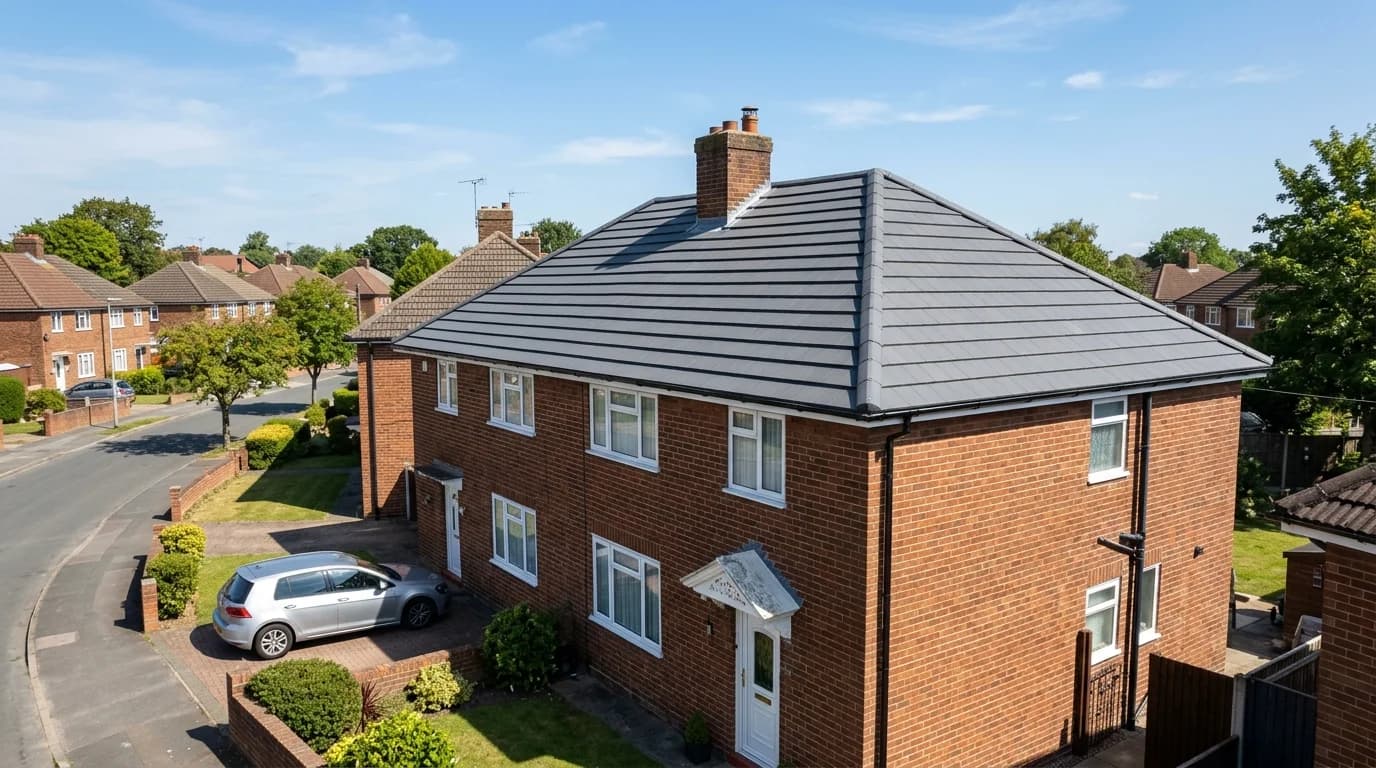
Scaffolding goes up around the property. The existing hip roof structure is carefully dismantled and the new gable wall is built in blockwork or timber frame. A new ridge beam and rafters are installed to create the full gable profile.
- 3
Roof, windows, and weatherproofing (weeks 3-5)
The new roof is tiled to match the existing roof. Dormer windows (if included) are constructed. Velux windows are fitted. The conversion is made watertight so internal work can proceed regardless of weather.
- 4
First fix (weeks 5-8)
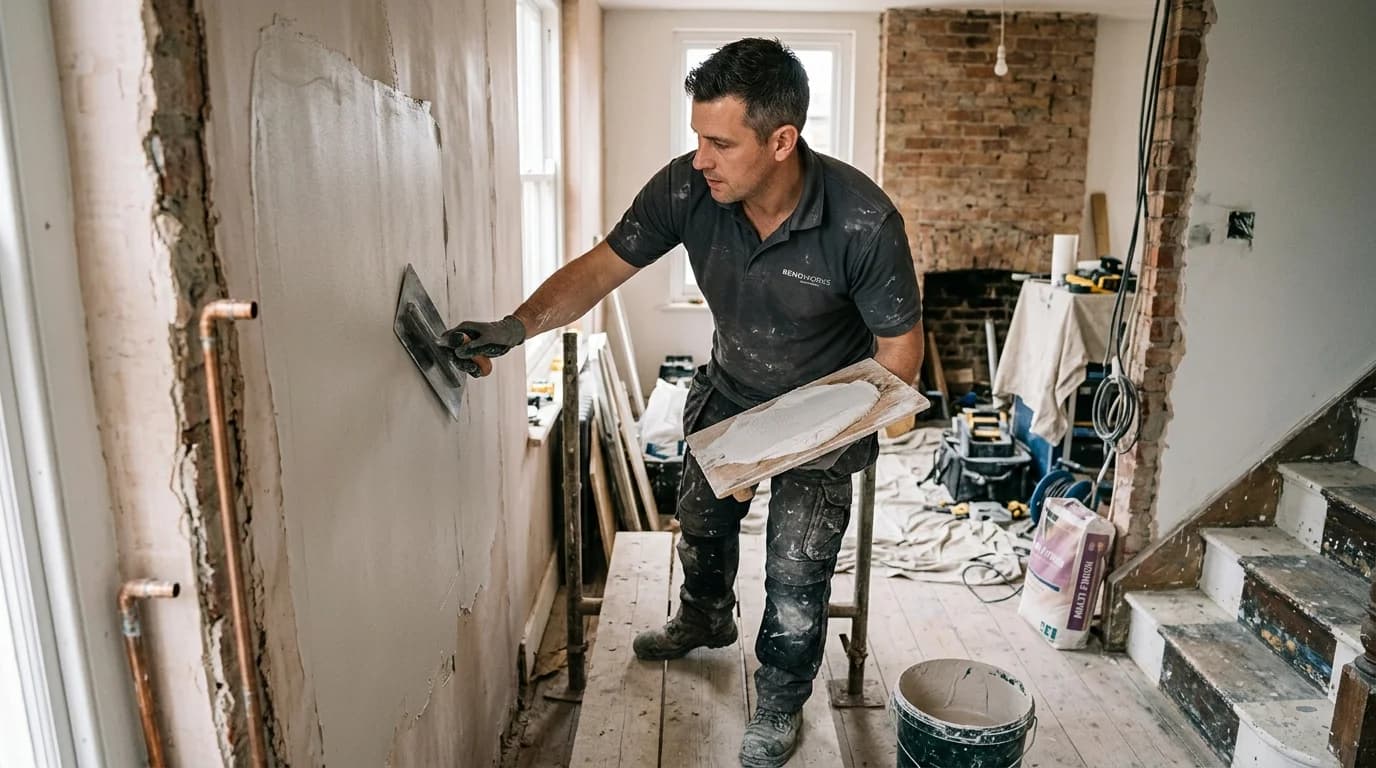
Insulation, stud walls, staircase, electrics (first fix wiring), plumbing (first fix pipework), and plasterboard. The floor is strengthened if needed with new joists or steel beams.
- 5
Second fix and finishes (weeks 8-12)
Plastering, bathroom installation, electrics (second fix - sockets, switches, lights), flooring, painting, and snagging. Building Control carries out a final inspection and issues a completion certificate.
Useful resources
- Planning Portal: Loft conversions, Check if a hip-to-gable conversion needs planning permission
- Building Regulations Part A, Structural requirements for roof alterations
Frequently Asked Questions
How much does a hip-to-gable loft conversion cost?
A hip-to-gable loft conversion costs £38,000 to £60,000 for a typical semi-detached house. The wide price range reflects differences in size, specification, and location. A basic conversion with one bedroom and a shower room sits at the lower end, while a large conversion with an en-suite bathroom and dormer to the rear pushes toward the top.
What is a hip-to-gable loft conversion?
A hip-to-gable conversion changes the sloping side of a hipped roof into a vertical gable wall. This creates significantly more headroom and usable floor space in the loft. It is the most popular conversion type for semi-detached houses because the side hip roof severely limits the usable space without this structural change.
Do I need planning permission for a hip-to-gable conversion?
In most cases, yes. Unlike a rear dormer (which usually falls under permitted development), a hip-to-gable conversion changes the shape of the roof and typically requires a full planning application. The exception is if the work qualifies as a repair or like-for-like replacement, but this is rare. Your architect or builder should handle the planning application as part of the project.
Do I need a Party Wall Agreement?
If you share a wall with a neighbour (as in most semi-detached and terraced houses), you will likely need a Party Wall Agreement under the Party Wall etc. Act 1996. This involves serving notice on your neighbour at least two months before work starts. If they do not consent, you both need party wall surveyors, which adds £700 to £1,500 to the cost.
How long does a hip-to-gable conversion take?
A hip-to-gable loft conversion typically takes 8 to 12 weeks from start to finish. The structural work (removing the hip, building the gable wall, installing the new ridge and rafters) takes 2 to 3 weeks. The rest is fitting out - insulation, plasterboard, electrics, plumbing, bathroom, flooring, and decoration.

Written by Chris Kervin, Co-Founder of Less.co.uk
Last updated: April 2026 · Pricing based on industry data and verified contractor submissions · Methodology
Ready to convert your loft for less?
A hip-to-gable conversion adds serious space and value to a semi-detached house. Compare quotes from specialists.
Compare Free QuotesFree, no obligation · Specialist companies · Compare up to 3 quotes