Flooring - Types, Costs & Guides for UK Homeowners
New flooring is one of the fastest ways to transform a room. Prices range from as little as £8 per m² for budget carpet or laminate up to £80 per m² for solid hardwood. The right choice depends on the room, your budget, and how much wear it needs to handle. Here is everything you need to know before you buy. For peace of mind, look for fitters registered with TrustMark, the government-endorsed quality scheme.
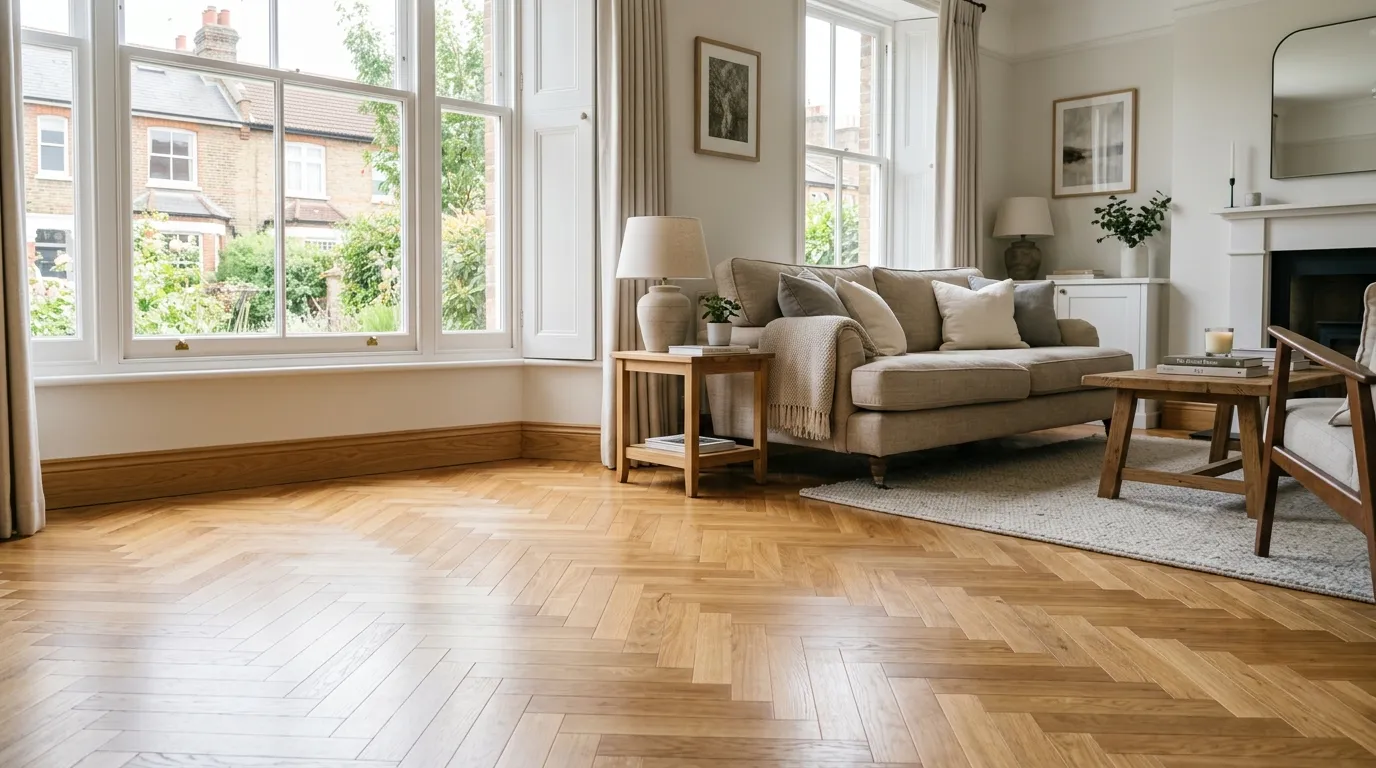
Quick answer
How much does new flooring cost?
Carpet costs £8 to £30 per m² for materials. Laminate runs £8 to £20 per m². Engineered wood costs £25 to £60 per m². Vinyl/LVT is £15 to £40 per m². Add £5 to £15 per m² for fitting. For a typical bedroom, expect to pay £250 to £800 all in.
View the full flooring cost guideTypes of flooring
Each flooring type has strengths and weaknesses. The best choice depends on the room, your lifestyle, and your budget.
Carpet (£8 to £30 per m²)
Still the most popular choice for bedrooms, living rooms, and stairs in UK homes. Warm, soft, and good for sound insulation. Comes in hundreds of colours and textures. Wool carpet is the premium choice (£20 to £50/m²) while polypropylene is the budget option (£5 to £12/m²). Needs underlay (£3 to £8/m²). Not suitable for kitchens or bathrooms. Typical lifespan: 5 to 15 years depending on quality and traffic.
Laminate (£8 to £20 per m²)
A hard-wearing, affordable alternative to real wood. Modern laminate is very convincing, with textured surfaces that mimic timber grain. Easy to fit as a DIY project because it clicks together without glue. Not waterproof (though water-resistant grades exist for kitchens). Needs underlay. Good for living rooms, bedrooms, and hallways. Typical lifespan: 10 to 20 years.
Engineered wood (£25 to £60 per m²)
A real wood top layer bonded to a plywood or HDF core. Looks and feels like solid wood but is more stable and less prone to warping. Can be glued, nailed, or floated over underlay. Can be sanded and refinished once or twice. Works with underfloor heating (unlike most solid hardwood). A popular choice for living rooms and hallways where you want the real wood look. Typical lifespan: 20 to 30 years.
Solid hardwood (£30 to £80 per m²)
The premium choice. Oak, walnut, and ash are the most popular species in the UK. Beautiful, warm, and can be sanded and refinished many times over its lifetime. Expensive to buy and fit. Not compatible with most underfloor heating systems. Reacts to humidity and temperature changes, so not recommended for kitchens, bathrooms, or conservatories. Typical lifespan: 30 to 50+ years with proper care.
Vinyl / LVT (£15 to £40 per m²)
Luxury vinyl tile (LVT) is one of the fastest-growing flooring categories in the UK. Completely waterproof, comfortable underfoot, and available in realistic wood and stone effects. Easy to maintain and very durable. The go-to choice for kitchens and bathrooms. Click-fit LVT can be a DIY project. Glue-down LVT needs a professional. Typical lifespan: 15 to 25 years.
Tile (£20 to £50 per m²)
Porcelain and ceramic tiles are waterproof, extremely durable, and low maintenance. The standard choice for bathrooms and a popular option for kitchens and hallways. Cold and hard underfoot unless paired with underfloor heating. Professional fitting is recommended because a poor tile job is obvious and expensive to fix. Typical lifespan: 20 to 40+ years.
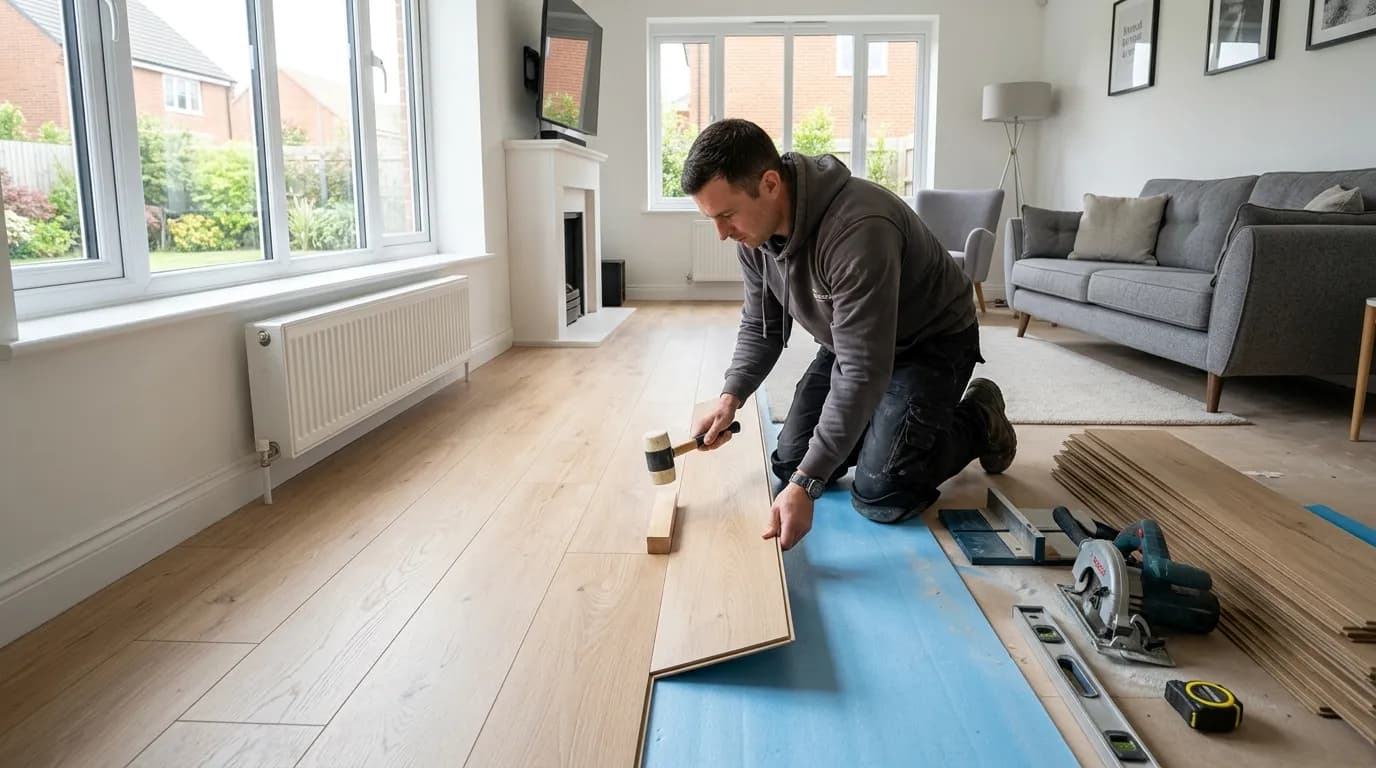
Which flooring for which room?
Different rooms have different demands. Here is a quick guide to the best flooring options for each part of your home.
| Room | Best options |
|---|---|
| Living room | Carpet, engineered wood, laminate, LVT |
| Bedroom | Carpet, engineered wood, laminate |
| Kitchen | LVT/vinyl, tile, water-resistant laminate |
| Bathroom | Vinyl/LVT, tile |
| Hallway | LVT, engineered wood, laminate, tile |
| Stairs | Carpet, hard-wearing LVT |
Underlay and fitting
Underlay matters more than you think
For carpet, a decent underlay (£4 to £8/m²) makes a bigger difference to how the carpet feels than spending more on the carpet itself. For laminate and engineered wood, underlay provides cushioning, sound insulation, and smooths out minor subfloor imperfections. Always buy the underlay recommended by the flooring manufacturer rather than the cheapest option.
DIY vs professional fitting
Laminate and click-fit LVT are realistic DIY projects if you are reasonably handy. Carpet fitting is best left to professionals because it requires specialist tools (knee kicker, carpet stretcher) and skill to get a clean finish at doorways and stairs. Tile fitting should always be done by a professional unless you are experienced. Engineered wood can go either way depending on the fitting method.
Subfloor preparation
The subfloor needs to be clean, dry, level, and structurally sound before any flooring goes down. Bumps and dips in the subfloor will show through thin flooring and cause wear points. Self-levelling compound (£3 to £8/m²) fixes uneven concrete. Loose or squeaky floorboards should be screwed down. This is the step that separates a professional result from a bodged one.
Removing old flooring
Old carpet is straightforward to remove and costs £3 to £5/m² if a fitter does it. Old vinyl can be trickier, especially if it is glued. Old tiles can be left in place if they are solid and level. Budget £3 to £8/m² for removal and disposal. If you are having new flooring fitted, most fitters include removal of the old flooring in their quote if you ask.
How to find a good flooring fitter
Match the fitter to the flooring type
Carpet fitters, tile layers, and wood floor specialists are different trades. A carpet fitter will not lay tile well, and a tiler should not be fitting engineered wood. Make sure whoever you hire has specific experience with the flooring type you have chosen. Using a TrustMark registered fitter (trustmark.org.uk) gives you additional consumer protection through the government-endorsed scheme.
Get three quotes for the same specification
Flooring quotes vary widely because fitters charge differently for subfloor preparation, underlay, door trims, and removal of old flooring. Get at least three written quotes that all cover the same flooring product, the same room area, and the same preparation work. A quote that includes underlay and door bars is not comparable to one that excludes them.
Ask what the quote includes
Make sure the quote is clear about: supply of materials (or fitting only), underlay, door trims and thresholds, moving furniture, removing and disposing of old flooring, and subfloor preparation. These extras add up quickly and are the most common source of unexpected costs.
Check recent work and reviews
Ask to see photos of recent fitting work, particularly close-up shots of joins, doorway transitions, and edges. These are the details that separate a careful fitter from a sloppy one. Google reviews and recommendations from friends or neighbours are the most reliable way to find someone good.
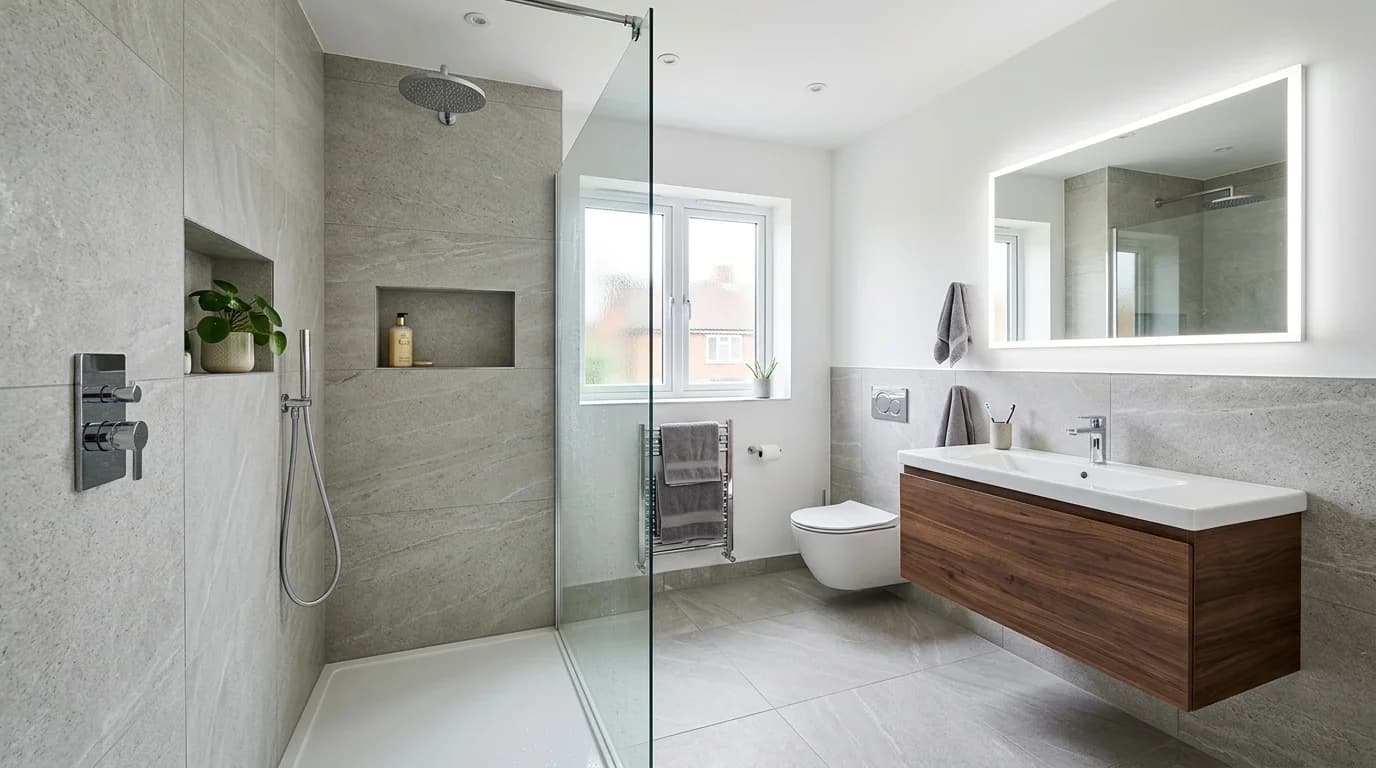
Flooring guides
Common questions about flooring
What is the cheapest type of flooring?
Carpet and laminate are the cheapest options, both starting from around £8 per square metre for materials. Budget laminate with underlay and fitting costs roughly £20 to £35 per m² all in. Budget carpet with underlay and fitting costs a similar amount. Sheet vinyl is also very affordable at £8 to £15 per m² for materials. For a typical 15m² room, you can get new flooring down for £300 to £500 at the budget end.
Is engineered wood better than laminate?
Engineered wood is a real wood surface layer bonded to a plywood or HDF core. It looks and feels like real wood because it is real wood on top. It can be sanded and refinished once or twice, depending on the thickness of the top layer. Laminate is a photographic image of wood sealed under a hard-wearing clear layer. Good-quality laminate is very convincing, durable, and cheaper. For most rooms, mid-range laminate is perfectly fine. Engineered wood is worth the extra if you want the genuine feel and look of real timber.
What flooring is best for kitchens?
Vinyl or LVT (luxury vinyl tile) is the most popular kitchen flooring because it is waterproof, comfortable underfoot, easy to clean, and comes in a huge range of styles. Porcelain or ceramic tile is also excellent for kitchens but feels colder and harder underfoot. Laminate can work in a kitchen if it is water-resistant grade, but standing water will damage standard laminate. Avoid solid hardwood in kitchens as it reacts badly to moisture and temperature changes. The Which? flooring guide has independent test results on durability.
How long does it take to fit new flooring?
A single room (15 to 20m²) typically takes one day for carpet, laminate, or vinyl. Engineered wood takes one to two days depending on the fitting method. Tiling takes two to three days including preparation and grouting. A full house reflooring project (three bedrooms, hall, stairs, and landing) takes three to five days for carpet, or five to seven days for a mix of flooring types.
Do I need underlay for all flooring types?
Carpet always needs underlay. It makes a big difference to how the carpet feels underfoot and how long it lasts. Laminate and engineered wood need underlay for cushioning, sound insulation, and to smooth out minor subfloor imperfections. Vinyl and LVT do not usually need underlay if the subfloor is smooth and level. Tile does not use underlay but may need a self-levelling compound if the subfloor is uneven.
Should I remove old flooring before fitting new?
It depends on the type. Old carpet should always be removed. Laminate can sometimes be laid over old vinyl if it is flat and well-bonded, but removing it is better practice. Old tiles can be left in place if they are solid and level, with new flooring laid on top. Old floorboards in good condition can be sanded and used as the finished floor, or covered with new flooring. Most fitters charge £3 to £8 per m² for removing and disposing of old flooring.
Quote service coming soon
Get free quotes from flooring fitters near you
Free, no obligation. Read the cost guide first so you know what a fair price looks like before anyone gives you a number.