How Much Does a Painter & Decorator Cost in 2026?
Most UK homeowners pay between £200 and £500 per room for professional painting and decorating. Day rates typically run £180 to £280 outside London, or £250 to £350 in the capital. A full house repaint for a 3-bed semi usually costs £2,500 to £4,500.
£350
Average per room
£180 to £280
Day rate
£3,500
3-bed house
£2,800
Exterior (semi)
Prices updated April 2026 · Based on industry data and contractor submissions.
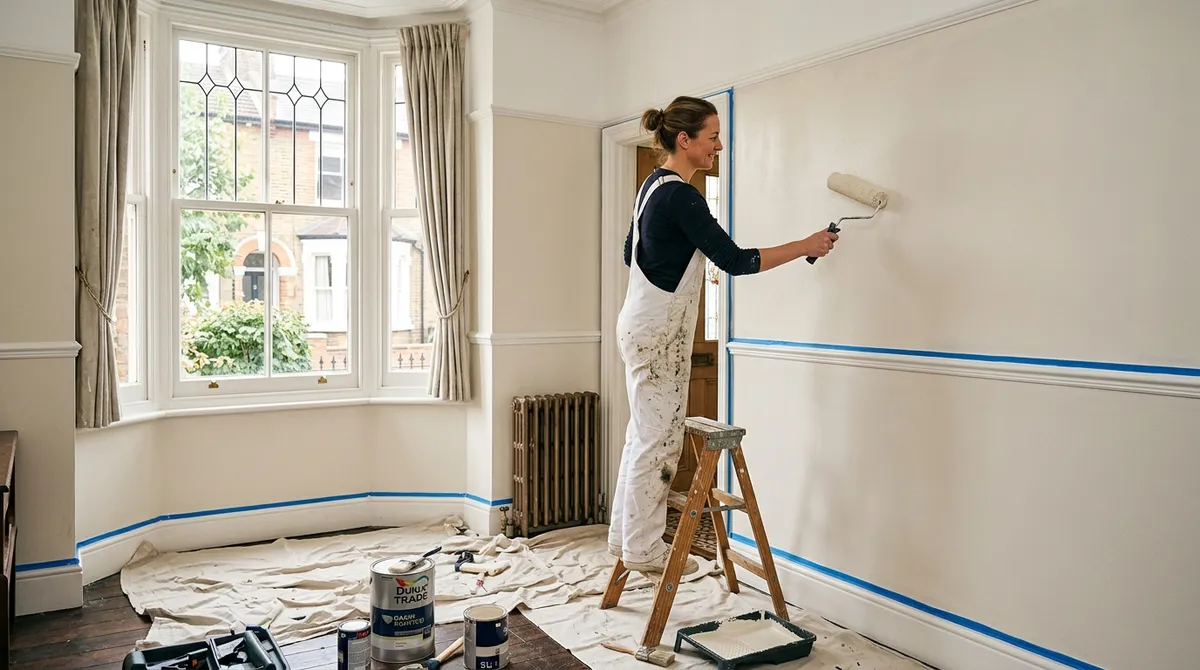
Cost to Paint a Room
Prices below include walls, ceiling, and woodwork (skirting, architraves, door frames) with two coats of emulsion and one coat of satinwood or gloss. Paint is usually included unless stated otherwise.
Small bedroom (8 to 10 sqm)
Single room, walls + ceiling + woodwork, 2 coats
£280
£200 to £350
Medium double bedroom (12 to 15 sqm)
Standard double, walls + ceiling + woodwork, 2 coats
£400
£300 to £500
Large bedroom / master (18 to 22 sqm)
Larger room, more wall area, often higher ceilings
£550
£400 to £700
Living room (20 to 30 sqm)
Typically the biggest room, may include picture rail or coving
£600
£450 to £800
Hallway, stairs & landing
Awkward access, high stairwell walls, usually takes 2 to 3 days
£700
£500 to £1,000
Kitchen (walls only)
Usually just walls - units cover most surfaces
£350
£250 to £500
Get Free Decorator Quotes
Compare prices from trusted local painters and decorators near you. Fill in a few details and receive up to 4 free, no-obligation quotes.
Cost to Paint a Whole House Interior
Full interior repaints work out cheaper per room than individual rooms because the decorator saves on setup and travel time. These prices cover every room, hallway, stairs and landing, ceilings, and all woodwork.
2-bed flat or house
All rooms, hallway, ceilings & woodwork
£2,000
£1,500 to £2,500
3-bed semi-detached house
All rooms, hall/stairs/landing, ceilings & woodwork
£3,500
£2,500 to £4,500
4-bed detached house
Full interior including multiple bathrooms, utility room
£5,500
£4,000 to £7,000
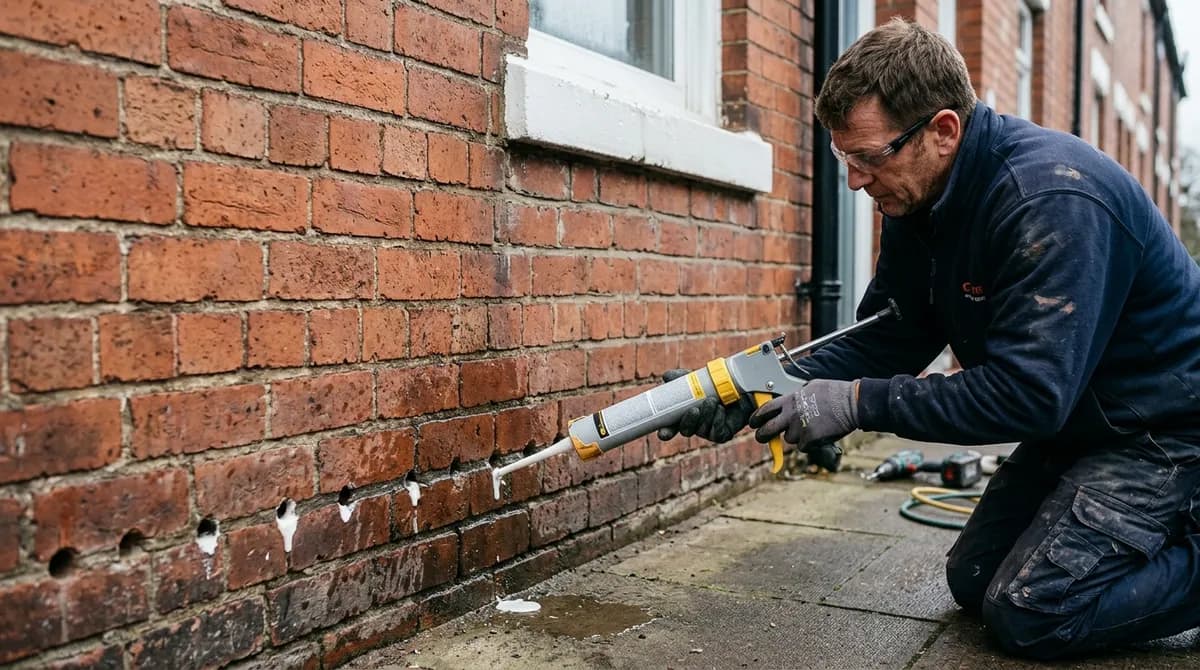
Exterior House Painting Cost
Exterior painting protects your brickwork and renders as much as it improves the look. Prices below include preparation (pressure washing, scraping, filling), primer where needed, and two coats of quality masonry paint. Scaffolding is usually extra.
Mid-terrace (front only)
Front wall, windows, door, fascias
£1,200
£800 to £1,500
Mid-terrace (front + rear)
Both elevations, all woodwork
£1,800
£1,200 to £2,500
Semi-detached house
Three elevations, all masonry and woodwork
£2,800
£2,000 to £3,500
Detached house
All four elevations, full exterior
£4,200
£3,000 to £5,500
Single external wall
One elevation, masonry paint, prep + 2 coats
£600
£400 to £900
Scaffolding adds £500 to £1,500 depending on the size of the property and how long it is needed. Some decorators include scaffolding in their quote, others treat it as a separate cost. Always check.
Wallpapering Cost
Wallpapering takes more skill and time than painting, which is why labour costs are higher. Prices below are for labour only - wallpaper is charged separately. A standard room needs 4 to 6 rolls. Budget wallpaper costs £8 to £15 per roll, mid-range £20 to £40, and designer papers £50 to £100+.
Small room (labour only)
Strip old paper + hang new, 4 rolls
£300
£200 to £400
Medium room (labour only)
Strip old paper + hang new, 5 to 6 rolls
£400
£300 to £500
Large room (labour only)
Strip old paper + hang new, 7 to 8 rolls
£550
£400 to £700
Feature wall only
Single wall, typically 2 to 3 rolls
£180
£120 to £250
Tip: Pattern-match wallpapers with large repeats waste more paper per roll, so you will need more rolls. Ask the decorator to calculate the exact number of rolls based on the pattern repeat before you buy.
Ceiling Painting Cost
Ceilings are usually included when a decorator paints a full room. As a standalone job, most decorators charge a minimum half-day rate. High ceilings and textured surfaces such as Artex cost more because of the additional access equipment and preparation time involved.
Standard ceiling (flat, easy access)
Single coat or touch-up, typical bedroom
£120
£80 to £180
Standard ceiling (2 coats)
Full repaint, standard height
£180
£120 to £250
High ceiling (3m+)
Requires platform or scaffolding, more time
£280
£200 to £400
Artex / textured ceiling
Needs sealing or skimming before painting
£350
£250 to £500
Artex and asbestos: If your ceiling has a textured coating applied before 2000, it may contain asbestos. Have it tested before anyone starts sanding, scraping, or removing it, see the HSE asbestos guidance. Testing kits cost around £30, or a professional survey costs £150 to £300.
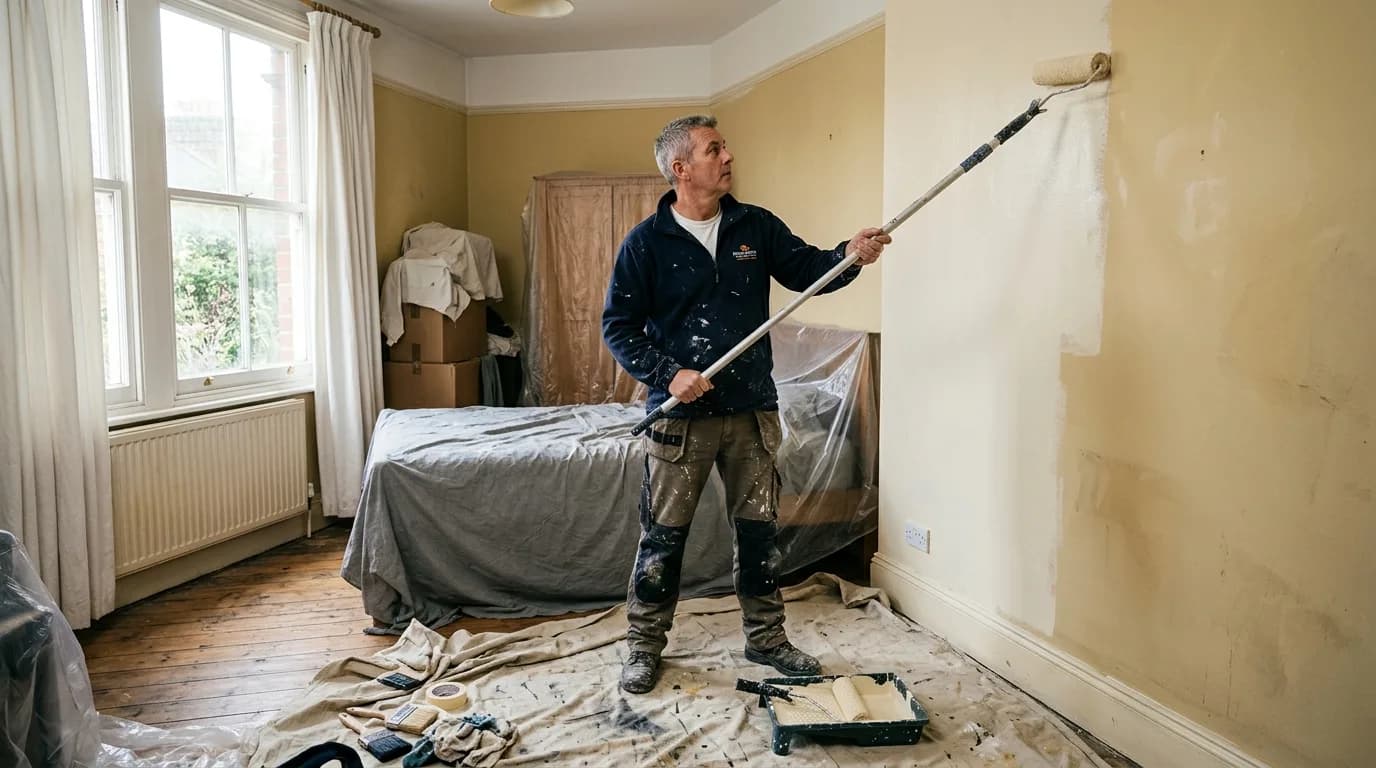
Preparation Work Costs
Preparation usually accounts for 30 to 50% of the total time on a decorating job. Skimping on prep is the main reason paint finishes look poor. Good decorators spend as long preparing as they do painting.
| Preparation Task | Typical Cost |
|---|---|
| Filling cracks and holes | £50 to £150 |
| Sanding woodwork | £50 to £100 |
| Stripping wallpaper | £100 to £200 |
| Mist coat on new plaster | £80 to £150 |
| Priming bare wood | £30 to £80 |
| Sugar soaping / cleaning walls | £30 to £60 |
| Removing Artex / textured coating | £200 to £600 |
Labour Rates
| Trade | Rate |
|---|---|
| Painter & decorator (day rate) | £180 to £280 |
| Painter & decorator (London) | £250 to £350 |
| Painter & decorator (hourly) | £20 to £35 |
| Wallpaper hanger (day rate) | £200 to £300 |
Day rates typically cover 8 hours. Some decorators quote per room or per job rather than per day - always confirm before work starts.
DIY vs Hiring a Decorator
Painting is one of the most common DIY jobs in the UK. For straightforward work - repainting a room a similar colour, using a roller on flat walls - it is perfectly achievable. For anything more complex, a professional will almost certainly get a better result.
| Factor | DIY | Professional |
|---|---|---|
| Cost per room | £50 to £120 (materials) | £200 to £500 (labour + materials) |
| Time per room | 1 to 2 days | Half day - 1 day |
| Finish quality | Good if careful | Professional standard |
| Cutting in | Takes practice | Clean, sharp lines |
| Woodwork finish | Often uneven | Smooth and consistent |
| Preparation | Often skipped | Thorough as standard |
What Affects the Cost of Painting & Decorating?
Room size and ceiling height
Bigger rooms have more wall area and take longer to paint. High ceilings (Victorian terraces, converted chapels) need platform towers or scaffolding, which adds time and sometimes hire costs. A room with 3-metre ceilings takes roughly 30% longer than a standard 2.4-metre ceiling.
Condition of the surfaces
Freshly plastered walls in a new build need a mist coat and two top coats, straightforward. Older properties with cracked plaster, multiple layers of wallpaper, or flaking paint need substantially more preparation. The worse the condition, the more time the job takes. If your property was built before 1960, older layers of paint may contain lead, the HSE lead paint guidance explains the risks and how to handle it safely.
Number of coats needed
Going from a light colour to a dark colour, or vice versa, may need three coats rather than two. Covering bold colours like red or dark blue almost always needs an extra coat or a tinted primer underneath. Each additional coat adds time and paint cost.
Paint quality and brand
Standard trade paint (Dulux Trade, Crown Trade) costs £20 to £35 per 5-litre tin. Premium brands like Farrow & Ball cost £50 to £80. For a 3-bed house, the difference between trade and premium paint can be £300 to £600 in materials alone. A Painting & Decorating Association member will know which products give the best coverage and finish for each surface.
Amount of woodwork
Painting woodwork (skirting boards, architraves, window frames, doors) takes longer per square metre than walls because of the cutting in and the need for a smooth, drip-free finish. A Victorian property with deep skirting boards, picture rails, dado rails, and panelled doors will cost more to decorate than a modern house with simple MDF trims.
Your location
Decorator rates are highest in London (£250 to £350 per day) and lowest in the North East and Wales (£150 to £220 per day). Materials cost the same nationwide - the difference is entirely in labour rates.
Painting & Decorating Costs by Region
Average cost to paint a standard double bedroom (walls, ceiling, woodwork, 2 coats) by UK region.
| Region | Average Cost | vs National |
|---|---|---|
| London | £450 | +30% |
| South East | £400 | +15% |
| South West | £370 | +7% |
| East of England | £360 | +4% |
| Midlands | £340 | Average |
| North West | £310 | -9% |
| Yorkshire | £300 | -12% |
| North East | £280 | -18% |
| Scotland | £300 | -12% |
| Wales | £290 | -15% |
Based on industry data. Prices for a standard double bedroom, fully painted including ceiling and woodwork.
How to Get Your Painting & Decorating for Less
Decorating is one of the easier trades to save money on - partly because materials are relatively cheap and partly because some of the work is genuinely suitable for DIY.
Get three quotes with the same spec
Decorator prices vary widely even within the same town. One may quote £300 per room, another £500 for identical work. Specify exactly what you want - number of coats, whether ceilings are included, who supplies the paint - and compare like for like.
Supply your own paint
Some decorators mark up paint by 20-40%. Buying trade paint yourself from Dulux Trade, Crown Trade, or Johnstone's - either online or from a trade counter - can save £100 or more on a whole-house job. Agree this upfront so the decorator knows what they are working with.
Do the preparation yourself
Filling small cracks, sanding woodwork, and stripping old wallpaper are time-consuming but not technically difficult. If you do the prep work before the decorator arrives, you cut the labour time significantly. Just make sure the decorator is happy with the standard of prep before they start painting.
Book multiple rooms together
Decorators prefer bigger jobs because they save on travel time and setup. A whole-house job will almost always work out cheaper per room than booking rooms individually. If your budget is tight, do the main rooms now and agree to book the rest within a few months - many decorators will honour the same rate.
Time it right
Decorators are busiest in spring and summer, especially for exterior work. Booking interior work in the quieter winter months (November to February) can sometimes get you a better rate. For exterior painting, early autumn is ideal - warm enough for the paint to cure, but you avoid the summer premium.
Use trade paint, not premium brands
Farrow & Ball and Little Greene look lovely but cost £50 to £80 per tin. Dulux Trade and Crown Trade give an excellent finish at £20 to £35 per tin and are what most professional decorators use day to day. Unless you specifically want a designer colour, trade paint is the smarter choice.
Check whether the decorator is VAT-registered
Most one-person decorating businesses turn over less than £90,000 a year, so they are not VAT-registered and cannot charge VAT. A larger firm that is registered has to add 20% to the whole bill. On a £3,000 house repaint that is up to £600 you never pay by choosing a smaller sole trader. VAT status has nothing to do with the quality of the work, so it is worth asking before you compare quotes.
Empty homes and conversions get 5% VAT, not 20%
If you are decorating a property that has stood empty for two years or more, or one being converted to create a different number of homes, a VAT-registered decorator can charge the reduced 5% VAT rate instead of the standard 20% on both labour and the materials they supply. On a full redecoration that saves hundreds of pounds. Ask the decorator to confirm the property qualifies, and keep evidence such as council tax records showing how long it was empty.
Comparing quotes is the simplest way to pay less
Getting three or four quotes and comparing them is how most homeowners avoid overpaying. It takes a couple of minutes, with no obligation.
Get my free quotesWhat to Expect: The Painting & Decorating Process
A standard room takes a professional decorator about a day. Here is the typical sequence.
- 1
Quote and colour selection
A good decorator will visit before quoting to check the condition of the walls, woodwork, and any existing coatings. They will advise on how many coats are needed and flag any preparation work. Agree the colours, paint brand, and who is supplying materials before work starts.
- 2
Room preparation
Furniture is moved or covered. Floors are protected with dust sheets. Light switches, sockets, and fittings are masked. This is also when the decorator fills cracks, sands woodwork, and strips any wallpaper that needs removing.
- 3
Priming and undercoating
New plaster gets a mist coat. Bare wood is primed. Stained areas are sealed with a stain block. Woodwork gets an undercoat if the colour is changing. This stage is what separates a good job from a quick one.
- 4
First coat
Ceiling first, then walls, then woodwork. The first coat shows up any imperfections that need a second fill. A good decorator will address these before the second coat goes on.
- 5
Second coat and finishing
Second coat applied with adequate drying time since the first. Woodwork gets its top coat. Masking tape removed carefully while the paint is still slightly tacky for the cleanest lines. Any touch-ups are completed and dust sheets removed.
Frequently Asked Questions
How much does a painter and decorator cost per day in the UK?
A painter and decorator typically charges between £180 and £280 per day outside London. In London and the South East, expect to pay £250 to £350 per day. Day rates usually include labour only - paint and materials are charged separately unless agreed upfront.
How much does it cost to paint a room in the UK?
Painting a small bedroom (8-10 sqm) costs £200 to £350. A medium double bedroom (12-15 sqm) runs £300 to £500. A large living room (20-30 sqm) typically costs £450 to £700. These prices include walls and ceiling with two coats of emulsion, plus woodwork such as skirting boards and door frames.
How much does it cost to paint the outside of a house?
Exterior painting for a mid-terrace house costs around £1,200 to £2,000. A semi-detached house runs £2,000 to £3,500. A detached house typically costs £3,000 to £5,500. These prices include preparation, primer where needed, and two coats of masonry paint. Scaffolding is usually extra and can add £500 to £1,500 depending on the property.
How much does wallpapering cost per room?
Wallpapering a small room costs £200 to £350 for labour. A medium room runs £300 to £450, and a large room costs £400 to £600. Stripping old wallpaper first adds £100 to £200 per room. The wallpaper itself is extra - budget rolls start at £8 to £15 per roll, while designer papers cost £40 to £100+ per roll. Most rooms need 4 to 6 rolls.
How much does it cost to paint a whole house interior?
Painting a 2-bedroom flat or house typically costs £1,500 to £2,500. A 3-bedroom house runs £2,500 to £4,500. A 4-bedroom house costs £4,000 to £7,000. These prices cover walls, ceilings, and woodwork throughout, with two coats of emulsion and one or two coats of gloss or satinwood on the woodwork.
Is it cheaper to paint a room yourself or hire a decorator?
DIY painting costs roughly £50 to £120 per room in materials (paint, brushes, rollers, dust sheets, masking tape). Hiring a decorator for the same room costs £200 to £500 including labour. DIY saves money but takes longer, and the finish is rarely as good - especially on ceilings, woodwork, and cutting in. If you are repainting over a similar colour, DIY is straightforward. For new plaster, wallpaper stripping, or colour changes on woodwork, a professional will get a much better result.
How long does it take to paint a room?
A professional painter can paint a standard double bedroom (walls, ceiling, woodwork) in one day. A larger living room takes 1 to 2 days. If there is significant preparation work - filling cracks, sanding, priming bare plaster - add half a day to a full day. As a DIYer, expect each room to take roughly twice as long.
How much does it cost to paint a ceiling?
Painting a ceiling in a standard room costs £100 to £250 as part of a wider decorating job. As a standalone job, expect to pay more - most decorators charge a minimum half-day rate even for a single ceiling. High ceilings or textured ceilings (such as Artex) cost more because of the additional preparation and access equipment required.
Do I need to move furniture out before the decorator arrives?
Most decorators will move small items and cover furniture with dust sheets, but they expect the room to be reasonably clear. Heavy furniture, electronics, and valuables should be moved or pushed to the centre of the room before work starts. Some decorators charge extra if they need to spend significant time preparing the room. Ask when booking to avoid surprises on the day.
Related cost guides

Written by Chris Kervin, Co-Founder of Less.co.uk
Last updated: · Pricing based on industry data and verified contractor submissions · Methodology