How Much Does Electric Gate Automation Cost in 2026?
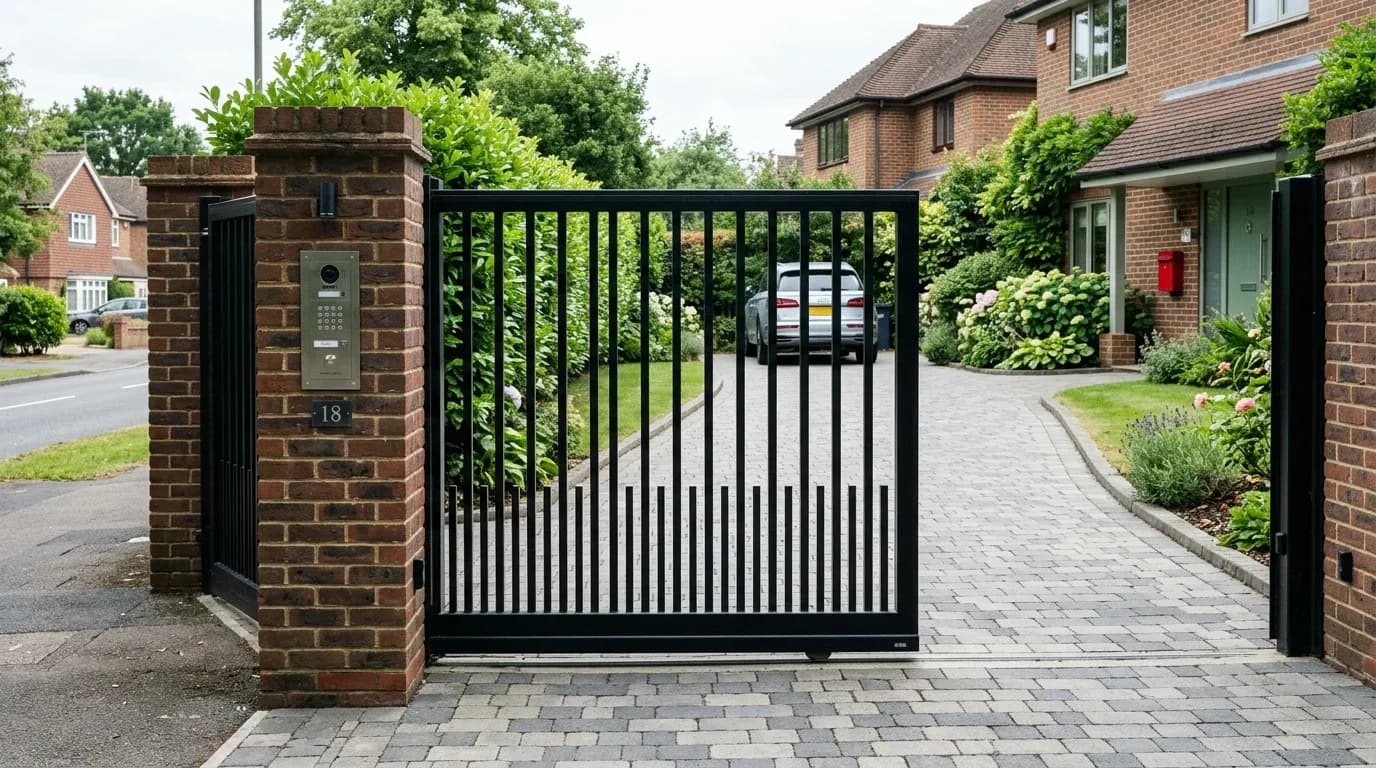
Automating existing swing gates costs £1,500 to £3,000, while sliding gate automation runs £2,000 to £4,000. Brand-new electric gates with automation start at £3,000 for swing and £4,000 for sliding. Here is the full breakdown covering motor types, access control, safety requirements, and how to keep costs down.
£1,500
Automate existing from
£3,000
New electric gates from
£4,000
Sliding from
£500 to £1,000
Safety kit
Prices updated April 2026 · Based on industry data and contractor submissions.
Safety regulations apply. All automated gates must meet the Supply of Machinery (Safety) Regulations 2008 and BS EN 13241. Safety edges, photocells, and auto-reverse are legally required on every installation. The Gate Safe charity was founded following fatal accidents involving powered gates, always use a DHF-approved installer.
Electric Gate Automation Costs by Type
These prices cover motors, control unit, safety devices, and remote fobs. Access control upgrades (intercom, keypad, app control) are listed separately below. Check the Planning Portal gate height guidance if your gates are over 1 metre high next to a road.
Automate existing swing gates (pair)
Motors, control unit, safety devices, remote fobs
£2,200
£1,500 to £3,000
Automate existing sliding gate
Motor, track drive, control unit, safety devices
£3,000
£2,000 to £4,000
New swing gates + automation
New gate pair, posts, motors, access control
£5,500
£3,000 to £8,000
New sliding gate + automation
New gate, track, motor, safety, access control
£7,000
£4,000 to £10,000
Intercom / video entry (extra)
Added to any automation system
£650
£300 to £1,000
Safety kit only (retrofit)
Photocells, safety edges, auto-reverse for existing motors
£700
£500 to £1,000
Swing Gates vs Sliding Gates
The choice between swing and sliding automation comes down to your driveway layout rather than personal preference.
Swing Gates
- + Cheaper to automate (from £1,500)
- + Simpler mechanism, easier to service
- + More gate styles and materials available
- - Need clear space behind to swing open
- - Do not work well on sloped driveways
- - Wind resistance can affect automation
Best for: flat driveways with at least 3 to 4m of clear run-in space
Sliding Gates
- + No opening arc, gate slides parallel to fence
- + Works on sloped driveways
- + Better for wider openings (4m+)
- - More expensive (from £2,000 to automate)
- - Needs track run space beside the opening
- - Ground track can collect debris
Best for: short driveways, slopes, or wide openings where swing gates are not practical
Gate Motor Types and Costs
The motor type has the biggest effect on the final price. Here is what each option costs and where it works best.
| Motor Type | Typical Cost |
|---|---|
Ram arm (linear) Most common for swing gates. A visible arm extends and retracts to push the gate open. | £400 to £800 per pair |
Articulated arm Jointed arm design, good where the gate opens both ways or space behind the gate is limited. | £500 to £900 per pair |
Underground motor Hidden below the gate post for a very clean look. Pricier and needs good drainage. | £800 to £1,400 per pair |
Track drive (sliding) Rack-and-pinion motor that runs the gate along a ground track. | £600 to £1,200 |
Overhead cantilever (sliding) Gate hangs from an overhead rail, no ground track needed. Good for uneven surfaces. | £900 to £1,800 |
Safety Requirements
UK law is clear: powered gates are machinery and must comply with the Door & Hardware Federation (DHF) powered gate safety standards, the Supply of Machinery (Safety) Regulations 2008, and BS EN 13241.
The Gate Safe charity was set up after children were killed by automated gates that had not been installed or maintained properly. It campaigns for proper safety standards and maintains a register of approved installers.
Every powered gate installation must include:
- Photocells, infrared beams across the gate opening that stop the gate if anything breaks the beam
- Safety edges, pressure-sensitive strips on the leading edge of the gate that trigger auto-reverse on contact
- Force limitation, motor settings that limit how much pressure the gate can apply before reversing
- Manual release, allows the gate to be opened by hand during a power cut
- Declaration of conformity, installer must provide this document to certify the installation meets all requirements
Access Control Options
Remote fobs come as standard with virtually every installation. These are the most popular upgrades and what they typically cost to add.
| Option | Typical Cost |
|---|---|
| Remote control fobs (2) | Usually included |
| Keypad entry | £100 to £300 |
| Video intercom | £300 to £800 |
| Smartphone app control | £150 to £400 |
| Number plate recognition | £500 to £1,500 |
| Battery backup unit | £100 to £300 |
Additional Costs to Budget For
| Item | Typical Cost |
|---|---|
| Electrical supply to gate | £300 to £800 |
| Gate post / pillar reinforcement | £200 to £600 |
| Concrete track foundation (sliding) | £300 to £600 |
| Safety edges and photocells | £200 to £400 |
| Annual service | £100 to £200 |
Planning Permission for Automated Gates
Most automated gate installations do not need planning permission. Under permitted development rules, you can install gates up to 1 metre high next to a road, or up to 2 metres high elsewhere on your property, without applying to the council.
You will need planning permission if:
- The gates are more than 1 metre high and next to a public highway
- The gates are more than 2 metres high anywhere else
- Your property is in a conservation area or an Area of Outstanding Natural Beauty (AONB)
- Your property is a listed building
For full guidance, see the Planning Portal: fences, gates and garden walls. If in any doubt, contact your local planning authority, it is free to ask and saves the hassle of enforcement later.
Ongoing Costs
£100 to £200
Annual service
Safety check, lubrication of hinges and motor, adjustment of limit switches and safety devices. Recommended every 12 months.
Minimal
Electricity
A gate motor draws roughly the same power as a low-energy bulb when running. Annual electricity cost is typically under £10.
£100 to £300
Battery backup
Fitted once. Ensures the gates open and close normally during power cuts, so you are never locked in or out.
How to Get Your Gate Automation for Less
The Gate Safe charity maintains a register of approved installers who follow proper safety standards, always start there when choosing who to use.
Automate existing gates rather than buying new ones
If your current gates are structurally sound and hang well, an automation kit can save you £1,500 to £4,000 compared to buying new electric gates. The key checks: are the gates heavy enough for the motor, are the hinges and posts solid, and do the gates open and close freely? A good installer will assess this before quoting.
Choose arm-mounted motors over underground
Underground motors look the part, they are hidden and neat, but they cost £300 to £600 more per pair, are harder to service, and can suffer in waterlogged ground. Arm-mounted motors are visible but far more practical: cheaper to fit, easier to maintain, and just as reliable. Unless kerb appeal is the top priority, arm-mounted is the better value call.
Get at least 3 quotes before committing
Gate automation prices vary considerably between installers. Getting 3 quotes is the single most reliable way to avoid overpaying, and it gives you leverage to negotiate. Make sure each quote covers motors, safety devices, control unit, cabling, and commissioning, so you are comparing like for like.
Combine with driveway or fencing work
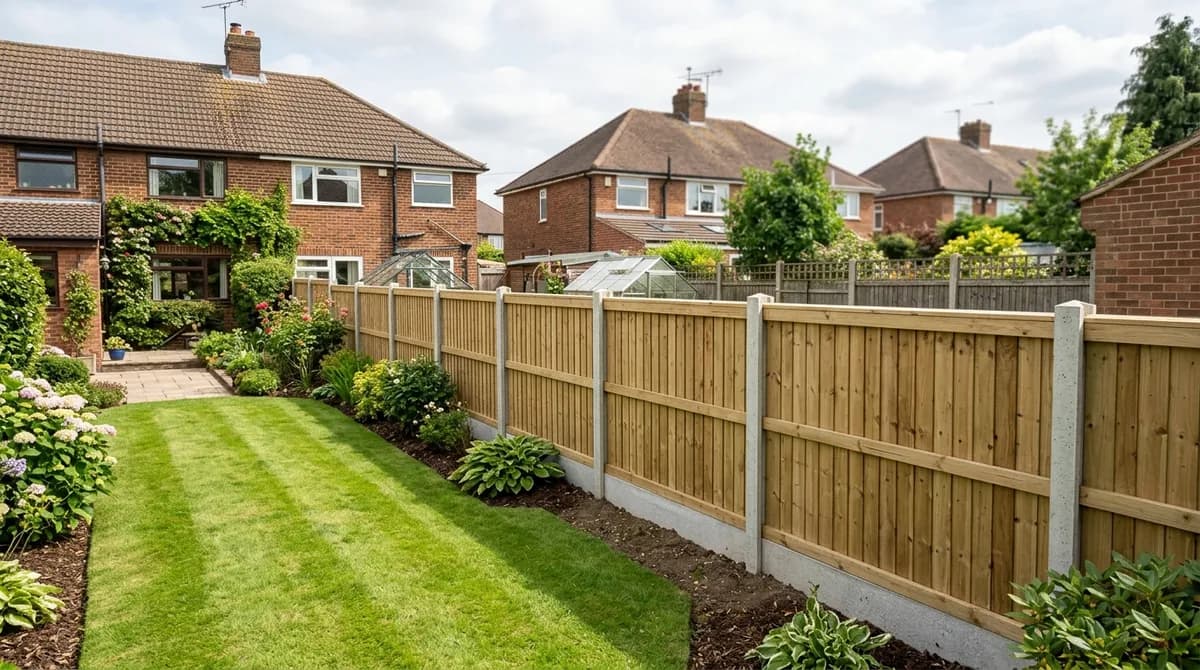
If you are also resurfacing the driveway or installing new fencing, doing the gate automation at the same time saves money. The electrician can run the cable while the ground is already broken up, and the groundwork contractor can pour the post foundations in the same visit. Bundling work typically saves 10 to 15% on the total job.
Go solar if the gate is a long way from the house
Running mains power to a gate at the end of a long drive means trenching and armoured cable, which can add several hundred pounds to the bill. A solar powered kit generates its own power on site and removes that cost. Solar suits gates with light to moderate use, so ask the installer to size the panel and battery for UK winter daylight so it does not run flat in December.
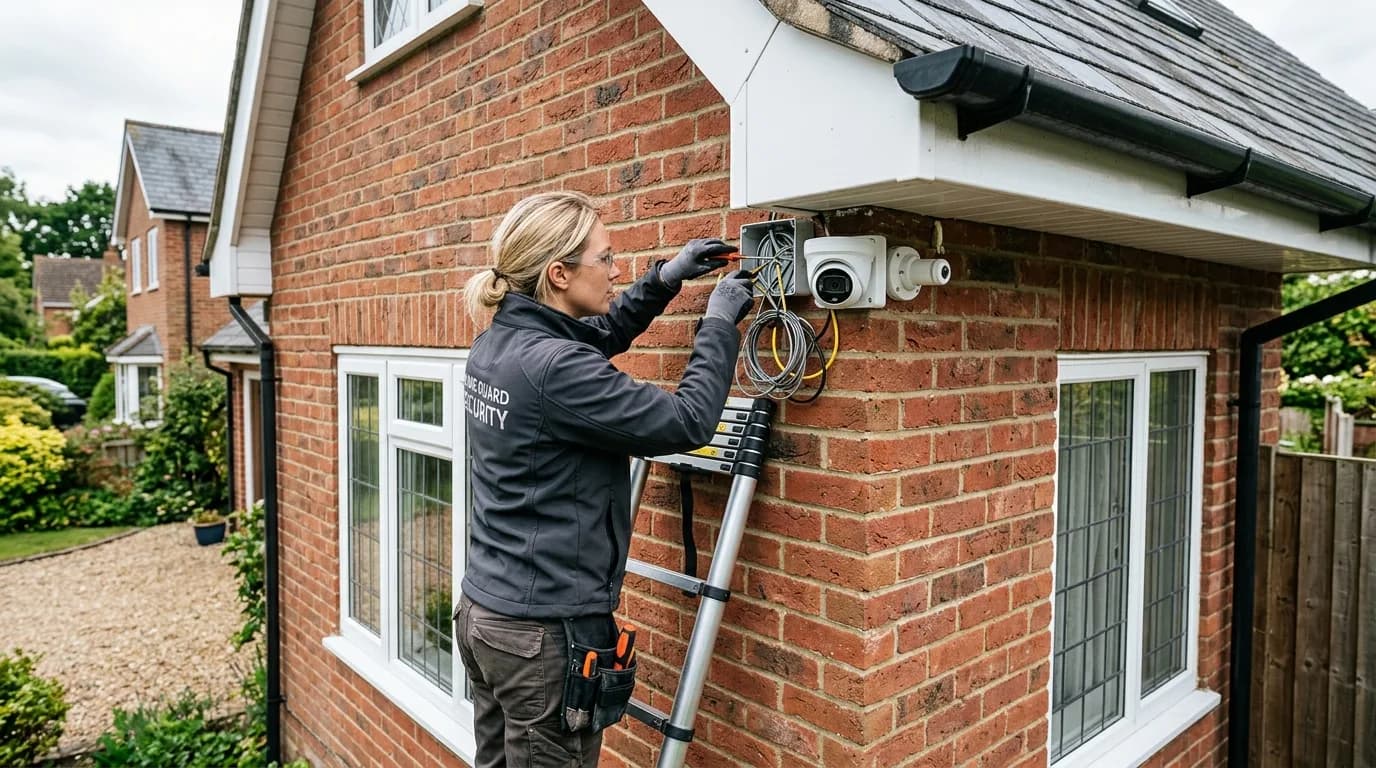
Use a Part P registered electrician for the power supply
The motor usually needs a new outdoor circuit, which is notifiable electrical work under Part P. An electrician registered with a competent person scheme such as NICEIC or NAPIT can self-certify the work and notify building control for you. Do it any other way and you pay the council building control fee yourself, typically £200 to £400.
Useful Resources
Gate Safe
Safety standards, installer register, and guidance following fatal gate accidents
Door & Hardware Federation (DHF)
Powered gate safety requirements and approved installer guidance
Planning Portal: Fences, Gates and Garden Walls
Official guidance on gate height and when planning permission is required
What to Expect: The Gate Automation Process
Gate automation is a specialist job that typically takes a full day. Here's what happens from survey to handover.
- 1
Site survey and gate assessment
An installer inspects your existing gates (or site for new gates), checks post condition, measures clearances, and assesses the driveway slope. This determines whether swing or sliding automation is suitable.
- 2
Choose motor type and access control
Based on the survey, the installer recommends a motor type (ram arm, underground, or sliding track) and access control options such as remote fobs, keypads, or intercom systems.
- 3
Install gate posts and tracks if needed
For new gates or where posts need reinforcing, steel or concrete posts are set. Sliding gates require a ground track to be laid across the driveway opening.
- 4
Fit motors and control unit
Motors are mounted to the gate posts (or buried underground for concealed systems). The control unit, transformer, and wiring are installed in a weatherproof housing nearby.
- 5
Install safety devices
Photocells, safety edges, and force limitation devices are fitted to comply with the Supply of Machinery (Safety) Regulations 2008 and BS EN 13241. A manual release is also installed for power cuts.
- 6
Test, commission, and handover
The system is tested for correct opening and closing, obstacle detection, and manual override. The installer provides a Declaration of Conformity and demonstrates operation to the homeowner.
Frequently Asked Questions
How much does it cost to automate existing gates?
Automating existing swing gates (a pair) typically costs £1,500 to £3,000, depending on the type of motor chosen and the condition of the gates. Existing sliding gates cost £2,000 to £4,000 to automate. These prices include motors, control unit, safety devices, and basic remote fobs. If the gates need repairs or the posts need reinforcing, add £200 to £500 on top.
What is the difference between swing and sliding gate automation?
Swing gates open on hinges like a door, they need space behind them to swing open, which means they work best on flat driveways with enough depth. Sliding gates run along a track parallel to the fence and need no opening arc, making them ideal for sloped driveways or tighter plots. Sliding gates cost more (£2,000 to £4,000 to automate versus £1,500 to £3,000 for swing), but suit spaces where swing gates simply cannot work.
Do automated gates require safety devices by law?
Yes. UK law requires all powered gates to comply with the Supply of Machinery (Safety) Regulations 2008 and BS EN 13241. Every installation must include safety edges or photocells to detect obstructions, a force limitation system, and a manual release for power cuts. The Gate Safe charity was founded after children were killed by automated gates, this is not an area to cut corners. Always use a DHF-approved installer.
Do I need planning permission for automated gates?
In most cases, no. Permitted development rules allow gates up to 1 metre high next to a road, or up to 2 metres high elsewhere, without planning permission. However, if your property is in a conservation area, is listed, or the gates are adjacent to a public highway, you may need to apply. When in doubt, contact your local planning authority before installation.
What types of motor are available for swing gates?
There are three main motor types for swing gates: underground motors (hidden beneath the gate post, expensive but very neat), ram arm motors (a visible linear arm, the most common and reliable choice), and articulated arm motors (a jointed arm, good for gates that open both inward and outward). Underground motors cost £300 to £600 more per pair than arm-mounted options, but suit properties where appearance is a priority.
How much does gate automation cost to run each year?
Running costs are low. Electricity usage is minimal, a gate motor uses about the same power as a low-energy light bulb when operating. The main ongoing cost is an annual service at £100 to £200, which covers safety checks, lubrication, and adjustments. A battery backup unit costs £100 to £300 fitted and ensures the gates still work during power cuts.

Reviewed by Chris Kervin, Less.co.uk Home Improvement Costs Specialist
Last updated: April 2026 · Pricing based on industry data and verified contractor submissions · Methodology
Ready to automate your gates for less?
Compare automation quotes from local gate specialists and make sure you are getting a fair price.
Compare Free QuotesFree, no obligation · Local installers · Compare up to 3 quotes