Log Burner Rules 2026: What You Need to Know
There's a lot of confusion about whether you can still install a log burner, what the rules are about Smoke Control Areas, and what type of wood you're allowed to burn. Here's everything you need to know, without the scaremongering.

Chris Kervin
Written by Chris Kervin, Co-Founder of Less.co.uk
The short answer
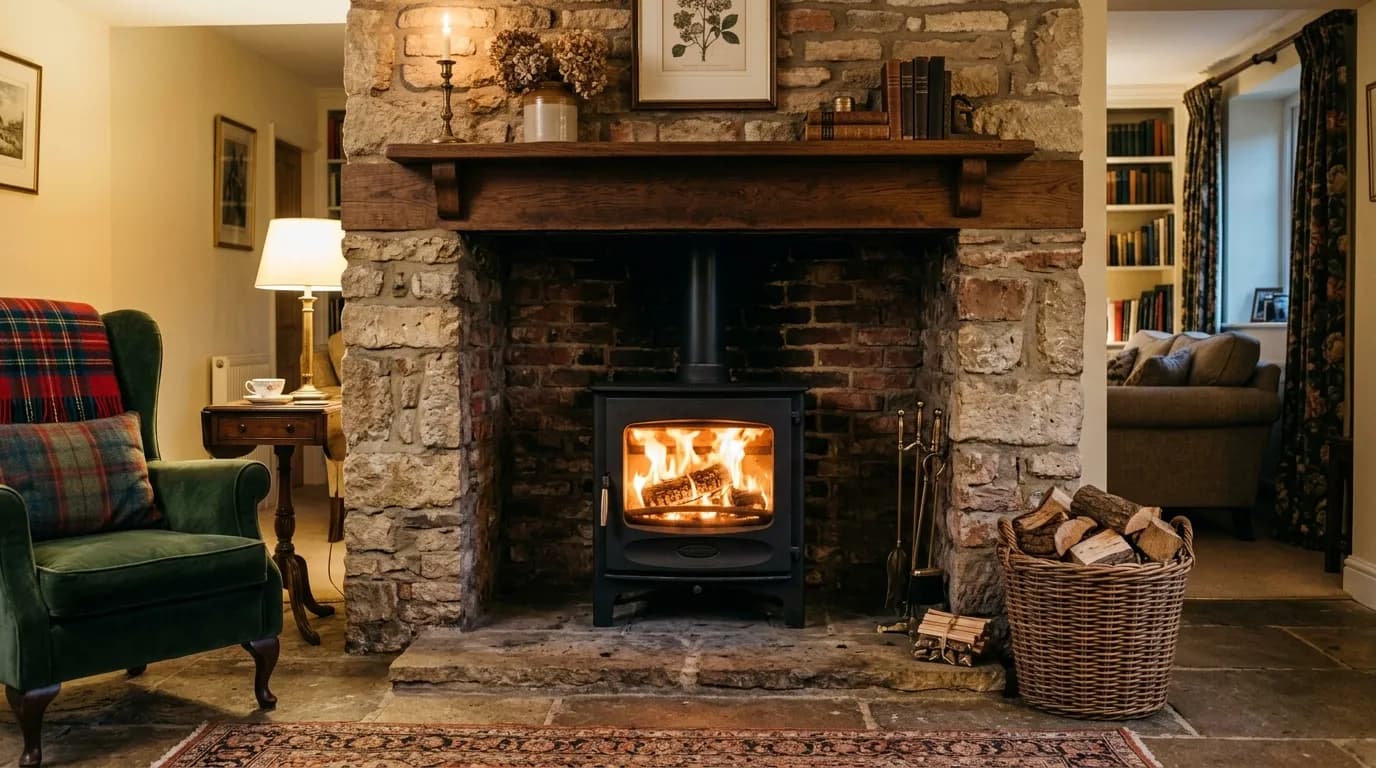
Log burners are not banned. You can still install one in 2026, provided it meets Ecodesign standards (required since January 2022), is DEFRA-approved if you live in a Smoke Control Area, and is installed by a HETAS registered engineer or signed off by Building Control.
The Ecodesign rules (since January 2022)
The biggest change to log burner regulations came in January 2022, when England adopted the EU Ecodesign Directive for solid fuel appliances. Since then, every new wood-burning stove sold must meet strict standards:
- -Minimum 75% energy efficiency
- -Particulate matter (PM) emissions no higher than 40mg/m³
- -Carbon monoxide (CO) emissions no higher than 1,500mg/m³
- -Nitrogen oxide (NOx) emissions no higher than 200mg/m³
In practical terms, this means the cheap, old-fashioned stoves that belched smoke are no longer sold new. Modern Ecodesign stoves burn far more cleanly, produce less visible smoke, and use less wood to generate the same amount of heat. They're genuinely better appliances.
If you already have an older stove that doesn't meet these standards, you can still use it. There's no requirement to replace existing stoves, at least not yet. But if you're buying new, it must be Ecodesign-compliant. All reputable retailers now only stock compliant models.
Smoke Control Areas: do you live in one?
Smoke Control Areas were introduced under the Clean Air Act 1993(originally 1956, after the Great Smog of London). In a Smoke Control Area, it's an offence to emit smoke from a chimney unless you're burning an authorised fuel or using an exempt (DEFRA-approved) appliance.
Most built-up areas in England are Smoke Control Areas. This includes most of London, Manchester, Birmingham, Leeds, Bristol, and dozens of other towns and cities. If you live in a city or large town, you're almost certainly in one. You can check on the DEFRA Smoke Control Areas map or by calling your local council.
If you're in a Smoke Control Area and want a log burner, you need a DEFRA-exempt stove. These have been specifically tested and approved to produce low enough emissions that they can be used legally. The good news is that most modern Ecodesign stoves are also DEFRA-exempt, but always check, the two certifications are separate.
The penalty for breaking Smoke Control Area rules was increased in 2021. Fines of up to £300 can be issued on the spot by local authorities, though enforcement varies widely.
Building Regulations: Part J
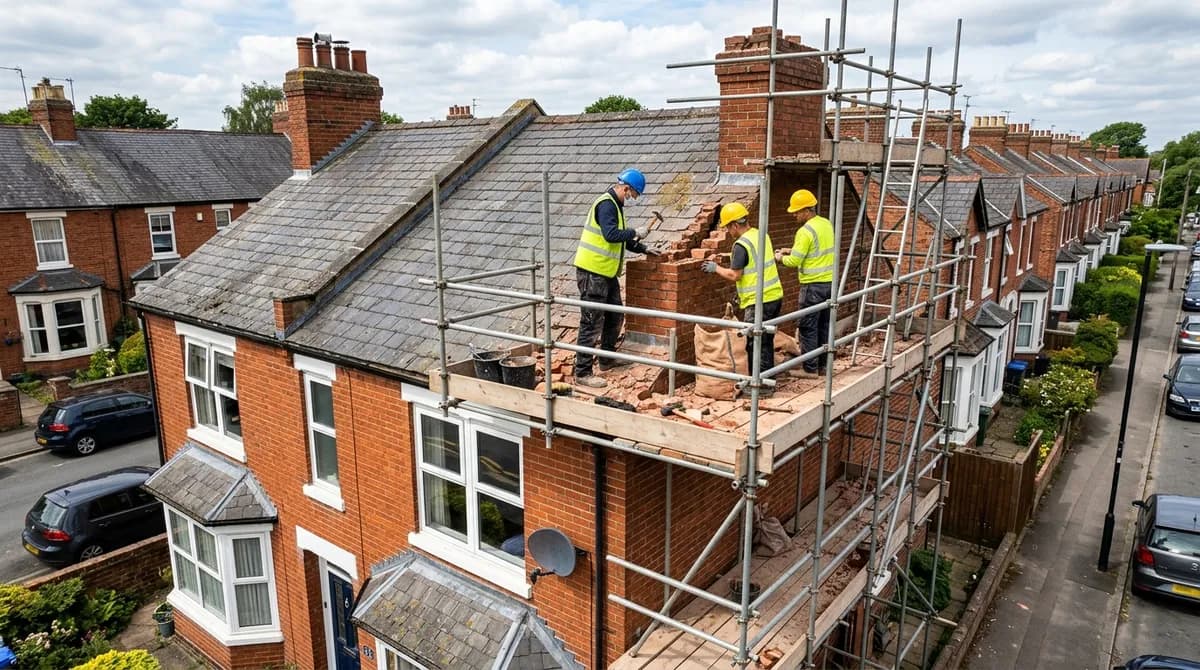
Installing a wood-burning stove is notifiable work under Part J of the Building Regulations (combustion appliances and fuel storage systems). This covers:
- !The stove itself, it must be properly positioned with safe clearances from combustible materials (walls, floors, furniture).
- !The hearth, a non-combustible hearth is required, extending at least 300mm in front of the stove and 150mm either side.
- !The flue and chimney, the flue must be the correct diameter for the stove, properly insulated, and extend to the correct height above the roofline.
- !Ventilation, the room needs adequate air supply. For stoves over 5kW, a permanent air vent is typically required.
- !Carbon monoxide alarm, a CO alarm must be fitted in the same room as the stove. This has been a Building Regulations requirement since October 2010.
HETAS installers: the easy route
HETAS (Heating Equipment Testing and Approval Scheme) is the official body for solid fuel heating in the UK. Using a HETAS registered installer is by far the simplest way to get your log burner installed legally.
A HETAS installer can self-certify the work under the competent person scheme. This means they don't need to involve Building Control separately, they inspect their own work, certify it, and notify the local authority directly. You'll receive a certificate proving the installation complies with Building Regulations. Keep this safe; you'll need it if you sell the house.
If you use a non-HETAS installer (which isn't illegal, but is riskier), you'll need to apply to your local Building Control yourself. They'll charge a fee (typically £200 to £400) and will need to inspect the installation. If it doesn't meet standards, you'll have to pay to put it right.
You can find HETAS registered installers at hetas.co.uk.
The fuel rules: what you can and can't burn
Since the Environment Act 2021 and the supporting regulations that followed, the rules on what you can burn have tightened significantly.
You can burn
- Dry, seasoned wood with a moisture content of 20% or less
- Kiln-dried logs (these are consistently dry and burn well)
- Wood briquettes made from compressed sawdust
- Authorised manufactured solid fuels (smokeless coal, etc.)
You must not burn
- Wet or unseasoned wood (over 20% moisture content)
- Treated, painted, or varnished wood
- Plywood, MDF, chipboard, or laminated wood
- Household waste, plastics, or cardboard in quantity
- Traditional bituminous house coal (banned for sale since May 2023)
The "Ready to Burn" scheme is the easiest way to ensure your wood meets the standard. Logs sold in bags under 2 cubic metres must carry the Ready to Burn logo, confirming they have a moisture content below 20%. If you buy in bulk (over 2 cubic metres), the seller must provide a moisture content declaration, but the Ready to Burn certification isn't mandatory for large loads.
A moisture meter costs about £15 to £25 and is a worthwhile investment if you season your own wood. Check a few logs from the middle of your stack, not just the dry-looking ones on the outside.
Do you need planning permission?
For the stove itself, no. Installing a wood burner inside your home doesn't normally require planning permission.
For the flue, it depends. If the flue pipe exits through the roof and doesn't extend more than one metre above the highest part of the roof, it's usually covered by Permitted Development. If it's on the side of the building and visible from a road, you may need planning permission. And if you live in a conservation area, a listed building, or a national park, always check with your local planning authority first.
External twin-wall flue systems (used when there's no existing chimney) are more visible and more likely to need planning permission, especially on the front or side of a property.
What about existing stoves?
If you already have a wood burner that was installed before January 2022 and doesn't meet Ecodesign standards, you can still use it. There's currently no legal requirement to replace older stoves in private homes.
That said, there are good reasons to consider upgrading:
- Modern stoves use 30 to 50% less wood to produce the same heat. Over a winter, that's a significant saving on fuel costs.
- They produce far less smoke and particulate matter, better for your neighbours, better for the environment, and less likely to attract complaints.
- An old, inefficient stove can be a selling point against you when you come to sell. A modern, Ecodesign stove is a positive feature.
- If you're in a Smoke Control Area with a non-exempt stove, you are technically breaking the law every time you use it. Enforcement is rare, but the rules exist.
Annual maintenance
Owning a log burner comes with ongoing responsibilities. You need to get the chimney swept at least once a year, ideally before the start of each heating season. A chimney sweep costs £60 to £90, and they'll check for any damage or blockages while they're there. Many home insurance policies require an annual sweep certificate, and some won't pay out for a chimney fire if you can't prove the chimney was maintained.
Keep an eye on the rope seal around the stove door (it perishes over time and needs replacing every few years), check the fire bricks inside the firebox for cracks, and make sure the air controls and baffle plate are working properly. A well-maintained stove will last 15 to 25 years.
Frequently asked questions
Are log burners being banned in the UK?
No. Log burners are not being banned. What has changed is that since January 2022, all new wood-burning stoves sold in England must meet Ecodesign standards, meaning they must be at least 75% efficient and produce very low levels of particulate emissions. You can still buy, install, and use a wood burner, but it must be a clean-burning model. Existing stoves that don't meet the standard can still be used, though there is pressure to upgrade them over time.
Do I need Building Regulations to install a log burner?
Yes. Installing a wood-burning stove is notifiable work under Building Regulations Part J (combustion appliances and fuel storage). The simplest route is to use a HETAS registered installer, who can self-certify the installation and notify Building Control on your behalf. If you use a non-registered installer, you'll need to apply to your local Building Control separately, which adds cost and time.
Can I install a log burner in a Smoke Control Area?
Yes, but only if the stove is DEFRA-approved (also called 'exempt'). A DEFRA-approved stove has been tested and certified to burn cleanly enough to be used in a Smoke Control Area. You can check whether your area is a Smoke Control Area on the DEFRA website or by contacting your local council. Most urban areas in England are Smoke Control Areas.
How much does it cost to install a log burner?
A complete log burner installation, including the stove, flue liner, hearth, and fitting, typically costs £2,500 to £5,000. The stove itself costs £800 to £2,500 depending on brand and size. A flexible flue liner and installation labour add £1,000 to £2,500. If you need a new chimney or twin-wall flue system (because you don't have an existing chimney), costs can reach £5,000 to £8,000.
What wood can I burn in my log burner?
Only dry, seasoned wood with a moisture content of 20% or less. Since May 2021, it has been illegal to sell wet wood in small quantities (under 2 cubic metres) in England. If you buy logs in bulk, they must come with a 'Ready to Burn' certification. Burning wet wood produces far more smoke and particulates, damages your flue, and is much less efficient. You should never burn treated, painted, or laminated wood, MDF, plywood, or household waste.
Planning a home improvement project?
Browse our cost guides for realistic pricing on every major home improvement, with money-saving tips and regional breakdowns.