Do I Need Building Regulations for Internal Works?
Most cosmetic internal work (painting, new kitchen units, replastering) does not need Building Regulations approval. But anything structural, electrical, gas-related, or involving drainage does. Here's a complete reference table covering every common internal job, so you know exactly what needs sign-off.

Chris Kervin
Written by Chris Kervin, Co-Founder of Less.co.uk
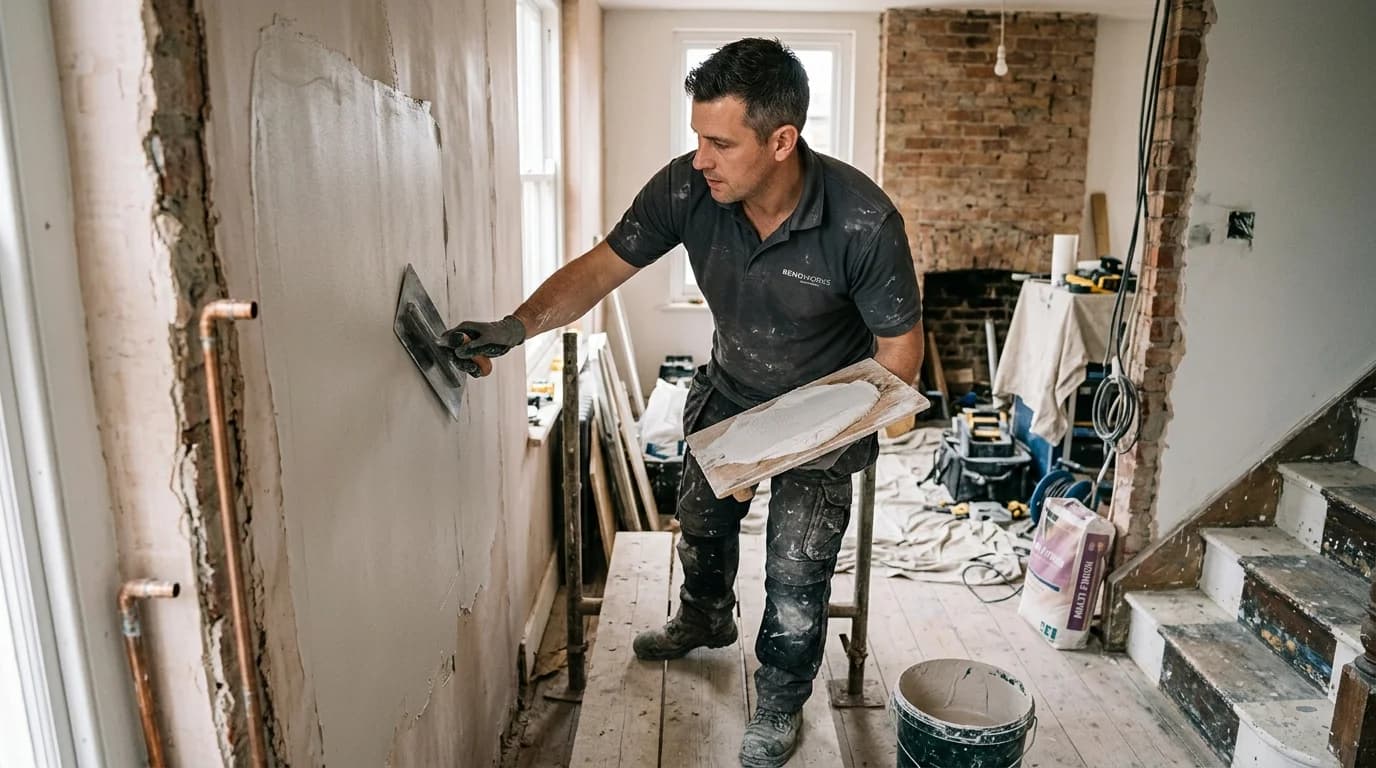
The short answer
Most cosmetic work (painting, plastering, new kitchen units) doesn't need Building Regulations. Anything structural, electrical, gas-related, or involving drainage does. If in doubt, call your local council's Building Control team - they'll tell you for free.
Building Regulations vs planning permission
People confuse these all the time. They're completely different things.
Planning permissioncontrols what you build and where - how it looks from outside, how it affects neighbours, land use. For most internal work, you don't need planning permission at all.
Building Regulationscontrol how you build - structural safety, fire safety, energy efficiency, electrical safety, drainage. These apply to a wide range of internal works, even when planning permission isn't needed.
The key resource is the government's own guidance at gov.uk/building-regulations-approval. This covers the full set of Approved Documents (Parts A through S) that define the standards.
Which internal works need Building Regulations?
Here's a quick-reference table covering the most common internal works. This applies to England and Wales - Scotland and Northern Ireland have their own building standards.
| Work | Building Regs? | Notes |
|---|---|---|
| Replacing a kitchen (like-for-like) | No | Unless you move gas appliances or change electrics |
| Replacing a bathroom (like-for-like) | No | Unless you add new electrics (Part P applies) |
| Removing a non-load-bearing wall | No | Check it's definitely non-load-bearing first |
| Removing a load-bearing wall | Yes | Structural engineer calcs + Building Control inspection |
| New electrical circuit or consumer unit | Yes | Part P - use a registered electrician (NICEIC/NAPIT) |
| Electrical work in a bathroom or kitchen | Yes | Part P applies to all bathroom/kitchen electrics |
| Moving a gas appliance | Yes | Gas Safe registered engineer required by law |
| Installing a wood-burning stove | Yes | Part J - HETAS registered installer recommended |
| Loft boarding for storage only | No | If you're not creating a habitable room |
| Loft conversion (habitable room) | Yes | Structure, fire safety, stairs, insulation all covered |
| Underpinning or structural alterations | Yes | Always requires structural engineer involvement |
| New window or door opening in existing wall | Yes | Structural support (lintel) needed - Building Control checks |
| Replacing windows (like-for-like size) | Yes | Must meet Part L energy standards - use FENSA registered installer |
| Changing the heating system | Yes | Part L and Part J - Gas Safe engineer or OFTEC for oil |
| Adding an en-suite or downstairs WC | Yes | Drainage, ventilation, and Part P electrics all apply |
| Replastering a room | No | Purely cosmetic work |
| New internal partition wall | No | Unless it affects fire escape routes |
Removing internal walls: the big one
This is the most common Building Regulations question for internal work. The answer comes down to one thing: is the wall load-bearing or not?
A load-bearing wall supports the weight of the structure above - the floor joists, the roof, sometimes another wall on the floor above. Remove it without proper support and the consequences range from sagging floors to structural failure.
A non-load-bearing partition wallis just a divider. It carries no structural load. You can remove it without Building Regulations, though it's worth having a professional confirm it first.
How can you tell the difference? As a rough guide: if the wall runs parallel to the floor joists above, it's more likely to be non-load-bearing. If it runs perpendicular to (across) the joists, it may be load-bearing. But this isn't a reliable rule - chimney breasts, older construction methods, and alterations by previous owners all complicate things.
The safe answer: get a structural engineer to check. A site visit and written report costs £200 to £400. That's cheap insurance against getting it wrong.
Electrical work: Part P explained
Part P of the Building Regulations covers electrical safety in dwellings. It catches people out because it applies to a lot of work that seems minor.
Notifiable electrical work (needs Building Control or a registered electrician):
- !Installing a new circuit (e.g., for a kitchen island, hot tub, or EV charger)
- !Replacing or upgrading a consumer unit (fuse box)
- !Any electrical work in a bathroom, kitchen, or outdoors
- !Adding a new fixed electrical installation in a special location
Non-notifiable electrical work (you can do it yourself):
- Replacing a light switch, socket, or light fitting (like for like)
- Adding a spur from an existing socket in a non-special location
- Replacing a damaged cable section
The easiest route: use an electrician registered with a competent person scheme (NICEIC, NAPIT, ELECSA, or similar). They can self-certify their work, which means you don't need to involve Building Control separately. They'll issue you a certificate that proves the work is compliant - keep this, as you'll need it when you sell.
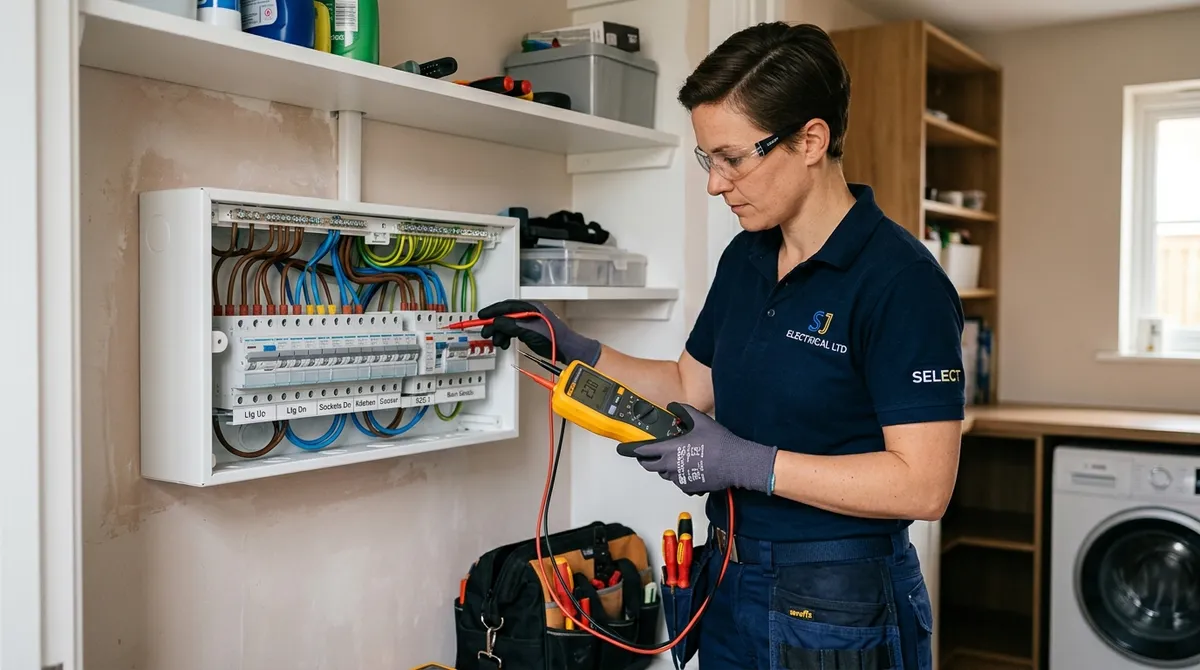
Gas work: no DIY, ever
This one is simple. It is illegal for anyone who is not Gas Safe registered to work on gas appliances or pipework. This includes fitting a gas cooker, moving a gas meter, installing a gas fire, or any work on boilers and central heating.
Always check your engineer's Gas Safe registration number at gassaferegister.co.ukbefore they start. Ask to see their ID card - it lists which types of gas work they're qualified to do.
What happens if you skip Building Regs?
In practice, many homeowners do work without Building Regulations approval. They might not even know it was required. Here's what can happen:
- When you sell, the buyer's solicitor will ask for Building Regulations completion certificates for any visible alterations. Missing certificates can delay or kill a sale.
- Your local authority can issue an enforcement notice requiring you to undo the work, alter it, or apply for retrospective approval (called 'regularisation').
- Regularisation costs more than the original application - typically £400 to £800 - and the inspector may require invasive checks like opening up walls or floors.
- If uncertified work causes a problem (fire, structural failure, injury), your home insurance may refuse to pay out.
- Mortgage lenders may refuse to lend against a property with uncertified structural or electrical alterations.
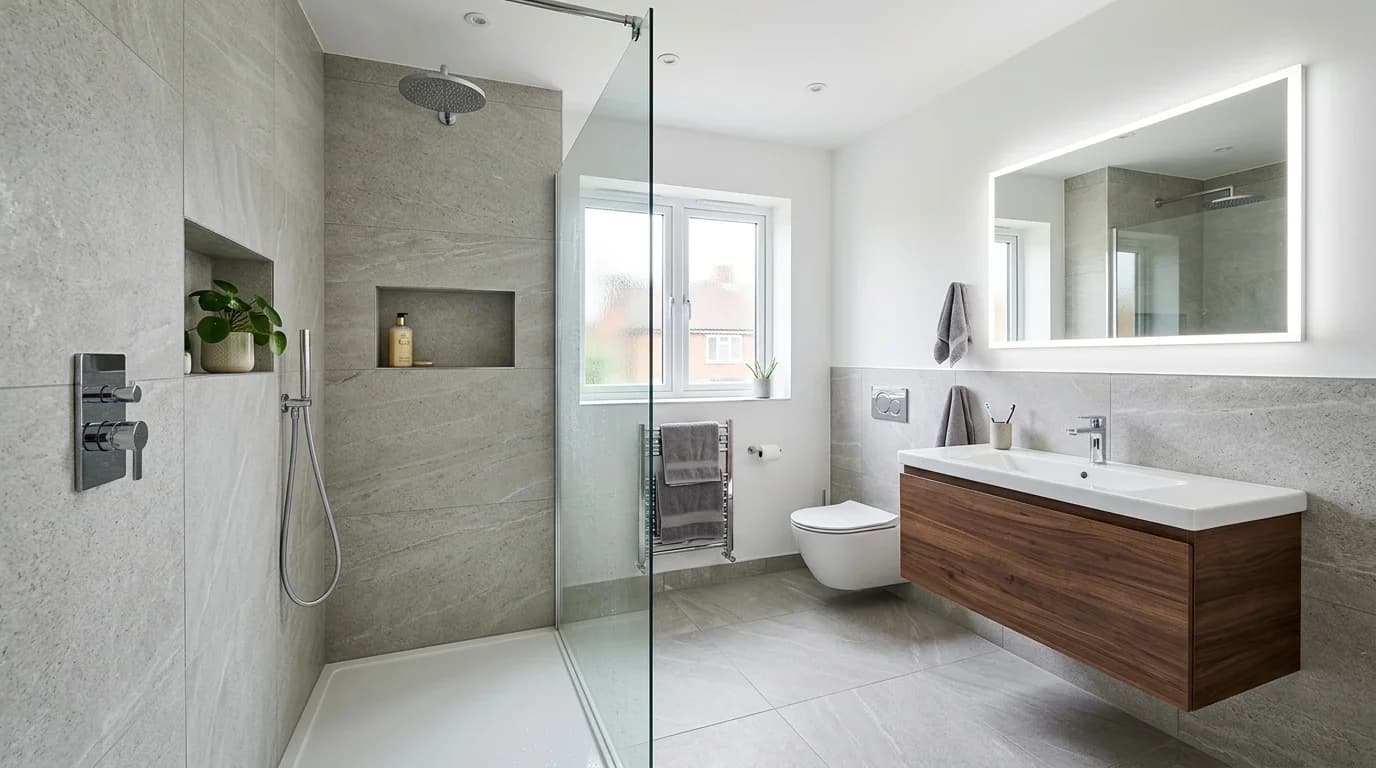
How to apply for Building Regulations
There are two routes:
1. Full Plans application. You submit detailed plans before work starts. Building Control checks them, visits during construction, and issues a completion certificate at the end. Best for major work (wall removal, loft conversions, new bathrooms).
2. Building Notice.You notify Building Control that you're doing the work. No plans are submitted upfront, but they can inspect at any stage. Quicker to start, but riskier - if the inspector finds a problem, you may have to redo work.
For most internal work, a Building Notice is sufficient. Costs are typically £200 to £600 depending on the scope of work and your council.
Frequently asked questions
Do I need Building Regulations to remove an internal wall?
If it's a load-bearing wall, yes - you need Building Regulations approval. The structural work must be designed by a structural engineer and inspected by Building Control. If it's a non-load-bearing partition wall, you don't need Building Regulations, but you should always check with a professional first. Getting it wrong can be dangerous and expensive.
Do I need Building Regulations for a new bathroom?
For a like-for-like bathroom refit (replacing existing fixtures), you generally don't need Building Regulations approval. However, any new electrical work in a bathroom must comply with Part P, and if you're creating a new bathroom where there wasn't one before, you'll need approval for drainage, ventilation, and structural changes.
What happens if I do work without Building Regulations?
Your local authority can issue an enforcement notice requiring you to undo or correct the work. More commonly, missing Building Regulations certificates cause problems when you try to sell. Buyers' solicitors will flag it, and mortgage lenders may refuse to lend. You can apply for retrospective regularisation, but it costs more and isn't guaranteed.
How much does a Building Regulations application cost?
Building Control fees vary by council but typically cost £200 to £600 for internal domestic work. You can use either your local authority Building Control or a private Approved Inspector. The fee covers the initial plan check and site inspections during the work.
Planning a home improvement project?
See what your project should cost before you get quotes - with regional breakdowns and money-saving tips.