How to Get the Best Price on a New Kitchen
A new kitchen doesn't have to cost £15,000. With the right supplier, good timing, and a willingness to get your hands dirty, you can get a kitchen you love for a fraction of the showroom price. Here's how.

Chris Kervin
Written by Chris Kervin, Co-Founder of Less.co.uk
The short answer
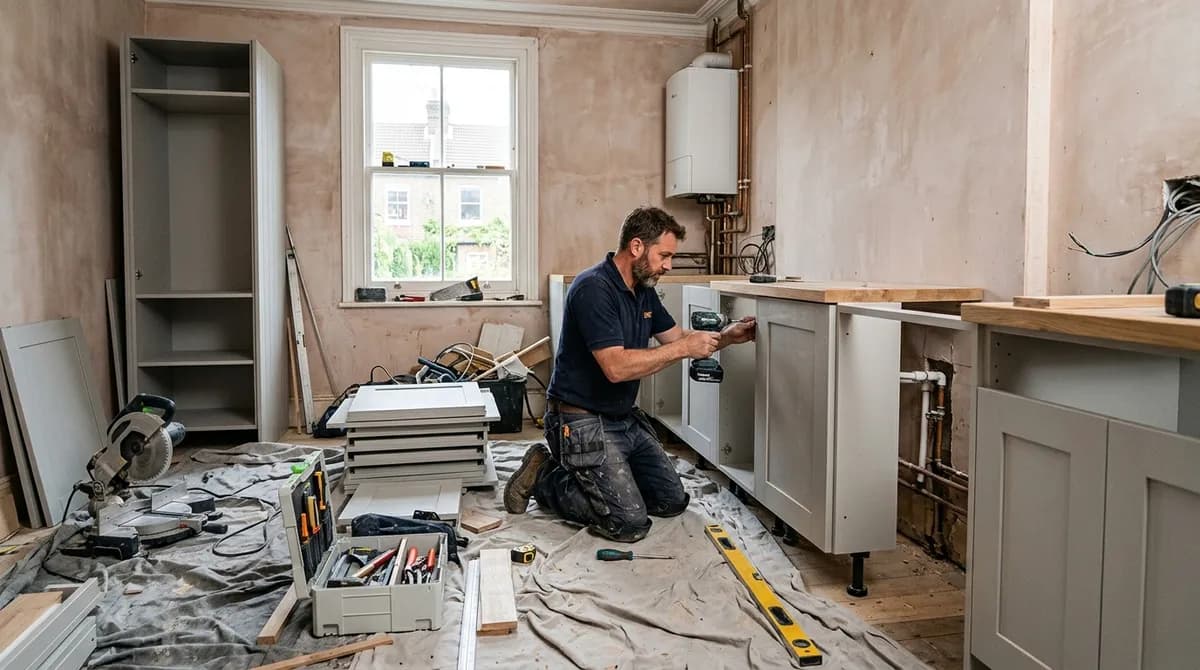
Keep the existing layout, buy in January, choose IKEA or DIY Kitchens for budget or Howdens for mid-range, do the strip-out and painting yourself, and get three quotes for fitting. That combination alone can save 30 to 50% compared to a showroom package deal.
The biggest money-saving move: keep the layout
This single decision determines more of your budget than almost anything else. If you keep the sink where it is, the cooker where it is, and the fridge where it is, you avoid moving plumbing and electrical points. That saves £1,000 to £3,000 in trades costs.
Moving a gas cooker point costs £150 to £300. Moving a sink with associated waste and water supply costs £300 to £600. Moving electrical sockets and adding new circuits adds £200 to £500. These costs add up fast - and they're on top of the kitchen itself.
If the current layout works and you're just replacing tired units, keeping everything in place is the smartest financial move.
Where to buy: the honest supplier comparison
Kitchen prices vary enormously between suppliers. Before committing to any supplier, it's worth checking independent reviews on Which?to see how real customers rate them. Here's a fair comparison for a typical 10 to 12 unit kitchen (units only, not including worktops or appliances).
| Supplier | Units (10 to 12) | Quality | Warranty | Best for |
|---|---|---|---|---|
| IKEA | £2,000 to £4,000 | Good | 25 years | Budget-conscious DIYers |
| Howdens | £3,500 to £7,000 | Very good | 20 years | Trade-fitted mid-range |
| Wren | £3,000 to £8,000 | Good-very good | 10 years | Showroom design service |
| Wickes | £3,000 to £6,000 | Good | 15 years | All-in-one packages |
| Magnet | £4,000 to £8,000 | Very good | 20 years | Higher-end trade kitchens |
| DIY Kitchens | £2,500 to £5,000 | Very good | 6 years | Online ordering, great value |
Prices based on a medium-sized kitchen with shaker-style doors. Prices for units only - worktops, appliances, and fitting are additional.
Get a personalised cost estimate in under 2 minutes
Howdens vs IKEA: the real difference
This is the question everyone asks. Here's the honest answer.
IKEAis cheaper for the units. The METOD range is well-designed and surprisingly durable. The 25-year warranty is genuine. The catch: IKEA kitchens take longer to assemble (they're flat-pack), which means higher fitting costs. Budget an extra £500 to £1,000 in labour compared to a pre-assembled kitchen.
Howdensonly sells to trade, but your fitter can order from them (or you can open a trade account - they're relaxed about it). The units are sturdier, come with soft-close, and are delivered assembled. Your fitter can work faster, saving on labour.
For a budget kitchen, IKEA wins on total cost. For a mid-range kitchen, Howdens often works out similar once you factor in the reduced fitting time.
The timing trick nobody tells you
Kitchen suppliers have their biggest sales in January. Wren, Wickes, and Magnet regularly run 50% off deals in the new year. IKEA does a kitchen event in January or February most years.
But it's not just about the units. Kitchen fitters are quieter in winter too. From January to March, you'll get better availability and more competitive quotes. By April, everyone's busy.
The ideal approach: design your kitchen in November, order during the January sales, and have it fitted in February or March.
What you can do yourself (and what you shouldn't)
Safe to DIY:
- Strip-out. Ripping out an old kitchen saves £400 to £800 in labour. It's messy but straightforward.
- Painting. Ceiling and walls above the tiles or splashback. Save £200 to £400.
- Tiling a splashback. If you're comfortable with adhesive and grout, a simple splashback is manageable.
- Assembling flat-pack units. If you bought IKEA, building the carcasses yourself saves your fitter a day or two.
Leave to professionals:
- Gas work. Connecting a gas hob or cooker must be done by a Gas Safe registered engineer. No exceptions. You can verify any engineer on the <a href='https://www.gassaferegister.co.uk/' target='_blank' rel='noopener noreferrer' className='text-accent-green hover:underline'>Gas Safe Register</a>.
- Electrics. New circuits, moving sockets, or anything involving the consumer unit needs a Part P registered electrician.
- Plumbing. While a competent DIYer can connect a tap, anything involving waste pipes or the mains stopcock is best left to a plumber.
- Worktop templating and fitting. Stone and composite worktops are cut from a template - get this wrong and you've ruined a £2,000 piece of quartz. For any significant kitchen project, the <a href='https://www.fmb.org.uk/' target='_blank' rel='noopener noreferrer' className='text-accent-green hover:underline'>Federation of Master Builders</a> recommends using a vetted, insured tradesperson.
Worktop hacks: where to save big
Worktops can eat 15 to 25% of your kitchen budget. Here's how to keep costs down:
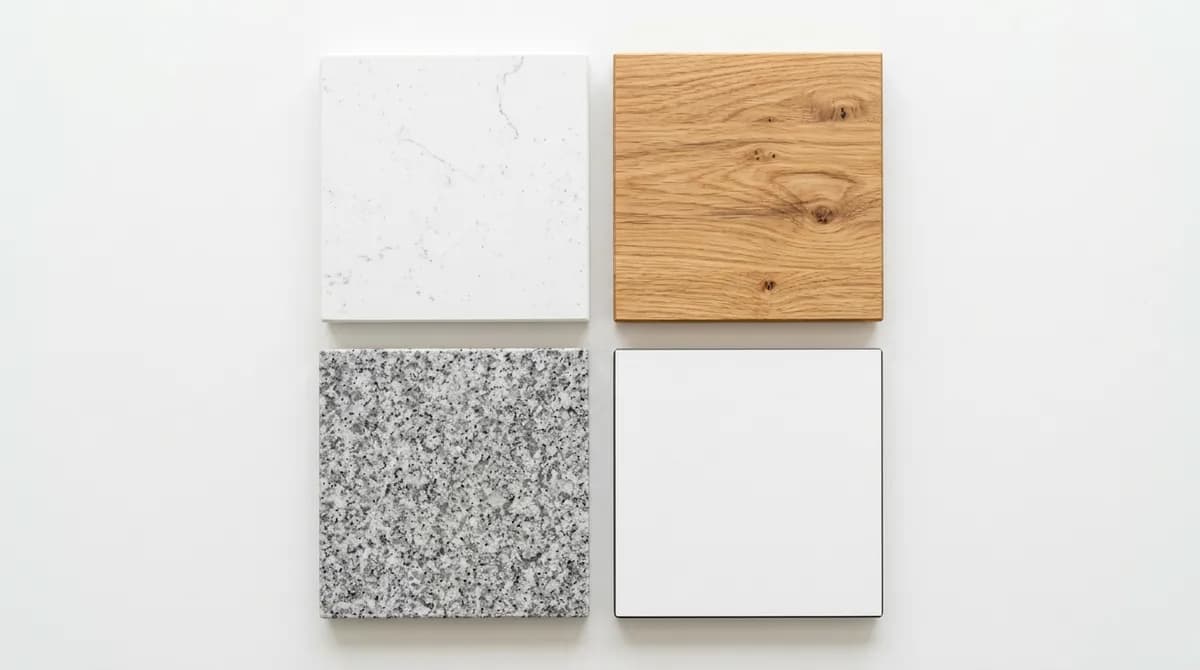
- Laminate worktops look much better than they used to. Egger and Duropal do realistic stone-effect laminates for £200 to £500 versus £2,000 to £4,000 for real quartz.
- Solid wood (oak or walnut) costs £300 to £700 and looks beautiful - but needs oiling regularly and can't handle hot pans directly.
- If you want quartz or granite, buy remnants (offcuts from larger jobs). Fabricators sell these at 30 to 50% off. Ring around local stone yards.
- Avoid integrated sinks if you're on a budget. An undermount or inset sink in a laminate worktop costs far less than one routed into solid surface.
Appliances: the hidden budget trap
It's easy to spend £3,000 on appliances alone. A few ways to keep that under control:
Buy last year's models. When manufacturers release new ranges, old stock gets discounted 20 to 40%. Websites like ao.com and Currys clear end-of-line stock regularly.
Don't buy integrated everything. A freestanding fridge-freezer costs half the price of an integrated one and is easier to replace. Same with dishwashers.
Skip the range cooker if you're on a budget. A separate oven and hob costs less, gives you more layout flexibility, and is cheaper to repair.
Frequently asked questions
What is the cheapest way to get a new kitchen in the UK?
The cheapest route is to buy flat-pack units from IKEA or a budget supplier, keep the existing layout (avoiding plumbing and electrical changes), and handle the demolition and painting yourself. A basic but decent kitchen can be done for £3,000 to £5,000 this way, including fitting.
Is IKEA or Howdens cheaper for a kitchen?
IKEA is generally cheaper for the units themselves. A 10-unit IKEA kitchen costs roughly £2,000 to £4,000 versus £3,500 to £7,000 from Howdens. However, Howdens units are sturdier and come with soft-close as standard. IKEA kitchens need more assembly time, which increases fitting costs. For a mid-range kitchen, Howdens often works out similar in total when you factor in labour.
When is the best time to buy a kitchen?
January and February are the best months. Kitchen showrooms have their biggest sales in the new year, and fitters are less busy so you can negotiate better labour rates. Avoid booking a kitchen installation in spring or summer when tradespeople are at their busiest and most expensive.
How much does it cost to fit a kitchen in the UK?
Kitchen fitting costs £1,500 to £3,500 for a standard kitchen (8 to 12 units) depending on complexity and location. This covers assembly, installation, worktop fitting, and connecting existing services. It doesn't include plumbing changes, electrical work, tiling, or plastering - those are extra.
See the full kitchen cost breakdown
Check regional prices and get a clear picture of what your kitchen should cost.
Related articles
Bathroom Renovation Cost Breakdown
Full cost breakdown including hidden extras.
Do I Need Building Regs for Internal Works?
What counts as notifiable work inside your home.
How to Find a Good Contractor
Practical guide to finding UK tradespeople.
Extension vs Loft Conversion
Which adds more value to your home?