EPC Ratings Explained: What They Mean for Your Home
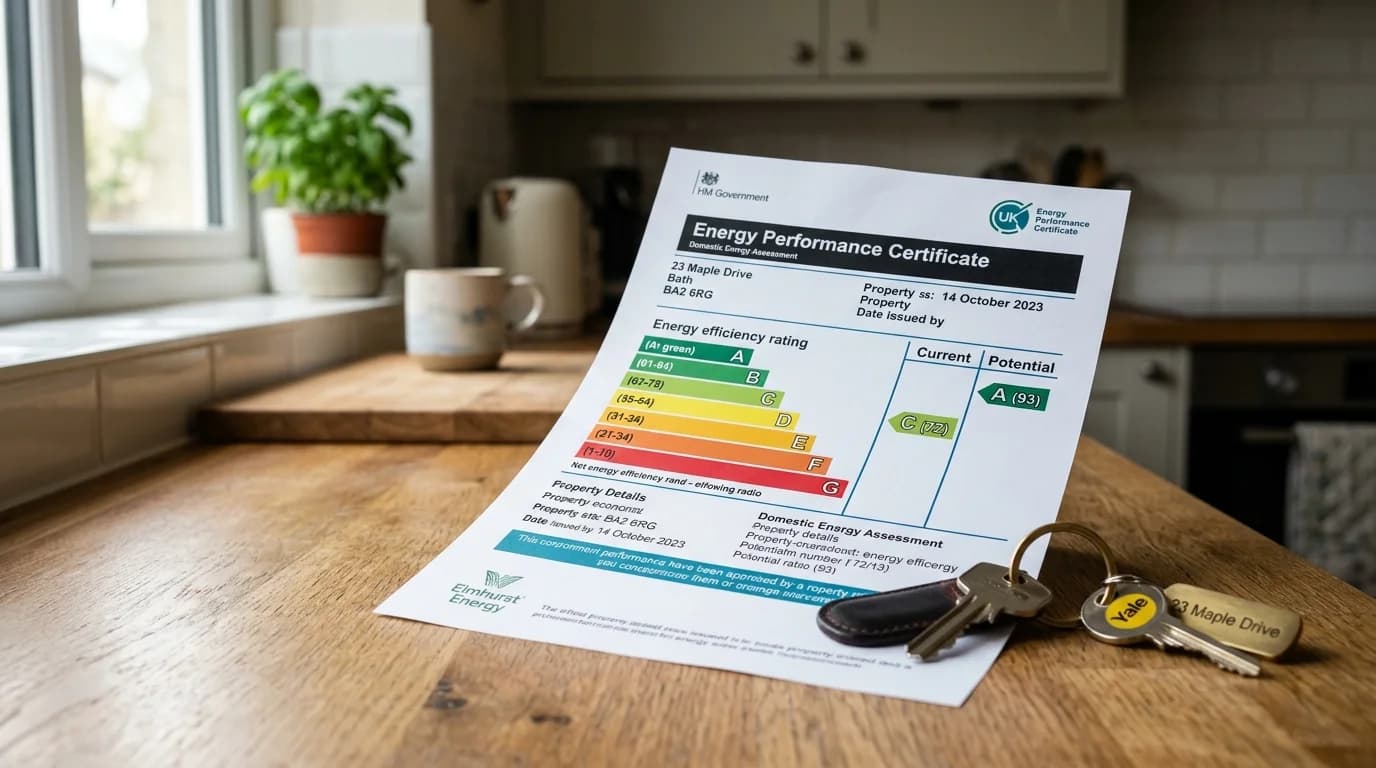
An EPC (Energy Performance Certificate) rates your home from A (most efficient) to G (least efficient). The average UK home scores a D. Ratings of C or above are considered good. If you're a landlord, anything below E is illegal to let. Here's what each rating means, how it affects your property value, and the cheapest ways to improve yours.

Chris Kervin
Written by Chris Kervin, Co-Founder of Less.co.uk
The short answer
EPC ratings run from A (most efficient) to G (least efficient). The average UK home is rated D. A rating of C or above is considered good. Landlords cannot legally let properties rated below E. The quickest wins for improving your rating are loft insulation, cavity wall insulation, and upgrading an old boiler - all of which pay for themselves within a few years through lower energy bills.
EPC ratings A to G: what each band means
An EPC rates your home on a scale of 1 to 100, with 100 being perfectly efficient. Each number falls within a letter band:
| Rating | Score | What it means |
|---|---|---|
| A | 92 to 100 | Extremely efficient - rare, mostly new-builds with heat pumps and solar |
| B | 81 to 91 | Very efficient - modern homes or heavily retrofitted older ones |
| C | 69 to 80 | Good - the current target for most improvement schemes |
| D | 55 to 68 | Average - where most UK homes currently sit |
| E | 39 to 54 | Below average - minimum legal requirement for rental properties |
| F | 21 to 38 | Poor - cannot be legally let, high energy bills |
| G | 1 to 20 | Very poor - cannot be legally let, extremely expensive to heat |
The rating is based on the building's fabric (walls, roof, floors, windows) and its heating system. It does not account for how you actually use the property - a three-person household using the heating 12 hours a day will have the same EPC as a single person who barely turns it on. If you want a quick sense of where your home might sit, try our free EPC rating estimator.
How your EPC affects property value
Research consistently shows that a higher EPC rating adds value to a property. A 2023 study by the Department for Energy Security and Net Zero found that homes with an EPC rating of C sell for around 3 to 5% more than equivalent homes rated D.
On a £300,000 property, that's a potential uplift of £9,000 to £15,000 - which in many cases exceeds the cost of the improvements needed to achieve it.
Energy efficiency is also becoming a bigger factor for buyers. With energy bills having doubled since 2021, the running cost of a home is now a genuine concern during viewings. Estate agents report that EPC ratings are increasingly asked about upfront.
EPC minimum rating for rental properties
Since April 2020, the Minimum Energy Efficiency Standards (MEES) have applied to all tenancies - not just new ones. Every rented property in England and Wales must have an EPC rating of at least E.
Fines for non-compliance are up to £5,000 per property. Local trading standards teams are responsible for enforcement, and they are increasingly active. If you're a landlord with a property rated F or G, you need to act.
The government has proposed raising the minimum to C for new tenancies (with existing tenancies following later), though the exact timeline has been pushed back. If you're a landlord planning improvements, aiming for C rather than E makes sense - it future-proofs the property and avoids a second round of work when the rules tighten.
How to improve your EPC rating (with costs)
Not all improvements have the same impact on your EPC. Here's a practical breakdown of the most common upgrades, what they cost, and the difference they make.
| Improvement | Cost | EPC impact | Annual saving |
|---|---|---|---|
| Loft insulation (270mm) | £300 to £600 | Up to 2 bands | £150 to £300 |
| Cavity wall insulation | £400 to £800 | Up to 2 bands | £150 to £400 |
| New condensing boiler | £2,500 to £4,500 | 1 to 2 bands | £200 to £400 |
| Double glazing (full house) | £4,000 to £8,000 | 1 band | £100 to £200 |
| Air source heat pump | £8,000 to £15,000 | 2 to 3 bands | £300 to £600 |
| Solar panels (4kW) | £5,000 to £8,000 | 1 to 2 bands | £300 to £500 |
| Solid wall insulation (external) | £8,000 to £22,000 | 2 to 3 bands | £300 to £600 |
| LED lighting throughout | £50 to £150 | Minor | £30 to £60 |
Get prices for the upgrade that suits your home
Local installers can quote for the work your EPC recommends. It's free, with no obligation to book.
Not sure which pays back fastest? Try our energy savings calculator.
The best bang for your money
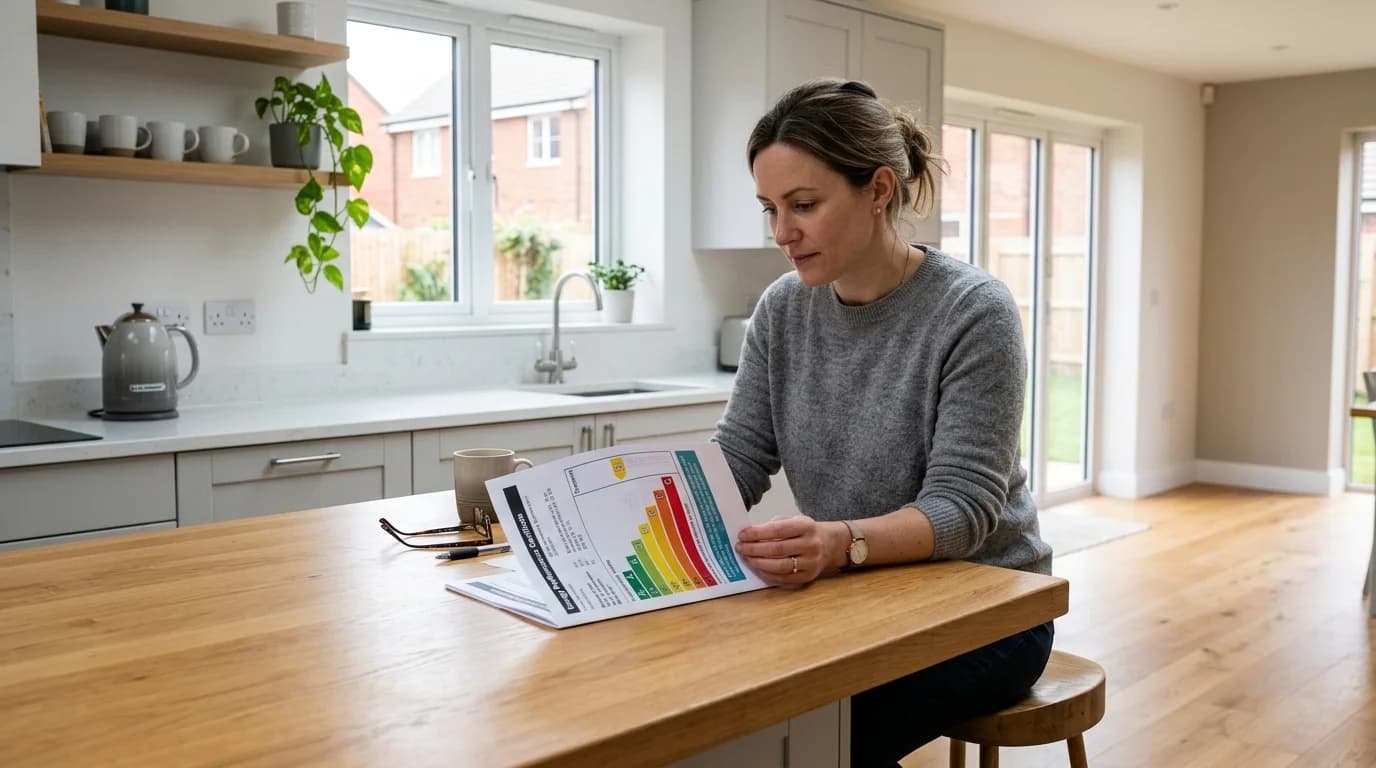
If your home has an uninsulated loft and uninsulated cavity walls, those are the two most cost-effective improvements. Combined, they cost £700 to £1,400 and can boost your rating by 2 to 3 bands while saving £300 to £700 a year in energy bills. They typically pay for themselves within 2 to 3 years.
If you've already got decent insulation and your boiler is over 15 years old, replacing it with a modern condensing model is the next biggest win. Older boilers run at 60 to 70% efficiency. A new A-rated condensing boiler hits 90%+, which translates directly into lower gas bills.
Double glazing is worth doing for comfort and noise reduction, but the EPC impact is smaller than most people expect - typically one band at most. If your windows are single-glazed, the improvement is more noticeable. If you already have old double glazing, upgrading to modern units makes less difference to the EPC.
Bigger investments for bigger gains
For homes with solid walls (no cavity), external or internal wall insulation is the big-ticket item. External insulation costs £8,000 to £22,000 but can push a D-rated home to a B. Internal insulation is cheaper (£4,000 to £12,000) but reduces your room sizes slightly.
Heat pumps are the ultimate EPC booster. An air source heat pump replaces your gas boiler and can shift a D-rated home to a B or even A. The Boiler Upgrade Scheme provides £7,500 towards the cost, bringing an £12,000 installation down to around £4,500.
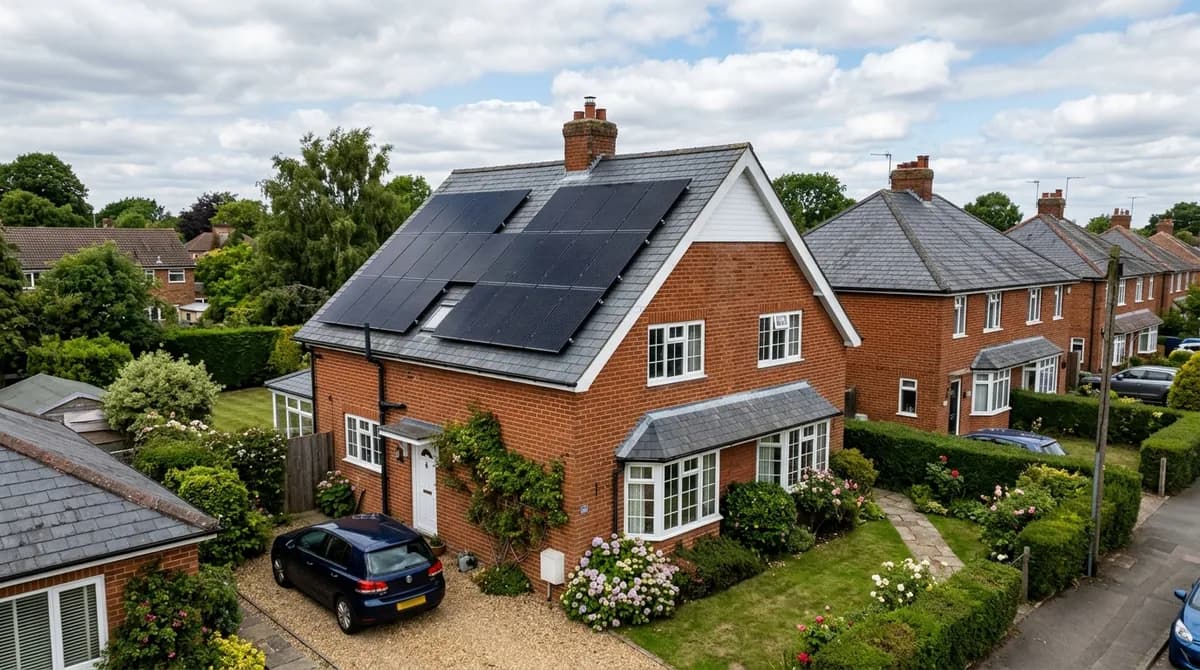
Solar panels improve your EPC and generate free electricity. A 4kW system costs £5,000 to £8,000 after the recent drop in panel prices, and the Smart Export Guarantee pays you for surplus electricity you export to the grid. The Energy Saving Trust has a helpful guide on whether solar is right for your property.
How to get an EPC
You need an accredited Domestic Energy Assessor (DEA) to carry out the assessment. They'll visit your property, inspect the construction type, insulation, heating system, windows, and lighting, then produce the certificate. The whole visit takes 30 to 60 minutes.
You can find an assessor through the official EPC register at epcregister.com. Costs are £60 to £120 depending on your area and property size. The certificate is valid for 10 years.
You can check your current EPC for free on the government's EPC register. Just enter your postcode and find your property. The certificate will show your current rating and a list of recommended improvements ranked by cost-effectiveness.
Frequently asked questions
What is a good EPC rating?
A rating of C or above is considered good. The average UK home is rated D. A rating of C or better means your home is reasonably energy-efficient and won't face issues when selling or letting. Ratings of A or B are typically only achieved by new-build or extensively retrofitted properties.
Can I rent out a property with an EPC rating of F or G?
No. Since April 2020, it has been illegal to let a property with an EPC rating below E in England and Wales. Landlords must bring the property up to at least an E before granting a new tenancy. Fines for non-compliance are up to £5,000. The government has proposed raising this minimum to C for new tenancies, though the timeline for this has been pushed back.
How much does an EPC assessment cost?
An EPC assessment typically costs £60 to £120 depending on the size of the property and your location. The certificate is valid for 10 years. You need one when selling or letting a property - it's a legal requirement. You can find an accredited assessor through the government's EPC register website.
What is the quickest way to improve my EPC rating?
The quickest and cheapest improvements are loft insulation (£300 to £600, can boost your rating by 1 to 2 bands), cavity wall insulation (£400 to £800), and upgrading to LED lighting throughout the house. Replacing an old boiler with a modern condensing model is another high-impact change. Each improvement's effect depends on your property's current rating and construction type.
Ready to improve your EPC?
Check the costs for the improvements that will make the biggest difference to your energy rating.
Related articles
Government Grants for Home Improvements 2026
Free money you might be missing - schemes and grants explained.
When Should You Replace Your Boiler?
The repair vs replace decision - made simple.
Heat Pump vs Gas Boiler
Costs, efficiency, and which makes sense for your home.
Are Solar Panels Worth It in the UK?
The real numbers on payback, savings, and export income.