Are Solar Panels Worth It in the UK? (2026 Data)
For most UK homes with a south-facing roof, solar panels cost £5,000 to £7,000 for a 4kW system and pay back in 8 to 12 years. After that, you get free electricity for another 15 to 20 years. But they're not right for every property. Here are the actual numbers by region.

Chris Kervin
Written by Chris Kervin, Co-Founder of Less.co.uk
The short answer
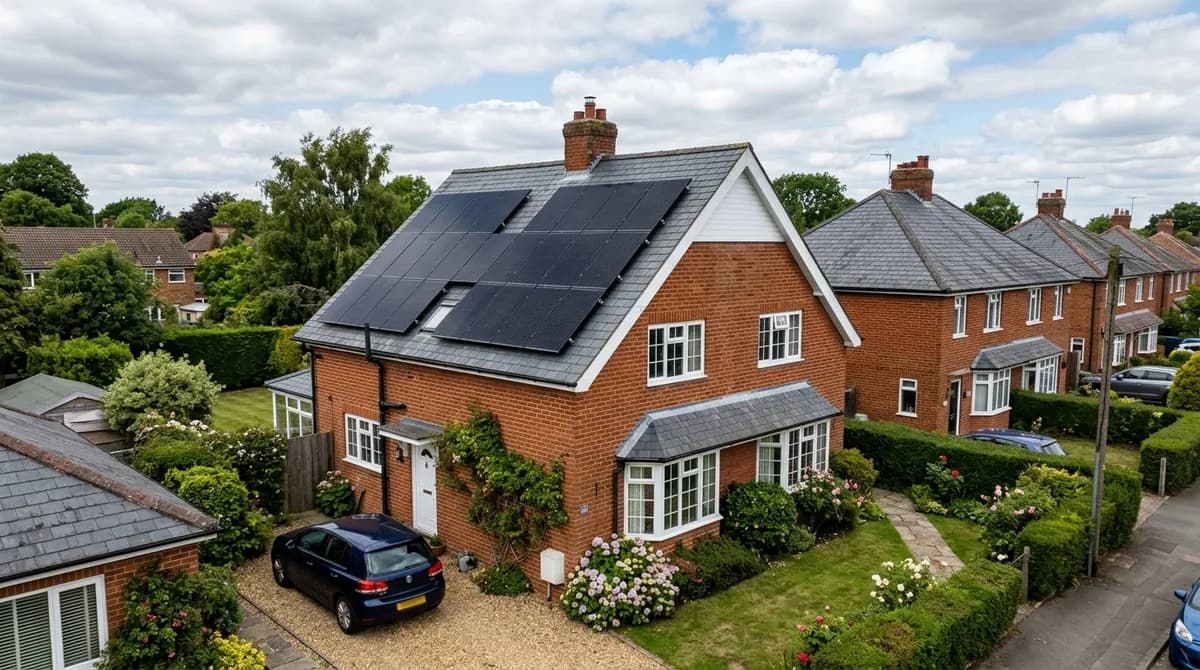
For most UK homeowners with a south-facing roof and reasonable daytime electricity usage, solar panels are a solid investment that pays back in 8 to 12 years. After that, you're generating free electricity for another 15 to 20 years. But they're not right for every home.
How much do solar panels cost in the UK in 2026?
Solar panel prices have dropped dramatically. According to the Energy Saving Trust, a 4kW system - enough for a typical 3-bed house - now costs £5,000 to £7,000 fully installed, including scaffolding, mounting, inverter, and connection. That's roughly half what it cost in 2020.
A larger 6kW system costs £7,000 to £9,000. If you have the roof space and budget, bigger is usually better - the cost per kilowatt drops with larger systems, and any excess generation earns you money through the Smart Export Guarantee (SEG).
Battery storage adds £2,500 to £5,000 on top. We'll cover whether that's worth it further down.
Solar panel savings per year in the UK
A 4kW system in southern England generates roughly 3,800 to 4,200 kWh of electricity per year. At the current electricity rate of about 24.5p/kWh, that's £930 to £1,030 worth of electricity.
But you won't use all of it. Without a battery, a typical household uses about 40 to 50% of what the panels generate (the rest goes back to the grid during the day when you're out). That means your actual saving is more like £370 to £515 per year from avoided electricity bills.
You also get paid for exporting excess electricity to the grid through the Smart Export Guarantee. Rates vary by supplier, but Octopus Energy currently pays around 15p/kWh for exports. That adds roughly £280 to £380 per year for the electricity you don't use.
Total annual benefit without a battery: £650 to £895. That puts the payback period at roughly 6 to 11 years for a 4kW system.
Get a personalised cost estimate in under 2 minutes
Solar panel output by UK region
The UK isn't exactly the Sahara, but some parts get significantly more sunshine than others. Here's how a 4kW system performs across the country.
| Region | Annual sun hours | 4kW output | Payback |
|---|---|---|---|
| South East England | 1,550 to 1,750 | 3,800 to 4,200 kWh | 8 to 10 years |
| South West England | 1,600 to 1,800 | 3,900 to 4,400 kWh | 7 to 10 years |
| Midlands | 1,400 to 1,550 | 3,400 to 3,800 kWh | 9 to 11 years |
| North of England | 1,300 to 1,500 | 3,100 to 3,600 kWh | 10 to 13 years |
| Wales | 1,400 to 1,600 | 3,400 to 3,900 kWh | 9 to 12 years |
| Scotland | 1,200 to 1,400 | 2,800 to 3,400 kWh | 11 to 14 years |
Based on south-facing roof at 30 to 40 degree pitch, no shading, 2026 energy prices. East or west-facing roofs reduce output by roughly 15 to 20%.
Is battery storage worth the extra cost?
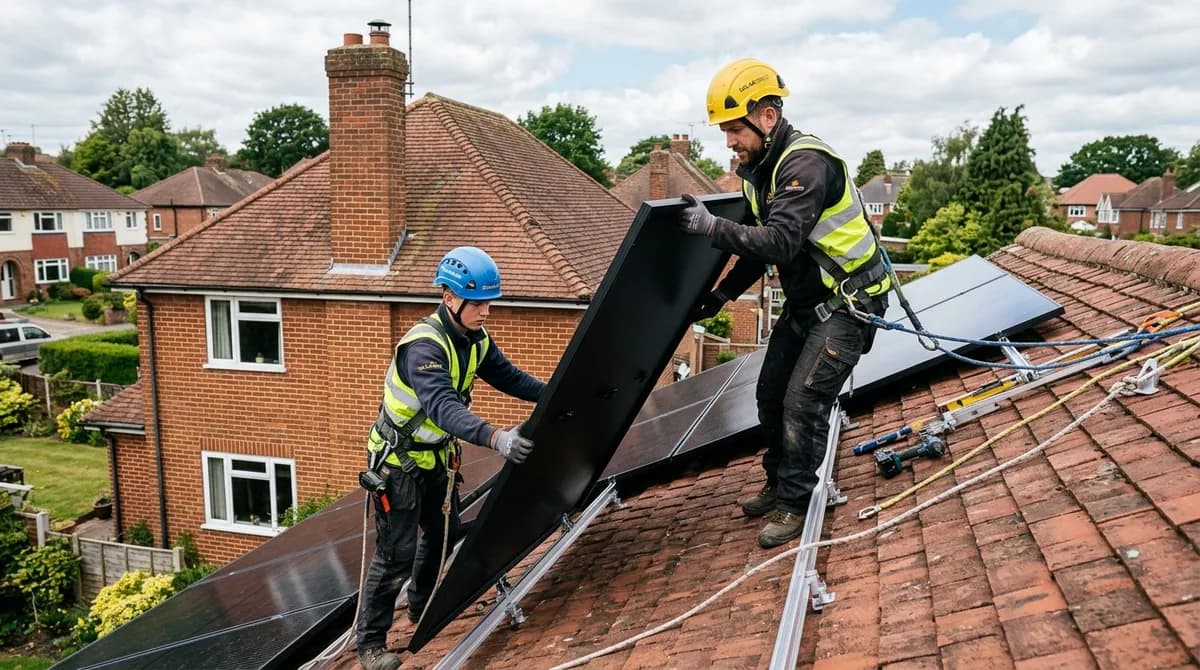
A battery lets you store the electricity your panels generate during the day and use it in the evening. Without one, that daytime electricity goes back to the grid at 15p/kWh when you could be using it instead of buying at 24.5p/kWh.
A typical home battery (5 to 10 kWh capacity) costs £2,500 to £5,000 installed. It increases the proportion of solar electricity you use yourself from around 40 to 50% to 70 to 80%.
The maths: a battery saves you an extra £200 to £350 per year in avoided electricity costs. At that rate, the battery alone takes 8 to 15 years to pay back. Since batteries have a warranty of 10 years and a lifespan of 10 to 15 years, the financial case is tight.
Batteries make more sense if you're on a time-of-use tariff (like Octopus Go), where you can charge the battery at 7.5p/kWh overnight and use that cheap electricity during peak hours. That changes the economics significantly.
When solar panels are not worth it in the UK
Solar isn't the right choice for every home. Be honest about these factors:
- North-facing roof. A north-facing roof generates 40 to 50% less than south-facing. The payback period doubles, and the financial case weakens significantly.
- Heavy shading. Trees, neighbouring buildings, or chimneys casting shade on your panels will dramatically reduce output. Even partial shading on one panel can affect the whole string.
- You're planning to move within 5 years. While solar panels do add value to a property, you're unlikely to recoup the full cost if you sell before the payback period.
- Your roof needs replacing soon. Don't install panels on a roof that needs work within 10 years. You'll have to pay to remove and reinstall them when the roof is done.
- You use very little electricity. If you're out all day and your annual electricity bill is under £500, the savings from solar may not justify the upfront cost.
Solar panels and heat pumps: the dream combo
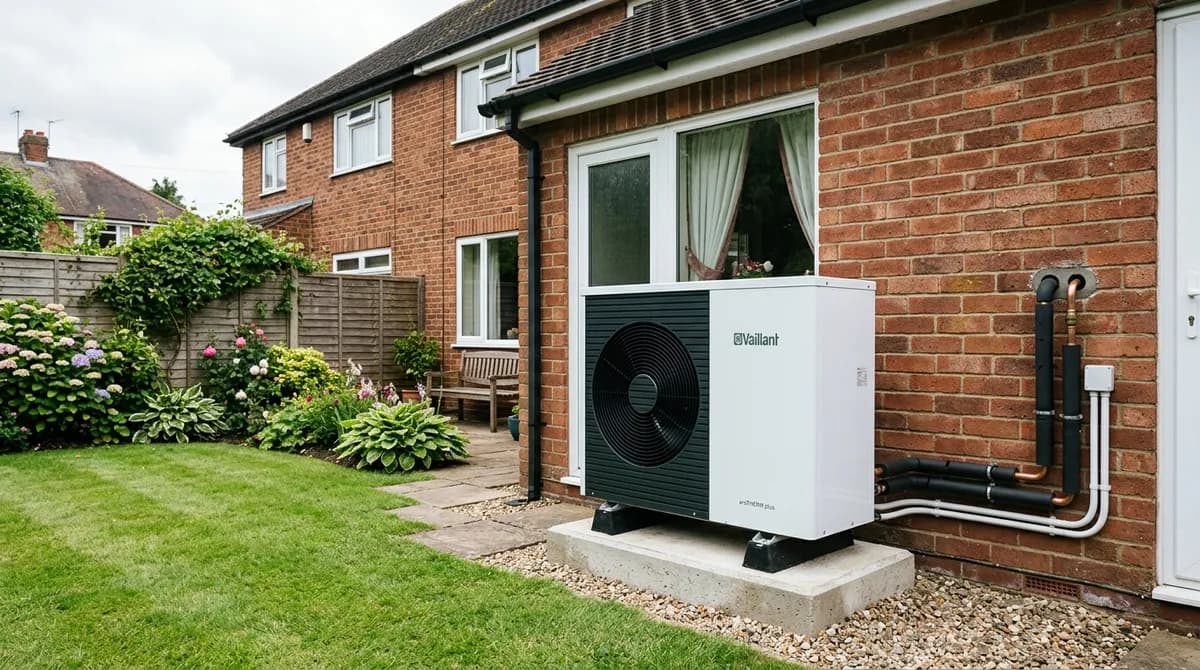
If you have or are considering a heat pump, solar panels become even more attractive. A heat pump runs on electricity, and during spring and autumn - when the heat pump is doing moderate work and the panels are generating well - you're essentially heating your home for free.
The combination of solar panels, a battery, and a heat pump can reduce your energy bills by 60 to 80%. The upfront cost is significant (£15,000 to £25,000 after grants), but the running cost savings are substantial and you're insulated against energy price rises.
What about the Smart Export Guarantee?
The SEG replaced the old Feed-in Tariff in 2020. As Ofgem explains, it requires electricity suppliers with 150,000+ customers to offer a tariff for exported solar electricity, but there's no minimum price.
Current rates range from 3p/kWh (the minimum offerings from some big suppliers) to 15p/kWh (Octopus Energy's agile export tariff). The difference is huge: on a 4kW system exporting 2,000 kWh per year, that's £60 vs £300.
Always shop around for the best SEG tariff. You don't have to export to the same company you buy from.
Frequently asked questions
How much do solar panels cost in the UK in 2026?
A typical 4kW solar panel system costs £5,000 to £7,000 installed. A larger 6kW system costs £7,000 to £9,000. Adding a battery storage system adds £2,500 to £5,000. Prices have fallen significantly since 2022.
How long does it take for solar panels to pay for themselves?
For a well-positioned 4kW system, the typical payback period is 8 to 12 years in England, shorter in the South and longer in Scotland. With a battery, payback stretches to 10 to 15 years but you save more per year. After payback, you're generating free electricity for the remaining 15 to 20 years of the system's life.
Do solar panels work in the UK winter?
Yes, but output drops significantly. A typical system generates about 10% of its annual output during December and January. Solar panels work from daylight, not direct sunshine - so they still produce electricity on overcast days, just less of it.
Do I need planning permission for solar panels?
Most domestic solar panel installations fall under Permitted Development rights and don't need planning permission. Exceptions include listed buildings, conservation areas, and panels that protrude more than 200mm from the roof surface. Ground-mounted systems over 9 square metres need planning permission.
See what solar panels cost in your area
Check our full cost guide and calculator for UK solar panel installations.
Related articles
Heat Pump vs Gas Boiler
The honest 10-year cost comparison for UK homes.
Is a Loft Conversion Worth It?
ROI analysis by property type - honest numbers.
Do I Need Building Regs for Internal Works?
What counts as notifiable work inside your home.
How to Find a Good Contractor
Practical guide to finding UK tradespeople.