How Much Does It Cost to Move House in the UK? (2026)
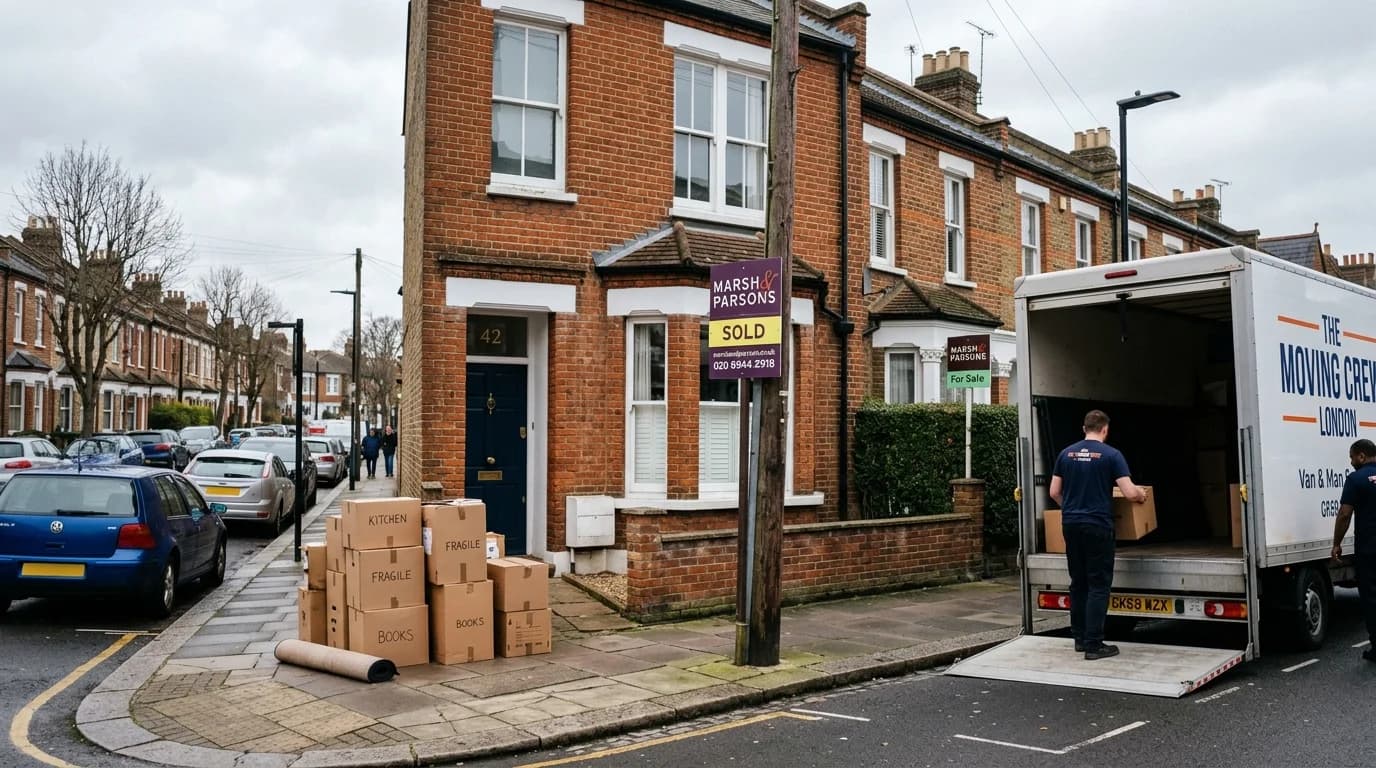
The average cost of moving house in the UK is £8,000 to £30,000 on top of the property price itself. That covers stamp duty, estate agent fees, solicitor costs, surveys, and removals. On a £350,000 purchase, expect to pay roughly £15,000 to £20,000 in total moving costs. Here's the full breakdown.

Chris Kervin
Reviewed by Chris Kervin, Less.co.uk Home Improvement Costs Specialist
The short answer
Moving house in the UK costs between £8,000 and £30,000+ on top of the property price. The biggest costs are stamp duty (potentially £0 to £40,000+), estate agent fees (1 to 3% of the sale price), and conveyancing (£1,000 to £2,000 per transaction). For many homeowners, improving rather than moving is significantly cheaper.
Full breakdown of moving house costs
Here's a realistic breakdown for a typical move - selling a property and buying another at around £350,000. Your numbers will vary, but this gives you the shape of the bill.
| Cost | Typical amount | Notes |
|---|---|---|
| Stamp duty (on £350,000 property) | £7,500 | Varies by price - see table below |
| Estate agent fees (1.2% avg) | £4,200 | Based on selling at £350,000 |
| Conveyancing (buying) | £1,000 to £1,800 | Solicitor fees + searches + disbursements |
| Conveyancing (selling) | £800 to £1,400 | Simpler than buying - fewer searches |
| Survey | £250 to £1,500 | Depends on type - see breakdown below |
| Mortgage arrangement fee | £0 to £2,000 | Some lenders charge nothing, others £999+ |
| Removal company | £500 to £2,000 | 3-bed house, local move - more for long distance |
| EPC certificate | £60 to £120 | Required before listing for sale |
| Mail redirection | £66 | Royal Mail, 12 months |
| Estimated total | £14,400 to £21,600 | On a £350,000 purchase |
That's potentially £15,000 to £20,000 in costs before you've bought a single piece of furniture for the new place.
Stamp duty: the big one
Stamp Duty Land Tax (SDLT) is usually the single largest moving cost. You can check the latest rates and thresholds on gov.uk. From April 2025, the thresholds reverted to pre-2022 levels, which means most buyers pay more than they did during the temporary holiday. Use our stamp duty calculator to work out exactly what you would owe on a specific property price.
The current rates for residential property in England and Northern Ireland:
| Property price band | Rate |
|---|---|
| Up to £125,000 | 0% |
| £125,001 to £250,000 | 2% |
| £250,001 to £925,000 | 5% |
| £925,001 to £1,500,000 | 10% |
| Over £1,500,000 | 12% |
First-time buyers get relief: 0% on the first £300,000 and 5% on £300,001 to £500,000. If the property is over £500,000, you pay normal rates. Scotland and Wales have their own systems (LBTT and LTT respectively) with different thresholds.
Second homes and buy-to-let properties attract an additional 5% surcharge across all bands.
Estate agent fees
Most high-street estate agents charge 1 to 2% of the sale price plus VAT. On a £350,000 sale, that's £4,200 to £8,400 including VAT. Online agents like Purplebricks charge a flat fee (typically £999 to £1,499), but you often get less hand-holding.
Always negotiate. Agent fees aren't set in stone. If you're selling an easy-to-shift property in a desirable area, you have leverage. Asking for 1% instead of 1.5% on a £350,000 sale saves you £2,100.
Watch out for tie-in periods. Most agents want 12 to 16 weeks of sole agency, during which you can't switch to another agent without paying both. Keep it as short as possible - 8 weeks is fair.
Conveyancing
Conveyancing is the legal process of transferring property ownership. The gov.uk guide to conveyancingexplains the process in detail. You'll need a solicitor or licensed conveyancer for both the sale and the purchase - and they're two separate bills.
Buying typically costs £1,000 to £1,800 including searches, Land Registry fees, and disbursements. Selling is simpler at £800 to £1,400. Get quotes from at least three firms, and don't just go with whoever the estate agent recommends - they often receive a referral fee.
Look for a firm that offers a "no completion, no fee" arrangement. If the sale falls through, you don't want to be paying legal fees on top of the disappointment.
Surveys
Your mortgage lender will do a basic valuation (often free or included in the mortgage fee), but that's for their benefit, not yours. It tells them the property is worth what you're paying. It doesn't tell you what's wrong with it.
For that, you need your own survey. The Royal Institution of Chartered Surveyors (RICS) sets the standards for property surveys in the UK:
- RICS Home Survey Level 2 (formerly HomeBuyer Report): £250 to £500. Suitable for conventional properties in reasonable condition. Flags defects and gives a condition rating for each element.
- RICS Home Survey Level 3 (formerly Building Survey): £500 to £1,500. The full works. Essential for older properties (pre-1930), listed buildings, or anything you suspect has issues. Investigates the structure in detail.
Skipping the survey to save money is a false economy. A Level 3 survey on a Victorian terrace might cost £800, but it could reveal £15,000 of subsidence repairs you'd have otherwise inherited.
Move or improve?
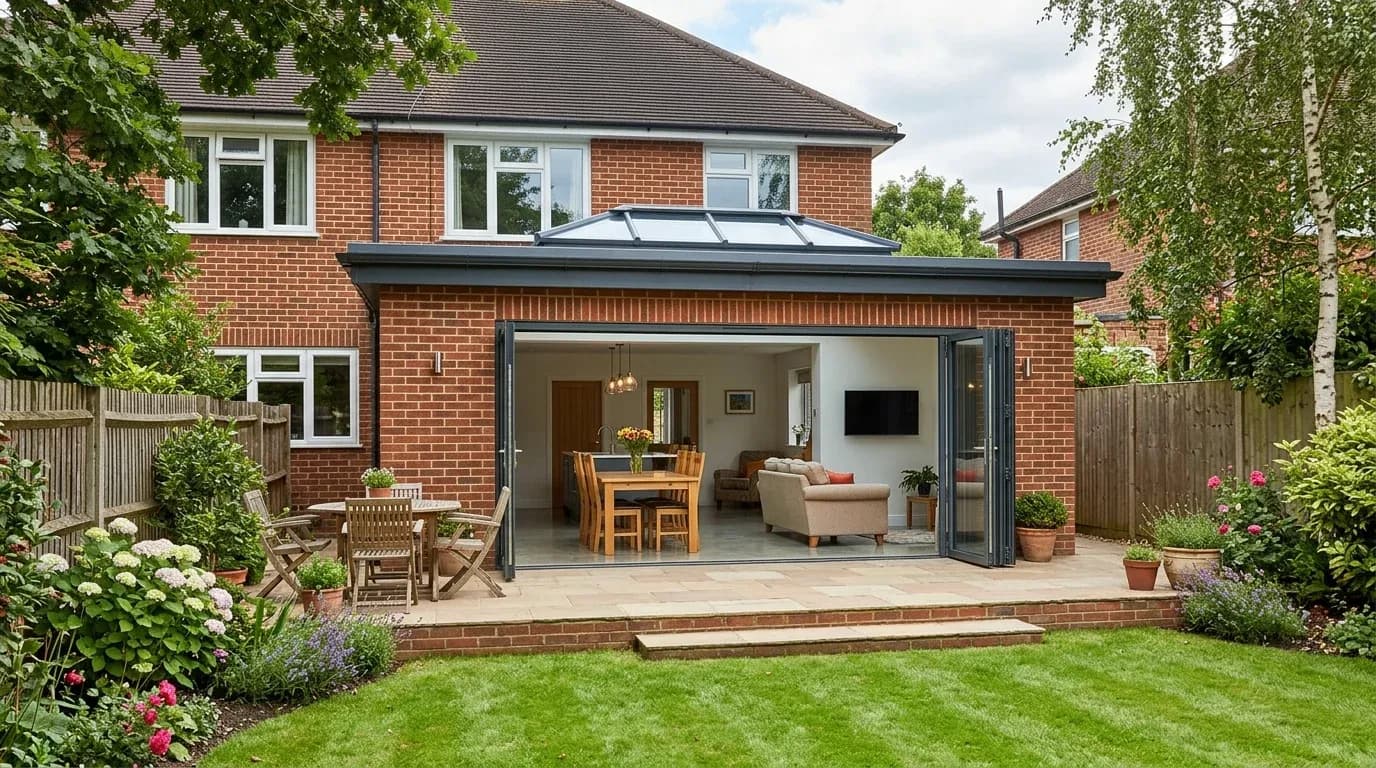
This is the question that brings most people to Less.co.uk. When you need more space, is it cheaper to move to a bigger house or to extend the one you've got?
Let's look at a real example. You live in a 3-bed semi worth £300,000 and need a fourth bedroom and a bigger kitchen-diner.
Option A: Moveto a 4-bed house in the same area (around £400,000). Your moving costs: stamp duty £10,000, agent fees £3,600, conveyancing £2,500, survey £500, removals £1,000. Total moving costs: roughly £17,600, plus you're now paying a £400,000 mortgage instead of a £300,000 one.
Option B: Improve with a single-storey rear extension (£25,000 to £45,000) and a loft conversion (£25,000 to £50,000). That gives you the extra bedroom and the bigger kitchen. Total: £50,000 to £95,000 - but your mortgage increase is smaller, you avoid stamp duty entirely, and you add value to your current home.
For many families, improving works out cheaper. The break-even point depends on local house prices, but as a rule of thumb: if the cost of the improvements is less than 60% of the difference in property value between your current home and the one you'd move to, improving is the better financial decision. Our moving vs improving calculator lets you plug in your own numbers and see which option makes more sense for your situation.
Hidden costs of moving house UK buyers forget
- New curtains, blinds, and carpets - a full set for a 3-bed house runs £2,000 to £5,000
- Council tax overlap if completions don't align (you might pay double for a month or two)
- Redecorating the new house before or after moving in - at least £500 to £2,000
- Storage costs if there's a gap between moving out and in (£100 to £200 per month)
- Updating your address on insurance, DVLA, banks, subscriptions - time rather than money, but it adds up
- Time off work - the average move takes 2 to 3 days including packing and unpacking
Frequently asked questions
How much does it cost to move house in the UK?
The total cost of moving house in the UK typically ranges from £8,000 to £30,000+ depending on the property price. The biggest single cost is stamp duty, which can be £0 for first-time buyers on properties up to £300,000, or tens of thousands on more expensive homes. Other costs include estate agent fees (1 to 3% of sale price), conveyancing (£1,000 to £2,000), surveys (£250 to £1,500), and removals (£500 to £2,000).
Is it cheaper to move house or extend?
In most cases, extending is cheaper than moving - especially when you factor in stamp duty, agent fees, and the hassle of selling and buying. A single-storey extension costs £20,000 to £50,000 and adds usable space, while moving to a slightly larger house in the same area could cost £15,000 to £40,000 in moving costs alone, plus you'd pay a higher purchase price.
How much is stamp duty in 2026?
From April 2025, stamp duty thresholds reverted to pre-2022 levels. You pay 0% on the first £125,000, 2% on £125,001 to £250,000, 5% on £250,001 to £925,000, 10% on £925,001 to £1,500,000, and 12% above £1,500,000. First-time buyers pay 0% up to £300,000 and 5% on £300,001 to £500,000. Second homes attract a 5% surcharge on top.
What hidden costs are there when moving house?
Commonly overlooked costs include: mail redirection (£66 for 12 months), updating your address on insurance and vehicle documents, new curtains and carpets for the new house, council tax overlap if completions don't align, storage costs if there's a gap between moving out and in, and the cost of any repairs or redecorating the new property needs before you can move in properly.
Thinking of improving instead?
Check the costs for extensions, loft conversions, and other home improvements - you might be surprised at how much you can save compared to moving.
Related articles
Extension vs Loft Conversion
Which adds more value and space to your home?
Planning Permission: When Do You Need It?
A plain-English guide to what you can build without permission.
Save Money on Home Improvements
Practical tips to cut costs without cutting corners.
EPC Ratings Explained
What your energy rating means for value and running costs.