How Much Does Window Replacement Cost in 2026?
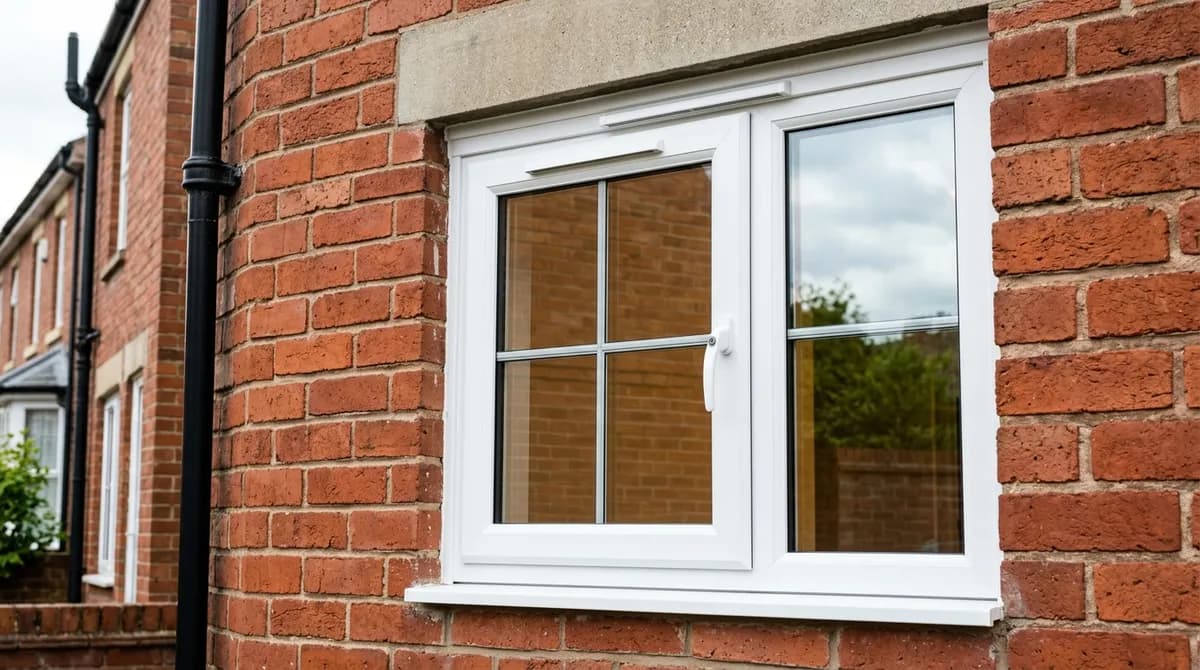
Window replacement costs £300 to £800 per window for standard uPVC double glazed units, supply and fit. Replacing every window in a typical 3-bed semi (around 8 windows) runs to £4,000 to £8,000 for uPVC. Aluminium and timber cost more. Here is what one window, a full house and every frame material actually costs in 2026.
£300
Per window from
£4,000+
Full house (uPVC)
uPVC
Cheapest frame
1 to 2 days
Typical install
Prices updated April 2026 · Based on industry data and contractor submissions.
Replacement windows must comply with Building Regulations Part L (energy efficiency) and Part Q (security). Always use a FENSA or CERTASS registered installer - they self-certify compliance and issue the certificate you need when you sell. In conservation areas or listed buildings, additional planning restrictions may apply.
Window Replacement Cost by Window Type and Material
These are typical UK prices for a single standard-size replacement window, supply and fit, including removal of the old window and FENSA certification. All figures reflect 2026 pricing.
uPVC casement
Standard opening, A-rated, supply and fit
£450
£300 to £600
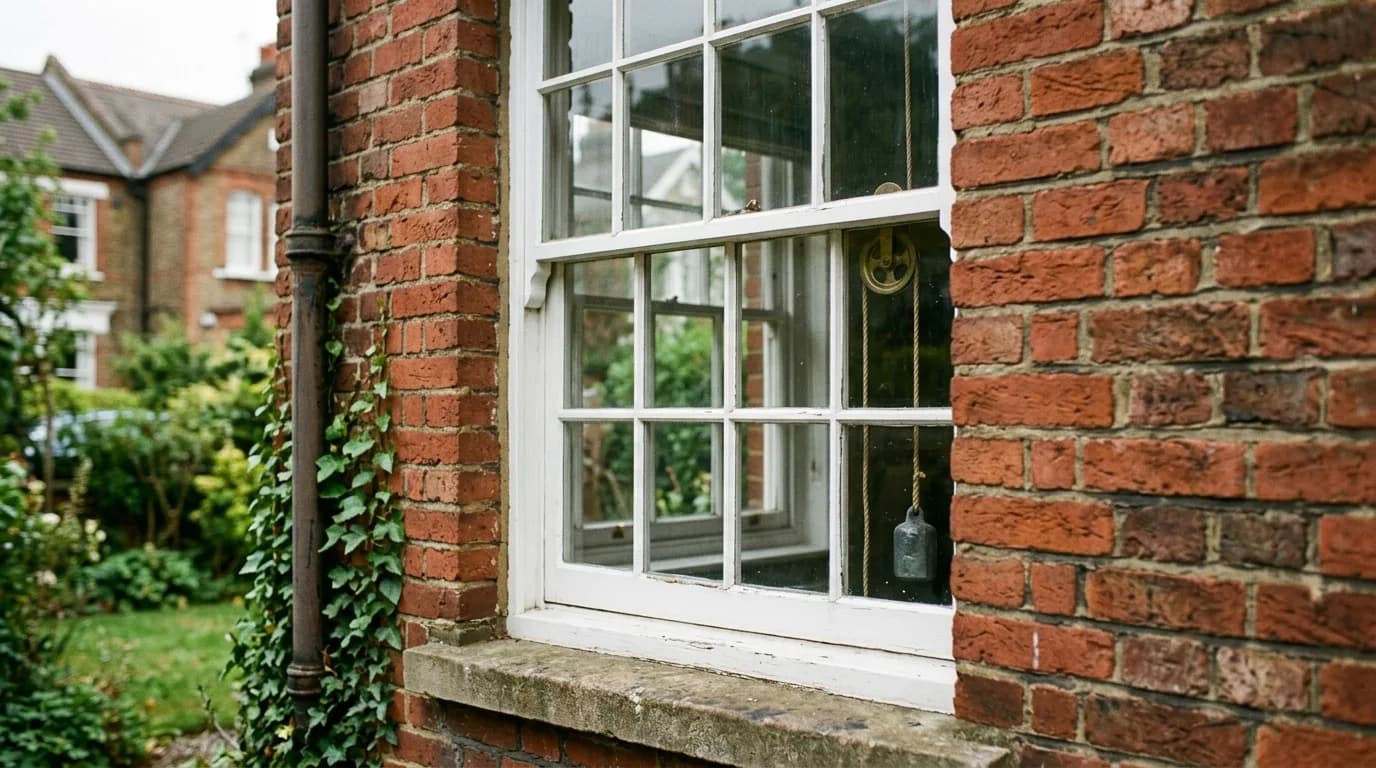
uPVC sash
Sliding sash, supply and fit
£900
£600 to £1,200
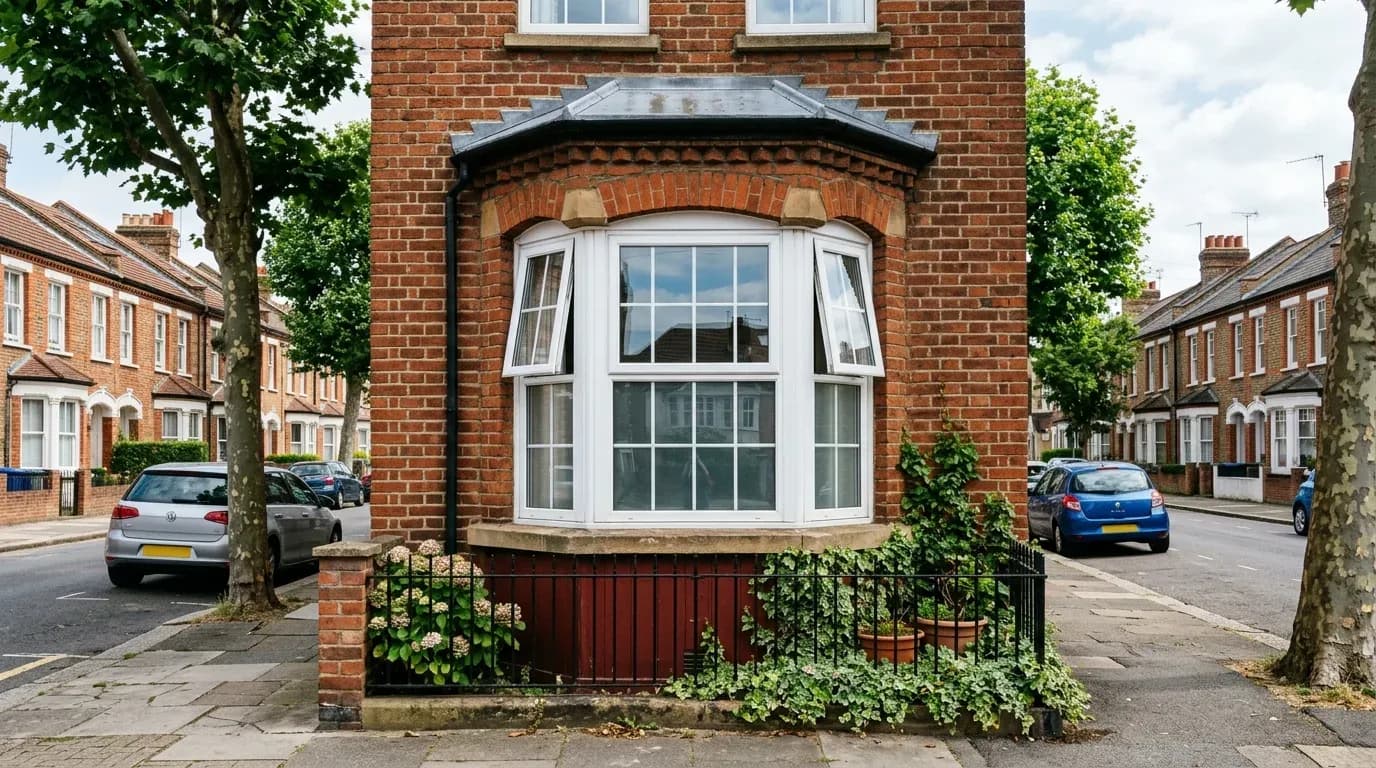
uPVC bay (3-panel)
Three-panel bay, supply and fit
£1,600
£1,200 to £2,000
Aluminium casement
Standard opening, A-rated, supply and fit
£700
£500 to £900
Aluminium sash
Sliding sash, supply and fit
£1,100
£800 to £1,400
Timber casement
Softwood or hardwood, painted, supply and fit
£1,050
£700 to £1,400
Timber sash
Softwood or hardwood, painted, supply and fit
£950
£700 to £1,200
Composite (timber-alu)
Timber core, aluminium cladding, supply and fit
£1,150
£800 to £1,500
Prices based on industry data for standard size windows. Actual costs depend on exact dimensions, specification, and your location.
Cost to Replace One Window
Plenty of people are not doing the whole house. One window has failed, or the hall window has misted, and they want to know what that single job costs.
Replacing a single window costs £300 to £600 for a standard uPVC casement, £600 to £1,200 for a sash, and £1,200 to £2,000 for a three-panel bay. On a one-window job, expect to land near the top of those ranges rather than the bottom. The installer still has to survey, travel, set up and take the old frame away, and all of that is carried by one window instead of eight.
Before you commit to a new frame, work out what has actually failed. If the frame is straight, the hinges and locks still work, and the problem is a misted or blown sealed unit, you can often have just the glass replaced for roughly £80 to £150 per unit. Not every installer offers unit-only replacement, so ask for it by name. If the frame itself has warped or the sash no longer closes on its seal, replacement is the honest answer.
One point worth knowing: a single replacement window still falls under Building Regulations, so it needs to go through a FENSA or CERTASS registered installer just like a full house would. A cheap cash job with no certificate will cause you problems when you sell.
Whole House Window Replacement Cost
The most common question: what does it cost to replace every window in the house? These estimates are for a typical 3-bed semi-detached with around 8 windows.
| Frame Material | Scope | Estimated Cost |
|---|---|---|
| uPVC throughout | ~8 windows (3-bed semi) | £4,000 to £8,000 |
| Aluminium throughout | ~8 windows (3-bed semi) | £5,000 to £8,000 |
| Timber throughout | ~8 windows (3-bed semi) | £4,000 to £7,000 |
| Triple glazing add-on | Any frame material | +20 to 30% over double |
Prices include supply, installation, old window removal, and FENSA certification. Bay windows, non-standard sizes, and sash windows will push the total higher.
Window replacement cost for a 3 bed house
A 3-bed semi normally has around 8 windows once you count the bathroom and landing. In uPVC that comes to £4,000 to £8,000 fitted. The spread is wide because it depends heavily on how many of those 8 openings are plain casements and how many are bays or sashes. A house with a front bay and the rest standard casements sits in the middle of that range. A terrace with 8 straightforward casements and no bay sits near the bottom.
Window replacement cost for a 4 bed house
A 4-bed detached usually has 12 to 16 windows, so the total runs proportionally higher than the 3-bed figure above. The one thing working in your favour is volume: on a job that size, the per-window price tends towards the bottom of the £300 to £600casement range, because the installer's survey, travel and setup costs are spread across far more units. That is also where you have the most negotiating room.
For any house that is not a standard 3-bed semi, the reliable way to budget is to walk round and count your actual openings, noting which are casements, which are sashes and which are bays, then price them against the per-window table above. Our double glazing calculator does that arithmetic for you and adjusts for your region and frame material.
uPVC vs Aluminium vs Timber: Full Comparison
Frame material is the single biggest factor in the cost of your new windows. Here is how the three main options compare across every dimension that matters.
| Feature | uPVC | Aluminium | Timber |
|---|---|---|---|
| Cost per window (casement) | £300 to £600 | £500 to £900 | £700 to £1,400 |
| Lifespan | 20 to 25 years | 30 to 40 years | 30 to 60 years (maintained) |
| Maintenance | Almost none | Almost none | Regular painting/staining |
| Appearance | Wider frames, modern | Slim, contemporary | Traditional, premium |
| Thermal performance | Good | Good (thermal break) | Excellent |
| Best for | Most homes, best value | Modern builds, slim sightlines | Period properties, conservation |
For most UK homeowners, uPVC gives the best value. It dominates the market for good reason - low cost, minimal maintenance, and decent thermal performance. Aluminium is the step-up for anyone who wants a more contemporary look, particularly on new builds and modern extensions. Timber is the right answer for period properties and conservation areas where planning rules often demand it.
Window Energy Ratings and What They Save
Every replacement window should carry a BFRC energy rating label. Here is what the ratings mean and what upgrading your windows actually saves on heating bills.
Best available - triple glazed, argon/krypton filled, multiple Low-E coatings
The standard for quality replacement windows in 2026 - most good installers quote A-rated
Minimum for Building Regulations - most standard double glazing meets or exceeds this
Below minimum requirement - if your windows are rated here, replacing them pays for itself faster
Typical energy savings
Upgrading from old single glazing to new A-rated double glazing saves roughly £100 to £200 per year on heating bills for a typical semi-detached home. Replacing older double glazing with modern A-rated units saves less - typically £30 to £80 per year. The real benefit most people notice is comfort: warmer rooms, fewer draughts, and less condensation on the glass.
Additional Costs to Budget For
The main window price usually covers supply, fit, and removal of old units. But there are a few extras that catch people out - budget for these if they apply.
| Item | Typical Cost |
|---|---|
| Scaffolding (upper floors) | £500 to £1,000 |
| Lintel replacement | £200 to £500 per window |
| Internal plastering | £50 to £100 per window |
| Skip / waste removal | £150 to £300 |
| Trickle vents (if needed) | Included in spec |
| FENSA certificate | Included |
New Window Costs by Region
Window prices vary by region, mainly because of differences in labour costs. These are average prices for a full house replacement (3-bed semi, uPVC, ~8 windows) by area.
| Region | Average Cost | vs National |
|---|---|---|
| London | £5,500 | +22% |
| South East | £5,000 | +11% |
| East of England | £4,800 | +7% |
| South West | £4,600 | +2% |
| Midlands | £4,500 | Average |
| Yorkshire | £4,100 | -9% |
| North West | £4,200 | -7% |
| North East | £3,900 | -13% |
| Scotland | £4,100 | -9% |
| Wales | £4,000 | -11% |
Based on industry data. Full house uPVC replacement, 3-bed semi, supply and fit.
Triple Glazing - Is It Worth the Extra Cost?
Triple glazing is the most common upsell in the window industry. Here is the straight answer.
Triple glazed units cost 20 to 30% more than equivalent double glazed units. On a full house of uPVC windows, that typically adds £600 to £1,500 to the total. The trouble is, the energy saving in most UK homes is modest - we are talking a few tens of pounds a year, not the hundreds that some salespeople imply.
Worth considering if:
- + Road noise is your main concern
- + North-facing rooms that never feel warm
- + New build where the price difference is smaller
- + Very exposed or rural site
Probably not worth it if:
- - Your loft or walls are still uninsulated
- - You are on a tight budget
- - Standard retrofit - the payback takes decades
- - You are doing the work mainly to sell
If you have not insulated your loft and cavity walls yet, spend the money there first. Those improvements save far more energy per pound spent than going from double to triple glazing.
Is It Worth Replacing 20 Year Old Windows?
This is the question behind most window replacement quotes, and the honest answer depends on what your windows are actually doing wrong.
uPVC windows have a working life of 20 to 25 years, so a 20 year old set is genuinely near the end of it. Hinges seize, locks stop lining up, gaskets go hard, and the sealed units start to mist. Those are the reasons to replace, and they are reasons about how the house works day to day rather than about money.
The energy case on its own is weaker than the sales pitch. Going from older double glazing to modern A-rated units saves roughly £30 to £80 a year. Against a £4,000 to £8,000 whole-house bill, that will not pay for itself in any timeframe worth planning around. The picture is different if you are still on single glazing, where the saving is more like £100 to £200 a year and the comfort improvement is dramatic.
Replace if:
- + Frames have warped or the sash will not seal
- + Locks or hinges have failed and parts are obsolete
- + Most of the units have misted, not just one
- + You are still on single glazing
Hold off if:
- - Frames are sound and only the glass has gone
- - You are buying purely on a promised energy saving
- - Loft and cavity walls are still uninsulated
- - Draughts trace back to doors or floors instead
If the frames are still straight and the only problem is misting, a sealed unit swap at £80 to £150 per unit buys you several more years for a fraction of a full replacement.
Are there grants for new windows?
Not usually, and never as a straight discount on a private order. The government energy schemes that are running, mainly ECO4 through your energy supplier and the Warm Homes: Local Grant through your council, are aimed at insulation and heating rather than glazing, and where windows are funded at all it tends to be alongside other measures in a low-income or fuel-poor household. Eligibility is decided by the supplier or the council, not by the window company. If an installer tells you a grant will cover your job, check it yourself before you sign anything.
How to Get Your New Windows for Less
Replacement windows are one of the most price-negotiable home improvements going. Here is how to make that work in your favour.
Get quotes from local independents, not just the big nationals
The national chains - Everest, Anglian, Safestyle - spend heavily on TV advertising and run commission-based sales teams. That overhead ends up in your quote. A local independent installer does not carry those costs and is almost always cheaper for the same product. Get at least one local quote alongside any nationals and compare like-for-like.
Buy in January or February when order books are quiet
Winter is the slow season for window installers. National companies run their steepest promotions in January and February to fill their order books. Local firms are more flexible on price too. On a full house job, timing it right can save 10 to 15% compared to ordering in summer when everyone is busy.
Skip triple glazing unless you have a specific reason
Triple glazing adds 20 to 30% to the cost and the energy saving in the UK climate is small - a few tens of pounds a year at best. Good A-rated double glazing with Low-E glass, argon fill, and warm-edge spacers gets you most of the thermal benefit. Spend the savings on loft insulation or cavity wall insulation instead - those upgrades save more per pound.
Consider replacing sealed units only if the frames are sound
If your window frames are still in good condition but the sealed glass units have misted up, you can often replace just the glass without changing the entire frame. This costs roughly £80 to £150 per unit versus £300+ for a whole new window. Not every installer offers this service, so ask specifically about unit-only replacement before committing to a full refit.
Get three quotes and negotiate on the whole-house price
Window prices are negotiable to an unusual degree. On a full house job, installers have room to drop their per-window price when the volume is there. Get three quotes, let each installer know what the others have come in at (roughly), and ask them to sharpen their price. This approach routinely saves 10 to 20% on the final bill.
Always verify FENSA or CERTASS registration first
Non-negotiable. An unregistered installer cannot issue a FENSA certificate, which means you would need to apply to the council for retrospective Building Regulations approval when you sell. That costs money, causes delays, and can scare off buyers. It takes 30 seconds to check at fensa.org.uk - do it before you sign anything.
Pay the deposit on a credit card, not in cash
Big-name national window firms have gone into administration in recent years, taking customers' deposits down with them. If you put any part of the bill on a credit card, Section 75 of the Consumer Credit Act makes the card provider jointly liable, so you can reclaim your money if the installer folds before fitting the windows. It covers single purchases over £100 and up to £30,000 and still applies when you only put the deposit on the card and paid the balance another way. Deposits handed over in cash or by bank transfer are far harder to get back.
What to Expect: The Window Replacement Process
From first survey to FENSA certificate, here is how a typical window replacement job works.
- 1
Survey and quote
A surveyor visits to measure every opening and discuss the spec - frame material, colour, glass type, handle style, trickle vents. Get the U-value, energy rating, and guarantee details in writing. Do not sign on the first visit. Take the quote away, get at least two more, and compare properly.
- 2
Final measurements
Once you accept a quote, a technician takes precise measurements before anything goes into production. Made-to-measure windows cannot be sent back if the sizes are wrong. Some installers combine this with the initial survey; others separate it.
- 3
Manufacturing (3 to 6 weeks)
Your windows go into production - typically 3 to 4 weeks for uPVC or aluminium, up to 6 weeks for timber or bespoke sizes. Your existing windows stay in place throughout. You will get an installation date once manufacturing is confirmed.
- 4
Installation day (1 to 3 days)
The fitting team works one room at a time. Old frames come out, new ones go in, everything is sealed, adjusted, and tested. On a full house job they usually start at the top and work down. Expect noise and some dust, but the house stays liveable throughout.
- 5
FENSA certificate issued
Your installer registers the completed work with FENSA or CERTASS. You receive a certificate confirming Building Regulations compliance. File it with your deeds, boiler records, and other house paperwork. Solicitors ask for it when you sell, so do not lose it.
Frequently Asked Questions
How much does window replacement cost in the UK?
Window replacement costs £300 to £800 per window for standard uPVC double glazing, supply and fit. A standard uPVC casement is £300 to £600, sash windows are £600 to £1,200, and bay windows £1,200 to £2,000 for a three-panel unit. A full house replacement (8 windows) on a typical 3-bed semi runs to £4,000 to £8,000 for uPVC, £5,000 to £8,000 for aluminium, and £4,000 to £7,000 for timber. Prices include supply, installation, removal of old windows, and FENSA certification.
How much does it cost to replace one window in the UK?
Replacing a single window costs £300 to £600 for a standard uPVC casement, £600 to £1,200 for a sash, and £1,200 to £2,000 for a three-panel bay. Expect to land at the upper end of those ranges on a one-window job, because the installer spreads their setup and travel costs across a single unit rather than eight. If the frame is still sound and only the sealed glass unit has misted, replacing the unit on its own costs roughly £80 to £150 instead.
How much does it cost to replace windows in a 4 bed house in the UK?
A 4-bed detached typically has 12 to 16 windows against around 8 on a 3-bed semi, so the total is proportionally higher than the £4,000 to £8,000 uPVC figure for a 3-bed. Larger jobs also pull the per-window price towards the bottom of the £300 to £600 casement range, because the installer's setup and travel costs are spread across more units. Count your own openings, note which are casements, sashes and bays, and price them against the per-window table above.
Is it worth replacing 20 year old windows?
uPVC windows last 20 to 25 years, so a 20 year old set is near the end of its working life and replacement is usually justified. The financial case is weaker than the salespeople suggest, though: swapping older double glazing for modern A-rated units saves around £30 to £80 a year, against £100 to £200 a year if you are still on single glazing. Replace when the frames have warped, the locks have failed, or the units have misted. If the frames are sound and only the glass has gone, a sealed unit swap at £80 to £150 per unit is far better value.
Is it cheaper to replace all windows at once or one at a time?
All at once is cheaper per window. The installer's survey, travel, setup and waste removal are spread across the whole job, so the per-window price drops as the count goes up, and a whole-house order gives you far more room to negotiate. Doing it room by room over several years costs more overall and means paying for repeat call-outs. The exception is if only one or two windows have actually failed, in which case there is no point replacing frames that still have years left in them.
Can I get a grant for new windows?
Rarely, and never as a straightforward discount on a private order. Government energy schemes such as ECO4 and the Warm Homes: Local Grant are aimed at insulation and heating rather than glazing, and where windows are funded at all it is usually alongside other measures in a low-income or fuel-poor household. Eligibility is decided by your energy supplier or your local council, not by the window company, so check with them directly before you take any installer's word that a grant will cover your job.
How much does it cost to replace all windows in a house?
For a typical 3-bed semi with around 8 windows, expect to pay £4,000 to £8,000 for uPVC, £5,000 to £8,000 for aluminium, or £4,000 to £7,000 for timber frames. A 4-bed detached with 12 to 16 windows will cost proportionally more. The per-window price drops on larger jobs because the installer spreads their setup and travel costs across more windows.
Is uPVC or aluminium cheaper for new windows?
uPVC is significantly cheaper. A standard uPVC casement window costs £300 to £600 installed, while the equivalent in aluminium costs £500 to £900. On a full house job, the difference adds up: uPVC typically comes in at £4,000 to £8,000 versus £5,000 to £8,000 for aluminium. Aluminium does look better - slimmer frames, sharper lines - and lasts longer, but for most homes uPVC does the job perfectly well.
How much do bay windows cost to replace?
A three-panel uPVC bay window costs £1,200 to £2,000 supply and fit. Aluminium bays are more expensive due to the custom framing. Bay windows cost considerably more than standard casements because they are larger, heavier, and take longer to install. If the bay structure itself needs repair or replacement, add another £500 to £1,500 depending on the extent of the work.
Does triple glazing cost much more than double?
Triple glazing typically adds 20 to 30% to the cost of equivalent double glazed windows. On a full house of uPVC windows, that means an extra £600 to £1,500 on top of the double glazing price. For most UK homes, the energy saving from triple glazing is modest - a few tens of pounds a year. It is better value if noise reduction is your main concern or you have a particularly cold, exposed property.
What extra costs should I budget for with new windows?
Scaffolding for upper floor access typically costs £500 to £1,000 if required. Lintel replacement runs £200 to £500 per window when the existing lintel is damaged or undersized. Internal plastering after installation costs £50 to £100 per window to make good the reveals. Skip hire or waste removal adds £150 to £300 if not included in the installation quote. Always check what is and is not included before signing.
Do I need FENSA certification for new windows?
Yes. All replacement windows must comply with Building Regulations Part L (energy efficiency) and Part Q (security). A FENSA or CERTASS registered installer self-certifies compliance and issues a certificate. You will need this when you sell your home. Always verify your installer's registration at fensa.org.uk or certass.co.uk before agreeing to any work.
When is the cheapest time to buy new windows?
January and February tend to be the cheapest months. Order books are quiet after Christmas and installers - both nationals and independents - are more willing to discount. Summer is the most expensive time because demand peaks. If your existing windows are holding up, waiting for the winter lull can save you 10 to 15% on a full house job.

Written by Chris Kervin, Co-Founder of Less.co.uk
Last updated: · Pricing based on industry data and verified contractor submissions · Methodology
Ready to get your new windows for less?
Window prices are more negotiable than almost anything else in home improvement. The more quotes you have, the stronger your position when it comes to agreeing a price.
Get Free Window QuotesFree, no obligation · Local installers · Compare up to 3 quotes
Compare real quotes for your job
Prices move a lot with your postcode, the access on site and the spec you choose. Get up to 3 free quotes from vetted local tradespeople and see what yours actually comes to, with no obligation to book.