Replacement Windows: Your Complete Guide
Whether you need a single window swapped out or the whole house done, this guide covers window types, frame materials, glazing options, energy ratings, and what the regulations actually require. No jargon, no sales pitch.
Quick answer
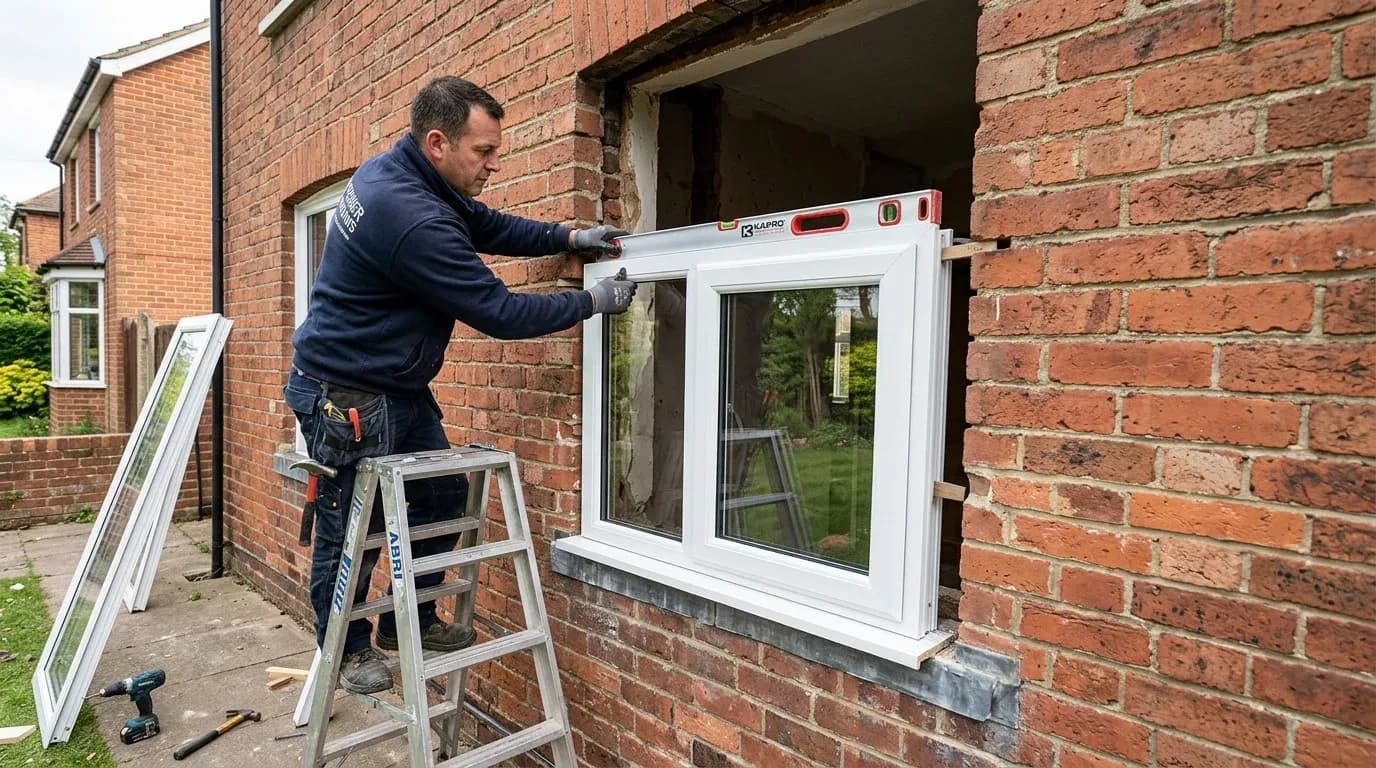
New replacement windows cost £300 to £800 per window for standard uPVC double glazed units, supply and fit. A full house replacement on a typical 3-bed semi (around 8 windows) usually runs to £4,000 to £8,000 for uPVC, rising to £5,000 to £8,000 for aluminium. Installation takes one to two days for most homes.
See full window cost guideWindow types
Types of replacement window
Casement windows
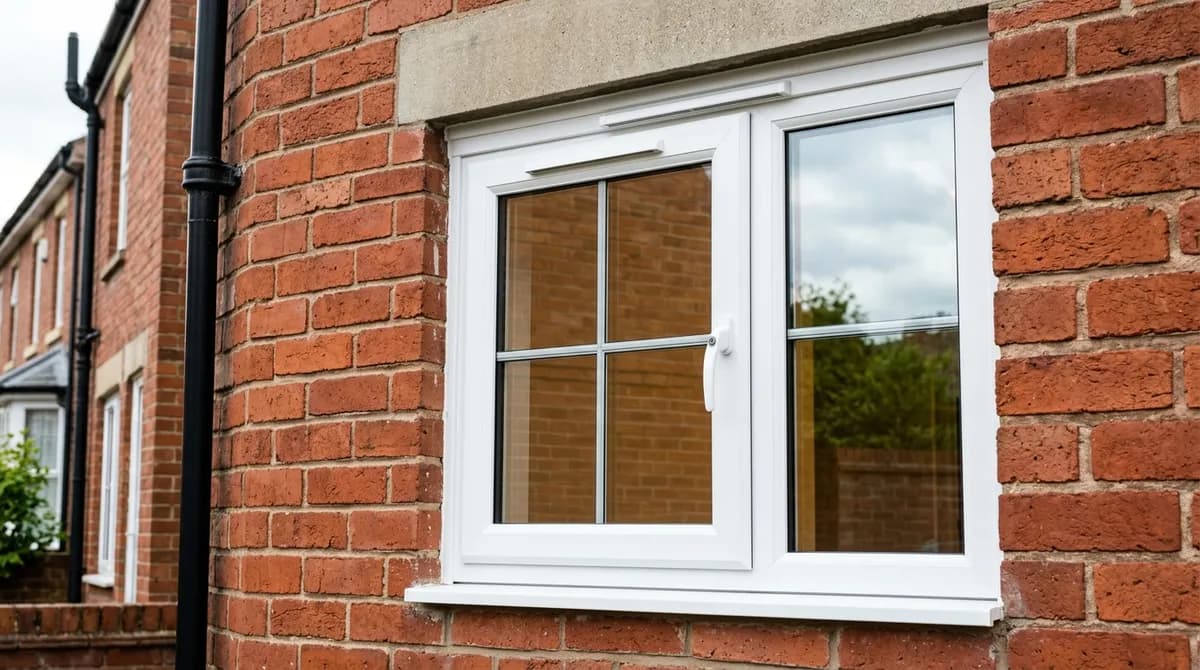
The most common window type in UK homes. Hinged on one side and opens outward. Available in every frame material and the cheapest to manufacture and install. If you are replacing like-for-like on a typical semi or terrace, this is almost certainly what you have and what you will be quoted for.
Sash windows
The traditional choice for Victorian and Edwardian properties. Two panels slide vertically past each other on a counterbalance mechanism. More expensive than casement windows - the mechanism is more complex and fitting them well takes real skill. Often the only style that gets planning approval in conservation areas.
Bay windows
Project outward from the wall in three panels, usually at 30 or 45 degree angles. Common on the front of semi-detached and terraced houses built from the 1930s onward. More expensive to replace because of the size and the structural support needed. A three-panel uPVC bay typically costs £1,200 to £2,000 installed.
Bow windows
Similar to bay windows but with a gentle curve rather than angled panels - typically four or five narrower panes forming an arc. They let in plenty of light and create a wider window seat. More expensive than a standard bay because of the custom curved framing required.
Tilt-and-turn windows
Open in two ways: tilt inward at the top for ventilation, or turn fully inward on a side hinge for cleaning and emergency escape. Popular in flats and upper floors because you can clean the outside from inside. Common across Europe and increasingly fitted in UK new builds and high-rise developments.
Fixed windows
Non-opening windows that exist purely for light. The cheapest option because there are no hinges, handles, or opening mechanisms. Commonly used alongside opening windows - for example, a fixed pane above a front door, or a large fixed picture window with smaller opening casements either side.
Frame materials
uPVC vs aluminium vs timber vs composite
Frame material is the biggest single factor in the cost, look, and longevity of your new windows. Here is how the four main options compare.
| Feature | uPVC | Aluminium | Timber | Composite |
|---|---|---|---|---|
| Cost per window | £300 to £600 | £500 to £900 | £700 to £1,400 | £800 to £1,500 |
| Lifespan | 20 to 25 years | 30 to 40 years | 30 to 60 years | 35 to 50 years |
| Maintenance | Almost none | Almost none | Regular painting | Very low |
| Appearance | Wide frames | Slim, modern | Traditional | Premium finish |
| Thermal performance | Good | Good (with thermal break) | Excellent | Excellent |
| Best for | Most homes | Modern builds | Period properties | Long-term investment |
For most UK homeowners replacing older windows, uPVC is the sensible choice - it is the most affordable, needs almost no looking after, and performs well. Aluminium is worth the step up if you want a contemporary look with slim sight lines. Timber is the go-to for period homes and conservation areas where planning rules often insist on it. Composite frames combine a timber core with aluminium cladding on the outside, giving you the thermal qualities of wood without the upkeep - but at a price that puts most people off.
Glazing options
Glazing types explained
Double glazing (standard)
Two panes of glass with a sealed gap between them, usually filled with argon gas and featuring a Low-E coating on one pane. This is what most UK homes are fitted with and what Building Regulations require as a minimum. A standard A-rated double glazed unit has a U-value of around 1.4 W/m²K, which is perfectly good for the British climate.
Triple glazing
Three panes of glass instead of two, giving better thermal and acoustic insulation. Costs 20 to 30% more than equivalent double glazing. For most UK homes it is hard to justify the extra spend on energy savings alone - the payback takes decades. Where it does make sense is on very exposed sites, north-facing rooms that struggle to stay warm, or where road noise is a genuine quality of life issue.
Self-cleaning glass
A special coating on the outside of the glass breaks down organic dirt using UV light, and rain then washes it away. Useful for windows that are difficult to reach - upper floors, conservatory roofs, skylights. Adds around £20 to £40 per pane to the cost. Not a magic solution - you will still need to clean them occasionally, but far less often.
Acoustic glazing
Uses a laminated inner pane (two layers of glass bonded with a sound-dampening interlayer) to reduce noise transmission. Particularly effective against traffic noise, aircraft noise, and pub/nightclub bass. If you live on a busy road and noise is your main concern, acoustic double glazing can actually outperform standard triple glazing for sound reduction.
Energy performance
Window Energy Ratings explained
The British Fenestration Rating Council (BFRC) rates windows on a scale from E (worst) to A++ (best). The rating takes into account heat loss (U-value), solar heat gain (g-value), and air leakage. Here is what each band means in practice.
The best available. Typically triple glazed with argon or krypton fill, multiple Low-E coatings, and warm-edge spacer bars. Expensive, but the highest possible thermal performance.
Excellent performance. High-spec double glazing or entry-level triple glazing. Good choice if you want the best double glazed option available.
The standard for good quality replacement windows in 2026. Most reputable installers quote A-rated units as their baseline. This is the sweet spot for most homes.
Decent performance but below today's standard. You might see B-rated windows in budget quotes or older stock. Worth paying the small premium to get to A.
The minimum rating that meets Building Regulations. Any replacement window installed today should be at least C-rated by law. Most standard double glazing comfortably exceeds this.
Below the minimum requirement for new installations. If your existing windows are D or E rated, replacing them will make a noticeable difference to comfort and energy bills.
What upgrading your windows actually saves
Replacing old single glazing with new A-rated double glazing can save around £100 to £200 per year on heating bills for a typical semi, according to the Energy Saving Trust. Replacing older double glazing (10 to 20 years old) with new A-rated units saves less - typically £30 to £80 per year. The bigger gain is usually comfort: fewer draughts, warmer rooms, and less condensation on the glass.
Regulations
FENSA, CERTASS, and Building Regulations
All replacement windows must comply with Building Regulations. Part L covers energy efficiency (minimum C-rated windows), Part Q covers security (PAS 24 rated locks and hardware). Always use a FENSA or CERTASS registered installer - they handle compliance and certification for you.
What FENSA does
FENSA is a government-authorised scheme that lets registered installers self-certify that their window installations comply with Building Regulations. Once the job is done, they register the work and you receive a FENSA certificate. This certificate is proof of compliance - you will need it when you sell your home. Solicitors specifically ask for it during conveyancing.
CERTASS - the alternative scheme
CERTASS works exactly the same way as FENSA. It is a separate competent person scheme with its own registration process. Both are equally valid for Building Regulations certification. Check which scheme your installer is registered with and verify it at fensa.org.uk or certass.co.uk before signing anything.
What if my installer is not registered?
If you use an installer who is not registered with FENSA or CERTASS, you must apply to your local council for Building Regulations approval yourself. This means a council inspector will need to check the work, which costs extra (typically £200 to £400) and takes longer. It is far easier to use a registered installer in the first place.
Conservation areas and listed buildings
If your property is in a conservation area, AONB, or is listed, you may face restrictions on frame material, colour, and style. Timber-to-uPVC swaps are commonly refused. Check with your local planning authority before ordering anything - getting the wrong windows made to measure is an expensive mistake that cannot easily be undone.
You can verify any installer's registration on the FENSA official register. For further guidance on choosing quality windows and finding reputable installers, the Glass and Glazing Federation (GGF) offers independent advice for homeowners.
Finding an installer
How to find a good window installer
Verify FENSA or CERTASS registration first
Before you even invite someone to quote, check their registration at fensa.org.uk or certass.co.uk. An unregistered installer means you need council approval at extra cost. Do not take their word for it - search the register yourself.
Get at least three written quotes
Window prices vary significantly between installers - we regularly see differences of 30-40% for the same windows. Get three quotes all based on the same frame material, same energy rating, and same window styles. A quote for A-rated uPVC casements is not comparable to one for B-rated or aluminium, so make sure the specs match.
Never sign on the same day
This industry has a long history of high-pressure same-day discounts. Any reputable installer will honour a quote for at least 28 days. If the price supposedly expires tonight, it is a tactic, not a genuine deadline. Get your three quotes and take time to compare.
Ask about insurance-backed guarantees
A 10-year guarantee is standard, but check whether it is insurance-backed. This protects you if the company closes down during the guarantee period. Without insurance backing, the guarantee is only as good as the company behind it.
Guides
Window guides
New Windows Cost Guide
Per-window and whole-house prices by frame type and window style.
£300 to £800 per window
Double Glazing Guide
Focused guide on double glazing: costs, FENSA, and what to watch out for.
£350 to £1,500 per window
Bay Window Cost
Victorian and Edwardian bay window prices and what to expect.
Triple Glazing Guide
Is triple glazing worth the extra cost for UK homes?
FAQ
Common questions about replacement windows
What types of replacement windows are available?
The main types are casement (hinged, most common), sash (sliding, traditional), bay (three-panel projection), bow (curved projection), tilt-and-turn (opens two ways, popular in flats), and fixed (non-opening, for light only). Casement windows are the most affordable and widely fitted across the UK.
What is the best frame material for my home?
uPVC is the right choice for most homes - affordable, low maintenance, and thermally efficient. Aluminium costs more but looks sharper on modern properties. Timber suits period homes and conservation areas. Composite (timber-alu) gives excellent performance but at a premium price that most homeowners struggle to justify.
Do I need FENSA certification?
Yes. All replacement windows must comply with Building Regulations. A FENSA or CERTASS registered installer handles compliance and issues a certificate on completion. You will need this when you sell your home. If your installer is not registered, you must apply for council approval separately - which costs more and takes longer.
What Window Energy Rating should I aim for?
A-rated is the standard for good replacement windows in 2026. C is the minimum that meets Building Regulations. Most reputable installers quote A-rated units as their baseline. Going to A+ or A++ costs more and the additional energy saving is modest - worth it if you plan to stay a long time, less so if you are doing the work to sell.
Is triple glazing worth the extra money?
For most UK homes, no. Good A-rated double glazing performs well enough for the climate. Triple glazing costs 20 to 30% more and the energy savings are marginal. It is worth considering if road noise is your main concern, or if you have a particularly exposed or cold property.
Do I need planning permission to replace windows?
Usually not. Window replacement is permitted development in most situations. Conservation areas, AONBs, and listed buildings are the main exceptions - your local planning authority may restrict the material, style, or colour. Check before ordering if any heritage designation applies to your property.
Quote service coming soon
Compare window quotes near you
Get free quotes from FENSA-registered installers in your area. No obligation, no sign-up needed.
Get Free Window QuotesCompare real quotes for your job
Prices move a lot with your postcode, the access on site and the spec you choose. Get up to 3 free quotes from vetted local tradespeople and see what yours actually comes to, with no obligation to book.