Double Glazing & New Windows: Cost Guide 2026
How much does double glazing cost? From a single replacement window to new windows throughout a 3-bed house, this guide covers what you should expect to pay, how to compare uPVC, aluminium, and timber frames, and how to avoid the industry's well-known pressure sales tactics.
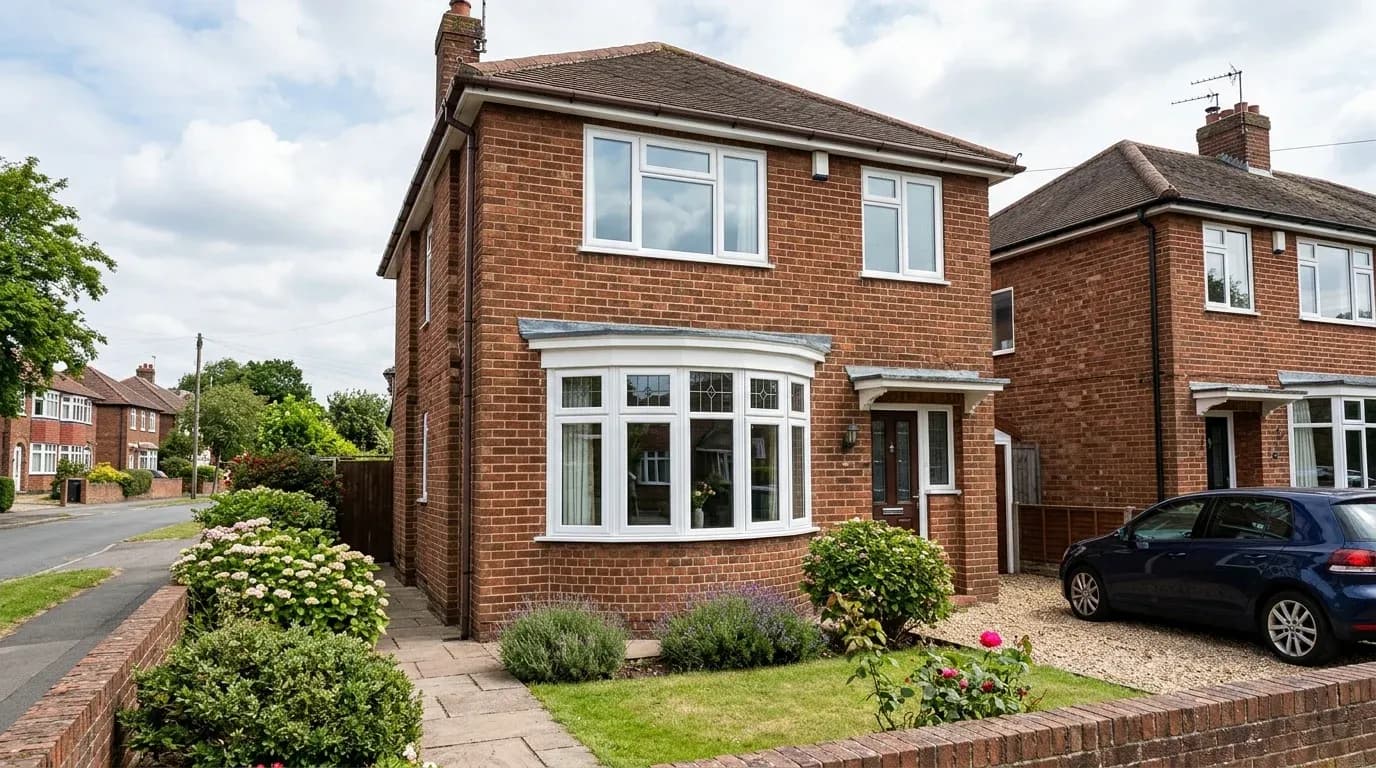
Quick answer
Double glazing costs £300 to £1,500 per window depending on size, frame material, and glass specification. A full-house replacement on a typical semi-detached (8 to 10 windows) usually comes to £4,000 to £9,000 for uPVC, more for aluminium or timber. Most full-house installations take one to two days.
See full double glazing cost guideWhat the job involves
What does a double glazing installation involve?
Window and door replacement
Old frames are removed and the new units are fitted directly into the existing opening. A good installer checks the reveal dimensions carefully before manufacture - poorly measured windows create problems that are expensive to fix. The whole process for a standard semi-detached typically takes one full day with a two-person team.
Made-to-measure manufacturing
Double glazing is manufactured to order. Once you place a contract, the frames and sealed units are made to your exact measurements - typically a 3 to 6 week lead time. This is why same-day pressure selling is a problem: any reputable installer will let you take time to decide, since the units are not made until you confirm the order.
FENSA or CERTASS certification
A registered installer self-certifies the installation for Building Regulations compliance and issues a certificate on completion. Keep this document safe - your solicitor will ask for it when you sell. If you go with an unregistered installer, you will need to apply to your local council for Building Regs approval yourself, at additional cost.
Energy efficiency improvements
Modern A-rated double glazing significantly reduces heat loss compared to older single-glazed or early double-glazed units. Look for the BFRC energy rating label on windows - A or A+ is what you want. Lower U-values are better (1.2 W/m²K or below is a good target for the whole window, not just the glass).
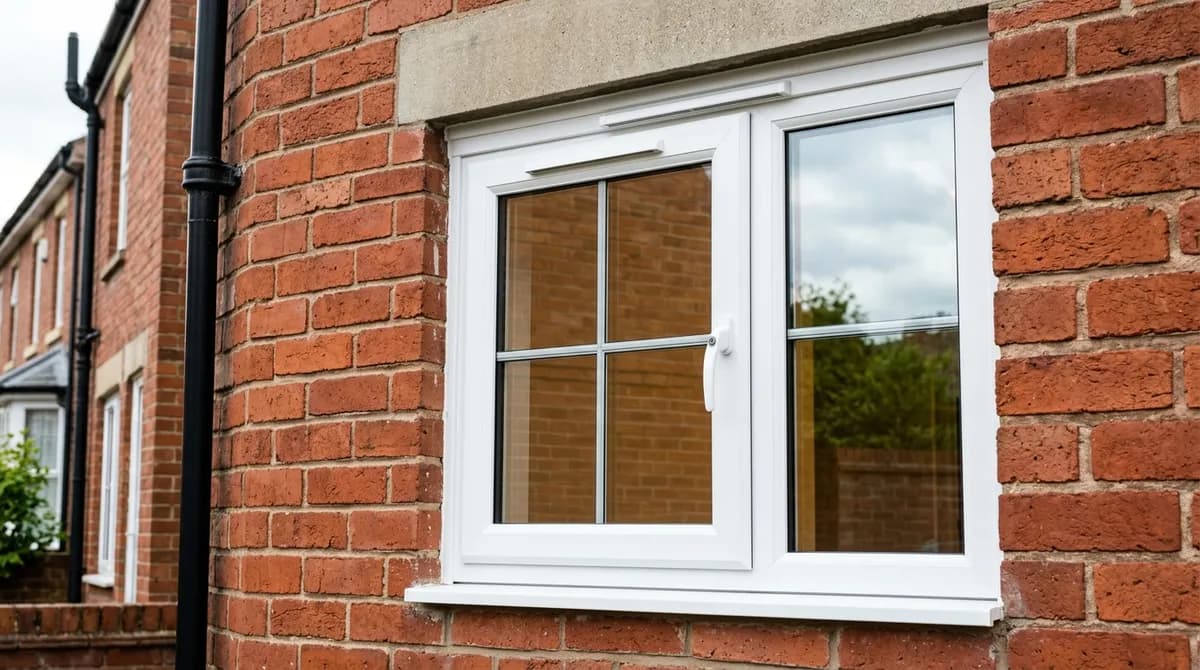
Only buy from a FENSA or CERTASS registered installer. They self-certify Building Regulations compliance, so you do not need to notify the council separately. Check registrations at fensa.org.uk or certass.co.uk before agreeing to any work.
Before you hire
Key things to consider
Frame material makes a real difference to price and look
uPVC is the most common and most affordable - it comes in a good range of colours now, not just white. Aluminium has a slimmer profile and a more contemporary aesthetic, at 20 to 40% more cost. Timber suits period properties and conservation areas but needs maintenance every few years. Think about how the material will look on your property before committing.
Check the energy rating of the whole window unit
The British Fenestration Rating Council (BFRC) rates windows from E (worst) up to A++ (best). Always ask for the rated U-value of the complete window - some salespeople quote the glass-only figure, which flatters the product. A-rated double glazing (U-value around 1.4 W/m²K or lower) is a reasonable standard for modern replacement windows.
Never sign the same day
Double glazing companies have a long history of high-pressure same-day discounts. Any legitimate company will give you time to think and will honour a quote for at least 28 days. If a salesperson insists the offer expires tonight, that is a sales tactic, not a genuine constraint. Walk away and get other quotes.
Trickle vents may be required under Building Regs
If your existing windows do not have trickle vents, you may need to fit them in the replacement frames under current Building Regulations Part F (ventilation). A FENSA-registered installer will advise you on this - if they do not mention it, ask.
Finding a contractor
How to find a good double glazing installer
- 1
Verify FENSA or CERTASS registration
Go to fensa.org.uk or certass.co.uk and search for the installer before you invite them to quote. This takes 30 seconds and tells you whether they are genuinely registered. Do not take their word for it.
- 2
Get at least three written quotes
Double glazing pricing varies widely. Get quotes from at least three different installers for the same specification - same frame material, same glass type, same energy rating - so you are comparing like with like.
- 3
Ask what the FENSA certificate process looks like
A registered installer should be able to explain clearly how they handle the FENSA registration and certificate issue. If they are vague about this, push them on it. You need that certificate.
- 4
Check reviews independently
Look at Google and Trustpilot reviews rather than any testimonials on their own website. Pay attention to how the company responds to negative reviews - that tells you a lot about how they handle problems.
- 5
Read the guarantee terms
Ten years is a standard guarantee period for frames and sealed units. Read what the guarantee actually covers - some are backed by insurance, which means you are protected even if the company closes. Ask specifically whether the guarantee is insurance-backed.
Guides
Double glazing guides
Double Glazing Calculator
Get an instant cost estimate based on window count, frame type, and glass spec.
Double Glazing Cost Guide
Per-window and whole-house prices by frame type and glass spec.
£300 to £1,500 per window
Secondary Glazing Cost
Listed buildings and conservation areas: what secondary glazing costs.
Triple Glazing Cost
Is it worth the extra cost for UK homes? Energy savings compared.
uPVC vs Aluminium vs Timber
A straight comparison of frame types: cost, lifespan, and looks.
Bifold and French Doors Guide
Door glazing options, costs, and planning requirements.
FAQ
Common double glazing questions
Do I need planning permission to replace my windows?
Usually not. Window replacement is permitted development in most cases. Conservation areas and listed buildings are the main exceptions - check with your local planning authority before ordering if either applies.
What is FENSA and why does it matter?
FENSA is a government-authorised scheme allowing registered installers to self-certify Building Regulations compliance. They handle the paperwork and issue a certificate when the job is done. You will need this certificate when you sell. CERTASS is an equivalent alternative. If your installer is not registered with either, you may need a separate Building Regs application from the council.
Which frame material should I choose?
uPVC is the most cost-effective and lowest maintenance for most homes. Aluminium costs more but looks sharper on contemporary builds. Timber is the right choice for period properties and conservation areas but needs regular upkeep. Your planning situation may limit your options.
Is triple glazing worth the extra cost in the UK?
For most UK homes, the answer is probably not. High-spec A-rated double glazing performs very well for the climate. Triple glazing is better suited to very cold climates, high-specification new builds, or exposed rural locations where the extra investment pays back more quickly.
How long does double glazing last?
Modern double glazing should last 20 to 25 years before the sealed units start to mist up. When that happens, individual units can often be replaced without changing the whole frame, which is considerably cheaper. uPVC frames themselves can last considerably longer.
Quote service coming soon
Compare double glazing quotes near you
Get free quotes from FENSA-registered installers in your area. No obligation, no sign-up needed.
Get Free Double Glazing QuotesCompare real quotes for your job
Prices move a lot with your postcode, the access on site and the spec you choose. Get up to 3 free quotes from vetted local tradespeople and see what yours actually comes to, with no obligation to book.