How Much Does Electric Underfloor Heating Cost in 2026?
Electric heating mats start at £30/m² for the materials, rising to £50-£80/m² installed. A typical bathroom costs £300-£550 all in. Running costs work out at around 2.5-3.7p per m² per hour, or roughly 12-19p an hour for a typical bathroom, and you only need an electrician for the final connection, not the whole job.
£30/m²
Mats from
£50/m²
Fitted from
2.5 to 3.7p/m²/hr
Running cost
Yes
DIY-friendly
Prices updated April 2026 · Based on industry data and contractor submissions.
The electrical connection for UFH must comply with Building Regulations Part P. You can install the heating mat yourself, but the final connection to the consumer unit must be made by a Part P registered electrician. They will also issue a Building Regulations Compliance Certificate, which you will need if you ever sell the property.
Electric Underfloor Heating Prices at a Glance
Prices below show both supply-only and fully fitted costs. Supply-only is the materials cost if you are doing the installation yourself (with an electrician for the connection). Fitted is the total cost including a professional to lay the system.
| System type | Supply only | Fitted |
|---|---|---|
Heating mat (under tile) | £40/m² £30 to £50/m² | £65/m² £50 to £80/m² |
Loose cable (irregular rooms) | £45/m² £35 to £55/m² | £72/m² £55 to £90/m² |
Foil system (under laminate/LVT) | £32/m² £25 to £40/m² | £57/m² £45 to £70/m² |
Insulation board (recommended add-on) | £7/m² £5 to £10/m² | £15/m² £10 to £20/m² |
Thermostat Costs
Basic programmable thermostat
Timer, basic scheduling. Perfectly adequate for a single bathroom.
£40 to £100
Smart thermostat
App control, occupancy detection, voice assistant support.
£100 to £250
Total Project Cost by Room
| Room | Supply only | Fully fitted |
|---|---|---|
| Bathroom (5m²) | £150 to £250 | £300 to £550 |
| Kitchen (12m²) | £360 to £600 | £700 to £1,100 |
| Bedroom (14m²) | £420 to £700 | £800 to £1,250 |
| Open plan (30m²) | £900 to £1,500 | £1,700 to £2,700 |
Fully fitted costs include the heating mat or cable, insulation board, thermostat, and electrician connection. Excludes tiling or new floor covering.
Running Costs: What to Expect
Electric underfloor heating typically draws 100-150W per m². At the current electricity rate of around 24.5p/kWh, that works out to roughly 2.5-3.7p per m² per hour. For a 5m² bathroom used for a couple of hours each morning, the annual running cost is genuinely modest.
| Scenario | Per hour | Annual est. |
|---|---|---|
| Bathroom (5m²) to 2 hrs/day, Oct-Apr | 12 to 19p | £55 to £85 |
| Bathroom (5m²) to 4 hrs/day, Oct-Apr | 12 to 19p | £110 to £170 |
| Kitchen (12m²) to 4 hrs/day, Oct-Apr | 29 to 44p | £265 to £400 |
| Bedroom (14m²) to 6 hrs/day, Oct-Apr | 34 to 51p | £465 to £700 |
| Open plan (30m²) to 6 hrs/day, Oct-Apr | 74p - £1.10 | £995 to £1,495 |
Use electric UFH as supplementary heating, not the primary heat source. A bathroom mat running for two hours a morning costs around 15-25p, a small luxury. Trying to heat a whole house with electric UFH would cost significantly more than a gas boiler or heat pump system.
For any room over 20m², it is worth getting a quote for wet underfloor heating too. The installation cost is higher, but the running cost can be less than a third of electric over the same area.
Electric vs Wet Underfloor Heating
The short version: electric is better for retrofitting individual rooms, wet is better for new builds and whole-house installations. Here is how they compare on the things that matter most.
| Factor | Electric | Wet (water) |
|---|---|---|
| Install cost per m² | £50 to £90 | £80 to £150 |
| Running cost per m²/hr | 2.5 to 3.7p | 0.7 to 1.5p (gas) |
| Floor height added | 3 to 6mm | 15 to 75mm |
| Warm-up time | 20 to 30 mins | 30 min - 4 hrs |
| Retrofit-friendly | Excellent | Difficult and expensive |
| DIY potential | Yes (mat laying) | No, needs a plumber |
| Best application | Single rooms | Whole house / new build |
| Works with heat pump | Not typically | Perfect match |
| System lifespan | 20 to 30 years | 50+ years |
Electric UFH is the right choice when:
- You are retrofitting a single room, bathroom, en-suite, or kitchen
- You do not want to raise floor levels or cause major disruption
- You have a tiled or LVT floor (or are planning to tile)
- You want a DIY-friendly installation to keep costs down
- The room is under 20m²
Consider wet UFH instead when:
- You are building a new house, extension, or doing a full renovation
- You want heating across multiple rooms or the whole house
- You have or plan to install a heat pump
- Running costs are a priority, wet UFH with a heat pump is very cheap to run
Best Rooms for Electric Underfloor Heating
Bathrooms and en-suites
This is the sweet spot for electric UFH. The rooms are small (keeping running costs low), the tile floor conducts heat brilliantly, and the comfort payoff is immediately noticeable, no more stepping onto icy tiles on a winter morning. Most bathroom UFH mats can be laid in a few hours and tiled over the same day.
Kitchens
Kitchens are another excellent application, especially if you are retiling. A 12m² kitchen floor can be fitted with a heating mat for £700-£1,100 and costs around £300-£400 a year to run. If your kitchen has LVT or engineered wood rather than tiles, use a foil system specifically designed for floating floors.
Conservatories
Conservatories are often cold in winter and benefit enormously from underfloor heating. They are usually tiled or have stone floors, making them ideal for electric mats. Bear in mind that conservatories can also lose a lot of heat through the roof and walls, so a well-insulated conservatory will see much better running costs than a single-glazed one.
Downstairs WC and utility rooms
Smaller rooms are ideal because the installation cost is modest and the running costs minimal. A downstairs loo or utility room with a 3-4m² heated floor typically costs under £200 to fit and just pennies a day to run.
Where electric UFH is less suitable
Large open-plan living spaces are where electric UFH starts to become expensive to run. At 30m² or more, it is worth pricing up wet underfloor heating for comparison. Rooms with carpet are also unsuitable, carpet is a good insulator and significantly reduces the efficiency of any UFH system. Solid hardwood flooring over UFH can cause problems with expansion and cracking.
Can You Install Electric UFH Yourself?
Yes, and it is one of the most genuinely DIY-friendly home improvement jobs out there. Here is how the process works.
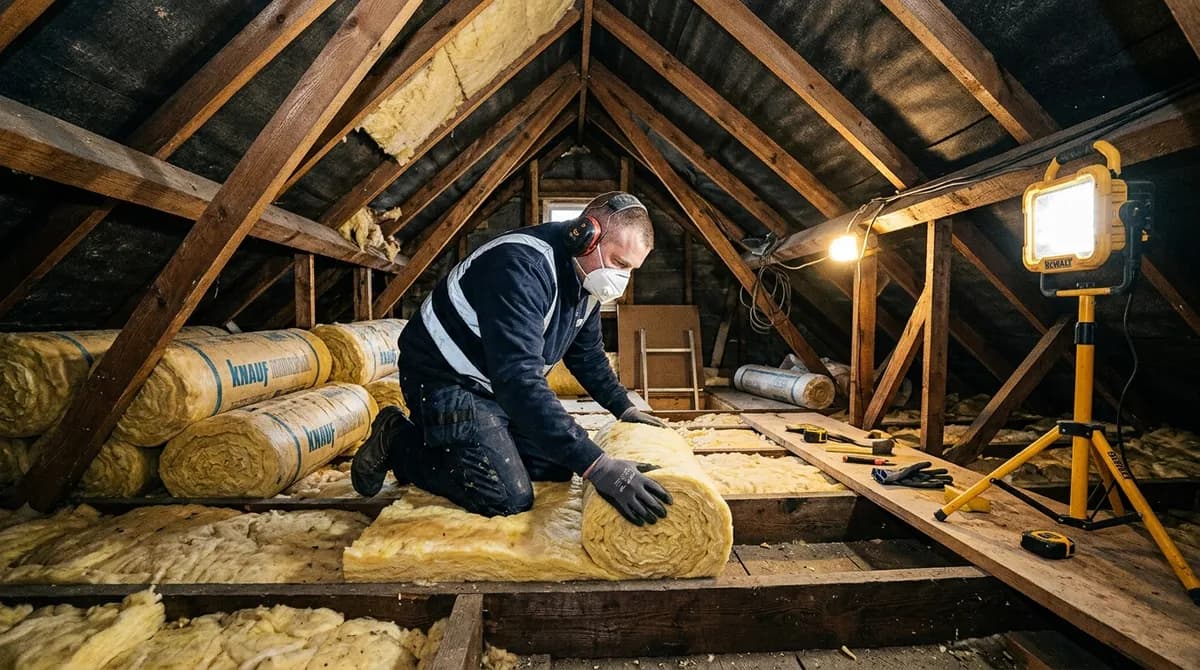
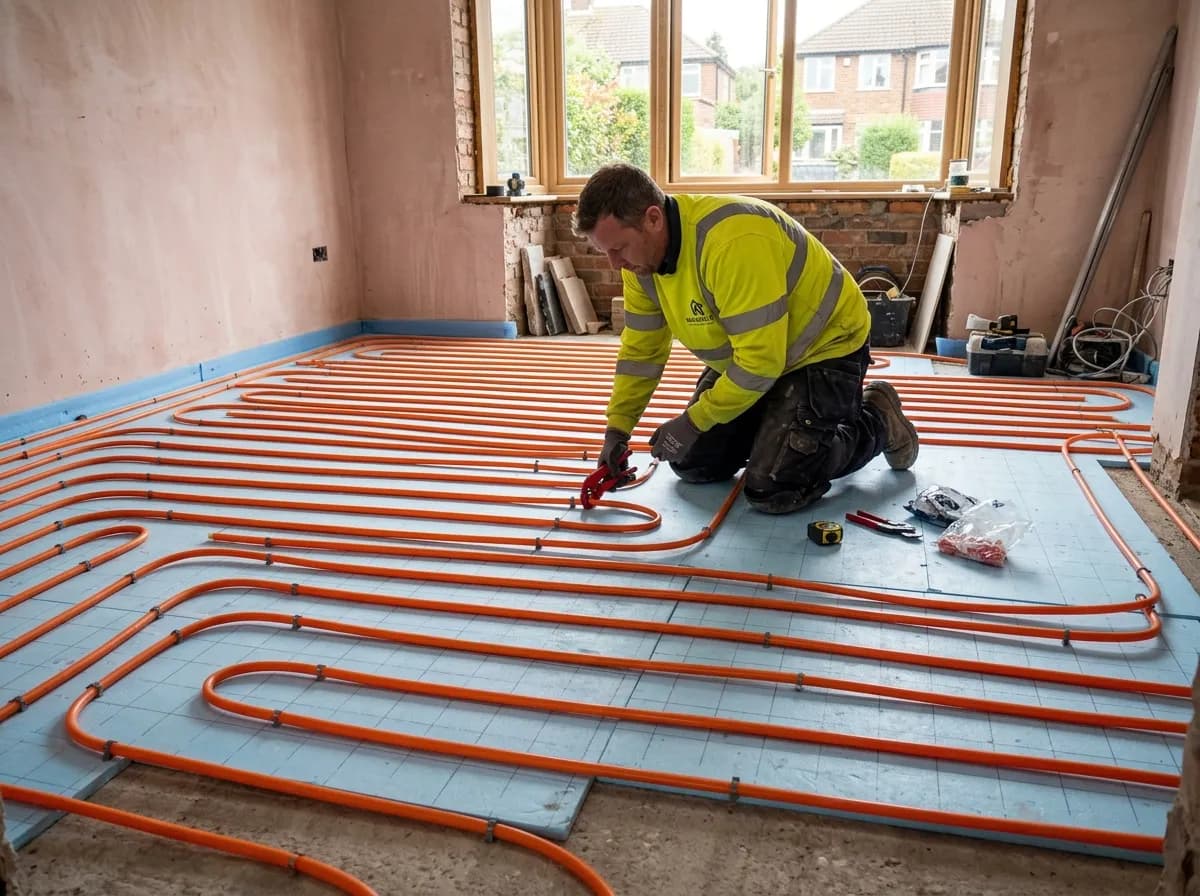
Lay the insulation board
Cut the insulation board to fit and lay it across the entire floor area. This step is important, without it, the heat goes downwards rather than up. Bond it to the subfloor with tile adhesive.
Unroll the heating mat
Heating mats come on a roll in standard widths. Lay them across the floor, cutting and turning the mat (not the cable) to change direction. Leave a small gap from walls and avoid placing the mat under fixed furniture like kitchen units.
Set the sensor and thermostat position
Thread the floor temperature sensor between the mat cables and back to the thermostat position on the wall. The thermostat is usually fitted at skirting height or at a standard socket height.
Test the mat before tiling
Use a resistance meter to check the mat has the correct resistance before you tile over it. This is critical, once you've tiled, you cannot fix a fault without lifting the floor.
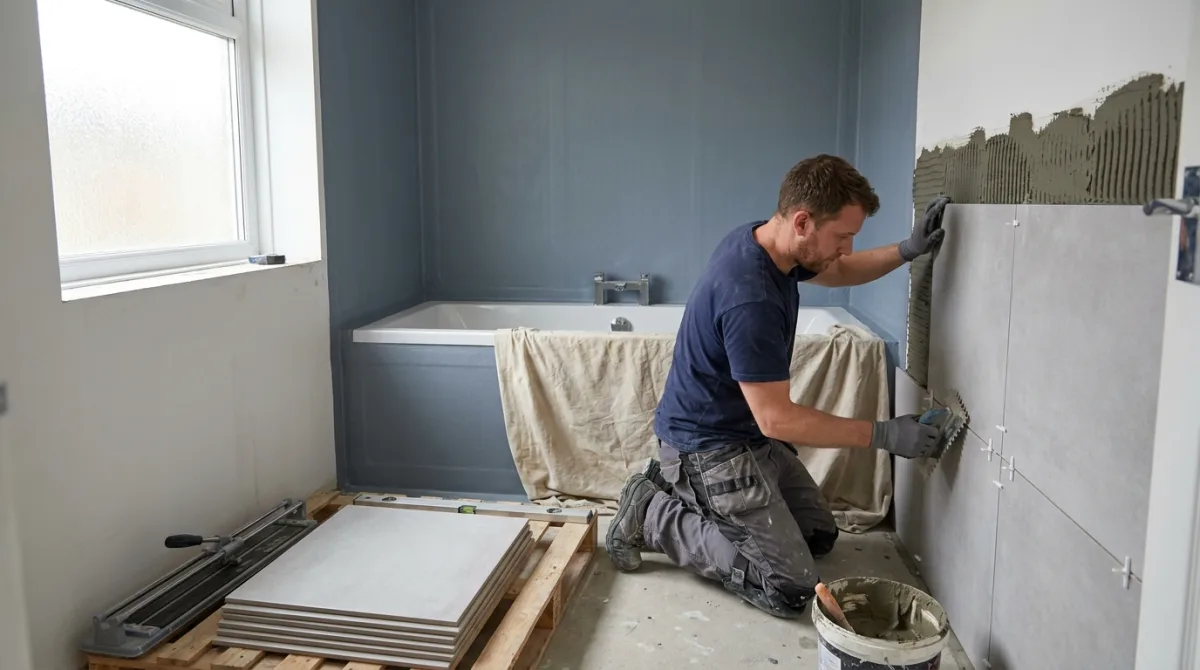
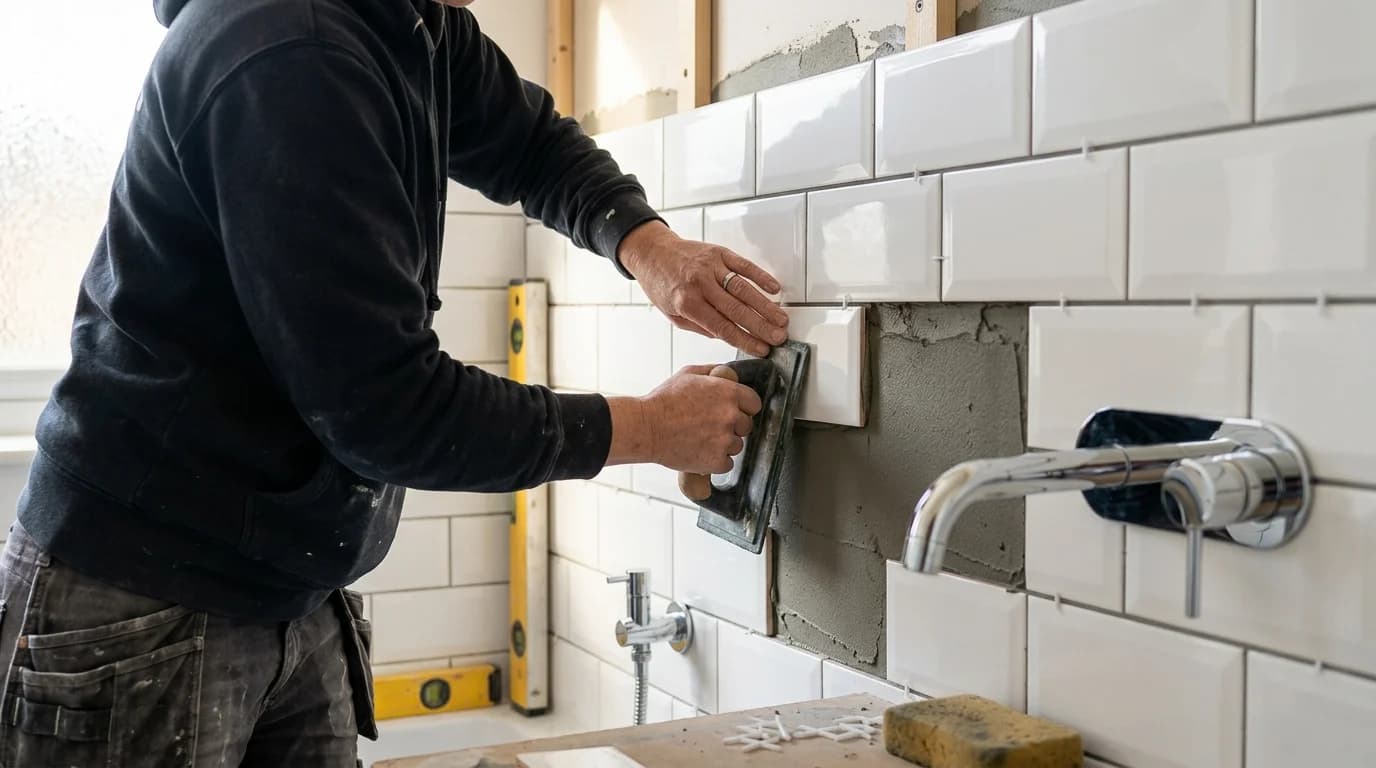
Tile over the mat
Apply a layer of flexible tile adhesive over the mat and tile as normal. Use a flexible adhesive rated for UFH. Allow the adhesive to cure fully before switching on the system.
Get an electrician for the connection
The mat's supply cable needs connecting to the consumer unit (or to a fused spur). This must be done by a Part P registered electrician who will also issue a completion certificate. This typically takes one to two hours and costs £80-£150.
How to Get Your Electric UFH for Less
Electric underfloor heating is already one of the more affordable home improvement upgrades, but these tips will help you keep costs down further.
DIY the mat, only pay an electrician for the connection
Heating mats are designed for homeowners to install themselves. Unroll the mat, fix it to the floor with adhesive or clips, then tile straight over the top. The only part requiring a professional is the final connection to the consumer unit, a Part P registered electrician can do this in an hour or two. This approach typically saves £200-£400 on a bathroom installation.
Always get at least three quotes
Labour rates for electric UFH installation vary more than you might expect. Getting three quotes from local electricians or UFH specialists can save £100-£300 on a bathroom job. Make sure each quote covers the same scope, mat supply, laying, connection to the consumer unit, thermostat fitting, and a building regulations notification certificate.
Install insulation board, it pays for itself quickly
Fitting insulation board beneath the heating mat costs an extra £5-£10 per m² but can cut your running costs significantly. Without insulation, a good proportion of the heat goes downwards into the subfloor and is wasted. With insulation, almost all the heat goes upwards into the room. For a 5m² bathroom, the insulation pays for itself within a couple of winters.
Use a smart thermostat with a schedule
A programmable thermostat ensures the floor only heats when you need it. Set it to warm up 30 minutes before you get out of bed and switch off once you've left the house. Running a bathroom UFH mat for three hours a day rather than all day long can cut annual running costs by two-thirds. Smart thermostats with occupancy sensing can do this automatically.
Time the installation with a bathroom renovation
If you're already retiling a bathroom or fitting a new floor, the incremental cost of adding electric UFH is much lower because the floor is coming up anyway. Adding a heating mat to a bathroom renovation typically adds £150-£300 to the overall project, much less than the £400-£600 you'd pay to fit it as a standalone job with a fresh tile floor.
Only buy mat for the floor you actually stand on
Electric heating mats are priced by the square metre, and you cannot lay them under the bath, the toilet, or fixed units. Trapped heat with nowhere to escape can damage the cable, so those spots are off limits anyway. Measure only the exposed floor you walk on and order to match. In a typical bathroom that can be a quarter to a third less mat than the room's total area, which trims both the material bill and your day-to-day running costs.
Useful Resources
Building Regulations Part P, Electrical Safety
Official government guidance on the requirement for a registered electrician to connect UFH to the consumer unit.
GOV.UK
Underfloor Heating Efficiency Guidance
The Energy Saving Trust's practical advice on getting the most from underfloor heating systems in UK homes.
Energy Saving Trust
What to Expect: The Electric Underfloor Heating Installation Process
A typical single-room electric underfloor heating installation takes one to two days. Here's the process from start to finish.
- 1
Survey the room and check the subfloor
The installer assesses the room layout, checks the subfloor condition, and measures the area to be heated. Any damp issues or uneven surfaces need sorting before work begins.
- 2
Lay insulation boards
Insulation boards are fitted over the subfloor to direct heat upwards rather than into the slab below. This step is critical for efficiency, without insulation, running costs increase significantly.
- 3
Position the heating mat or cable
Pre-formed heating mats are rolled out for standard rectangular rooms. For irregular shapes, loose cable is laid by hand at the correct spacing. The heating element must not overlap or be cut.
- 4
Connect the thermostat and electrics
A floor temperature sensor is embedded between the heating cables. The system is wired back to a dedicated thermostat (usually a programmable or smart model) and connected to the consumer unit. This must be done by a qualified electrician.
- 5
Test the system before tiling
The installer runs a resistance test to confirm the heating element is working correctly before any floor covering goes down. Faults are far easier (and cheaper) to fix at this stage.
- 6
Lay the floor finish
Self-levelling compound is applied over the heating element, then tiles, stone, or other suitable flooring is laid on top. The system should not be switched on for at least 14 days to allow adhesives and compound to cure fully.
Frequently Asked Questions
How much does electric underfloor heating cost per m²?
Electric heating mats cost £30-£50 per m² for the materials alone, rising to £50-£80 per m² once fitted by a professional. Loose cable systems cost slightly more to install, around £55-£90 per m² fitted, because they take longer to lay. Foil systems for use under laminate or LVT start from around £25/m² for the material.
Is electric underfloor heating expensive to run?
In a bathroom or kitchen it is very affordable, a typical 5m² bathroom costs around 12-19p per hour to run, or roughly £60-£120 per year if used every morning. The running cost only becomes a concern if you try to use electric UFH as the primary heat source for a whole house, which it is not designed for. Most homeowners use it as supplementary heating to take the chill off tiled floors.
Can I install electric underfloor heating myself?
The heating mat or cable itself is genuinely DIY-friendly, you roll it out, secure it to the floor, and tile or lay flooring over the top. However, the final electrical connection to the consumer unit must be carried out by a Part P registered electrician. Skipping this step is illegal under Building Regulations and will invalidate your home insurance.
What is the best room for electric underfloor heating?
Bathrooms are the ideal application. Tiles conduct heat brilliantly, the room is small so running costs are low, and the system can be installed with minimal disruption. En-suites, downstairs shower rooms, and kitchen floors are also excellent candidates. Conservatories work well too. Electric UFH is less suitable for large open-plan areas where running costs would add up.
Do I need insulation under electric underfloor heating?
Yes, insulation board underneath the heating mat is strongly recommended and often required for the system warranty to be valid. Without it, a significant amount of heat goes downwards into the subfloor rather than upwards into the room. Insulation boards cost £5-£10 per m² and can roughly double the efficiency of the system, reducing running costs noticeably.
Electric or wet underfloor heating, which should I choose?
For a single room retrofit, especially a bathroom, electric is almost always the right choice. It is cheaper to install, quicker to fit, adds very little to the floor height, and the running costs are low for a small area. Wet (water-based) underfloor heating makes more sense for new builds, extensions, or whole-house installations where the lower running costs justify the higher upfront cost.

Written by Chris Kervin, Co-Founder, Less.co.uk
Last updated: · Pricing based on industry data and installer submissions · Methodology
Ready to get your electric UFH for less?
Compare free quotes from Part P registered electricians and UFH specialists near you.
Compare Free QuotesComing soon, sign up to our newsletter to be the first to know.