Stairlift Grants: Can You Get a Free Stairlift?
Yes, a lot of people do. The Disabled Facilities Grant (DFG) can cover the full cost of a stairlift, up to £30,000 in England and £36,000 in Wales. It is means-tested for adults, but children get it regardless of household income. Here is everything you need to know, without the jargon.
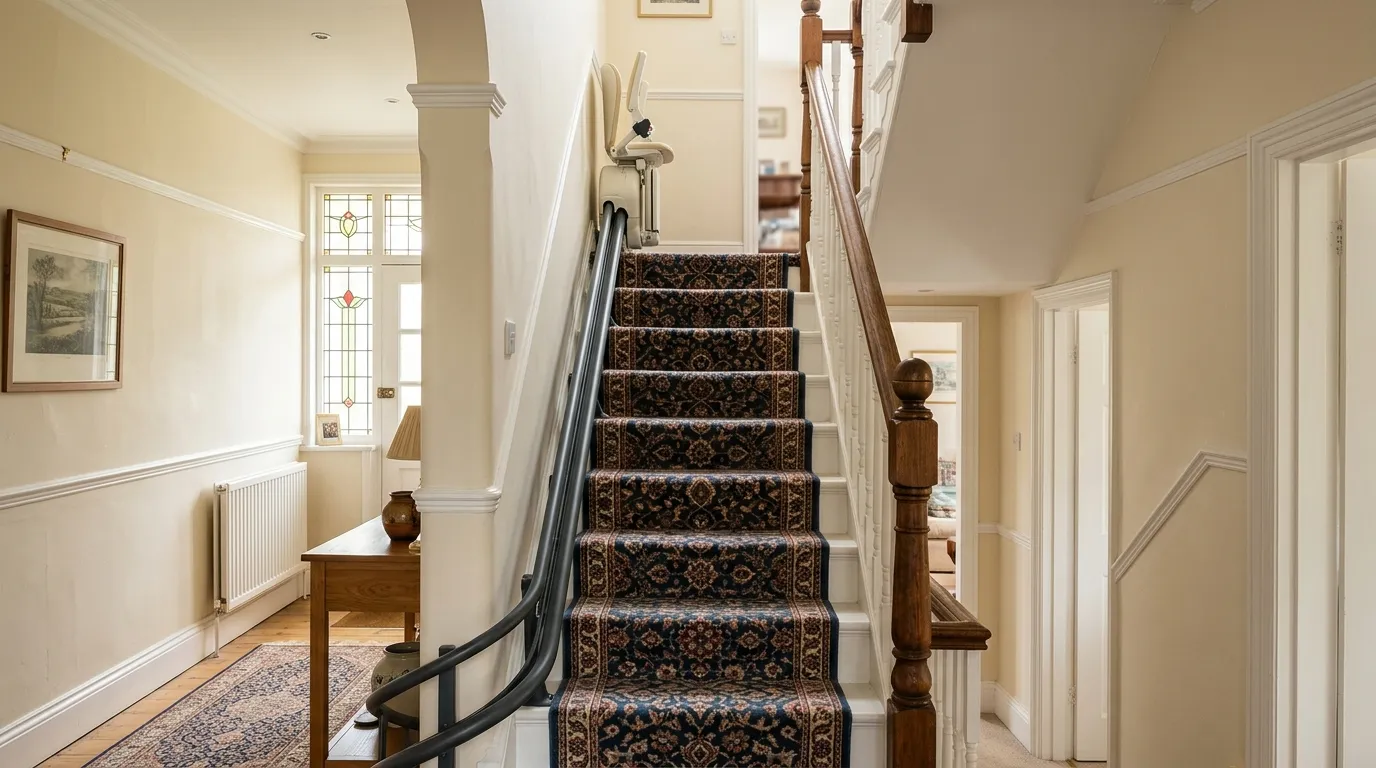
£30,000
Max grant (England)
£36,000
Max grant (Wales)
20%
VAT saving
Not means-tested
For children
Grant limits correct as of April 2026 · Figures sourced from gov.uk and Disabled Facilities Grant guidance.
The short answer
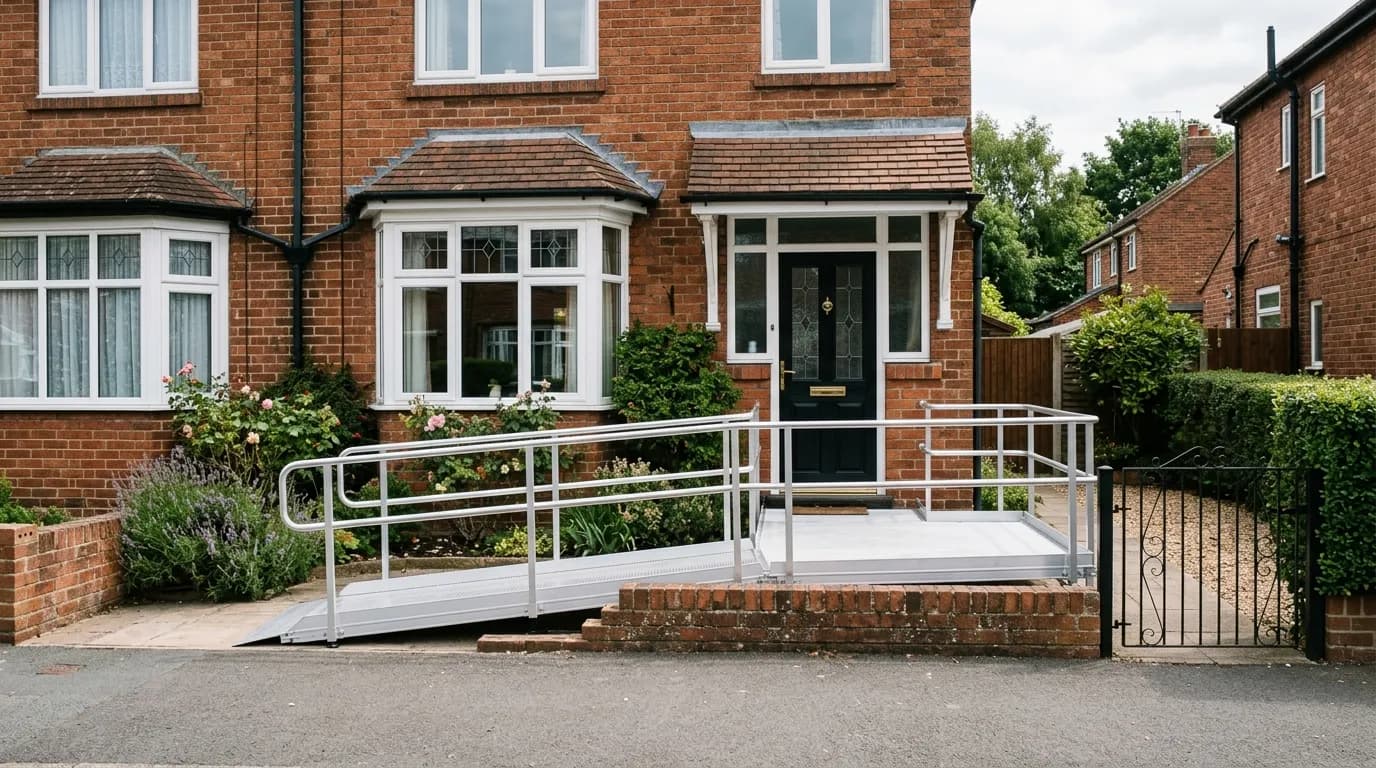
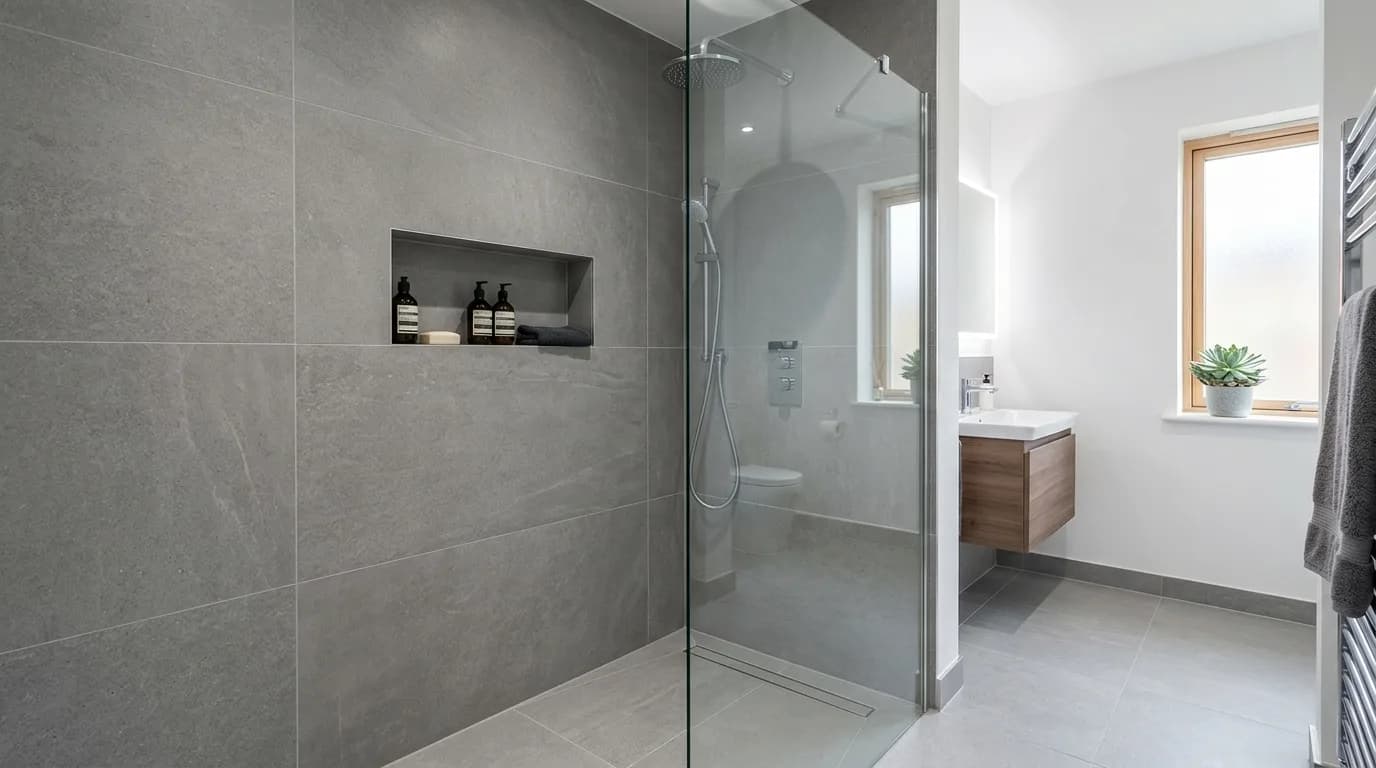
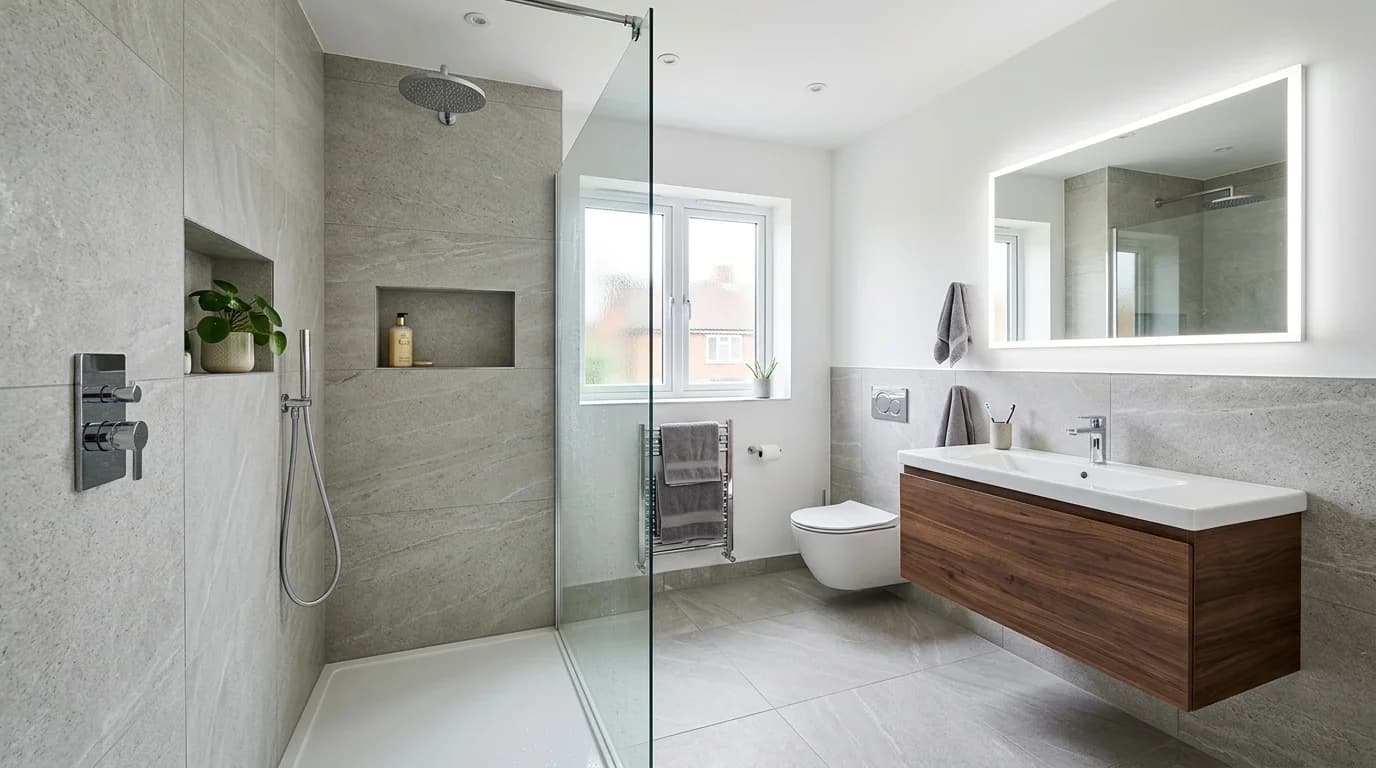
Many people get stairlifts fully funded, no cost to them at all, through the Disabled Facilities Grant. The grant is available through your local council and covers not just stairlifts, but ramps, bathroom adaptations, and door widening too.
- Adults are means-tested, your household income and savings affect how much you get
- Children and young people under 19 in full-time education are NOT means-tested, so they get the full grant regardless of income
- The process involves an occupational therapist assessment and typically takes 6 to 12 weeks
- If you don't qualify for the DFG, there are charities, benevolent funds, and VAT relief that can still help
The Disabled Facilities Grant
The DFG is a government grant, paid by your local council, specifically for making your home more accessible. It is not a loan, you do not pay it back, and it covers a wide range of adaptations including stairlifts, ramps, level-access showers, and widened doorways.
| Nation | Max grant |
|---|---|
| England | £30,000 |
| Wales | £36,000 |
| Northern Ireland | £35,000 |
| Scotland | No fixed cap |
Important: Scotland does not use the DFG system. Instead it has the Scheme of Assistance, which works differently and has no fixed upper limit. Contact your local Scottish council directly, adaptations are assessed and funded case by case.
How the process works
- 1
Contact your local council
Ring or email your council's housing or adaptations team to start the process. They will tell you what information they need and how long they expect the process to take. Some councils have online referral forms; others prefer a phone call. If you are not sure who to contact, your GP surgery or a local Age UK branch can point you in the right direction.
- 2
Occupational therapist (OT) assessment
An occupational therapist will visit your home to assess what adaptations are needed and confirm that a stairlift is the right solution for your situation. This is a formal assessment, it is not a sales visit. The OT's recommendation is what triggers the grant application, so it is an important step. There is no charge for this.
- 3
Means test
For adults, the council will assess the income and savings of the disabled person and their partner, not the whole household. If your means are below a certain threshold, you qualify for the full grant. If they are above it, you may receive a partial grant or be asked to contribute towards the cost. Children are not means-tested at all.
- 4
Council arranges installation
If you are approved, the council appoints an approved contractor to supply and fit the stairlift. You do not choose the supplier yourself. The stairlift provided will be functional and appropriate for your needs, if you want a different model, you can top up the cost privately. Installation is arranged at a time convenient for you.
What does "means-tested" actually mean?
The council will look at the income and savings of the disabled person and their partner, not the wider household. If those means are below a certain threshold, you qualify for the full grant. Above it, you may receive a partial grant, or be asked to make a contribution. The exact threshold varies, but owning your home or having some savings does not automatically disqualify you. It is always worth applying.
One important exception: if the adaptation is for a child or young person under 19 in full-time education, there is no means test at all. The full grant is available regardless of what the parents earn or have saved.
Full eligibility details and how to apply: gov.uk/disabled-facilities-grants
Other sources of funding
If you do not qualify for the DFG, or if you are waiting and need something sooner, there are other places to look.
Age UK
Age UK does not fund stairlifts directly, but their local branches are one of the best places to start. They can help you make a grant application, signpost you to local hardship funds, and cut through council jargon. Their advice is free. Find your nearest branch at ageuk.org.uk.
Age UK websiteTurn2us
Turn2us runs a free online grant-finding tool that matches you to charitable funds based on your circumstances. It covers hundreds of benevolent funds, including trade-specific funds for people who worked in particular industries. Worth ten minutes of your time.
Search grants on Turn2usBenevolent funds
Many industries, mining, railways, the armed forces, teaching, nursing, have their own charitable funds that help retired workers and their families with things like home adaptations. If the person needing the stairlift spent their career in a particular trade or profession, it is worth looking up whether a benevolent fund exists.
NHS and social services
In some areas, NHS occupational therapy or social services can arrange a stairlift on long-term loan, especially if someone has just been discharged from hospital and needs one to live safely at home. This varies a lot by area. Ask your GP or hospital discharge team about what is available locally.
NHS: home equipment and adaptationsLocal charities and community foundations
Many towns and counties have local hardship funds or community foundations that make small grants to older or disabled residents. These are easy to miss because they are not nationally advertised. Your local Citizens Advice bureau or council welfare team will know what exists in your area.
VAT relief: an easy 20% saving
This one is easy to miss, but worth knowing about. Stairlifts are zero-rated for VAT when they are for someone who is chronically sick or disabled. That means you pay no VAT, a 20% saving on the purchase price, applied automatically.
Who qualifies?
The definition of 'disabled' for VAT purposes is broader than most people expect. It covers any long-term physical or mental condition that affects daily life, arthritis, a heart condition, breathing difficulties, Parkinson's, MS, or anything that limits mobility. You do not need a formal diagnosis or a doctor's letter.
How do you claim it?
Simply tell the supplier the stairlift is for someone with a qualifying condition. They will ask you to sign a declaration form confirming this. That is the whole process. The supplier handles the VAT paperwork and charges you the zero-rated price. You do not need to register anywhere or apply in advance.
What if a supplier charges me VAT?
Some suppliers, particularly private sellers or smaller firms, may not be aware of their obligations, or may not process the declaration correctly. If you believe you qualify, ask specifically about VAT exemption before you place your order. If they have already charged VAT incorrectly, you can ask them to refund it.
Buying a stairlift without a grant
Not everyone will qualify for a DFG, or the means test may result in only a partial contribution. If you are funding most or all of the cost yourself, there are ways to keep the price down.
Reconditioned stairlift
A fully serviced second-hand unit with a new warranty
Straight staircases only; good option if budget is tight
£1,000 to £2,000
Stairlift rental
Includes installation and removal; cancel when no longer needed
Good for short-term needs (e.g. post-surgery recovery)
£50 to £100/month
Interest-free payment plans
Some suppliers offer 12-24 month 0% finance
Check the full terms, rate may increase after the 0% period
Varies
New stairlift with VAT relief
Zero-rated VAT for qualifying conditions; 20% off automatically
Always ask about VAT relief before ordering
£2,000 to £4,000 (straight)
For full pricing information, see our stairlift cost guide.
How to get your stairlift for less
Apply for the DFG before spending anything
Even if you are not sure you will qualify, it is always worth applying for the Disabled Facilities Grant first. Processing takes 6 to 12 weeks, so apply as soon as you can. If you are approved, you could save several thousand pounds, or pay nothing at all.
Check if you qualify for VAT relief
If the stairlift is for someone with a long-term health condition, arthritis, a heart condition, breathing problems, or anything that affects mobility, you should be buying it VAT-free. That is a 20% saving with no paperwork beyond a simple declaration form. Ask the supplier about it before you confirm your order.
Get at least three quotes if you are buying privately
If you are not eligible for a grant and are funding the stairlift yourself, always get at least three quotes. Prices vary significantly between suppliers, sometimes by over £1,000 for the same type of stairlift. Getting a few quotes takes an hour or two and can save you a lot.
Consider a reconditioned or rental stairlift
A reconditioned straight stairlift costs £1,000 to £2,000, roughly half the price of new, and comes with a warranty. If you only need a stairlift temporarily (after an operation, for example), rental at £50 to £100 per month is far cheaper than buying. Some rental companies let you put rental payments towards a purchase later.
Frequently asked questions
Can I get a free stairlift from the council?
Yes, in many cases. The Disabled Facilities Grant (DFG) can cover the full cost of a stairlift if you qualify. You apply through your local council, have an occupational therapist assessment to confirm the stairlift is necessary, and then undergo a means test based on your household income and savings. The maximum grant is £30,000 in England and £36,000 in Wales. Children and young people under 19 in full-time education are not means-tested.
How long does it take to get a Disabled Facilities Grant?
The typical timeline from application to installation is 6 to 12 weeks, though urgent cases can be processed faster. The council has a legal duty to make a decision within 6 months of receiving a completed application. If your situation is urgent, for example, you have just been discharged from hospital, let the council know, as they can sometimes fast-track the process.
Is the Disabled Facilities Grant means-tested?
For adults, yes. The means test looks at the income and savings of the disabled person and their partner, not the whole household. If you are found to have means above a certain threshold, you may receive a partial grant or no grant at all. However, grants for children and young people under 19 in full-time education are NOT means-tested, they receive the full grant regardless of household income.
Do I have to use the council's chosen supplier for a DFG stairlift?
Yes, the council will arrange the installation through their approved contractors. You do not choose the supplier yourself. However, if you want a different model or additional features not covered by the grant, you can top up the cost yourself. The council's chosen stairlift will be functional and suitable, it just may not be the premium model with all the extras.
What is VAT relief on stairlifts?
If the stairlift is for someone who is chronically sick or disabled, it is zero-rated for VAT, meaning you pay no VAT at all. This saves you 20% compared to the standard price. You simply sign a declaration form when you order. You do not need a doctor's letter or formal diagnosis. The definition of disabled is broad: it includes arthritis, heart conditions, breathing problems, or any long-term condition that limits mobility.
Can I get help from a charity if I don't qualify for the DFG?
Possibly, yes. Several charities and benevolent funds help people fund home adaptations, including stairlifts. Age UK can help you search for relevant grants and make applications. Turn2us has a free online grant-finding tool. The Royal British Legion helps veterans, and many trades have their own benevolent funds for retired workers. Local community foundations and hardship funds are also worth checking. It does take some research, but help is out there.
Useful resources
These are the official and independent sources we used when writing this guide. All are free to use.

Written by Chris Kervin, Co-Founder of Less.co.uk
Last updated: April 2026 · Grant information sourced from gov.uk and Disabled Facilities Grant guidance · Methodology
Need a stairlift and not sure where to start?
Whether you are applying for a grant or buying privately, our cost guide covers prices, brands, and what to expect, so you can go in knowing what is fair.
See Stairlift Prices →Free information · No obligation · UK-specific pricing