How Much Does a Walk-In Shower Cost in 2026?
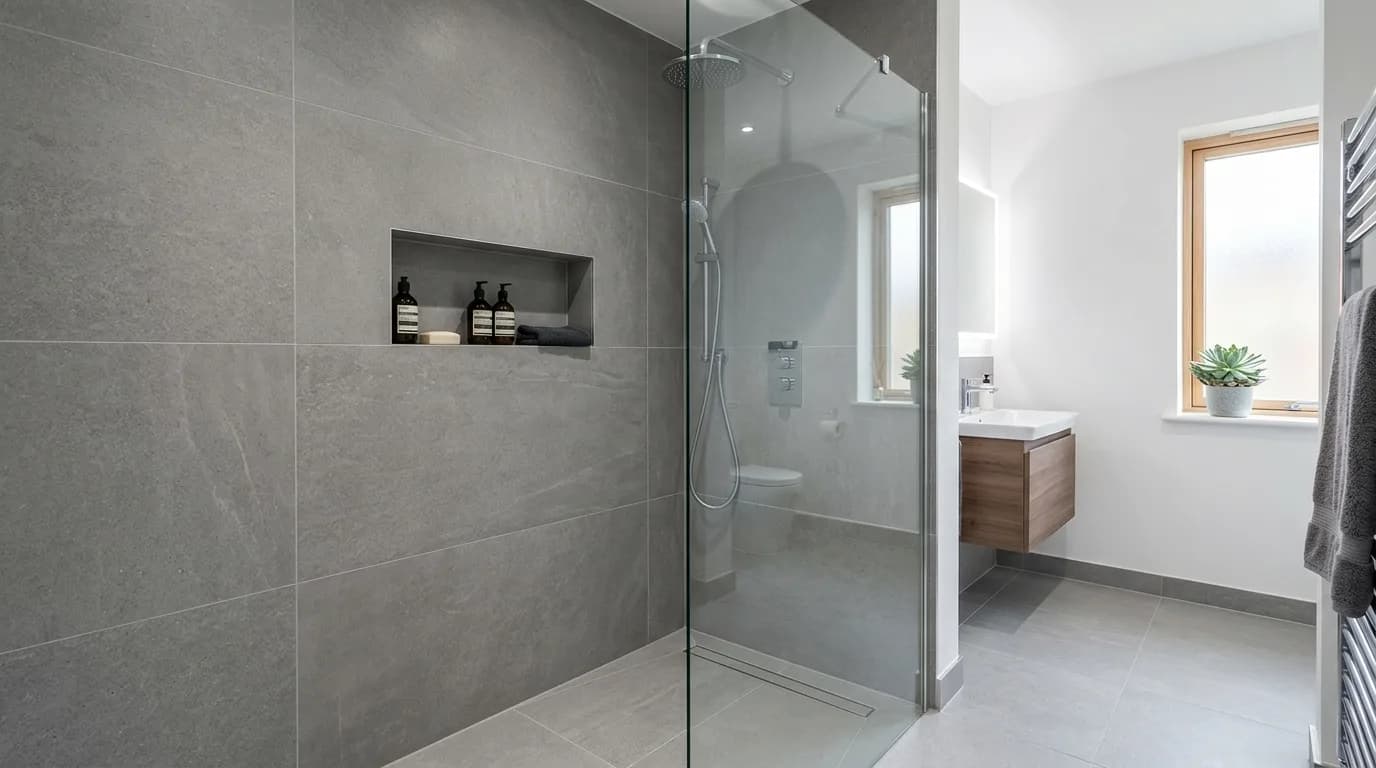
Walk-in showers have become the go-to bathroom upgrade in the UK, replacing baths in thousands of homes every year. A budget walk-in shower costs £1,200 to £2,000, while a mid-range setup with frameless glass and quality tiles runs £2,000 to £3,500. A full wet room conversion can reach £6,000. Below we break down every cost so you know exactly what to budget.
£1,200+
Budget walk-in
£2,000 - £3,500
Mid-range
£3,500 - £6,000
Premium wet room
£1,500 - £3,500
Bath to shower conversion
Prices updated April 2026 · Based on industry data and contractor submissions.
Electrical work in bathrooms must comply with Part P Building Regulations. Electric showers and any other electrical work in a bathroom must be carried out by a Part P registered electrician. Wet room tanking should be done by an experienced bathroom fitter to avoid water damage.
Walk-In Shower Prices at a Glance
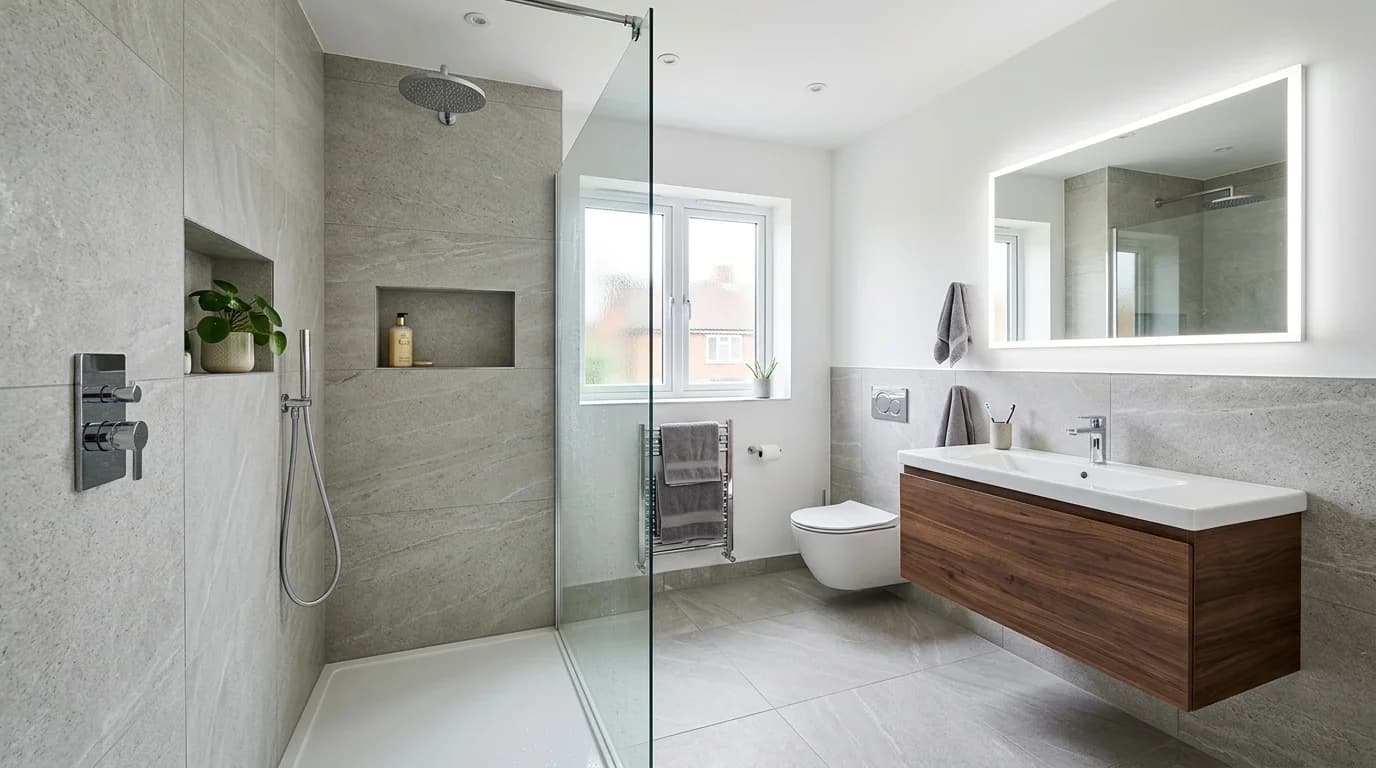
Prices below cover the full installation including tray (or tanking for wet rooms), glass screen, shower valve, tiling, and plumbing. The most popular size is 1200x800mm or 1200x900mm.
Budget
Standard tray + framed glass screen + basic ceramic tiles
£1,200 - £2,000
Mid-range
Low-profile tray + frameless glass + quality porcelain tiles
£2,000 - £3,500
Premium
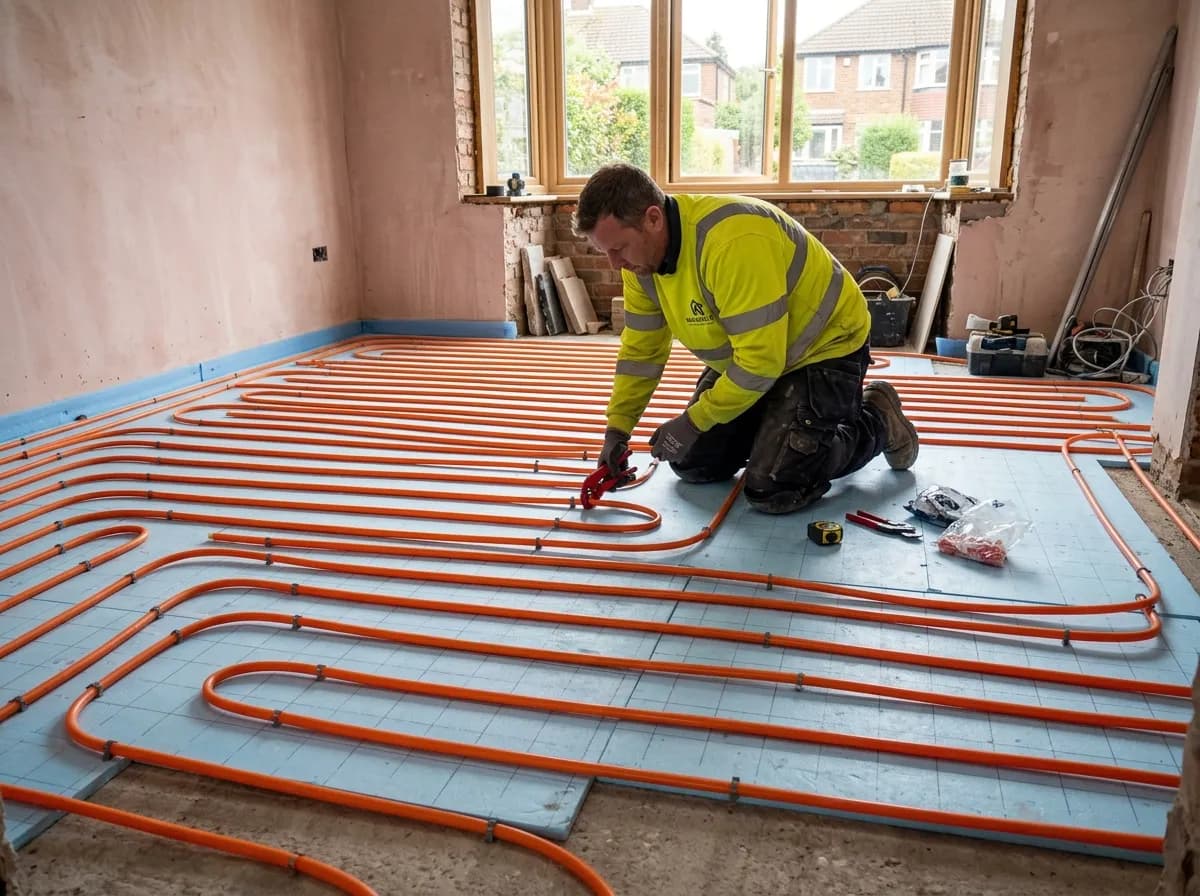
Full wet room with tanking + underfloor heating + luxury tiles
£3,500 - £6,000
Component-by-Component Breakdown
If you want to build up a cost estimate for your specific walk-in shower, here is what each element costs individually.
| Component | Typical Cost |
|---|---|
| Shower tray (low-profile, stone resin) | £100 - £350 |
| Glass panel (frameless, 8-10mm) | £400 - £800 |
| Glass panel (semi-frameless) | £250 - £500 |
| Glass panel (framed) | £150 - £300 |
| Thermostatic shower valve | £200 - £500 |
| Digital shower valve | £300 - £800 |
| Rainfall showerhead (ceiling or wall) | £80 - £300 |
| Wall tiling (per sq metre) | £40 - £80 |
| Floor tiling (per sq metre) | £50 - £100 |
| Wet room tanking kit | £500 - £1,000 |
| Underfloor heating (shower area) | £300 - £600 |
| Linear drain (stainless steel) | £100 - £300 |
Labour for a standard walk-in shower installation is typically £600 to £1,200 on top of materials, depending on complexity and your location.
Walk-In Shower Glass Panels Compared
The glass panel is one of the defining features of a walk-in shower. Here is what each type costs and when to choose it.
Frameless glass (8-10mm)
£400 - £800The premium option. A single sheet of thick toughened glass with minimal hardware, giving a clean and open look. The glass is held in place by a wall-mounted channel and a small stabiliser bar. Looks fantastic, easy to clean, and makes the bathroom feel bigger. This is what you see in most bathroom magazines and showrooms. Worth the extra if your budget stretches to it.
Semi-frameless
£250 - £500A good middle ground. The glass is framed along the edges for stability but the profile is slim and unobtrusive. You get most of the frameless look for a lower price. Brands like Merlyn, Lakes, and Roman offer good semi-frameless options that look smart without breaking the bank.
Framed
£150 - £300The budget option. A visible metal frame surrounds the glass. Perfectly functional and available in chrome, matt black, or brushed brass finishes. Matt black framed screens have become fashionable in recent years and actually look quite smart as an industrial-style feature. Do not dismiss framed screens automatically.
Bath to Walk-In Shower Conversion Cost
Converting a bath to a walk-in shower is one of the most popular bathroom renovations in the UK. It frees up space, looks more modern, and is easier to use for anyone with reduced mobility. Here is what each type of conversion costs.
| Conversion Type | Typical Cost |
|---|---|
| Bath to walk-in shower (like-for-like space) | £1,500 - £3,000 |
| Bath to walk-in shower (with layout changes) | £2,500 - £4,000 |
| Existing shower to walk-in (removing cubicle) | £1,000 - £2,500 |
| Full wet room conversion | £3,500 - £6,000 |
Worth knowing: if you are removing the only bath in the house, consider whether this affects the property's resale value. Estate agents generally advise keeping at least one bath in a family home. If you have a second bathroom or an en-suite with a bath, converting the main bathroom to a walk-in shower is less of a concern.
What Affects the Cost of a Walk-In Shower?
Your final bill depends on more than just the shower itself. Here are the main factors that push the price up or down.
Glass panel type
The glass screen is one of the biggest costs in a walk-in shower. A frameless 8mm or 10mm glass panel looks stunning but costs £400 to £800. A framed panel does the same job for £150 to £300. If budget is tight, go framed and spend the difference on better tiles. The shower still looks and works great.
Tray vs wet room
A low-profile shower tray is the practical choice for most bathrooms. It is cheaper, quicker to install, and less risky than a full wet room. Wet rooms need professional tanking to ensure the floor is completely waterproof, and any failure in the tanking can cause serious water damage, especially in upstairs bathrooms or flats. Unless you specifically want the seamless wet room look, a tray is the sensible option.
Tiles
Tiling is typically 30 to 40% of the total cost. Budget ceramic tiles start from £15 per square metre. Mid-range porcelain runs £30 to £60 per square metre. Large-format tiles (600x600mm or bigger) look more modern with fewer grout lines but are harder to lay on shower floors and cost more in labour. Expect to tile 8 to 12 square metres in a typical shower area.
Shower valve and controls
A basic thermostatic bar mixer is the cheapest option at £100 to £200. A concealed thermostatic valve with a separate showerhead and hand shower looks cleaner but costs £200 to £500 plus installation. Digital showers (Mira, Aqualisa) with wireless controls and precise temperature settings are the premium option at £300 to £800.
Drainage and plumbing
If you are replacing a bath, the existing waste can usually be reused, keeping plumbing costs low. Moving the drain position or adding a linear drain (the long, narrow type set into the floor) costs more but gives a contemporary look. Wet rooms need a specific type of drain with a waterproof collar that integrates with the tanking system.
Your location
Labour rates for bathroom fitting vary across the UK. London is the most expensive, typically 20 to 30% above the national average. The North East and Wales are generally the most affordable. Materials cost the same wherever you are.
How to Get Your Walk-In Shower for Less
You do not need to spend a fortune to get a great-looking walk-in shower. Here is where to save without cutting corners.
Use a tray, not a wet room
A low-profile stone resin tray looks almost as seamless as a wet room floor but costs significantly less. You skip the tanking (£500 to £1,000) and the floor preparation work. The tray sits only 40 to 50mm above the floor, so you barely notice the step. For most bathrooms, this is the practical and affordable choice.
Buy tiles and hardware yourself
Bathroom fitters typically mark up tiles and fittings by 15 to 25%. Buy your tiles from a trade tile shop (Topps Tiles trade counter, Tile Mountain, or online) and your shower valve and screen from a bathroom outlet. You will save a decent chunk and still have your fitter install everything. Just make sure you buy 10% extra tiles for cuts and breakages.
Keep the plumbing where it is
Putting the walk-in shower where the bath used to be means you can reuse the existing waste outlet and water supply. Moving the drain to a new location adds £200 to £500 in plumbing work. If your bathroom layout allows it, this is the single easiest way to keep costs down.
Skip the digital shower
Digital showers from brands like Aqualisa and Mira are clever pieces of kit, but a good thermostatic bar mixer from Hansgrohe or Grohe does exactly the same job for half the price. Unless you specifically want wireless controls or remote start, a standard thermostatic valve is perfectly fine and will last just as long.
Get three quotes from bathroom specialists
Walk-in shower quotes vary widely. A general builder might be cheaper upfront but a bathroom specialist will usually do a better job with waterproofing, tiling, and finishing. Get at least three quotes, check reviews, and ask to see photos of previous walk-in shower installations. A bad tiling job is hard to fix after the fact.
Choose larger tiles to reduce labour
Larger tiles (600x300mm or 600x600mm) cover more area per tile, which means fewer cuts and less grouting. This reduces labour time and cost. They also give a more modern, contemporary look with fewer grout lines to clean. Just avoid them on the shower floor where you need smaller tiles (or mosaics) to follow the gradient to the drain.
What to Expect: The Walk-In Shower Installation Process
Converting a bath to a walk-in shower or fitting one from scratch typically takes 3 to 5 days. Here's what happens at each stage.
- 1
Strip out the existing bath or shower
The old bath, shower tray, tiles, and any damaged plasterboard are removed. Pipework is capped off and the subfloor is checked for soundness and level.
- 2
Adjust plumbing and drainage
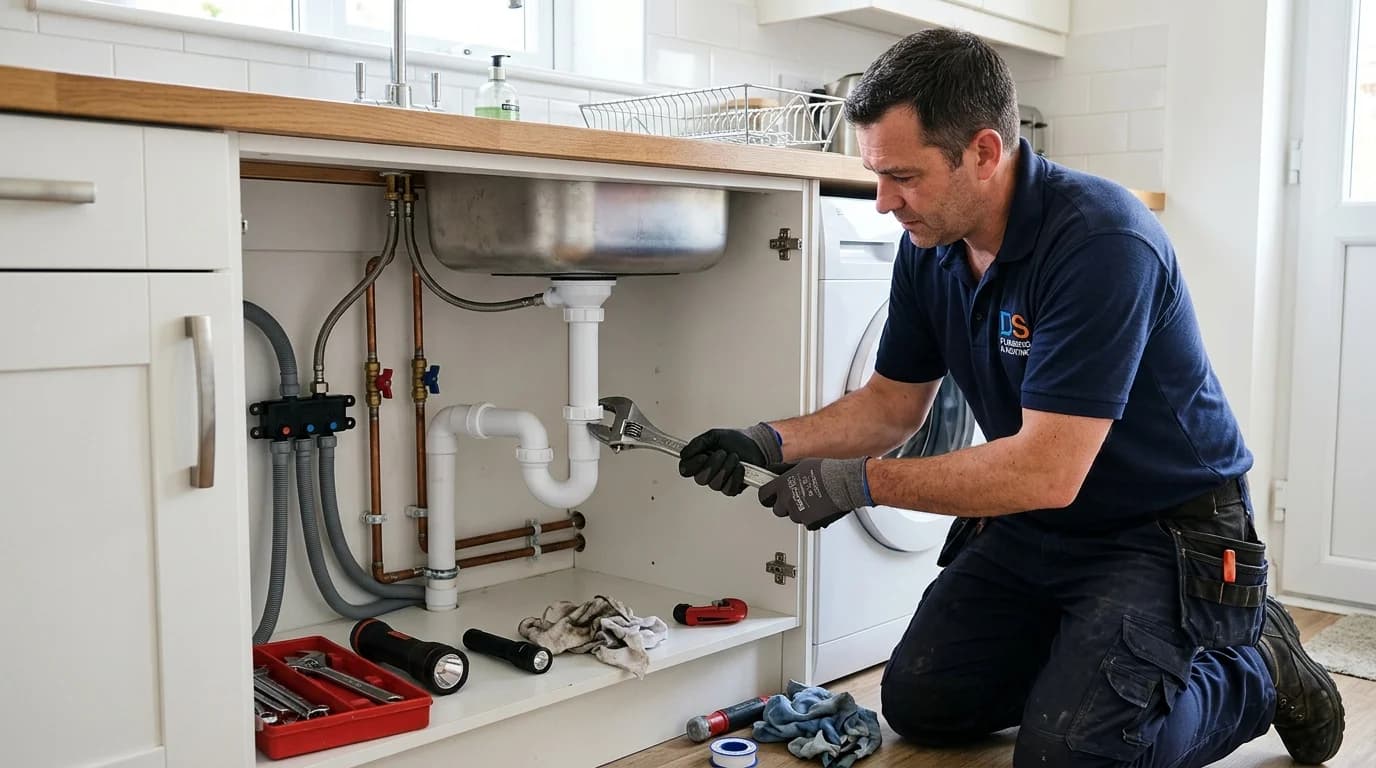
Hot and cold supply pipes are repositioned for the new shower valve location. The waste pipe is re-routed to suit the new tray position, ensuring adequate fall for drainage.
- 3
Fit the shower tray and screen
A low-profile stone resin tray is levelled and bedded onto the floor. Wall-mounted brackets are fixed and the frameless glass screen or panel is installed and sealed.
- 4
Waterproof and tile the walls
Tanking membrane or waterproof backer board is applied to all shower-zone walls. Tiles are fixed with flexible adhesive and grouted with a waterproof grout.
- 5
Install the shower valve and fittings
The thermostatic or digital shower valve is fitted, along with the riser rail, rainfall head, or hand shower. All connections are pressure-tested before boxing in.
- 6
Seal, clean, and snag
All junctions between the tray, tiles, and glass are sealed with silicone. The installer runs the shower to check for leaks, then cleans up and talks you through the finished result.
Frequently Asked Questions
How much does a walk-in shower cost in the UK?
A walk-in shower costs between £1,200 and £6,000 depending on the specification. A budget walk-in shower with a tray, glass screen, and basic tiles costs £1,200 to £2,000. A mid-range setup with a wetroom-style tray, frameless glass, and quality tiles runs £2,000 to £3,500. A premium wet room with tanking, underfloor heating, and luxury tiles can reach £3,500 to £6,000.
Is a walk-in shower cheaper than a bath?
A basic walk-in shower is slightly cheaper to install than a new bath with overhead shower, mainly because the plumbing is simpler. However, a premium wet room with frameless glass and full tanking can cost more than a standard bath installation. The running costs are similar - a 10-minute shower uses roughly the same amount of water as a bath. Where you really save is on space, because a walk-in shower can fit into areas where a bath would not work.
Do I need planning permission for a walk-in shower?
No planning permission is needed to install a walk-in shower in a standard UK home. However, if you are creating a wet room (where the entire floor is waterproofed and there is no tray), the tanking and drainage work should comply with Building Regulations. Electrical work for an electric shower must comply with Part P and be done by a registered electrician. If you live in a flat, check your lease for any restrictions on wet room installations as water damage to the flat below is a common concern for freeholders.
What is the difference between a walk-in shower and a wet room?
A walk-in shower uses a low-profile tray with a glass screen but no door. The tray catches the water and drains it away. A wet room has no tray at all - the entire floor is waterproofed (tanked) and slopes gently towards a floor drain. Wet rooms look more seamless and contemporary, but they cost more because of the tanking required to make the floor completely waterproof. A walk-in shower with a low-profile tray is the more practical and affordable option for most UK bathrooms.
How long does it take to install a walk-in shower?
A straightforward walk-in shower installation (replacing an existing bath or shower) takes 3 to 5 days. This covers removing the old fitting, plumbing, installing the tray and screen, tiling, and finishing. A full wet room conversion takes 5 to 7 days because of the additional tanking and floor preparation work. If structural work is needed (for example moving drainage) add another 1 to 2 days.
Can I convert a bath to a walk-in shower?
Yes, and it is one of the most popular bathroom renovations in the UK. Converting a bath to a walk-in shower typically costs £1,500 to £3,500 including removal of the bath, adjusting the plumbing, fitting a low-profile tray, installing a glass screen, and tiling. The existing waste outlet from the bath can usually be reused, which keeps plumbing costs down. It is a particularly good option for older homeowners or anyone with mobility concerns.

Written by Chris Kervin, Co-Founder of Less.co.uk
Last updated: · Pricing based on industry data and verified contractor submissions · Methodology
Compare real quotes for your job
Prices move a lot with your postcode, the access on site and the spec you choose. Get up to 3 free quotes from vetted local tradespeople and see what yours actually comes to, with no obligation to book.