How Much Does Drain Relining Cost in 2026?
Drain relining costs £100 to £250 per metre, with a typical full reline coming to £1,500 to £4,000. A localised patch over a single fault runs £200 to £600. Where a drain has fully collapsed, excavating and replacing it costs £1,000 to £5,000 or more. Here is what relining costs and how to keep the bill down.
£100+
Relining per metre
£200+
Patch repair
£2,500
Full reline typical
Often 1 day
Time on site
Prices updated June 2026 · Based on industry data and contractor submissions.
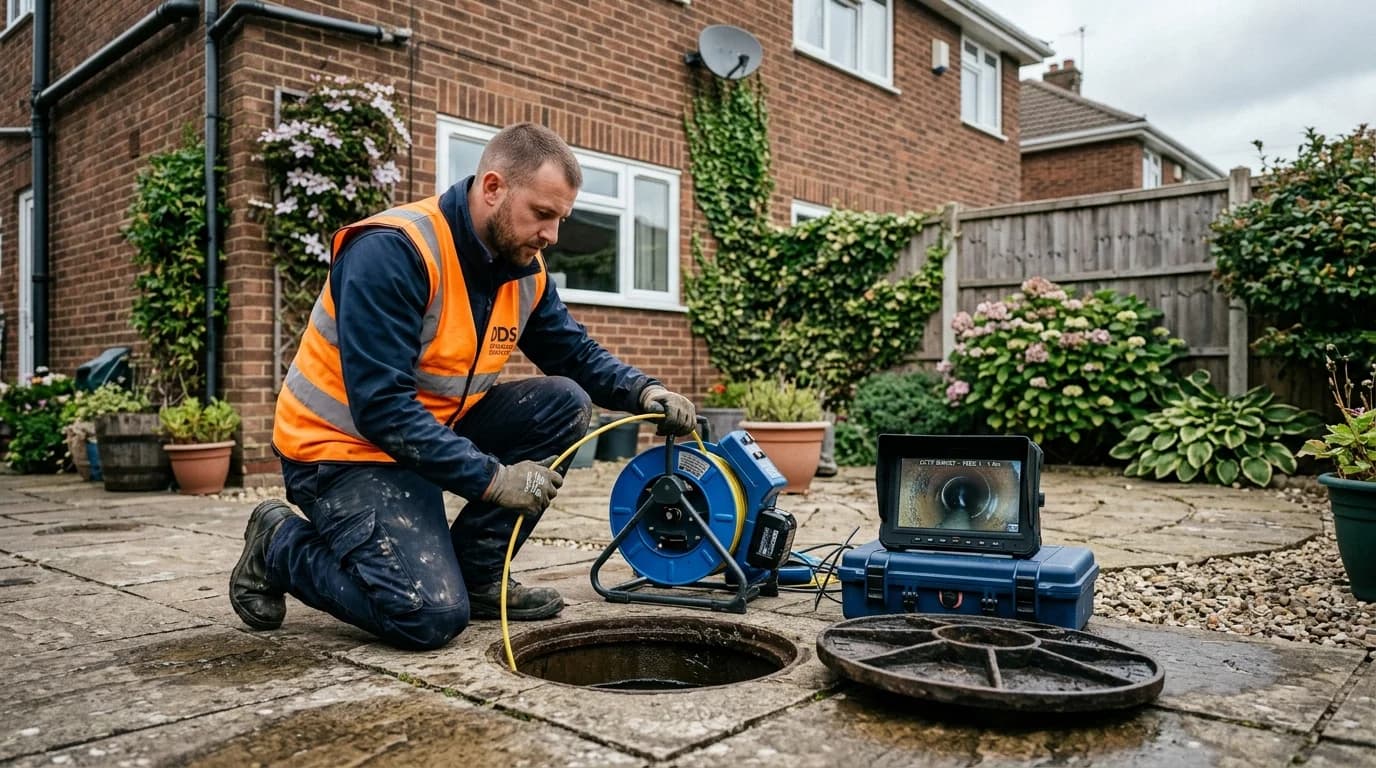
Get the pipe surveyed first. Relining only works if the drain still holds its shape, so a CCTV survey confirms whether a reline is possible before anyone quotes. If the damaged drain is shared or sits in the public sewer, it may be your water company's job to fix. Find your provider through Water UK before you pay for private work.
Drain Relining Prices at a Glance
What does drain relining cost? These are typical UK prices, from a per-metre reline to a localised patch, plus the cost of excavating a drain that is too far gone to line. A CCTV survey is usually needed first to confirm relining is possible.
Drain relining (CIPP), per metre
Cured-in-place lining, no digging
£175/m
£100 to £250 per metre
Localised patch repair
No-dig fix over a single joint or crack
£400
£200 to £600
Full relining (typical domestic job)
A complete run relined end to end
£2,500
£1,500 to £4,000
Excavation & replacement
Digging out and replacing a collapsed drain
£3,000
£1,000 to £5,000+
CCTV survey
Camera scope to confirm the repair (usually first)
£120
£60 to £180
Prices based on industry data. Actual costs depend on pipe diameter, depth, access, and your location.
Get Free Drainage Quotes
Compare prices from trusted local drainage specialists near you. Fill in a few details and receive up to 4 free, no-obligation quotes.
No-Dig Relining vs Excavation
Relining is almost always the cheaper and less disruptive option. It fixes the drain from the inside, with no need to dig up your garden, driveway, or patio. The catch is that it only works if the old pipe still holds its shape for the liner to grip. A fully collapsed drain has nothing for the liner to set against, so it has to be dug out and replaced. Here is how the two methods compare.
| Factor | No-dig relining | Excavation |
|---|---|---|
| Cost | £1,500 to £4,000 | £1,000 to £5,000+ |
| Digging needed | None, no-dig | Yes, drain dug out |
| Disruption | Minimal, garden and drive left intact | Significant, ground opened up |
| Time on site | Often a single day | 1 to 3 days |
| Best for | Cracks, open joints, root ingress | A fully collapsed or dropped pipe |
| Reinstatement | None needed | Surface relaid, often a big extra cost |
This is exactly why a CCTV survey comes first. The camera confirms whether the pipe is intact enough to line, which can be the difference between a £2,500 reline and a £4,000-plus excavation with a relaid driveway on top. If new pipework is going in or you are connecting to the public network, the gov.uk guidance on draining to a public sewer sets out what approvals you need.
What Affects the Per-Metre Price
Drain relining is priced per metre, but the rate you are quoted moves with the job. These are the main things that decide where in the £100 to £250 per metre range your repair lands.
| Factor | Effect on cost |
|---|---|
| Pipe diameter | Higher when wide |
| Depth of the drain | Higher when deep |
| Access | Higher when awkward |
| Bends in the run | Higher with bends |
| Length to be lined | Per metre, with a minimum |
| CCTV survey first | £60 to £180 |
Drain Relining Costs by Region
Relining prices vary by region, mostly down to labour rates and how busy local firms are. These are average costs for a typical full reline, including the CCTV survey, by area.
| Region | Average Cost | vs National |
|---|---|---|
| London | £3,200 | +28% |
| South East | £2,850 | +14% |
| East of England | £2,700 | +8% |
| South West | £2,550 | +2% |
| Midlands | £2,500 | Average |
| Yorkshire | £2,250 | -10% |
| North West | £2,200 | -12% |
| North East | £2,100 | -16% |
| Scotland | £2,200 | -12% |
| Wales | £2,200 | -12% |
Based on industry data. Typical full reline including a CCTV survey.
How to Get Your Drain Relining for Less
Drainage problems often feel like an emergency, which is exactly when people overpay. A few simple steps keep the bill in check.
Get at least 3 quotes for the relining work
Relining prices vary a lot between firms, especially per metre. National brands often charge more than a good local specialist for the same liner and resin. Three written quotes let you compare like for like and spot anyone quoting to excavate when a reline would do. Always ask exactly what is included, because some quotes leave out the CCTV survey, the pipe cleaning, or VAT.
Pay for a CCTV survey before agreeing the repair
A survey costs £60 to £180 and confirms whether the pipe can actually be relined or needs digging out. It stops you paying to excavate a drain that only needed a liner, and it pins down exactly how many metres of lining you are paying for. If a firm wants to dig without showing you camera footage first, ask why. Many firms credit the survey cost against the repair if you go ahead.
Choose no-dig relining over excavation where you can
If the pipe still holds its shape, relining is cheaper, quicker, and far less messy than digging up your garden or driveway. It also avoids the cost of relaying paving or concrete over the top, which can add hundreds or even thousands on its own. Excavation is only worth it when a pipe has fully collapsed or moved out of line, so push back if a reline is an option.
Check whether it is the water company's job
If the damaged drain is one you share with neighbours, or sits in the public sewer, it is usually the water and sewerage company's responsibility to fix, often at no cost to you. Before you pay for any relining, find out where your boundary ends and the shared drain begins. A quick call to your water company can save you the whole bill.
Patch a single fault rather than relining the whole run
If the survey shows one cracked joint rather than a length of failing pipe, a localised patch repair costs £200 to £600, far less than relining the entire run. Ask the engineer whether a patch will do the job before you commit to a full reline. A good firm will only line as many metres as the camera shows actually need it.
Read the quote before you compare on price alone
A £2,500 quote that includes the survey, the cleaning, the liner, and a final camera check is better value than a £2,200 quote that bills the survey and the clean as extras. Ask for a fully itemised written quote covering the survey, pipe preparation, the metres lined, and VAT. That way the cheapest number on paper is also the cheapest job in reality.
Comparing quotes is the simplest way to pay less
Getting three or four quotes and comparing them is how most homeowners avoid overpaying. It takes a couple of minutes, with no obligation.
Get my free quotesWhat to Expect: The Drain Relining Process
From the first camera scope to a finished, no-dig repair, here is how a typical relining job runs.
- 1
CCTV survey
A camera is fed through the drain to find the fault and confirm the pipe still holds its shape. This is what tells the engineer whether a reline will work and exactly how many metres need lining.
- 2
Clean and prepare the pipe
The drain is jetted clean and any roots or debris are cut out. The liner needs a clean surface to bond to, so this step is what makes the repair last.
- 3
Insert the liner
A resin-soaked liner is fed into the drain through an existing access point and inflated, pressing it tight against the inside walls of the old pipe. No digging is involved.
- 4
Cure the resin
The resin is left to cure into a hard, jointless new pipe inside the old one, using ambient air, hot water, steam, or UV light depending on the system used. A reline is often finished in a single day.
- 5
Final camera check
A final camera run confirms the new lining is smooth, sealed, and flowing correctly, and you get the footage and report for your records.
Frequently Asked Questions
How much does drain relining cost per metre?
Drain relining costs £100 to £250 per metre in the UK, with the average sitting around £175 per metre. The exact figure depends on the diameter of the pipe, how deep it is buried, how easy the access is, and whether the run has bends that need a more flexible liner. A short, straight, shallow pipe with a manhole nearby sits at the lower end. A deep pipe under a driveway with awkward access pushes towards the top. Most firms quote a minimum charge, so very short repairs are not always cheaper per metre.
Is drain relining cheaper than excavation?
Yes, in nearly every case relining works out cheaper than digging up and replacing a drain. A typical reline costs £1,500 to £4,000, while excavating and replacing a run costs £1,000 to £5,000 or more once you add the cost of relaying a driveway, patio, or floor over the top. Relining is no-dig, so there is no garden or driveway to make good afterwards, which is where a lot of the excavation cost hides. The only time excavation wins is when the pipe has collapsed completely, because a liner needs a pipe that still holds its shape to grip.
How long does a relined drain last?
A properly installed CIPP liner is designed to last 50 years or more. The cured resin forms a smooth, jointless pipe inside the old one, which seals out root ingress and stops the cracks and gaps that cause repeat blockages. Because there are no joints for roots to push through, a relined drain often outlasts the original clay pipe it was fitted inside. Most reputable drainage firms back the work with a guarantee, so ask what is covered and for how long before you book.
Can any drain be relined?
No, not every drain can be relined. The pipe has to still hold its basic shape for the liner to inflate against and grip. Relining is ideal for cracks, fractures, open joints, and minor root ingress. It does not work on a pipe that has fully collapsed, badly deformed, or dropped out of line, because there is nothing for the liner to set against. Very sharp bends and big changes in pipe diameter can also rule it out. This is exactly why a CCTV survey comes first, to confirm the pipe is a candidate before anyone quotes for a reline.
What is CIPP drain lining?
CIPP stands for cured-in-place pipe, the technical name for drain relining. A flexible liner soaked in resin is fed into the damaged drain through an existing access point, then inflated so it presses against the inside of the old pipe. The resin is left to cure, either on its own or with hot water, steam, or UV light, until it hardens into a solid new pipe inside the original one. The whole job is done without digging, which is why it is called a no-dig repair. It seals cracks, gaps, and root damage in a single visit, often within a day.
How much does it cost to repair a collapsed drain?
Repairing a collapsed drain costs £1,000 to £5,000 or more, because a fully collapsed pipe cannot be relined and has to be dug out and replaced. The price depends on how deep the drain is, how long the collapsed section runs, and what sits on top, whether that is a lawn, a driveway, a patio, or part of the building. Reinstating block paving or concrete over the repair often adds several hundred to a couple of thousand pounds on its own. A collapse under the house itself is the most expensive scenario. A CCTV survey first confirms whether you are dealing with a true collapse or damage that can still be relined for far less.

Reviewed by Chris Kervin, Less.co.uk Home Improvement Costs Specialist
Last updated: · Pricing based on industry data and verified contractor submissions · Methodology