How Much Does a New Radiator Cost in 2026?
Radiator replacement is one of the more straightforward heating jobs you can have done. A standard panel radiator costs £150 to £250 fitted on a like-for-like swap. If you are adding a new radiator to a room that does not have one, expect to pay £350 to £600 once pipework is included. Designer radiators and towel rails vary widely depending on what you choose.
£150
Standard panel from
£300+
Designer from
£350+
Adding new (pipework)
£2,500+
Full house (10 rads)
Prices updated April 2026 · Based on industry data and contractor submissions.
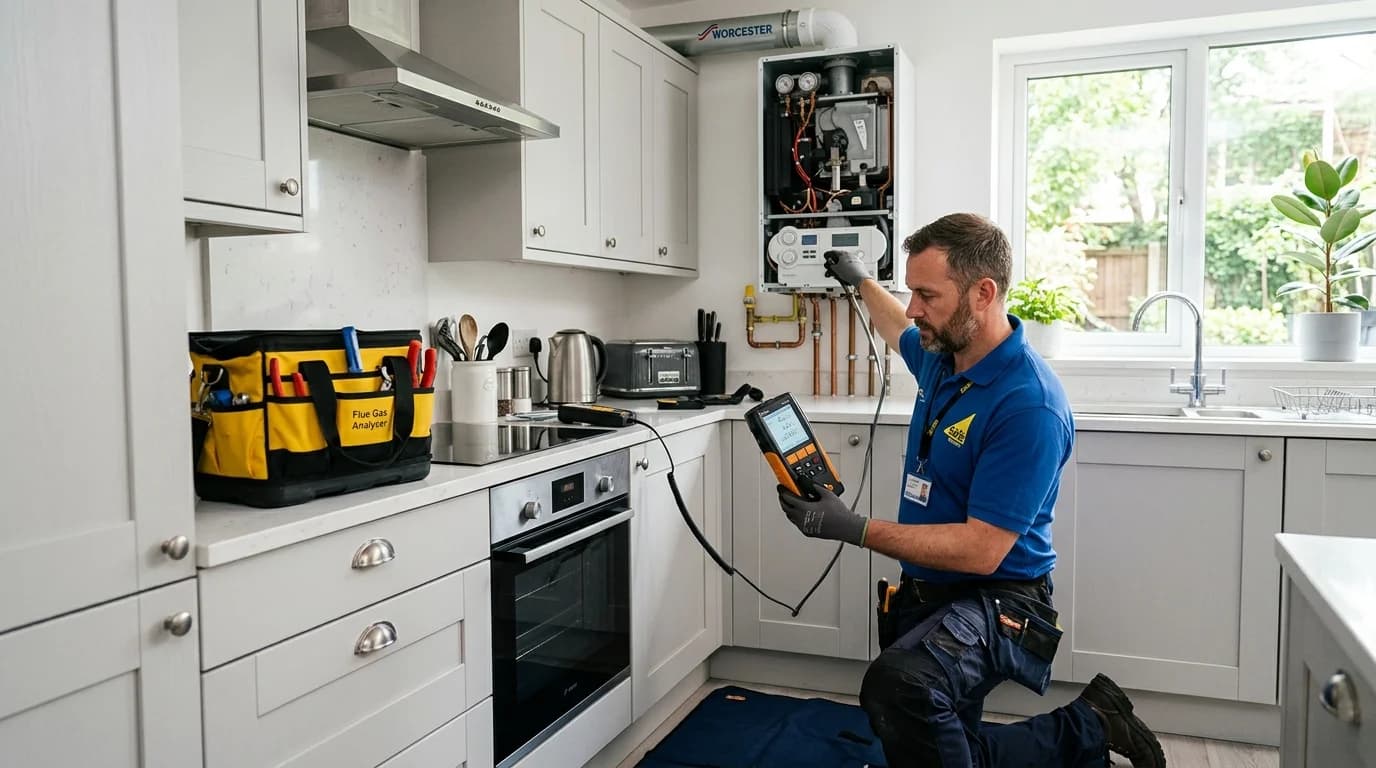
Gas Safe reminder. Swapping a radiator on a sealed system does not require a Gas Safe engineer, but any work involving the gas supply or gas boiler connections must be carried out by a Gas Safe registered engineer. Always check before booking.
Radiator Prices at a Glance
Prices below are for supply and fitting across common radiator jobs in the UK. Labour is included unless stated. The biggest variable in radiator replacement cost is whether new pipework is needed, if you are swapping a like-for-like unit on existing pipework, the job is straightforward. If you are adding a new radiator to a room, the pipework run is where most of the cost comes from.
| Job Type | Average Cost | Price Range |
|---|---|---|
| Replace like-for-like (standard panel radiator) | £200 | £150 to £250 fitted |
| Replace with larger radiator | £275 | £200 to £350 fitted |
| Add new radiator (new pipework required) | £475 | £350 to £600 fitted |
| Designer radiator supply only | £400 | £150 to £800 |
| Designer radiator supplied and fitted | £600 | £300 to £1,000 |
| Bathroom towel rail (supplied and fitted) | £200 | £100 to £300 |
| Full house re-rad (10 radiators) | £3,500 | £2,500 to £5,000 |
Prices include labour and standard materials. TRVs (thermostatic radiator valves) may be extra, ask your plumber to confirm what is included.
Types of Radiator and What They Cost
Not all radiators are the same. The type you choose affects both the price and the heat output, getting the right type for the room matters more than most people realise.
Single panel (Type 11)
The slimmest option and the least heat output. Fine for small rooms or milder climates, not enough for larger rooms or older properties with higher heat loss.
Double panel (Type 22), most common
The standard choice for most UK homes. Double panels with double fins give around twice the output of a single panel in the same width. Used in most living rooms, kitchens, and bedrooms.
Type 21 (P+)
One panel and one fin, a halfway house between single and double. Useful when you need more output than a Type 11 but do not have the wall depth for a Type 22.
Column radiators
Traditional cast-iron or steel column designs that suit older or period properties. Higher heat retention than panel radiators, they warm up slowly but stay warm longer. Supply costs start at £150 and rise sharply for larger or cast-iron models.
Flat panel and designer radiators
Purely functional or dual-purpose as a design feature. Prices vary enormously, from £80 on the shelf to £800+ for bespoke vertical designs. Heat output varies too, so check the BTU rating against what the room actually needs.
Bathroom towel rails
Heated towel rails serve double duty as a radiator and a towel dryer. Most are plumbed into the central heating system (some are electric or dual-fuel). Expect to pay £100 to £300 fitted for a standard chrome ladder-style rail.
Getting the Size Right: BTU Calculations
A radiator that is too small will leave a room cold. One that is too big will cycle on and off constantly, wasting energy. Getting the BTU (British Thermal Unit) output right is the most important technical decision in any radiator replacement.
What affects the BTU you need
The BTU required for a room is based on its volume (length × width × ceiling height), the level of insulation, the number and size of windows, whether it is a north-facing or south-facing room, and the type of room (a bathroom needs less heat output per m² than a conservatory, for example). Most online BTU calculators give a reasonable rough figure, but a heating engineer will be more accurate, especially in older or unusual properties.
Why it matters for replacement
If you are replacing a radiator because the room is cold, it is worth checking whether the existing radiator was ever the right size for the room, particularly in older homes where radiators were often undersized. Fitting the same size again will produce the same result. If in doubt, go up a size: a slightly oversized radiator runs at a lower temperature and is more efficient than a small radiator running flat out.
Worth knowing: if you are planning to switch to a heat pump at any point, you will almost certainly need larger radiators throughout the house. Heat pumps run at lower flow temperatures, so the radiators need a greater surface area to deliver the same heat output. Factor this in now if a heat pump is on the horizon.
When Should You Replace Your Radiators?
Cold spots (particularly at the bottom)
Cold patches at the bottom of a radiator are a classic sign of sludge, a build-up of magnetite and rust particles that settles at the base. Bleeding the radiator will not fix this. You either need a power flush to clear the system or, in more severe cases, the radiator needs replacing. If multiple radiators have the same problem, a power flush across the whole system is the more cost-effective solution.
Leaking or rusting
A small leak from a valve can often be fixed without replacing the radiator. But if the radiator body itself is weeping or pitting with rust, replacement is the right call. A leaking radiator left too long will cause water damage to the floor or skirting boards, and in rare cases can cause significant structural damage.
Poor heat output even after bleeding
If you have bled the radiator, there are no cold spots from air, and it is still not getting properly warm, there may be a circulation issue (the system pump may need replacing) or the radiator itself may be scaled up internally. A heating engineer can diagnose which it is.
Room extension or renovation
Adding a room extension or knocking through walls changes the heating requirements of the space. What was adequate for a small kitchen may not be enough for an open-plan kitchen-diner. This is also the easiest time to run new pipework if you need to add radiators, while the floors and walls are already open.
Upgrading for heat pump compatibility
If you are planning to install a heat pump, most installers will assess your existing radiators as part of the quote. Radiators that are too small for low-temperature operation will need upsizing. This is a significant cost, but doing it room by room over time rather than all at once can spread the expense.
Heat Pump Compatible Radiators
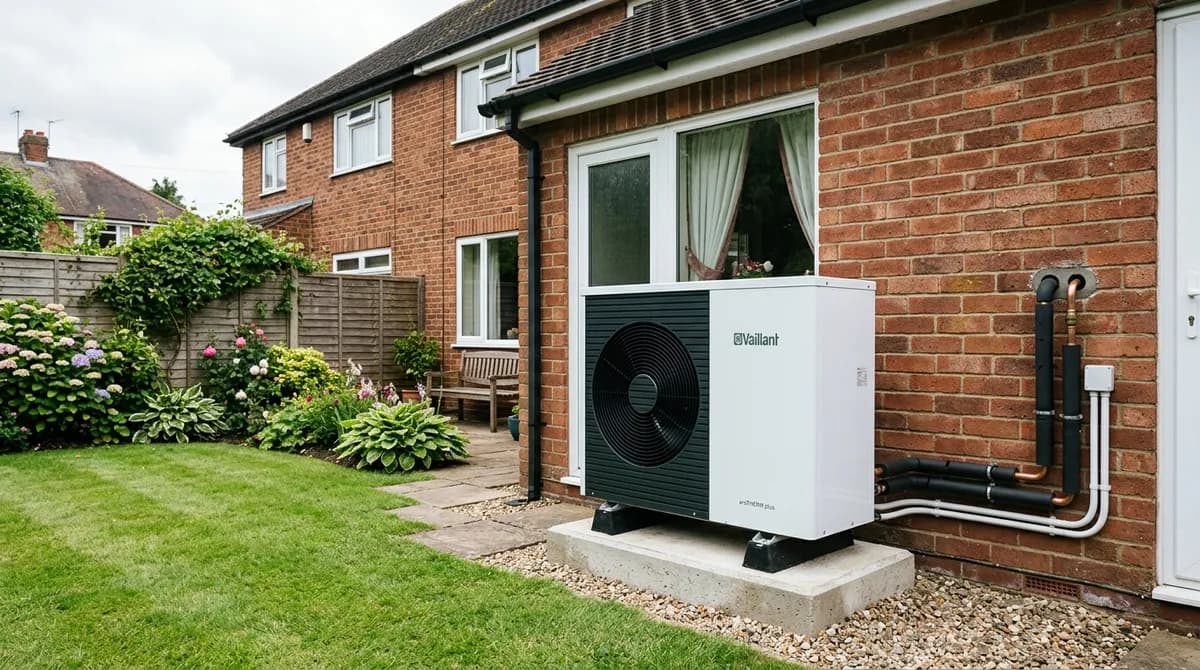
Heat pumps are becoming more common in UK homes, partly driven by the government's Boiler Upgrade Scheme grant. But they work very differently to gas boilers, and your existing radiators may not be suitable.
Why radiators matter for heat pumps
A gas boiler heats water to around 70 to 80°C and pushes it around your radiators. A heat pump runs at 35 to 45°C, much lower. For a radiator to produce the same amount of heat at a lower water temperature, it needs a larger surface area. As a rough guide, you may need radiators with roughly double the BTU output to compensate for the lower flow temperature.
Low-temperature radiators
Several manufacturers now produce radiators specifically designed for low-temperature systems, larger panels, greater convector fin area, and sometimes fan-assisted units that boost output without requiring a higher flow temperature. These are the best option for a heat pump installation in a home with limited wall space.
Underfloor heating as an alternative
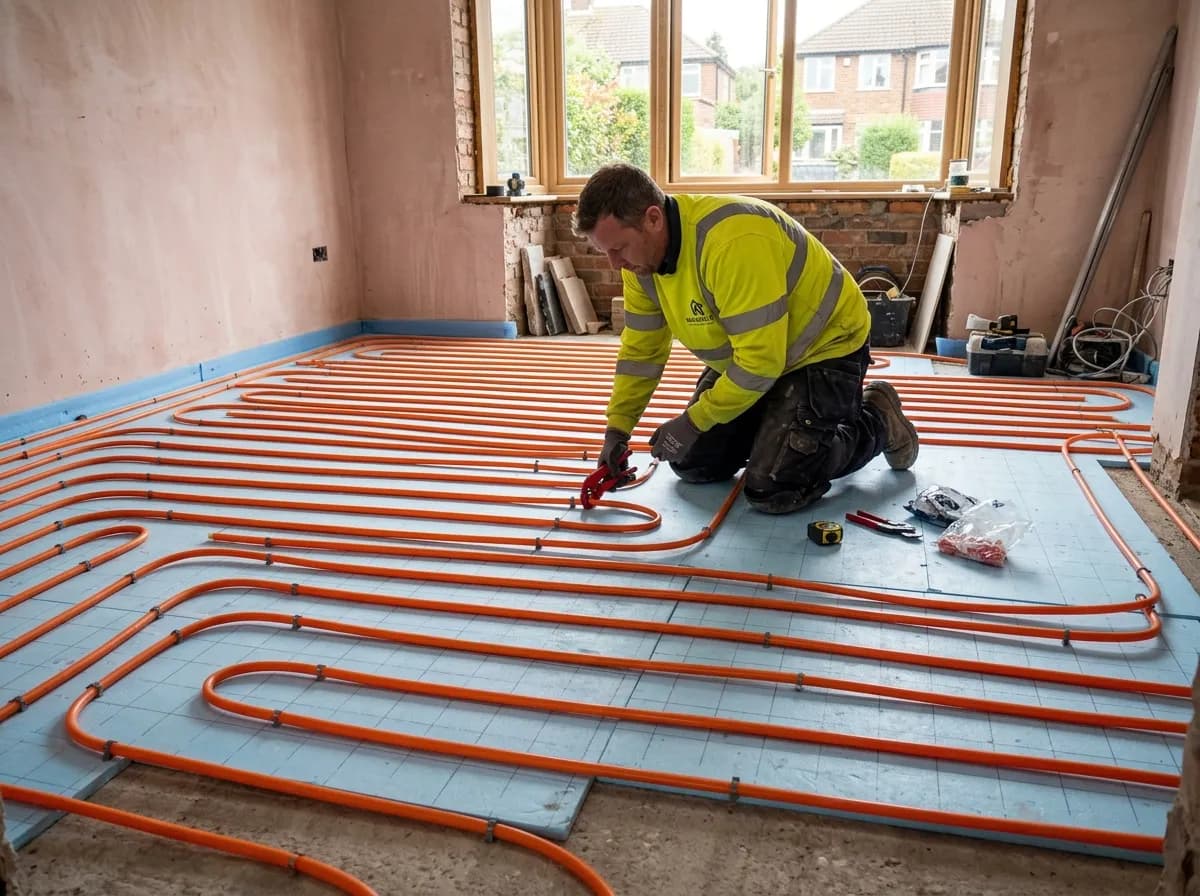
Wet underfloor heating operates at similar temperatures to a heat pump (around 35 to 45°C), which makes it the most efficient emitter for a heat pump system. If you are carrying out a major renovation, adding underfloor heating to the ground floor rather than upgrading radiators is worth considering. See our underfloor heating cost guide for prices.
Thermostatic Radiator Valves (TRVs): Are They Worth It?
TRVs are the small valves fitted to the side of a radiator that let you control its temperature independently. They are one of the cheapest heating upgrades you can make, and one of the most effective.
Cost and savings
Standard TRVs cost £15 to £30 each to supply and fit. Smart TRVs (controllable via an app) cost £40 to £70 each. The Energy Saving Trust estimates that fitting TRVs can save 5 to 10% on your heating bill, worth around £50 to £120 per year for a typical home. At that rate, standard TRVs pay for themselves in a few months.
Building Regulations requirement
Under current Building Regulations (Part L), TRVs are required on radiators in all new heating installations and replacement radiators, except in rooms where there is already a separate room thermostat (such as the main living room on most systems). If your heating engineer is not including TRVs, ask why.
Our take: TRVs are a no-brainer whenever you are replacing a radiator. The cost is minimal and the ongoing saving is real. Smart TRVs are worth considering for rooms you use inconsistently, spare bedrooms, home offices, dining rooms. For rooms you use every day at similar times, standard TRVs do the job perfectly well.
How to Get Your Radiators for Less
A bit of planning can cut your radiator costs noticeably, particularly if you are replacing several at once or combining the job with other heating work.
Always get at least three quotes
Radiator replacement prices vary more than you might expect, the same job can cost 30 to 40% more depending on which plumber or heating engineer you use. Get at least three written quotes, and make sure each one covers the same spec: same size radiator, valves, and any pipework. The cheapest is not always the best, check reviews and ask whether TRVs are included.
Replace multiple radiators at the same time
If you need to replace more than one radiator, get them all done in a single visit rather than booking separate jobs. The plumber drains the system once, does all the work, then refills and re-pressurises once. Doing them separately means paying for the drain-down and refill each time, which can add £50 to £100 per additional visit.
Pair new radiators with a boiler replacement
If your boiler is due for replacement, combining both jobs in one visit saves significantly on labour. The heating engineer is already on site, the system is already drained, and you avoid paying for two separate drain-downs and system refills. Installing radiators alongside a new boiler can save £200 to £400 compared to scheduling them separately.
Fit TRVs on every radiator you replace
Thermostatic radiator valves are cheap, typically £15 to £30 each, and save 5 to 10% on heating bills by letting you turn down radiators in rooms you are not using. If you are already paying to have a radiator replaced, add TRVs at the same time for minimal extra cost. Building Regulations require them on new installations anyway.
Buy your own radiator before the plumber arrives
Plumbers typically mark up the radiators they supply. If you buy a radiator yourself from a trade supplier or a merchant such as Screwfix, Plumb Center, or Toolstation and ask the plumber to fit it, you can save £30 to £80 per radiator. Just make sure you have the right size and that the plumber is happy to fit a customer-supplied unit.
What to Expect: The Radiator Replacement Process
Replacing a single radiator like-for-like usually takes 1-2 hours. Adding a new radiator with fresh pipework takes longer, typically half a day.
- 1
Drain down the system
The central heating is switched off and allowed to cool. The system is drained from a drain valve on a downstairs radiator, with the water collected in buckets or run through a hose to an outside drain.
- 2
Remove the old radiator
The valves are closed, the radiator is disconnected from the pipework, and any remaining water is drained into a tray. The old radiator and wall brackets are removed.
- 3
Prepare and mount the new radiator
New wall brackets are fitted at the correct height and spacing. If the replacement radiator is a different size, the pipework may need extending or re-routing to reach the new valve positions.
- 4
Connect and hang the radiator
The new radiator is hung on the brackets and connected to the valves. Thermostatic radiator valves (TRVs) are fitted if not already present. All joints are sealed with PTFE tape or jointing compound.
- 5
Refill, bleed, and test
The system is refilled with water and corrosion inhibitor is added. Each radiator is bled to remove trapped air. The heating is switched on and the plumber checks for leaks and confirms even heat distribution.
Frequently Asked Questions
How much does it cost to replace a radiator in the UK?
Replacing a standard panel radiator like for like typically costs £150 to £250 fitted, including the new radiator, valves, and labour. If you are upgrading to a larger radiator or running new pipework, expect to pay £200 to £350. Designer and column radiators cost more, usually £300 to £1,000 fitted depending on the model.
How much does it cost to add a new radiator to an existing system?
Adding a new radiator to a room that does not currently have one, which requires new pipework runs, typically costs £350 to £600. The cost depends on how far the pipes need to travel, whether floors need to be lifted, and the size of the radiator. If you are adding several radiators at once, the cost per radiator comes down as the plumber is already on site.
How do I know what size radiator I need?
Radiator size is measured in BTUs (British Thermal Units). The right BTU output depends on the room's volume, how well insulated it is, the number of windows, and the type of room. Most plumbers and heating engineers can calculate the correct BTU for each room from the dimensions. Online BTU calculators are also widely available for a rough guide, but for a permanent installation, it is worth getting a professional calculation to make sure the radiator will actually heat the room properly.
Do I need a Gas Safe engineer to replace a radiator?
Not necessarily, swapping a radiator on an existing sealed system does not require a Gas Safe registered engineer, as it does not involve the gas supply. However, if the work involves draining the system, connecting to a gas boiler, or any work close to the boiler itself, using a Gas Safe engineer is strongly advisable. For any new pipework connected to a gas boiler, Gas Safe registration is required.
Are thermostatic radiator valves (TRVs) worth having?
Yes. TRVs allow you to control the temperature in each room independently, which means you are not heating rooms you are not using. They cost £15 to £30 each to supply and fit, and are estimated to save 5 to 10% on heating bills. Under current Building Regulations, TRVs are required on all radiators in new installations (except in rooms with a separate room thermostat). If you are replacing radiators throughout your home, it makes sense to fit TRVs at the same time.
Can my existing radiators work with a heat pump?
It depends. Heat pumps run at lower flow temperatures (around 35 to 45°C) compared to gas boilers (70 to 80°C). Standard panel radiators designed for gas systems may not produce enough heat at these lower temperatures. You may need to upgrade to larger radiators, roughly double the BTU output, or switch to low-temperature radiator designs. A heat pump installer can assess your existing radiators as part of the survey and tell you whether upgrades are needed.
Useful Resources

Written by Chris Kervin, Co-Founder, Less.co.uk
Last updated: · Pricing based on industry data and verified contractor submissions · Methodology
Compare real quotes for your job
Prices move a lot with your postcode, the access on site and the spec you choose. Get up to 3 free quotes from vetted local tradespeople and see what yours actually comes to, with no obligation to book.