How Much Do Bi-Fold Doors Cost in 2026?
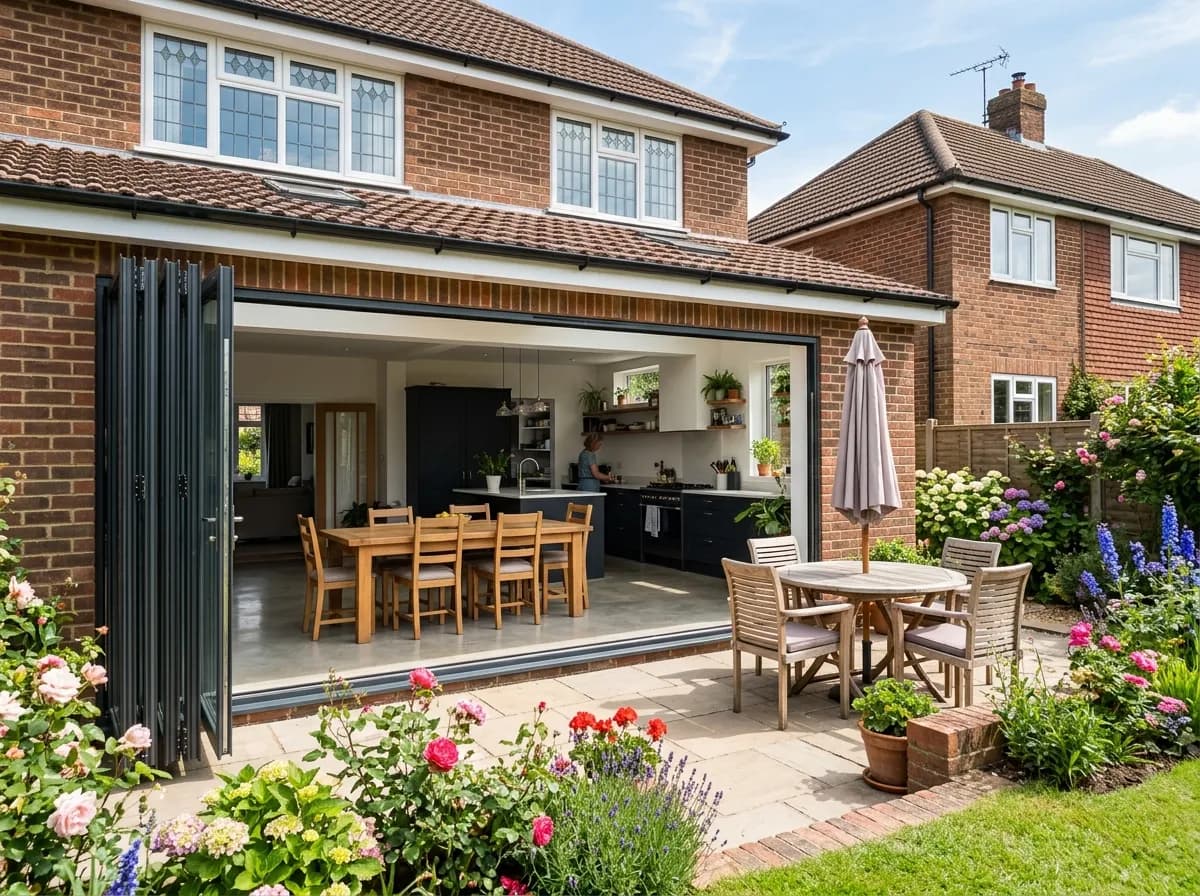
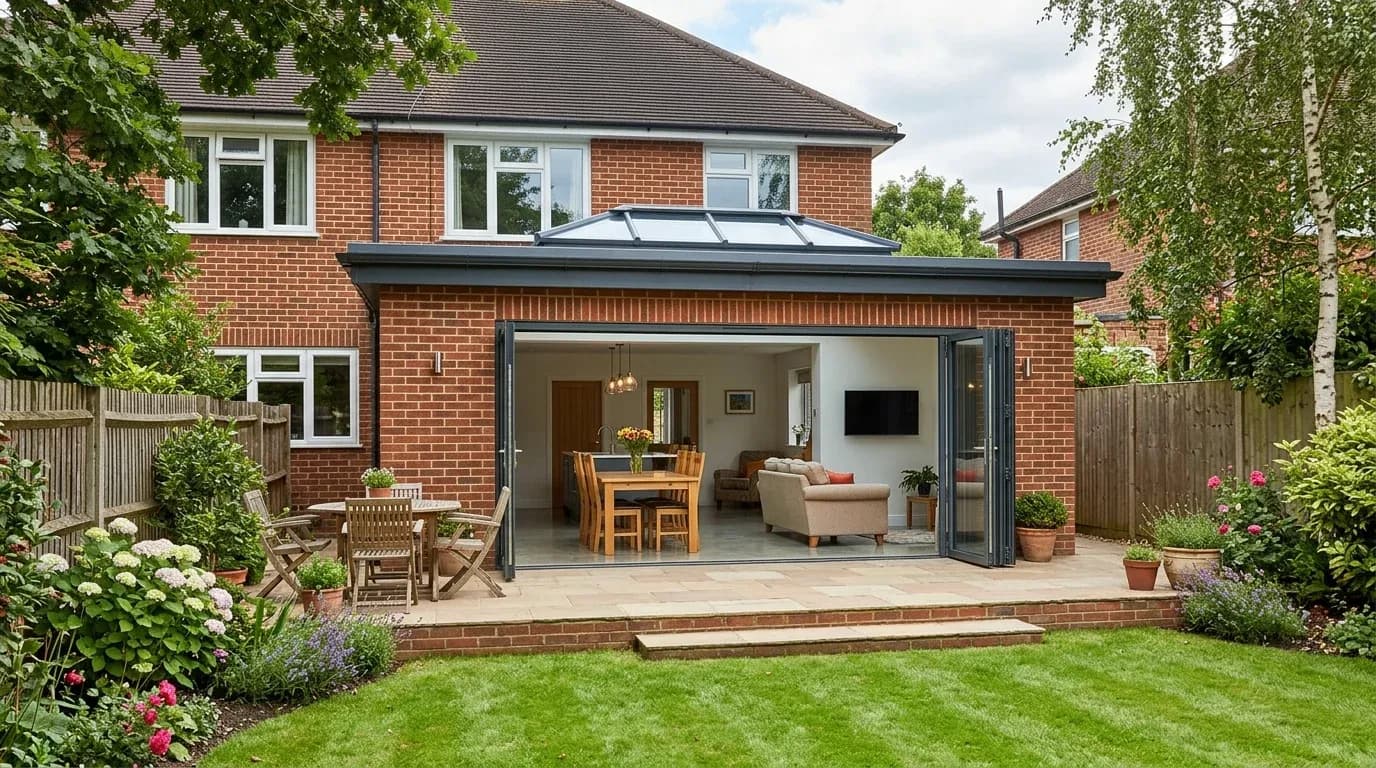
The average cost of bifold doors is £1,500 to £13,000 installed, depending on size and material. A 3m bifold doors cost is £3,500 to £5,500 for the most popular aluminium configuration. Bifold patio doors in uPVC start from £2,500, while timber costs more. The cost to install bifold doors includes supply, fitting, and any structural work needed. Here is the full breakdown.
£2,500
uPVC 3-panel from
£3,500
Alu 3-panel from
3-panel alu
Most popular
£800-£2,000
Lintel (if needed)
Prices updated April 2026 · Based on industry data and contractor submissions.
Bi-Fold Door Prices
What you are actually paying for bi-fold doors in 2026, broken down by size, material, and configuration. All prices include supply and professional installation unless stated otherwise.
2-panel aluminium (1.8m)
Smallest configuration, double glazed, any RAL colour
£3,250
£2,500 - £4,000
3-panel aluminium (2.4m)
Most popular size, double glazed, traffic door included
£4,500
£3,500 - £5,500
4-panel aluminium (3.2m)
Wide opening, premium hardware, double glazed
£5,750
£4,500 - £7,000
5-panel aluminium (4.0m)
Full-width opening, heavy-duty track system
£7,000
£5,500 - £8,500
6-panel aluminium (4.8m)
Maximum opening, split-fold configurations available
£9,000
£7,000 - £11,000
3-panel uPVC (2.4m)
Budget option, double glazed, standard colours
£3,000
£2,500 - £3,500
4-panel uPVC (3.2m)
Wider opening, double glazed, thicker frames
£3,750
£3,000 - £4,500
3-panel timber (2.4m)
Hardwood or engineered timber, double glazed
£5,250
£4,000 - £6,500
4-panel timber (3.2m)
Premium hardwood, double glazed, painted finish
£7,000
£5,500 - £8,500
Structural lintel (if required)
Steel lintel, structural engineer, fitting and making good
£1,400
£800 - £2,000
Triple glazing upgrade
15-20% premium on top of double glazing price
+18%
+15% - +20%
Integral blinds upgrade
Blinds sealed between glass panes, per panel
£200/panel
£150 - £300/panel
Get Free Bifold Door Quotes
Compare prices from trusted local bifold door installers near you. Fill in a few details and receive up to 4 free, no-obligation quotes.
What Affects the Cost of Bi-Fold Doors?
Bi-fold door prices vary wildly. These six factors have the biggest impact on your final bill.
Number of panels and opening width
The single biggest cost driver. A 2-panel bi-fold (1.8m) in aluminium starts from £2,500, while a 6-panel set (4.8m) can reach £11,000. Each extra panel means more glass, hardware, hinges, and track. Worth knowing: work out the minimum panel count that gives you the opening you want. No point paying for panels you do not need.
Frame material
Aluminium accounts for over 90% of bi-fold installations. The frames are slimmer (35 to 55mm) than uPVC (70 to 80mm), giving you more glass and a cleaner look. uPVC costs 30% to 40% less but those thicker frames reduce the visual impact. Timber looks lovely but is the priciest option and needs repainting every few years. For most homes, aluminium is the sweet spot.
Glazing specification
Standard double glazing is included in most quotes and meets Building Regs comfortably. Triple glazing improves thermal performance and noise reduction but adds 15% to 20% to the cost. In practice, most homes do not need it. Low-E coatings and argon gas are usually standard on quality doors. If your bi-folds face south, solar control glass helps prevent the room turning into a greenhouse in summer. Toughened safety glass is required by law for all low-level glazing.
Structural work
If you are widening an existing opening or creating a new one, you will need a structural lintel. That adds £800 to £2,000 (£200 to £500 for the structural engineer, plus the lintel and fitting). If the existing opening is already wide enough, you skip this cost entirely. Your installer checks this at the survey stage.
Threshold type
Standard threshold is included in the base price. A low threshold for wheelchair access adds £100 to £200. Flush thresholds (completely level with the floor) add £150 to £300 and are the most popular upgrade for new builds and extensions. The catch is they need careful fitting to prevent water getting in, so make sure your installer has done them before.
Brand and hardware quality
A 3-panel aluminium bi-fold from Origin (premium, UK-made) costs more than one using a budget import system. You are paying for smoother folding action, better handles and locks, a more durable powder coat, and a longer guarantee. Origin offers 20 years; some budget brands give you 5 to 10. Mid-range UK brands like Smart Systems (Visofold) sit in the middle with good value and solid guarantees.
Aluminium vs uPVC vs Timber: Full Comparison
Side-by-side comparison of every bi-fold door configuration across the three main materials.
| Configuration | Aluminium | uPVC | Timber |
|---|---|---|---|
| 2-panel (1.8m) installed | £2,500 - £4,000 | £1,500 - £2,500 | £3,000 - £5,000 |
| 3-panel (2.4m) installed | £3,500 - £5,500 | £2,500 - £3,500 | £4,000 - £6,500 |
| 4-panel (3.2m) installed | £4,500 - £7,000 | £3,000 - £4,500 | £5,500 - £8,500 |
| 5-panel (4.0m) installed | £5,500 - £8,500 | £4,000 - £5,500 | £6,500 - £10,000 |
| 6-panel (4.8m) installed | £7,000 - £11,000 | £5,000 - £7,000 | £8,000 - £13,000 |
| Frame width | 35-55mm | 70-80mm | 55-70mm |
| Lifespan | 30-45 years | 20-30 years | 50+ years (maintained) |
| Maintenance | Virtually none | Virtually none | Repaint every 3-5 years |
| Market share | 90%+ | ~8% | ~2% |
Aluminium dominates the bi-fold market for good reason. Slim frames, more glass, which is the whole point. uPVC is a decent budget alternative for smaller openings where the thicker frames are less noticeable.
Bi-Fold Door Costs by Region
Average total cost for a 3-panel aluminium bi-fold door, supplied and fitted, by UK region.
| Region | Average Cost | vs National |
|---|---|---|
| London | £5,400 | +20% |
| South East | £5,000 | +11% |
| South West | £4,700 | +4% |
| Midlands | £4,500 | Average |
| East of England | £4,700 | +4% |
| Yorkshire | £4,050 | -10% |
| North West | £4,200 | -7% |
| North East | £3,950 | -12% |
| Scotland | £4,100 | -9% |
| Wales | £4,150 | -8% |
London prices reflect higher labour costs and overheads. The doors themselves cost the same wherever you are (they are manufactured centrally), but installation labour varies by region.
How to Get Your Bi-Fold Doors for Less
Consider uPVC if you are working to a tight budget
A 3-panel uPVC bi-fold costs £2,500 to £3,500 compared to £3,500 to £5,500 for aluminium. The trade-off is thicker frames (less glass area) and fewer colour options. If the bi-fold is going into a utility room, side extension, or any space where the slim-frame look is less important, uPVC does the job well and saves you £1,000 to £2,000.
Stick with double glazing unless you have a specific reason to triple glaze
Triple glazing adds 15% to 20% to the cost and the energy savings are modest for most UK homes. Double-glazed bi-folds already achieve U-values of 1.2 to 1.4 W/m2K, which comfortably meets Building Regulations. Triple glazing makes sense if you live somewhere particularly exposed, have a north-facing opening, or want the best possible noise reduction. Otherwise, double glazing is the sweet spot.
Get three quotes and compare like for like
Bi-fold door quotes vary wildly because different installers use different manufacturers and specifications. One quote for £4,000 might be for a budget aluminium system with standard hardware, while another at £5,500 uses Origin doors with premium handles and a 20-year guarantee. Ask each installer which manufacturer they use, what the frame profile is, and what guarantee covers the doors and installation separately.
Order in autumn or winter for the best price
Spring and summer are peak season for bi-fold installations. Everyone wants them fitted before the warm weather arrives. Ordering between October and February typically saves 10% to 15% because installers are quieter and manufacturers are less backlogged. Lead times drop from 4 to 8 weeks in summer to 2 to 4 weeks in winter. You will still get full use of the doors before the following summer.
Bundle bi-folds with other glazing work
If you are also replacing windows, adding a roof lantern to an extension, or fitting new French doors elsewhere in the house, get the whole lot quoted as one project. Installers give better rates when there is more work in a single visit. The saving is typically 10% to 15% compared to having each job done separately. You also save on delivery charges and scaffolding costs.
Choose a standard colour and standard threshold
Dual-colour aluminium frames (one colour inside, another outside) add £200 to £500 to the price. Non-standard RAL colours can also carry a surcharge. Anthracite grey (RAL 7016) is the most popular bi-fold colour in the UK and is stocked by every manufacturer, so it is always the cheapest option after white. Similarly, a standard threshold is included in the price. Low thresholds add £100 to £200 and flush thresholds add £150 to £300.
Check whether your project qualifies for 5% VAT
Most bi-fold jobs carry the standard 20% VAT, but two situations bring it down to 5%. If the doors go into a home that has stood empty for two years or more before work starts, or a conversion that changes the number of dwellings (splitting a house into flats, or turning a barn or shop into a home), the reduced rate covers the labour and the doors. On a £5,000 order that is around £625 off the bill. The installer has to apply the rate, so flag it before you accept the quote and check the rules at gov.uk.
Pay the deposit on a credit card
Made-to-order bi-folds usually need a sizeable deposit up front, often 25% to 50%, and a few well-known door firms have gone bust mid-order over the years. Put at least part of the payment on a credit card, even just the deposit, and Section 75 of the Consumer Credit Act makes the card provider jointly liable if the company folds before fitting or never delivers. It protects the full order value as long as the total sits between £100 and £30,000, so a £500 deposit on the card covers the whole £5,000 job. Avoid handing over a big deposit in cash.
Comparing quotes is the simplest way to pay less
Getting three or four quotes and comparing them is how most homeowners avoid overpaying. It takes a couple of minutes, with no obligation.
Get my free quotesWhat to Expect: The Installation Process
From first enquiry to finished doors, here is what happens at each stage.
- 1
Survey and measurement
An installer visits to measure the opening precisely and assess the structural situation. They check whether the existing lintel can support bi-fold doors (which are heavier than standard patio doors) and whether the opening needs widening. If structural work is needed, they may recommend a structural engineer visit. This survey is usually free and takes 30 to 60 minutes. Get at least three surveys to compare.
- 2
Manufacture and lead time
Once you place the order, the doors are manufactured to your exact measurements and specification. Lead times vary by manufacturer and time of year. Expect 3 to 6 weeks in spring and summer, and 2 to 4 weeks in autumn and winter. Origin doors have notably short lead times of 5 to 7 working days. Budget manufacturers may take longer.
- 3
Structural work (if required)
If the opening needs widening, the installer removes the brickwork, fits temporary support (acrow props), installs the new steel lintel, and makes good the brickwork around it. This typically takes a day and the area needs to settle before the doors go in. Some installers do this on day one and fit the doors on day two.
- 4
Fit the frame and doors
The outer frame is positioned, levelled, plumbed, and fixed to the brickwork. Each panel is then hung in sequence and adjusted until the folding action is smooth and all panels align when closed. The gap between frame and brickwork is sealed with expanding foam, then finished with silicone and trims. A competent installer will have the doors fitted and operational within a single day.
- 5
Finishing, testing, and handover
Internal and external trims are fitted, any plastering or making good is completed, and the installer checks every lock, handle, and seal. They test the weathertightness and drainage, adjust the rollers if needed, and show you how to operate and maintain the doors. You receive the FENSA certificate (or confirmation it is being processed). The installer should leave the area clean and tidy.
Bi-Fold Doors vs Sliding Patio Doors
Not sure which type is right for your home? Here is an honest comparison.
Choose bi-folds if...
You regularly entertain outdoors, you want the full wall to open up, or you are building an extension and want proper indoor-outdoor flow. Bi-folds are the better choice for kitchen-diners that lead directly onto a patio or decked area. The "wow factor" is real.
Choose sliding doors if...
You mainly want a view and some ventilation, your budget is tighter, or you prefer fewer moving parts. A 2-panel aluminium slider costs £1,200 to £2,500, roughly half the price of a 3-panel bi-fold for a similar opening. Sliders also have slightly better thermal performance because there are fewer joints and seals. In practice, most people use their doors for the view more than the opening.
See our patio door cost guide for full pricing on sliding, French, and inline patio doors.
Frequently Asked Questions
How much do bi-fold doors cost?
Bi-fold doors cost £1,500 to £13,000 installed, depending on size and material. A 3-panel aluminium bi-fold (the most popular choice) costs £3,500 to £5,500 supplied and fitted. uPVC is cheaper at £2,500 to £3,500 for the same size. Timber bi-folds are the most expensive at £4,000 to £6,500 for 3 panels. Wider configurations with 5 or 6 panels cost significantly more. These prices include supply, installation, and VAT.
Are aluminium bi-fold doors worth the extra cost over uPVC?
For bi-fold doors specifically, aluminium is worth the premium for most homeowners. The frames are much slimmer (35 to 55mm versus 70 to 80mm for uPVC), so you get noticeably more glass and more natural light. Aluminium is also stronger, which is important when you have multiple heavy glass panels that need to fold smoothly. Over 90% of bi-fold installations in the UK use aluminium. uPVC bi-folds are a solid budget option but the thicker frames reduce the visual impact that makes bi-folds attractive in the first place.
Do I need a structural lintel for bi-fold doors?
If you are replacing an existing patio door or window of similar width, the current lintel may be adequate. If you are widening the opening to fit bi-fold doors (which is common), you will need a new structural lintel. A structural engineer needs to specify the lintel size and type, which costs £200 to £500 for the calculation. The lintel itself and the installation add £800 to £2,000 to the project, depending on the span and the type of wall. Your installer should arrange the structural engineer visit as part of the project.
How long does it take to install bi-fold doors?
A straightforward replacement where the opening is already the right size takes 1 to 2 days. If structural work is needed (widening the opening, fitting a new lintel, removing brickwork), allow 2 to 4 days. The doors themselves are usually fitted in a single day once the opening is prepared. Your installer should leave you weathertight at the end of each working day. Most manufacturers have lead times of 3 to 6 weeks from order to delivery.
Do I need FENSA certification for bi-fold doors?
Yes. Bi-fold doors count as replacement glazing and must comply with Building Regulations Part L (energy efficiency). A FENSA-registered installer self-certifies the work and issues a certificate at no extra cost. If your installer is not FENSA registered, you need to arrange a Building Control inspection through your local council, which costs £200 to £400. You will need the FENSA certificate or Building Regulations sign-off when you sell your property. Solicitors always check for it during conveyancing.

Written by Chris Kervin, Co-Founder of Less.co.uk
Last updated: April 2026 · Pricing based on industry data and verified contractor submissions · Methodology
FENSA Certification Required
All bi-fold door installations must comply with Building Regulations Part L. Your installer should be FENSA registered and will self-certify the work at no extra cost. If they are not FENSA registered, you need a Building Control inspection from your local council (£200 to £400). Without certification, you will have problems when you come to sell your property. Always confirm your installer is FENSA registered before work begins. Check at fensa.org.uk.