What to Expect When Getting a New Boiler
You've got the quotes and picked your engineer. Now what? If you've never had a boiler replaced before, it can feel like a mystery. Here's exactly what happens - from the night before to the final handover.

Chris Kervin
Written by Chris Kervin, Co-Founder of Less.co.uk
The short answer
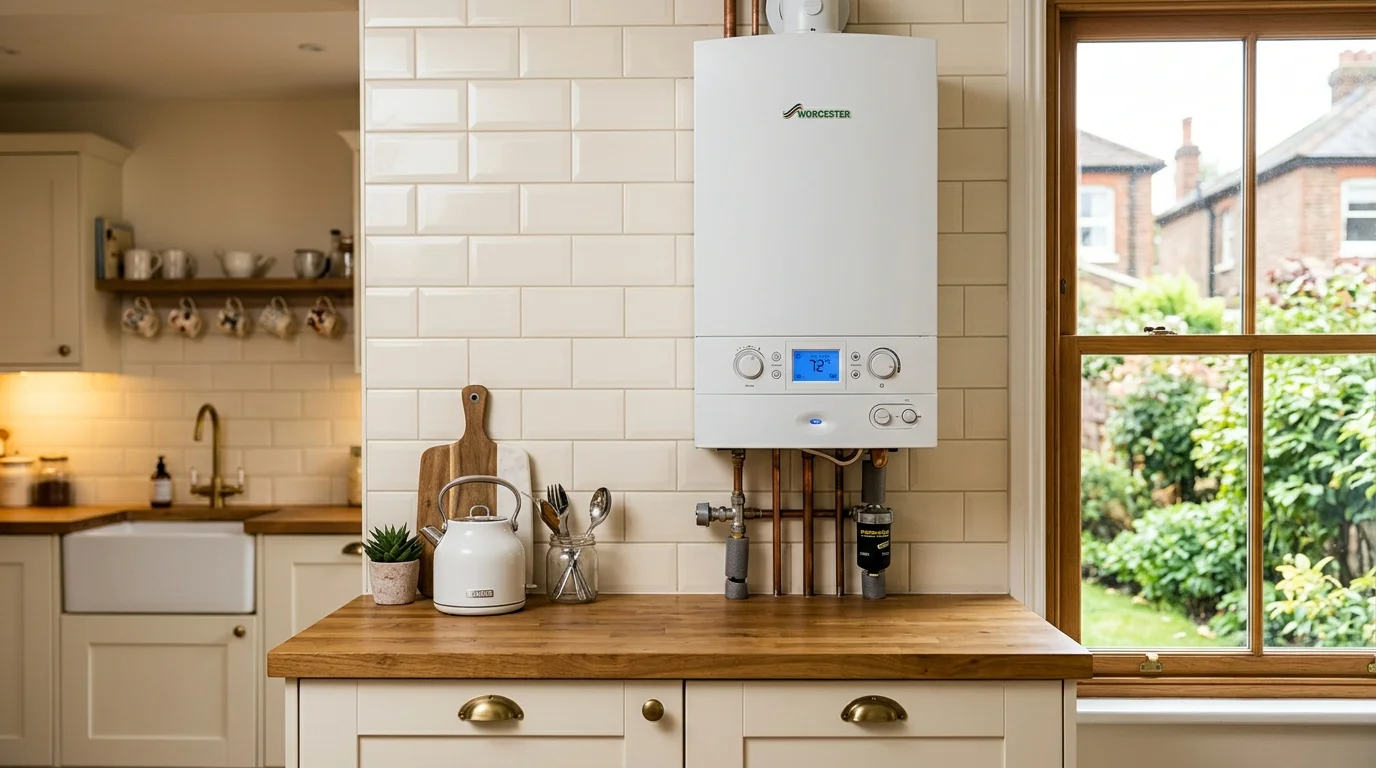
A straightforward combi boiler swap takes about 1 day. You'll be without heating and hot water during the work. The engineer drains the system, removes the old boiler, installs the new one, fills and pressurises the system, then runs through everything with you.
Before installation day
A good engineer will have visited your home to survey it before giving a final quote. Make sure they are on the Gas Safe Registerbefore booking. During that visit, they'll have checked your existing system, measured for the new flue, and discussed any changes needed. If your engineer quoted over the phone without visiting, that's a red flag - the price will almost certainly change on the day.
The night before, there are a few things worth doing:
- Clear the area around your current boiler. The engineer needs at least a metre of working space on all sides.
- Clear a path from the front door to the boiler. They'll be carrying a heavy new boiler and old one out.
- If the boiler is in a kitchen cupboard, empty the cupboard and the one next to it.
- Have a kettle and mugs ready. It sounds trivial, but offering your engineer a cup of tea goes a long way.
- If you have pets, plan where they'll be. An open front door and a nervous cat isn't a great combination.
- Run a bath or shower the night before - you won't have hot water until the installation is finished.
Day 1: the installation (combi swap)
Here's what a typical day looks like for a straightforward combi-to-combi swap in the same location.
Engineer arrives
They'll check the Gas Safe ID, confirm the plan, and lay down dust sheets. The gas supply to the boiler is turned off and the system is drained.
Old boiler removed
The old boiler is disconnected from gas, water, and electrics, then removed. The flue is taken out. If you're lucky, the wall behind will be fine; often it needs a bit of patching.
Pipework adaptation
If the new boiler has different connection points (most do), the pipework is adapted. New isolation valves are fitted. If a new flue route is needed, holes are drilled.
New boiler mounted and connected
The new boiler goes up on the wall bracket. Gas, water, and condensate pipes are connected. The new flue is fitted and sealed.
System fill and pressure test
The system is refilled and pressurised. The engineer checks every connection for leaks. The boiler is fired up and goes through its commissioning sequence.
Testing and handover
Every radiator is checked for heat. Hot water is tested. The engineer shows you how to use the controls, set the timer, and adjust the pressure. Paperwork is completed.
When it takes longer than a day
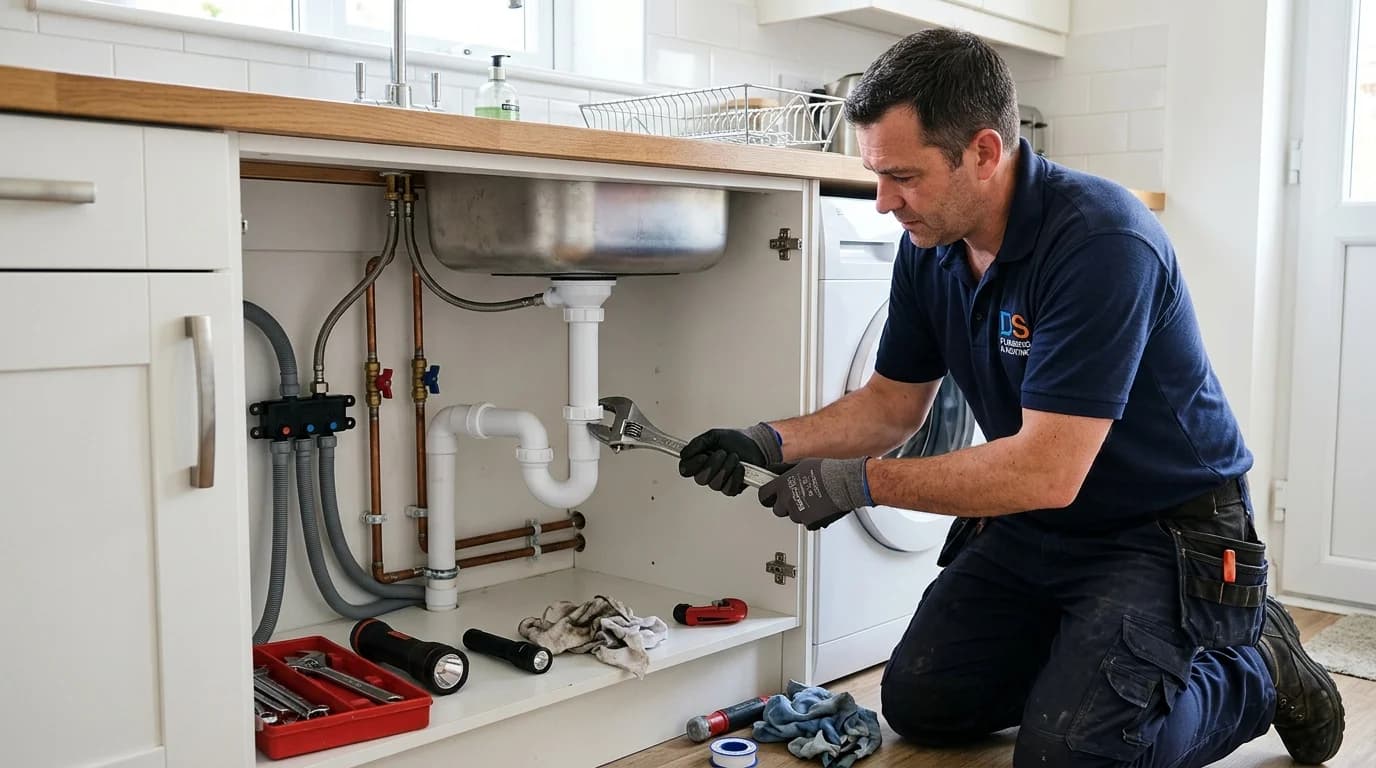
Several things can extend the job to 2 to 3 days:
- Moving the boiler to a new location. New pipework, new flue route, new electrics - this adds at least half a day.
- Changing boiler type. Switching from a back boiler or system boiler to a combi means reconfiguring the pipework and removing the hot water cylinder. Allow an extra day.
- Power flush. If your system has sludge (common in systems over 10 years old), a power flush adds 4 to 6 hours. It's done by circulating cleaning chemicals through every radiator.
- Replacing radiators. If some radiators are old or undersized for the new boiler, they may need swapping. Budget an extra hour per radiator.
- System upgrade. If you're adding a magnetic filter, upgrading the controls to a smart thermostat, or fitting thermostatic radiator valves, each adds time.
Get a personalised cost estimate in under 2 minutes
Questions to ask your engineer
Before the installation starts, make sure you've covered these:
- Can I see your Gas Safe registration card? Every Gas Safe engineer must carry one. Check it lists the type of work they're doing (domestic, central heating, etc.).
- Is the quote all-inclusive? Ask specifically whether it covers the flue, condensate pipe, magnetic filter, system flush, thermostat, and any making good (plastering, painting).
- What warranty am I getting? The boiler manufacturer warranty depends on who installs it. Worcester Bosch gives up to 12 years with an accredited installer, but only 5 years otherwise. Vaillant is similar.
- Will you register the warranty for me? The engineer should register the boiler with the manufacturer on the day of installation. Some forget - chase this up.
- Will you give me a Building Regulations compliance certificate? Any boiler installation must be notified to Building Control. Gas Safe engineers do this automatically through the Gas Safe notification system.
- What do I do if there's a problem next week? Know who to call if something goes wrong in the first few days. A good installer will come back promptly.
After installation: what to check
Don't let the engineer leave until you've confirmed the following. Your installer must notify Building Control of the new boiler installation, Gas Safe engineers do this automatically through the notification system.
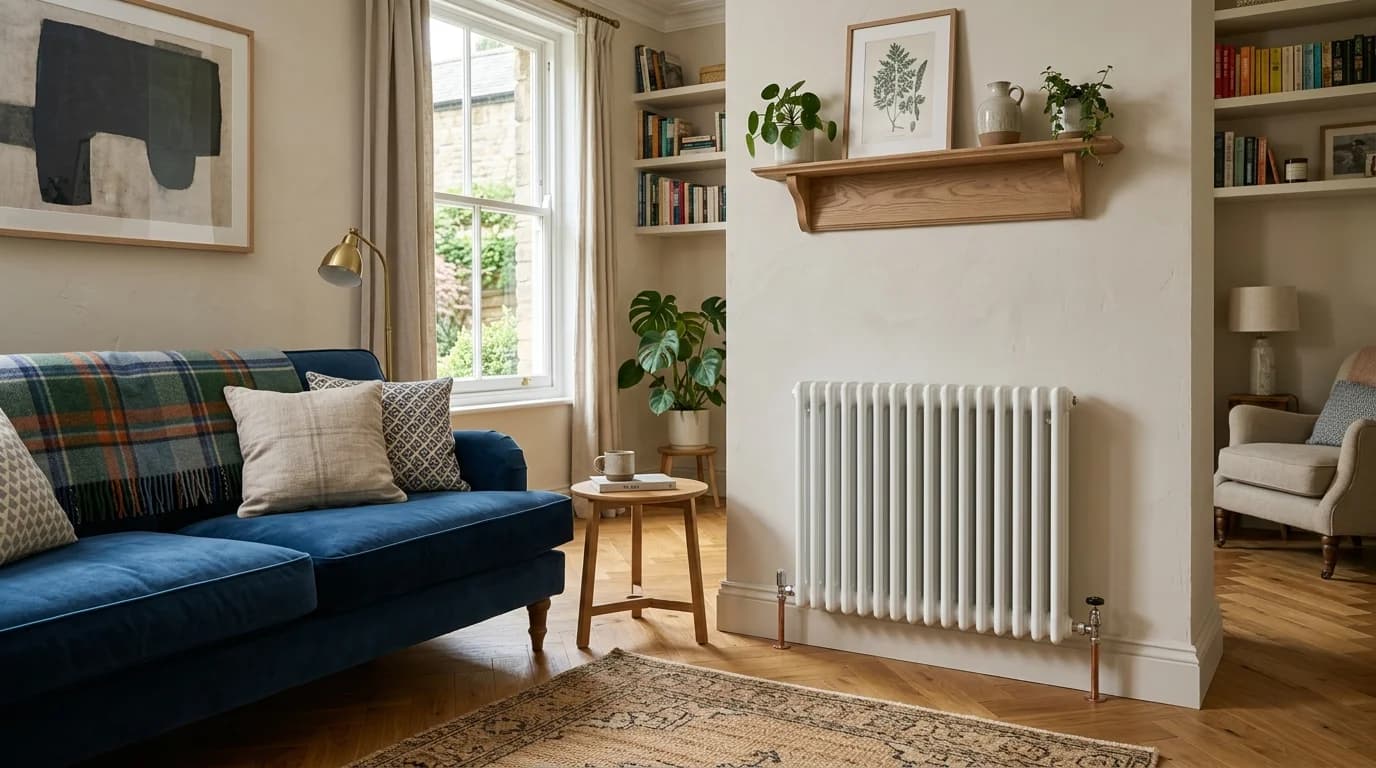
- Every radiator heats up fully. Bleed any that feel cold at the top - your engineer should do this, but check.
- Hot water comes through at the right temperature. Run the hot tap for a couple of minutes and check it reaches at least 50°C.
- The boiler pressure is correct. It should read between 1.0 and 1.5 bar when cold. Your engineer will show you the pressure gauge.
- You know how to repressurise the boiler. It's a simple job you'll need to do occasionally - make sure you understand the process before they leave.
- The condensate pipe is properly routed. If it runs externally, ask whether it's been insulated. An uninsulated external condensate pipe will freeze in winter and shut the boiler down.
- You have all the paperwork. That includes the Building Regulations notification, warranty registration, commissioning checklist, and the boiler manual.
The first week with your new boiler
A few things are normal in the first week and aren't cause for concern:
The pressure may drop slightly as air works its way out of the system. Bleed your radiators after a couple of days and top up the pressure if it falls below 1.0 bar.
You might hear some gurgling or tapping from radiators as trapped air moves through the system. This usually settles within a week. If it persists, bleed the radiators again.
If the boiler displays an error code, check the manual first. Common codes relate to low pressure (easy to fix yourself) or condensate issues. If it's a genuine fault, call your installer - don't try to fix it yourself or you'll void the warranty.
Frequently asked questions
How long does it take to install a new boiler?
A straightforward combi boiler swap (same location, same type) takes 1 day. If you're changing the boiler type (e.g., back boiler to combi), moving the boiler location, or adding a new flue run, it takes 2 to 3 days. A full system change with new pipework and radiators can take 3 to 5 days.
Will I have no heating or hot water during installation?
Yes, you'll be without heating and hot water while the work is done. For a 1-day swap, you'll have everything back by the evening. For longer jobs, you may be without for 2 to 3 days. Most engineers will try to get you hot water back at the end of each day if possible. Plan accordingly - boil kettles, and have a fan heater handy in winter.
Do I need to be home during boiler installation?
You don't need to be there the whole time, but you should be home at the start (to give access and discuss any questions) and at the end (for the handover, demonstration, and to sign paperwork). The engineer will need access to the boiler, the gas meter, and possibly the loft or other rooms.
How do I check if my boiler installer is Gas Safe registered?
Visit gassaferegister.co.uk and search by the engineer's name, registration number, or the business name. Every Gas Safe engineer carries an ID card - ask to see it. The card shows their photo, registration number, and the types of gas work they're qualified to do. It's a legal requirement for anyone working on gas appliances.
Ready to get boiler quotes?
See what a new boiler should cost in your region before you talk to anyone.
Related articles
When Should You Replace Your Boiler?
The repair vs replace decision - made simple.
Heat Pump vs Gas Boiler
The honest 10-year cost comparison for UK homes.
How to Find a Good Contractor
Practical guide to finding UK tradespeople.
Do I Need Building Regs for Internal Works?
What counts as notifiable work inside your home.