Can You Do a Loft Conversion for Under £30k?
It's one of the most common questions homeowners ask. The short answer is yes - but what you actually get for that money depends on the type of conversion, your property, and how clever you are with the budget.

Chris Kervin
Written by Chris Kervin, Co-Founder of Less.co.uk
The short answer
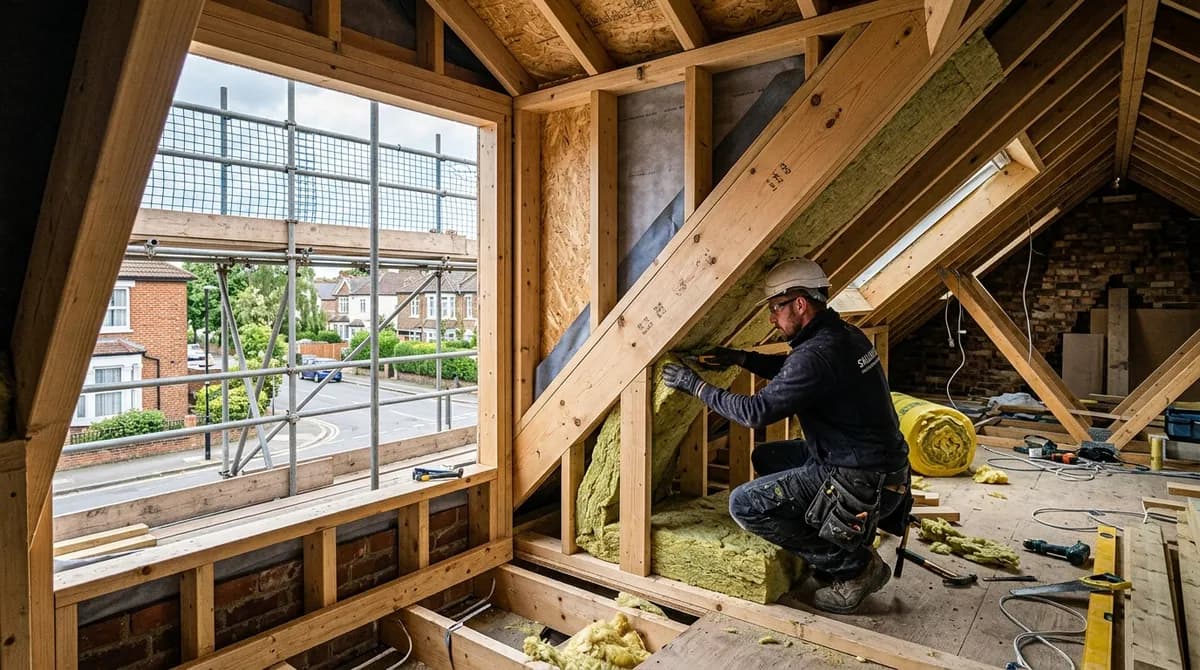
Yes, a loft conversion for under £30,000 is realistic - but you'll be looking at a Velux (rooflight) conversion with a decent but not luxury finish. If you want a dormer, en-suite bathroom, or anything structural beyond the basics, you'll likely need £30,000 to £50,000.
What you get at every budget level
Loft conversion costs vary wildly depending on the type of conversion, your location, the age of your property, and what you want up there. Here's a realistic breakdown of what each budget actually buys you in 2026.
| Budget | Conversion type | What you get |
|---|---|---|
| £15,000 to £20,000 | Basic Velux | 1 room, basic finish |
| £20,000 to £30,000 | Velux or small dormer | 1 room + possible en-suite |
| £30,000 to £50,000 | Rear dormer | 1 to 2 rooms + en-suite |
| £50,000 to £70,000 | L-shaped or hip-to-gable | 2 rooms + bathroom |
| £65,000 to £90,000+ | Mansard | 2+ rooms + bathroom |
These prices are national averages. In London and the South East, add 20 to 40% to every figure. In the North of England, Scotland, and Wales, you may find prices 10 to 20% lower.
Get a personalised cost estimate in under 2 minutes
Velux vs dormer: the £30k dividing line
The single biggest factor in your loft conversion cost is whether you go Velux or dormer. Understanding the difference is the key to understanding where that £30k threshold sits.
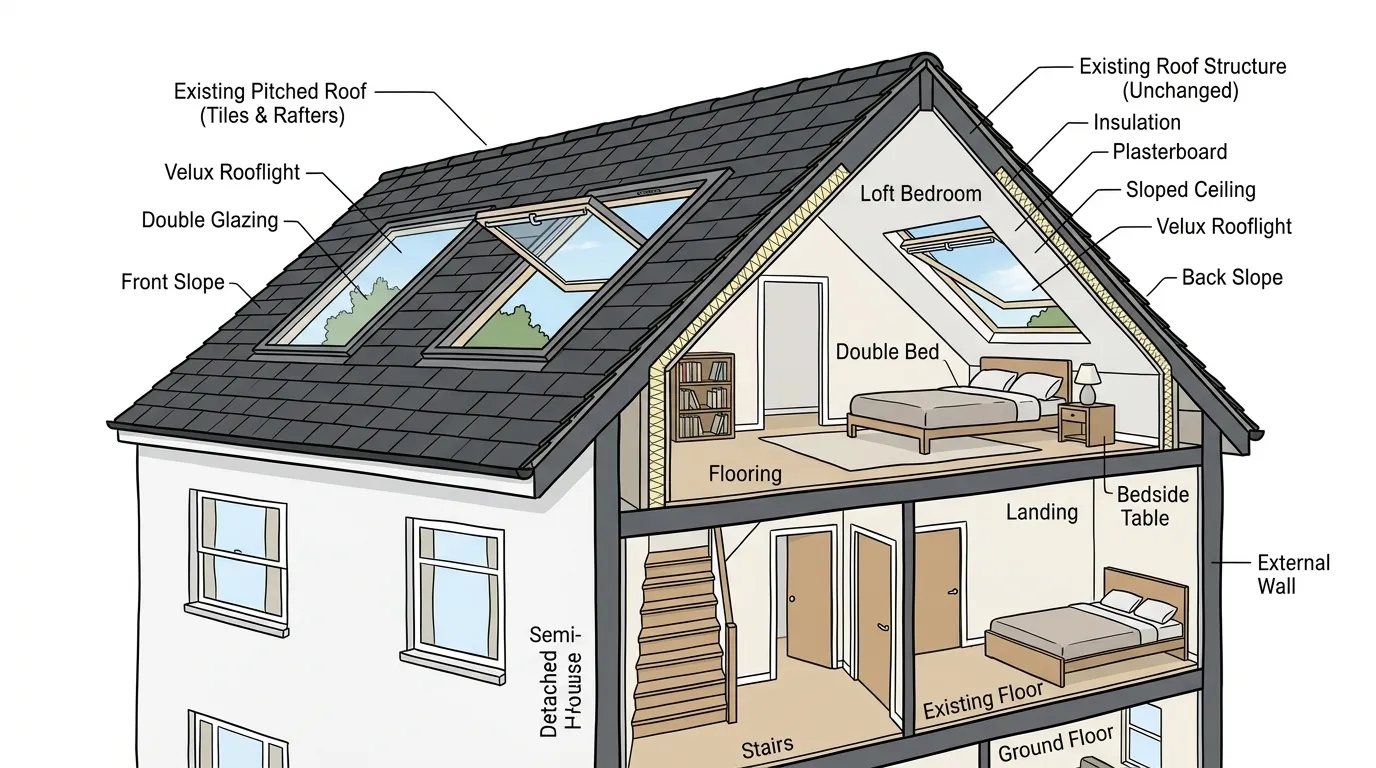
A Velux conversion(sometimes called a rooflight conversion) works entirely within the existing roof structure. Nobody changes the shape of your roof. Instead, they strengthen the floor joists, add insulation, install Velux-style roof windows, build a staircase, and finish the room. Because there's no major structural work to the roof itself, it's the cheapest option by a long way.
A dormer conversionextends outward from the existing roof slope, creating a box-like structure with vertical walls and a flat roof. This gives you dramatically more usable floor space and full standing headroom across most of the room. But it's a bigger job - scaffolding, structural steelwork, new roofing, and usually planning considerations.
If your existing loft has good headroom (at least 2.2 metres from the top of the floor joists to the ridge), a Velux conversion can give you a perfectly usable bedroom or home office for under £30,000. If headroom is tight, or you want an en-suite or a really spacious room, a dormer is usually the way to go - but that pushes you into the £30,000 to £50,000 range.
Where to save money (without cutting corners)
There are legitimate ways to bring a loft conversion in under budget. And then there are shortcuts that will cost you more in the long run. Here's the difference.
Good ways to save
- Do your own decorating. Painting and wallpapering a loft room is straightforward DIY. Budget builders charge £500 to £1,000 for this - keep it.
- Choose standard Velux windows over premium ones. The basic GGL model does the job. Upgrading to electric-opening or triple-glazed versions adds £200 to £500 per window.
- Go for a simple staircase. A standard timber staircase costs around £1,000 to £2,000 fitted. An oak or bespoke design can easily hit £4,000 to £6,000.
- Skip the en-suite if your budget is tight. A compact shower room in the loft adds £3,000 to £6,000. If the family bathroom is on the floor below, you can always add one later.
- Handle your own flooring. Carpet or laminate installation in a single room is manageable DIY. Save £500 to £1,000.
- Get three or more quotes. Prices for loft conversions vary enormously between contractors. We've seen identical jobs quoted at £22,000 and £38,000 by different firms in the same town.
- Time it right. January to March is typically the quietest period for loft conversion companies. You may get better prices or faster start dates.
Where you should never cut costs
- Structural work. Steel beams, floor strengthening, and load calculations must be done properly. This is not a place to save a few hundred quid.
- Building Regulations compliance. Your loft conversion needs to meet fire safety, insulation, and structural standards. Skipping this creates problems when you sell.
- The staircase design. It must comply with Building Regulations (minimum headroom, maximum steepness, handrails). A cheap bodge here is dangerous and will fail inspection.
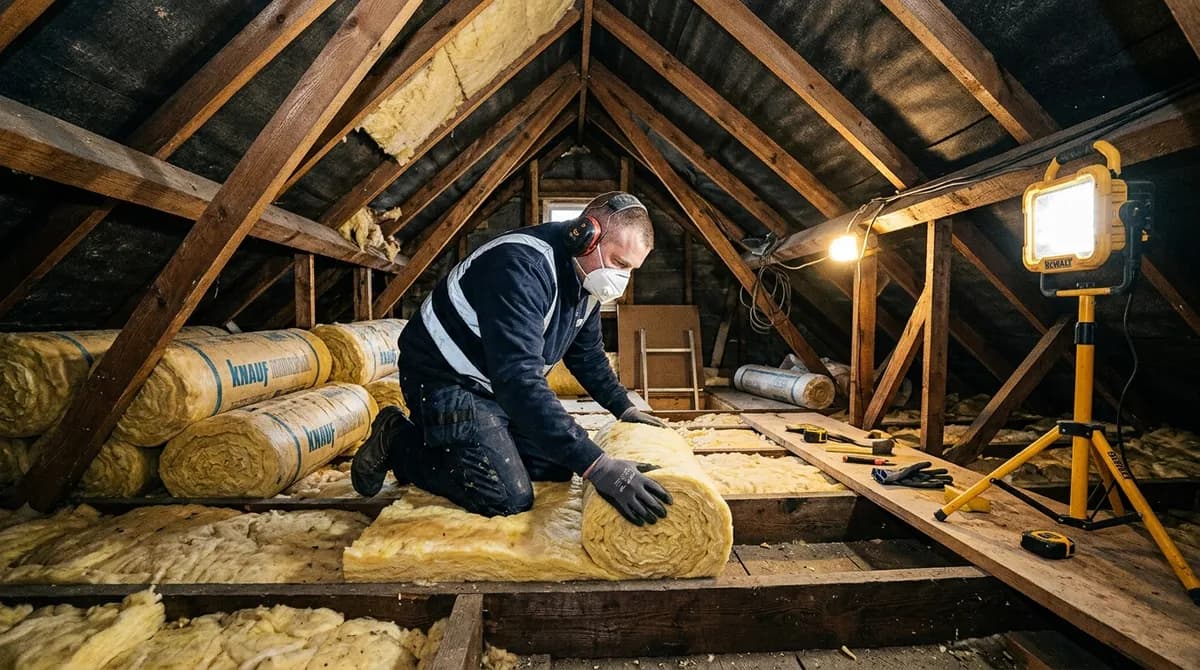
- Insulation. Skimping on loft room insulation means a room that's freezing in winter and boiling in summer. You'll regret it within months.
- Electrics. All wiring must comply with Part P. Use a registered electrician (NICEIC, NAPIT) who can self-certify the work.
Real examples: what people actually paid
To give you a sense of what's realistic, here are some typical scenarios based on prices we've collected from UK homeowners and contractors.
3-bed semi, Manchester - Velux conversion - £22,000
One bedroom with two Velux windows, new staircase from the landing, electrics, plastering, and insulation. The homeowner did their own decorating and flooring. No en-suite. Total build time: 5 weeks.
Victorian terrace, Bristol - Velux with en-suite - £29,500
One bedroom with a compact shower room (toilet, basin, shower cubicle). Three Velux windows. Standard staircase, full electrics, and a good finish throughout. Just squeezed in under the £30k mark.
1930s semi, Leeds - Rear dormer - £38,000
Full-width rear dormer creating a large master bedroom with en-suite shower room. Two Velux windows to the front, full-height walls across most of the room. This is what you get when you step above the £30k mark - noticeably more space and a more premium feel.
Is a loft conversion worth the money?
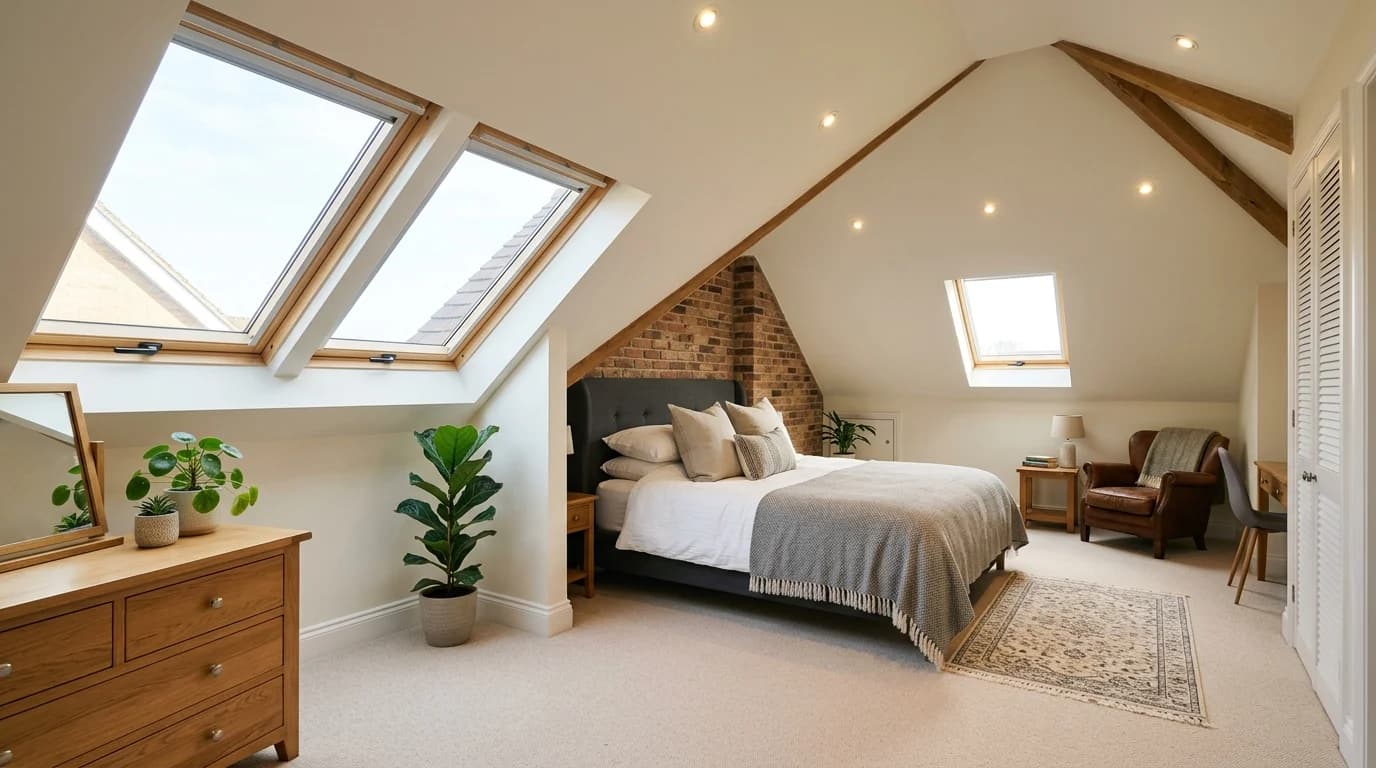
In most parts of the UK, a well-done loft conversion adds more value to your home than it costs. The general rule of thumb is that a loft conversion adds 15 to 20% to the value of a typical 3-bed semi-detached house. On a property worth £250,000, that's £37,500 to £50,000 of added value.
Even at the lower end of that range, a £25,000 Velux conversion pays for itself. A dormer at £40,000 still shows a healthy return. The numbers get even better if you're adding a bedroom to a property that's currently short on them - going from two bedrooms to three, for example, can add a disproportionate amount of value.
But value isn't just about resale. If you need the space and you're staying put for five or more years, a loft conversion is almost always better value than moving. By the time you factor in stamp duty, estate agent fees, solicitors, removal costs, and all the other expenses of moving house, you could easily spend £15,000 to £30,000 just on the move itself - and still end up with a property that needs work.
Building Regulations and planning permission
Every loft conversion needs Building Regulations approval. This covers structural safety, fire safety (including escape routes and fire doors), insulation standards, and electrical safety. Your builder or architect will handle the application, and Building Control will inspect the work at key stages.
Most loft conversions don't need planning permission, as they fall under Permitted Development rights. But there are limits - you can't exceed 40 cubic metres of additional space on a terraced house (50 on a detached or semi), and there are restrictions on how the dormer looks, especially at the front of the property. If you live in a conservation area, a listed building, or a flat, you'll almost certainly need full planning permission.
A Lawful Development Certificate(about £274) is worth getting even if you don't need planning permission. It's a formal confirmation from the council that your conversion is within Permitted Development rights. It makes life much easier when you come to sell.
Frequently asked questions
What is the cheapest type of loft conversion?
A Velux (rooflight) conversion is the cheapest option, typically costing £15,000 to £27,000. It works within the existing roof structure, so there's no need to alter the roofline. You just add windows, insulation, flooring, a staircase, and electrics. It's ideal if your roof already has enough headroom - at least 2.2 metres at the highest point.
Can I do a loft conversion for £20,000?
Yes, but only a basic Velux conversion in a straightforward property. For £20,000 you'd get structural work, insulation, electrics, plastering, a staircase, and Velux windows - but a fairly simple finish. You'd likely need to handle decoration, flooring, and any built-in storage yourself or budget separately for those.
Do I need planning permission for a loft conversion?
Most loft conversions fall under Permitted Development, meaning you don't need planning permission - provided you stay within limits: no more than 40 cubic metres of additional space for terraced houses (50 cubic metres for detached and semi-detached), no extension beyond the existing roof plane facing a highway, and materials that match the existing house. Dormer conversions to the front of a property, or any conversion in a conservation area, will usually need full planning permission.
How long does a loft conversion take?
A Velux conversion typically takes 4 to 6 weeks. A rear dormer takes 6 to 8 weeks. An L-shaped dormer or hip-to-gable can take 8 to 12 weeks. Mansard conversions, which involve the most structural work, can take 10 to 14 weeks. These timescales assume a single team working full-time, with no major complications.
Get a detailed loft conversion cost breakdown
Our full loft conversion cost guide includes regional prices, a room-by-room breakdown, and practical tips for getting the best deal.
Related articles
Is a Loft Conversion Worth It?
ROI analysis by property type - honest numbers.
Loft Conversion Types Explained
Velux, dormer, hip-to-gable, mansard - which is right for you?
Extension vs Loft Conversion
Which adds more value? A direct comparison.
Building Regs for Internal Works
Which projects need Building Regulations approval?