How Long Does a Roof Last? A Realistic UK Guide
Your roof is probably the most expensive part of your house that you never think about. Until something goes wrong. Here's how long you can realistically expect different roof types to last, the warning signs that yours needs attention, and why most roofs don't actually need replacing nearly as often as roofing companies would have you believe.

Chris Kervin
Written by Chris Kervin, Co-Founder of Less.co.uk
The short answer
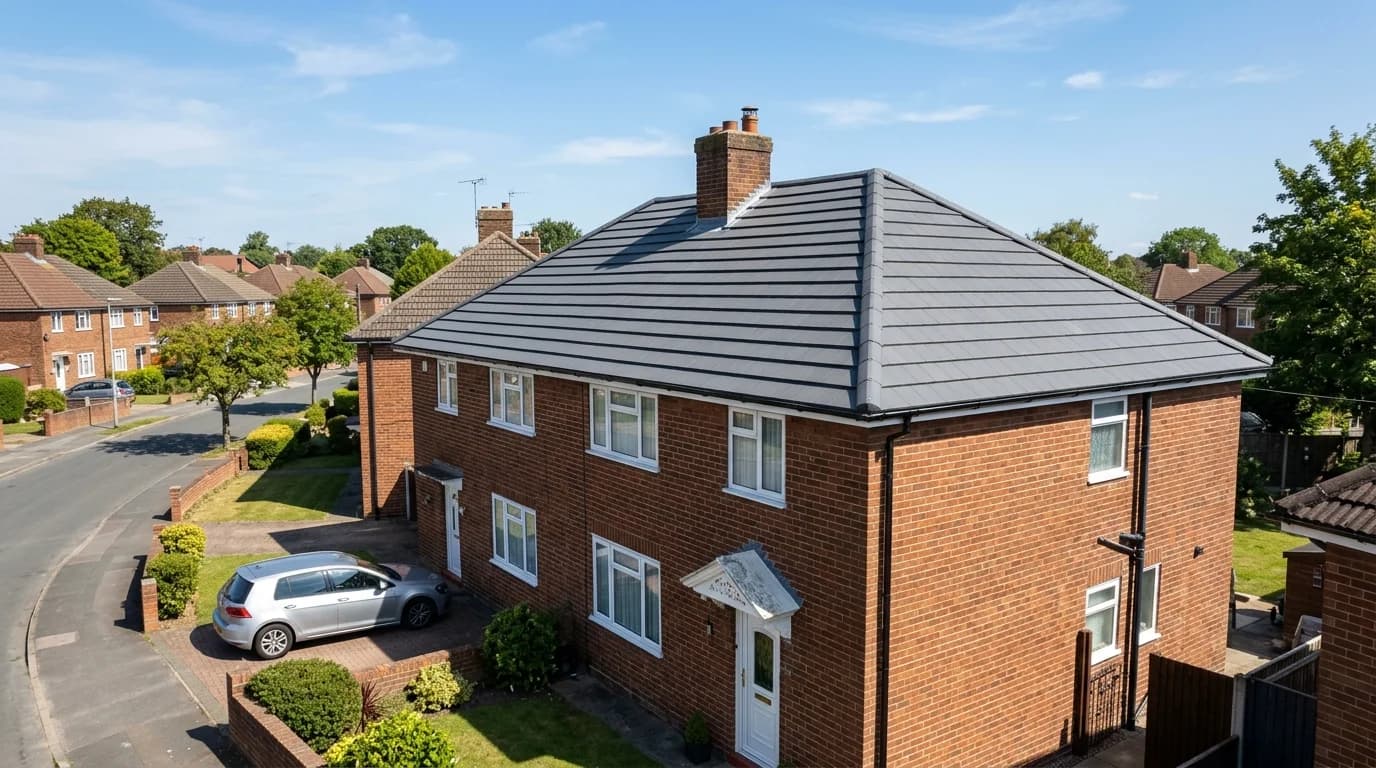
Most pitched roofs in the UK last 40-100+ years depending on the material. Clay and natural slate can go well over a century. Concrete tiles manage 40-60 years. Flat roofs are shorter-lived: 10-20 years for felt, 30-50 years for modern EPDM rubber. Regular maintenance and catching problems early makes a bigger difference than the material itself.
Roof lifespan by material
Different roofing materials have vastly different life expectancies. Here's what you can realistically expect from each, assuming reasonable maintenance and typical UK weather conditions.
| Roofing material | Expected lifespan | Notes |
|---|---|---|
| Clay tiles | 60 - 100+ years | Many Victorian clay tiles still going strong after 130+ years |
| Natural slate | 75 - 100+ years | Welsh slate is considered the finest; Spanish slate varies in quality |
| Concrete tiles | 40 - 60 years | The most common roofing material on UK homes built since the 1950s |
| Artificial/fibre cement slate | 30 - 50 years | Lighter and cheaper than natural slate, but doesn't last as long |
| Zinc or copper | 60 - 80 years | Expensive but very long-lasting; develops an attractive patina |
| EPDM rubber (flat roof) | 30 - 50 years | The modern standard for flat roofs; single membrane, no seams |
| Fibreglass GRP (flat roof) | 25 - 40 years | Seamless and durable; popular for extensions and garages |
| Felt (flat roof) | 10 - 20 years | The old standard; prone to cracking and blistering in temperature changes |
Those are broad ranges, and where your roof falls within them depends on several factors: quality of the original installation, exposure to weather (coastal and hilltop properties take more of a battering), whether the loft is properly ventilated, and how well the roof has been maintained over the years.
Pitched roofs: the detail
Clay tiles
Clay is the gold standard for longevity. Walk through any Victorian or Edwardian street in the UK and you're looking at clay tiles that have been doing their job for well over a hundred years. The material itself is incredibly durable. It doesn't rot, doesn't absorb much water, and handles freeze-thaw cycles better than most alternatives.
The tiles themselves rarely fail. What typically goes first are the fixings (the nails corrode over decades), the battens underneath (timber deteriorates over time), and the mortar along the ridge and verges. When someone "re-roofs" a clay-tiled house, they're usually replacing the underlining felt, battens, and fixings while reusing many of the original tiles.
Natural slate
Welsh slate, specifically from quarries like Penrhyn and Dinorwig, is legendary. It's been used on British roofs for centuries, and plenty of examples are still in perfect condition after 150+ years. The material is extremely dense, low-porosity, and resistant to frost damage. The Building Research Establishment (BRE) rates Welsh slate among the most durable roofing materials available.
Spanish slate is more commonly used today because it's cheaper, but the quality varies significantly. Good Spanish slate can last 75-100 years. Poor-quality Spanish slate can start delaminating and flaking within 20-30 years. If you're specifying slate for a new roofing project, ask your roofer about the source and grade.
Concrete tiles
Concrete tiles dominate the UK housing market. If your home was built between the 1950s and today, there's a good chance it has concrete tiles. They're affordable, widely available, and reasonably durable at 40-60 years.
The main weakness of concrete tiles is that they absorb more moisture than clay or slate. Over decades, this leads to surface erosion, moss growth (which holds even more moisture), and eventually cracking during hard frosts. A concrete-tiled roof in good condition at 30 years old has plenty of life left. One that's been neglected, covered in moss, and has several cracked tiles might be approaching the end.
Flat roofs: why they're different
Flat roofs get a bad reputation in the UK, and honestly, some of it is deserved. Traditional felt flat roofs from the 1970s, 80s, and 90s were notorious for leaking. The material cracked in cold weather, blistered in hot weather, and the seams were always a weak point.
Modern flat roof materials are genuinely different. EPDM rubber is a single membrane with no seams, flexible enough to handle temperature changes, and with a realistic lifespan of 30-50 years. Fibreglass GRP is similarly durable and creates a completely seamless surface.
If you have an old felt flat roof that's approaching 15-20 years old, it's worth getting it inspected. Replacing it with EPDM or GRP before it starts leaking is far cheaper than dealing with water damage to the structure underneath.
Warning signs your roof needs attention
You don't need to be a roofer to spot the early signs of trouble. Here's what to look for, starting with the things you can check yourself:
From the ground (outside)
- Missing or slipped tiles - even one or two is worth addressing before water gets in
- Cracked or broken tiles visible from the pavement (binoculars help)
- Ridge tiles sitting at odd angles or with visible gaps in the mortar
- Flashing around the chimney that's lifted, cracked, or pulling away
- Heavy moss growth, particularly if it's lifting the edges of tiles
- Sagging or dipping along the ridge line (this suggests structural problems)
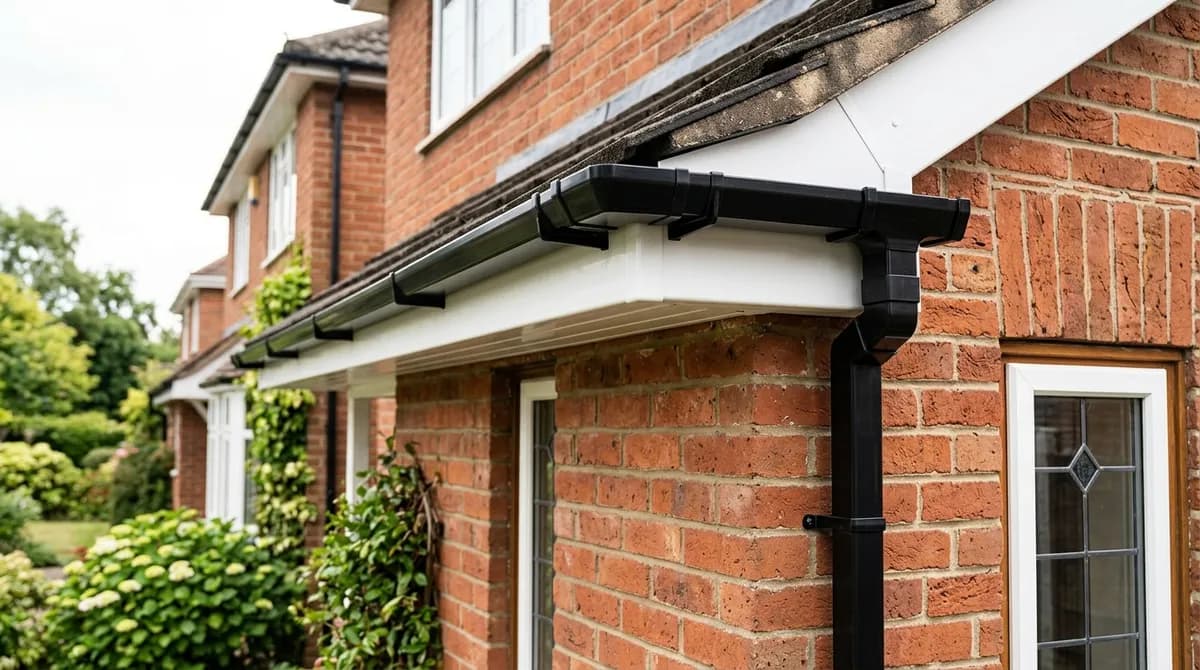
- Blocked or overflowing gutters causing water to run down the walls
From the loft (inside)
- Daylight visible through the roof boards (switch the loft light off and look)
- Damp, dark staining on the timber rafters or purlins
- Actual water dripping or pooling, especially after heavy rain
- The roof felt (if visible) is torn, sagging between rafters, or brittle
- A musty smell suggesting persistent damp
From the rooms below
- Damp patches on upstairs ceilings, especially in corners
- Peeling paint or bubbling wallpaper on upstairs walls near the roofline
- Mould growth in upstairs bedrooms (this can also be condensation, but it's worth checking the roof)
Repair vs. replace: what most people get wrong
Here's something the roofing industry doesn't always make clear: most roof problems don't require a full replacement. A handful of slipped tiles, some cracked mortar on the ridge, or a piece of damaged flashing can all be fixed for a fraction of the cost of a new roof.
A full roof replacement on a typical 3-bed semi costs £5,000-£14,000. Replacing a few tiles and re-pointing the ridge might cost £200-£500. Replacing the lead flashing around a chimney is typically £300-£600. Those are very different numbers.
Full replacement makes sense when:
- The underlying structure (rafters, battens) is compromised
- The roof felt has failed across large areas
- There's widespread tile damage affecting more than 20-30% of the roof
- The roof is at the end of its expected lifespan and multiple problems are appearing
- You're doing a loft conversion and need to upgrade the roof structure anyway
If you're considering a loft conversion, the roof will need to be rebuilt as part of the project anyway, so it's an opportunity to upgrade to better materials.
Calculate your roofing costs
Use our roofing calculator to get a quick estimate for repairs or a full replacement based on your roof size and material.
How to make your roof last longer
A bit of regular maintenance goes a surprisingly long way. The National Federation of Roofing Contractors (NFRC) recommends annual inspections, and most roofers will tell you that the roofs they replace prematurely have one thing in common: nobody looked at them for 20 years.
- Get an annual inspection by a qualified roofer (£100-£200). They'll spot problems you can't see from the ground and fix small issues before they become expensive ones.
- Keep gutters clear. Blocked gutters cause water to back up under tiles and damage fascias. Clean them at least once a year, ideally in late autumn after the leaves have fallen.
- Deal with moss. A bit of moss is cosmetic, but heavy moss growth holds moisture against the tiles, gets under the edges, and accelerates deterioration. Professional moss removal costs £300-£600 for a typical house.
- Fix problems quickly. A slipped tile that costs £30 to replace can lead to hundreds of pounds of water damage if left for a winter.
- Trim overhanging trees. Branches rubbing on tiles damage the surface, and falling branches can crack them. Leaves also block gutters and valleys.
- Make sure your loft is properly ventilated. Poor ventilation causes condensation on the underside of the roof, which rots the timbers and felt from the inside.
What about roof coatings?
You've probably seen adverts for spray-on roof coatings that claim to "seal and protect" your roof and extend its life by 20 years. The roofing industry is divided on these. Some manufacturers make legitimate products that can provide a protective layer on ageing concrete tiles. Others are little more than paint.
The honest assessment: a roof coating might buy you a few extra years on concrete tiles that are starting to show their age but aren't yet at the point of needing replacement. They won't fix structural problems, won't replace damaged tiles, and won't address underlying issues with battens or felt.
If a company is quoting you £2,000-£3,000 for a roof coating on a roof that's fundamentally sound, the money would almost certainly be better spent on a proper inspection and targeted repairs. If the roof is genuinely approaching the end of its life, a coating is a sticking plaster.
Choosing materials for a new roof
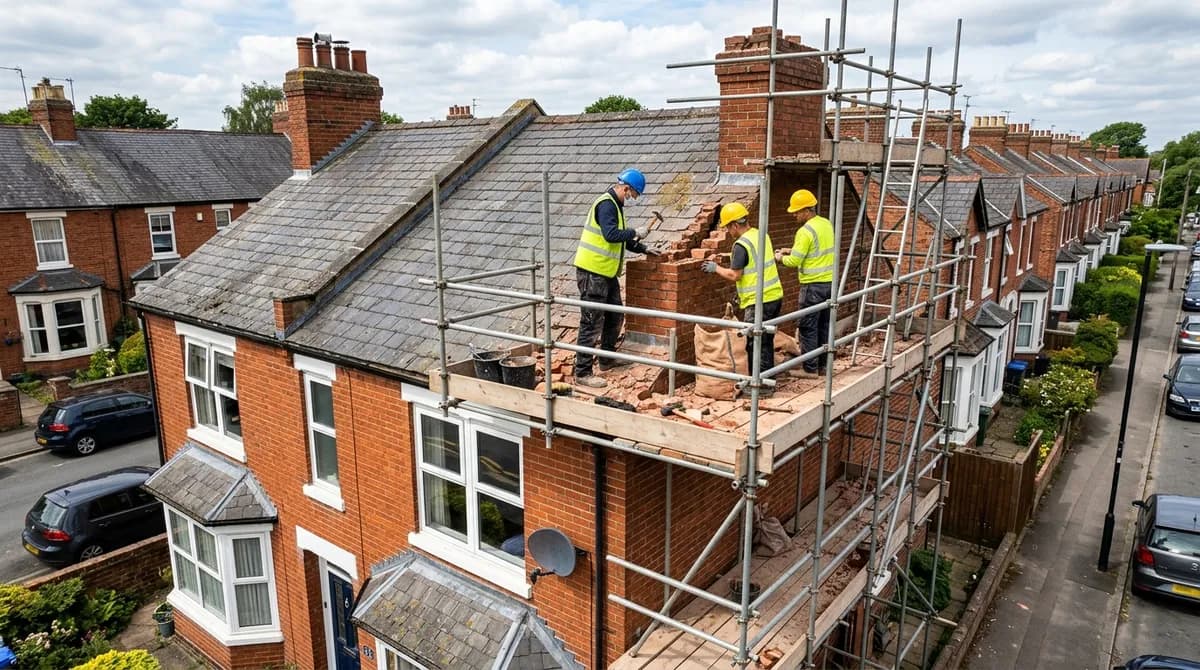
If you are replacing your roof, material choice is the biggest decision you'll make. It affects how long the roof lasts, how the house looks, and what you'll spend.
For most UK homes, the practical choice comes down to concrete tiles, clay tiles, or slate. Here's how to think about it:
- Concrete tiles are the most affordable option and perfectly adequate for 40-60 years. If budget is a priority and the house isn't in a conservation area, concrete is fine.
- Clay tiles cost more upfront but last significantly longer. On a house you plan to keep for decades, the lifetime cost per year is actually similar to concrete.
- Natural slate is the premium choice. It looks beautiful, lasts the longest, and adds value to the property. But it costs roughly 2-3 times more than concrete tiles.
- For flat roofs, always specify EPDM or GRP. The upfront cost is modestly higher than felt, but the lifespan is at least double.
Get your roof work for less
Roofing work is one of the areas where timing and planning can save you serious money:
- Book roofing work for late winter or early spring when roofers are quieter
- Get at least three quotes and make sure each roofer has inspected the roof in person (not quoted from photos)
- Ask if scaffolding can be shared with a neighbour who also needs work done
- If you only need repairs, say so clearly. Some roofers will push for a full replacement when it isn't necessary.
- Check whether your home insurance covers storm damage. Many policies do, and your insurer may cover some or all of the repair cost.
See our full roofing cost guide for detailed pricing on every type of roof work, from minor repairs to complete replacements. You can also use the roofing calculator for a quick estimate.
The bottom line
Most roofs last far longer than people expect. If you have a pitched roof with clay tiles or natural slate, it could easily outlast you. Even concrete tiles give you 40-60 solid years. Flat roofs are the exception, but modern EPDM and GRP materials have changed the game there too.
The single best thing you can do for your roof is pay a roofer £100-£200 once a year to look at it. They'll catch the small problems that, left unchecked, turn into big ones. A few hundred pounds of maintenance over a decade can easily save you thousands in premature replacement costs.
And if someone knocks on your door offering a "free roof inspection" or telling you they've noticed loose tiles from the street, close the door. Legitimate roofers don't cold-call. That's one of the oldest scams in the book. Always use an NFRC-registered roofer or check their credentials through a recognised trade body.
Frequently asked questions
How long does a tiled roof last in the UK?
Concrete tiles typically last 40-60 years, while clay tiles can last 60-100+ years with proper maintenance. Many Victorian properties still have their original clay roof tiles in perfectly good condition after 130+ years.
How long does a flat roof last?
It depends on the material. Traditional felt flat roofs last 10-20 years. EPDM rubber flat roofs last 30-50 years. Fibreglass (GRP) flat roofs last 25-40 years. If you're replacing or building a flat roof, EPDM or GRP are worth the extra cost for their significantly longer lifespan.
How much does it cost to replace a roof in the UK?
A full roof replacement on a typical 3-bedroom semi-detached house costs between £5,000 and £14,000 depending on the materials used, the condition of the roof structure, and your location. Check our full roofing cost guide for detailed breakdowns by roof type and region.
How do I know if my roof needs replacing?
Warning signs include: missing or slipped tiles visible from the ground, damp patches on upstairs ceilings or walls, daylight visible through the roof when you're in the loft, sagging along the ridge line, cracked or deteriorating flashing around chimneys, and excessive moss growth that's lifting tiles. An annual roof inspection by a qualified roofer (£100-£200) can catch problems early.
Can a roof be repaired instead of replaced?
In most cases, yes. The majority of roof problems can be fixed with targeted repairs rather than a full replacement. Replacing a few slipped or cracked tiles, re-pointing the ridge, replacing damaged flashing, or clearing blocked gutters are all relatively inexpensive repairs that can extend a roof's life by many years. Full replacement is only necessary when the underlying structure is compromised or when damage is too widespread to repair economically.
Need to know how much a new roof costs?
Our cost guide breaks down every type of roofing work with up-to-date UK prices for 2026.
Related articles
How to Choose a Builder
10 things to check before hiring any builder or tradesperson.
Is a Loft Conversion Worth It?
Whether the investment pays off when you sell.
Loft Conversion Types Explained
Velux, dormer, mansard, and hip-to-gable compared.
Save Money on Home Improvements
Practical ways to cut costs without cutting corners.