Plumbing: Your Complete Guide to Costs & Services
Whether it is a dripping tap driving you mad at 3am or a full bathroom refit, plumbing jobs come in all sizes. Any work involving gas must be carried out by a Gas Safe registered engineer, and for water supply work, look for a WaterSafe approved plumber. This guide covers the most common plumbing work UK homeowners need, what each job should cost, and how to tell when you need a professional rather than a YouTube tutorial and a prayer.
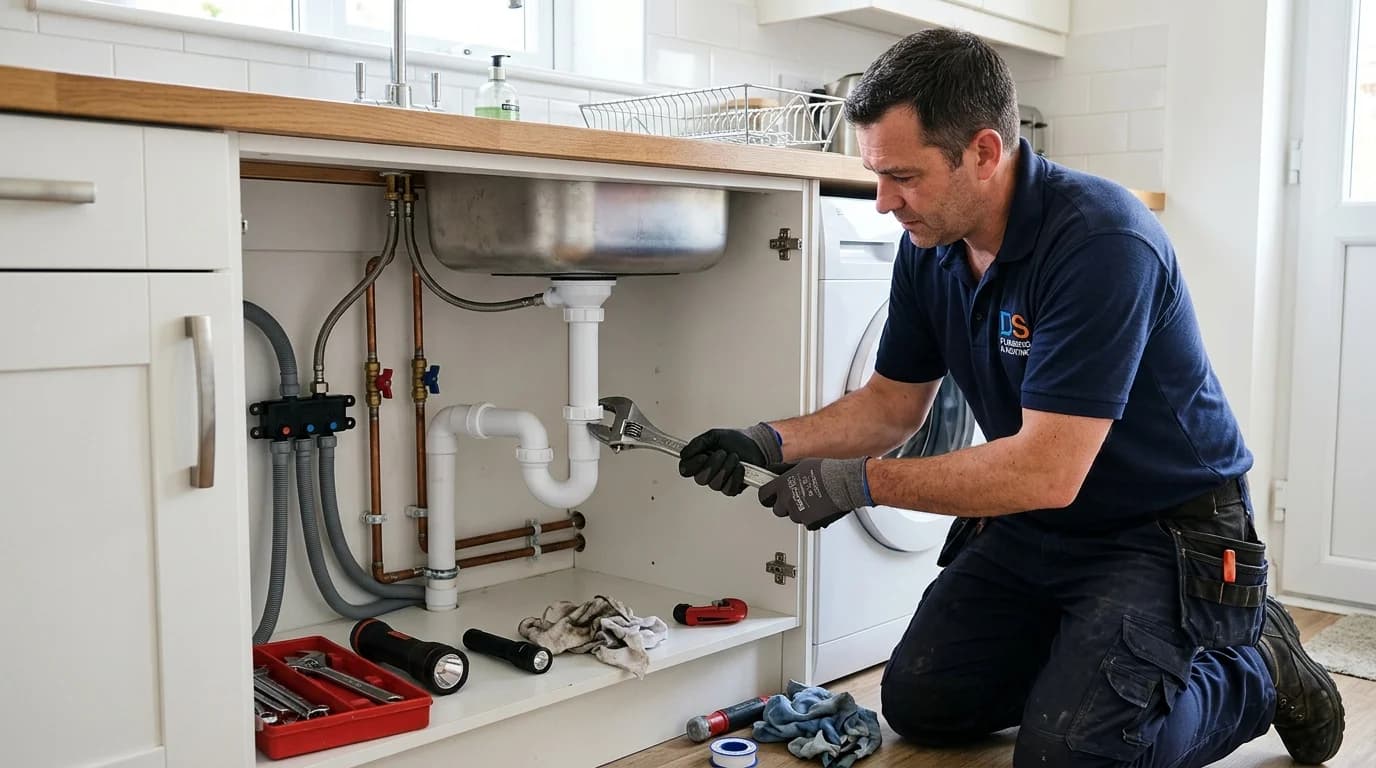
Common plumbing jobs
New bathroom plumbing
Running hot and cold feeds, waste pipes, and soil connections for a new or relocated bathroom. Usually part of a wider bathroom installation but can be priced separately if you are doing the fitting yourself.
Kitchen plumbing
Connecting the sink, dishwasher, and washing machine. A kitchen refit often needs pipework moved to suit the new layout, especially if the sink is changing position.
Central heating and radiators
Installing or replacing radiators, balancing the system, fitting thermostatic radiator valves, or running new pipework for additional radiators. A plumbing and heating engineer handles this.
Radiator installation
Adding a new radiator to an existing system or swapping an old one for a larger or more efficient model. Typically a half-day job if pipework is already in the right position.
Pipe replacement
Replacing old lead, iron, or corroded copper pipework with modern copper or plastic. Common in older properties where the original plumbing is past its best.
Leak repair
Tracking down and fixing leaks in pipes, joints, taps, or cylinders. Emergency call-outs for burst pipes cost more, especially evenings and weekends.
Outside tap installation
Running a new water feed through an external wall and fitting a garden tap with an isolating valve. A straightforward job that most plumbers can do in a couple of hours.
Washing machine plumbing
Fitting hot and cold supply valves and a standpipe waste for a new washing machine or relocating an existing one. Quick and inexpensive if the pipework is nearby.
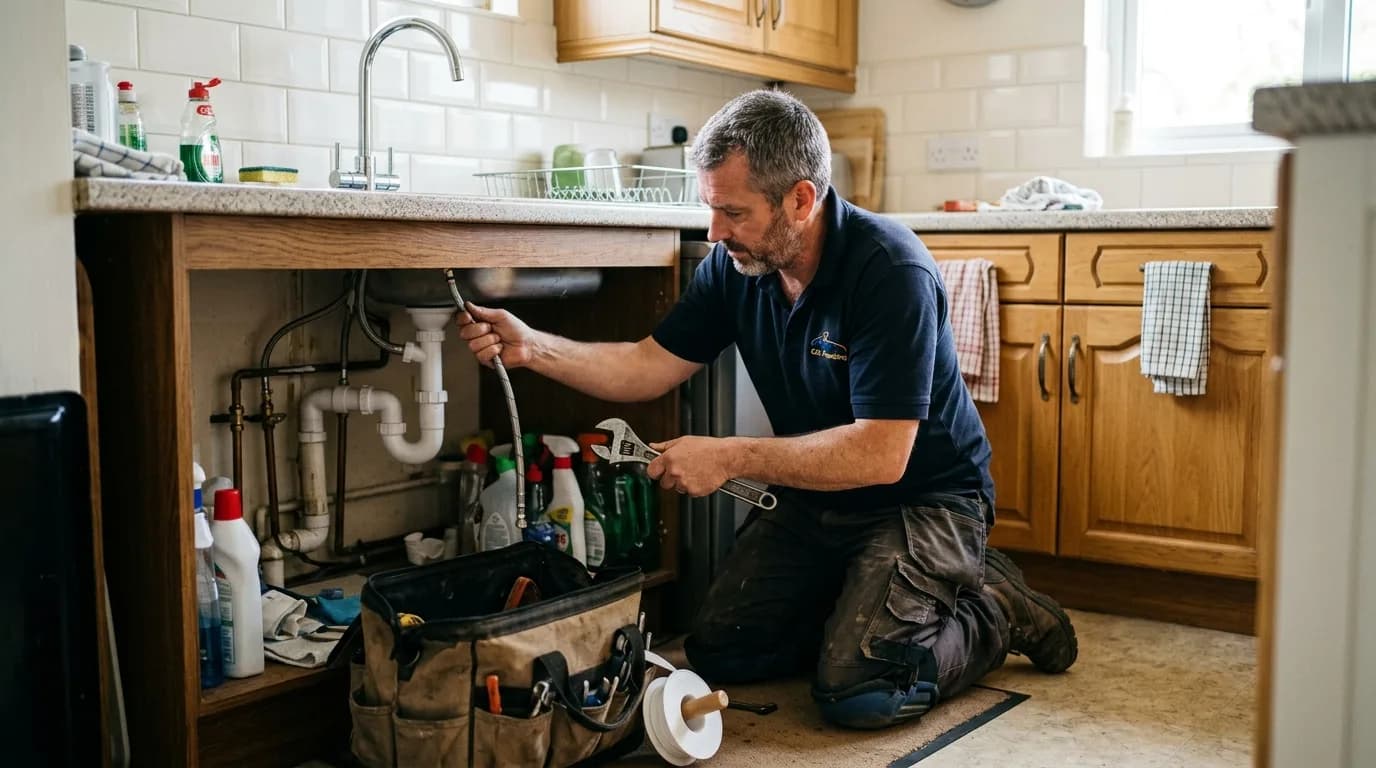
When to call a plumber vs DIY
Safe to DIY
- ✓Changing a tap washer to stop a drip
- ✓Replacing a shower head or hose
- ✓Unblocking a sink with a plunger or drain snake
- ✓Fitting a new toilet seat
- ✓Bleeding a radiator
- ✓Adjusting the float valve in a toilet cistern
- ✓Connecting a washing machine to existing valves
Call a plumber
- ✗Anything involving gas (boiler, gas hob, gas fire) - Gas Safe only
- ✗Moving or replacing a soil stack
- ✗Installing an unvented hot water cylinder
- ✗Running new pipework through walls or floors
- ✗Persistent leaks you cannot trace
- ✗Work on your incoming mains supply
- ✗Any job that requires Part G or Part H Building Regs sign-off
How to find a good plumber
Ask around first
Neighbours, friends, and family who have had plumbing work done recently are your best starting point. A personal recommendation from someone you trust is worth more than any online review.
Check qualifications
For general plumbing, look for membership of a recognised body like the Chartered Institute of Plumbing and Heating Engineering (CIPHE) or WaterSafe (watersafe.org.uk). For any gas work, always verify the engineer's registration number on the Gas Safe Register (gassaferegister.co.uk).
Confirm insurance
Any plumber working in your home should have public liability insurance. Ask to see their certificate - a reputable tradesperson will not hesitate to show you.
Get three written quotes
For any job over £200, get at least three quotes in writing. Each should break down labour, materials, and VAT separately. Be wary of anyone who only gives a verbal estimate or insists on cash with no receipt.
Agree payment terms
Never pay the full amount upfront. A small deposit or staged payments on larger jobs is reasonable. Final payment should only happen once you are satisfied the work is finished and tested.
Get a receipt and guarantee
Insist on a written receipt and ask what guarantee covers the work. Most plumbers offer 12 months on labour. Materials should come with the manufacturer's warranty on top.
For help finding a qualified plumber, the Chartered Institute of Plumbing and Heating Engineering (CIPHE) maintains a register of qualified professionals across the UK.
Plumbing guides
Plumber cost guide
Hourly rates, day rates, and fixed prices for common plumbing jobs in 2026.
Emergency plumber cost
Call-out rates, weekend and night pricing, and how to find one fast.
Bathroom guide
Full bathroom renovation costs, planning tips, and what to expect.
Boiler guide
New boiler costs, replacement advice, and heating system options.
Central heating guide
Radiators, pipework, and heating system installation costs.
Common questions
How much does a plumber charge per hour in the UK?
Most plumbers charge between £40 and £60 per hour outside London, and £60 to £80 per hour in London. Many also charge a call-out fee of £50 to £100 on top, which covers the first hour or the cost of travelling to your property.
Do I need a qualified plumber for all plumbing work?
Not all plumbing work requires a professional. Simple jobs like changing a tap washer or unblocking a sink are fine to tackle yourself. But anything involving gas must be done by a Gas Safe registered engineer, and jobs affecting your water supply or involving unvented cylinders should be left to a qualified plumber.
What is the difference between a plumber and a heating engineer?
A plumber handles water supply, drainage, taps, toilets, and pipework. A heating engineer specialises in boilers, central heating, and hot water cylinders. Many tradespeople are qualified in both. If the job involves gas, they must be Gas Safe registered regardless.
How do I find a reliable plumber near me?
Start with recommendations from neighbours and friends. Check for public liability insurance and Gas Safe registration if gas is involved. Get three written quotes for anything over £200, and avoid anyone who wants full payment upfront or will not put the price in writing.