Garage Conversion Cost & Ideas Guide 2026
How much does a garage conversion cost? A typical single garage conversion runs between £8,000 and £20,000 in 2026, which is a fraction of what you would spend on an extension for the same floor area. Whether you are thinking about a home office, an extra bedroom, or a self-contained living space, this guide covers the costs, planning permission rules, and Building Regulations you need to know.
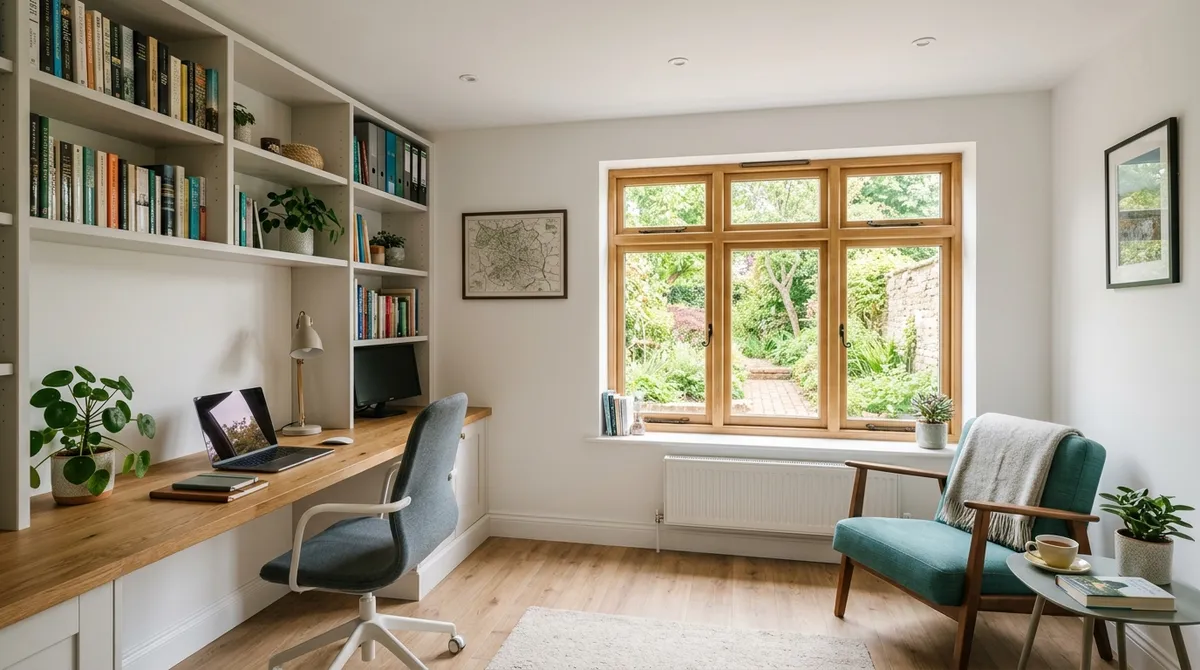
Building Regulations approval is required. Every garage conversion must comply with Part L (insulation), Part B (fire safety), Part P (electrics), and Part F (ventilation). Most conversions do not need planning permission under permitted development, but always check with your local authority first.
Quick answer
How much does a garage conversion cost?
A single garage conversion costs between £8,000 and £20,000 depending on the specification. A basic dry conversion (home office, gym) without plumbing starts from around £6,000. A mid-range conversion with good insulation, new electrics, and quality finishes runs £12,000 to £18,000. Adding a bathroom or kitchen pushes costs higher. Double garage conversions typically cost £15,000 to £30,000.
View the full garage conversion cost guideWhat does a garage conversion involve?
A garage conversion turns an unheated, uninsulated garage into a comfortable, habitable room that meets Building Regulations. The work touches every surface - floor, walls, ceiling, and the front opening where the garage door was.
Garage door removed and replaced with a new insulated wall, window, or doors - this is the biggest visual change
Floor insulated and damp-proofed (either raised timber floor or dug out and re-laid with insulation and a DPM)
Walls and ceiling insulated, plasterboarded, and skimmed to create a proper finished surface
New electrics, heating, and plumbing (if needed) installed to Part P and Part L standards, then final decoration
Things to think about before you start
Parking
You will lose a covered parking space. In areas with easy on-street parking this rarely matters, but in congested streets or if the property has no driveway, losing the garage could affect resale value. Some councils have minimum parking requirements - check before you commit.
Headroom
There is no fixed minimum ceiling height in the Building Regulations for a habitable room in England, but you generally want at least around 2.1 to 2.3 metres for the room to feel comfortable to use. Most garages are fine, but some older flat-roof garages are borderline. If yours is too low, raising the roof is possible but adds significant cost - £5,000 to £10,000 or more. Measure carefully before getting quotes.
The floor
Garage floors are typically a bare concrete slab with no insulation and no damp-proof membrane. The floor will need either digging out and re-laying (expensive but gives a level threshold with the house), or building a raised timber floor with insulation between the joists (cheaper but creates a step). Ask your builder which approach makes more sense for your garage.
Integral vs detached
An integral garage (built into the house) is simpler and cheaper to convert - it already shares walls and a roof with the rest of the house. A detached garage may need separate drainage, water supply, and electrical connections running from the main house, which adds cost.
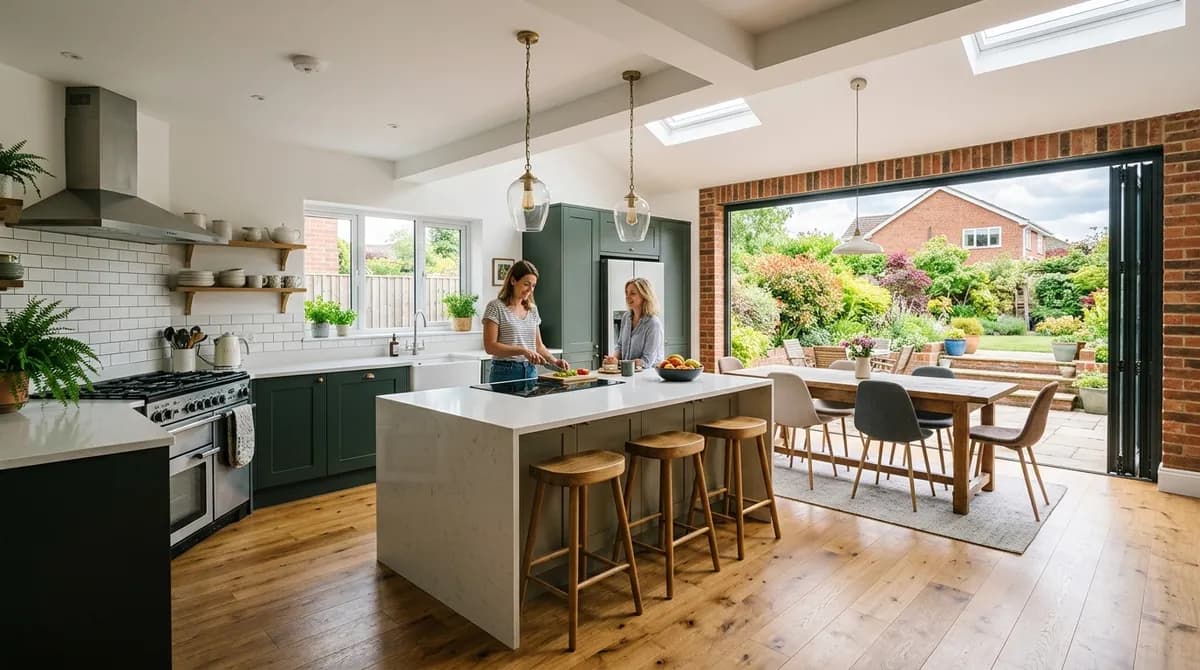
How to find a good builder for your garage conversion
Look for garage conversion experience specifically
Not all builders have done garage conversions. The insulation detailing, damp-proofing, and Building Regs requirements are specific to this type of work. Ask to see photos of previous conversions and whether they have Building Control completion certificates for them.
Check they will handle Building Regulations
A competent builder should submit the Building Regulations application, manage the inspections, and get you a completion certificate at the end. If they suggest skipping Building Regs, walk away - you will have problems when you come to sell.
Get three itemised quotes
Make sure each quote breaks down the work: structural alterations, insulation, electrics, plastering, flooring, and Building Regs fees. A lump-sum quote with no detail makes it impossible to compare. Ask what is excluded - flooring, decoration, and bathroom fittings are common omissions.
Ask about the floor approach
How the builder plans to deal with the floor tells you a lot about their experience. They should have a clear plan for insulation, damp proofing, and managing the threshold between the garage and the house. If they are vague about this, it is a red flag.
Garage conversion guides
Common questions about garage conversions
How much does a garage conversion cost?
A single garage conversion typically costs between £8,000 and £20,000 depending on what you are converting it into. A basic conversion (home office, gym, or playroom) without plumbing starts from around £6,000 to £10,000. Adding a bathroom or kitchen pushes costs to £15,000 to £25,000. Double garage conversions range from £15,000 to £30,000.
Do I need planning permission to convert a garage?
Most garage conversions do not need planning permission because they fall under permitted development rights - as long as the work is largely internal and does not substantially change the external appearance. However, you will need planning permission if the property is in a conservation area, is listed, or has a condition on the original planning consent requiring the garage to be kept for parking. You always need Building Regulations approval regardless.
Does a garage conversion add value to a house?
A well-finished garage conversion can add 10 to 15% to the value of a property. The key is quality - a conversion that looks and feels like a proper room, with correct insulation, adequate headroom, and a Building Regulations completion certificate, will add value. A poorly finished conversion with damp, cold walls, or no certificate can actually put buyers off.
How long does a garage conversion take?
A straightforward single garage conversion takes 2 to 4 weeks from first fix to handover. More complex jobs involving plumbing, structural alterations, or high-spec finishes can take 4 to 6 weeks. The Building Regulations process runs alongside the build - your builder should submit the application before work starts.
What happens to the garage door?
The garage door is removed and the opening is typically bricked up with a new window, French doors, or bi-fold doors. The new wall needs to match the existing brickwork as closely as possible for a neat finish. This is one of the most visible parts of the conversion and worth spending a bit more on to get right.
Quote service coming soon
Get free quotes from garage conversion builders near you
Free, no obligation. Read the cost guide first so you know what a fair price looks like before anyone gives you a number.