Extension Cost in Scotland (2026)
A extension in Scotland typically costs between £29,900 and £44,900 - roughly 6% below the UK average. Lower labour costs in the region help keep prices competitive.
£29,900 to £44,900
Typical range
£37,400
Average cost
-6%
vs national avg
10 to 16 weeks
Typical duration
Free, no obligation. Quotes from vetted tradespeople in Scotland.
Important: Building Regulations approval is required for all house extensions. Most single-storey rear extensions up to 4m (detached) or 3m (semi/terrace) fall under Permitted Development, but you should always check with your local council before starting work.
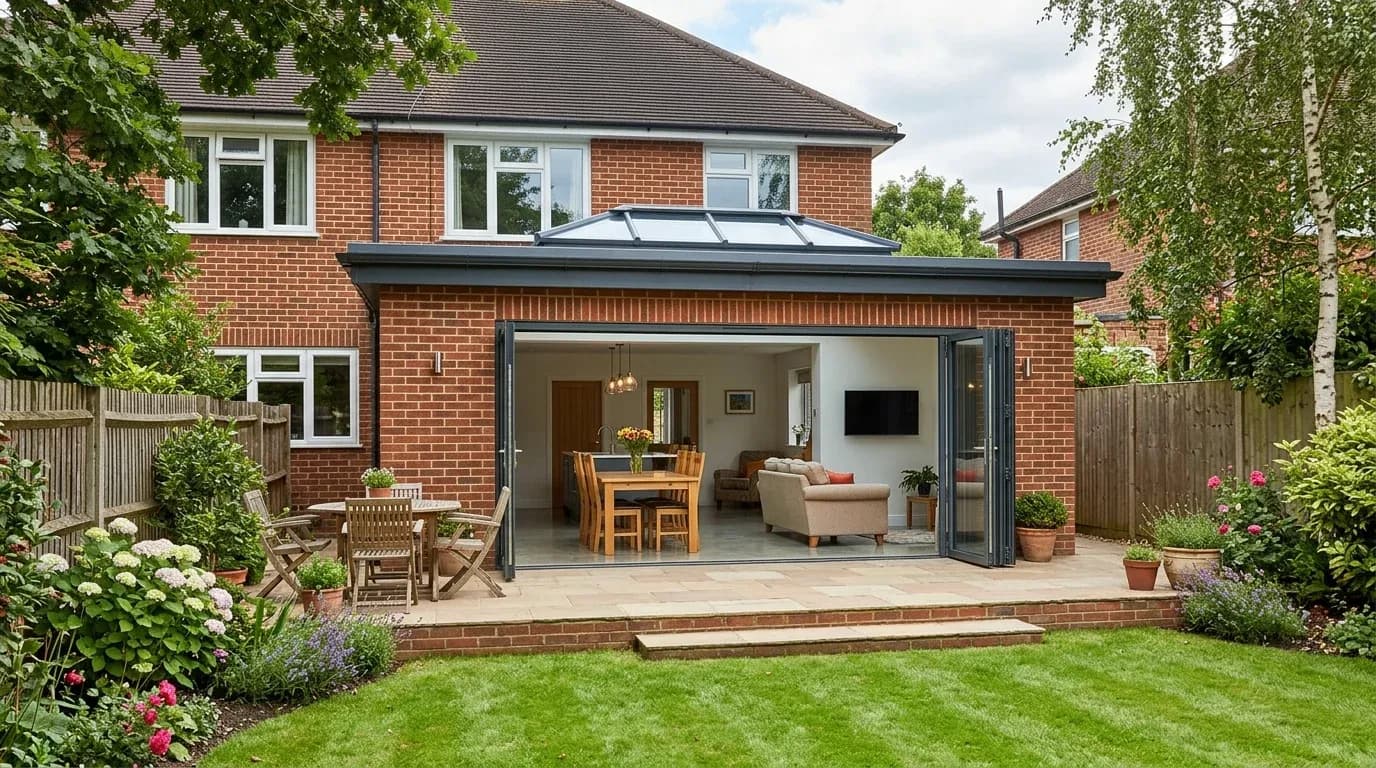
Scotland extension prices
Prices below reflect the typical cost of an extension in Scotland, including materials and labour.
| Type | Details | Scotland range | Scotland avg |
|---|---|---|---|
| Single-storey rear | 3m x 4m basic build, plastered and decorated | £29,900 to £44,900 | £37,400 |
| Single-storey side | Infill or wraparound, converting dead space | £27,000 to £40,400 | £33,700 |
| Double-storey rear | Two floors, extra bedroom and living space | £52,400 to £78,600 | £65,500 |
All prices include materials and labour. Based on contractor submissions and market data, April 2026.
What affects extension costs in Scotland
Extension costs are heavily influenced by local build rates - the cost per square metre for structural work. In Scotland, builders typically charge £40 to £55 per hour for general construction labour, which affects the per-square-metre rate for your build.
Scotland has a distinctive housing stock - stone-built tenements in Edinburgh and Glasgow, granite houses in Aberdeen, and crofts in the Highlands. Stone properties can be more expensive to work on than brick. The type of property you are extending matters. A straightforward rear extension on a detached house is simpler than extending a mid-terrace or a property on a slope.
Foundation costs can vary significantly. Rock and granite subsoil is common in parts of Scotland, which can make excavation more costly. In the Central Belt, ground conditions are generally straightforward.
Planning and Building Regulations fees are set nationally, but if your extension requires full planning permission rather than falling under Permitted Development, the design and application process adds time and cost. Scotland has its own planning system, separate from England and Wales. Building warrants (Scotland's equivalent of Building Regulations approval) are required for most structural work.
Extension work in Scotland: what to know locally
Our Scotland extension guide covers homes across the region, including Glasgow, Edinburgh, Aberdeen, Dundee, Inverness, Stirling and Perth. Outside the central belt, Scottish labour rates generally sit below the London and South East levels, though the Highlands and islands can carry a premium for travel and materials delivery.
Scotland's stock leans heavily on tenement flats and solid stone-built homes, often with thick sandstone or granite walls that need internal or specialist insulation rather than the cavity-wall fills common in England.
Building regulations and planning in Scotland
Unlike England, most significant work in Scotland needs a building warrant granted by the council before it starts, so factor warrant approval into your timeline as it is an offence to begin notifiable work without one.
Grants and schemes that can help in Scotland
- Warmer Homes Scotland, Scottish Government fuel-poverty scheme (delivered by Warmworks via Home Energy Scotland) funding insulation and heating improvements for eligible households.
- Home Energy Scotland Grant and Loan, Grants of up to £7,500 for clean heating such as heat pumps, plus optional interest-free loans, available to Scottish homeowners.
- ECO4, GB-wide energy supplier obligation funding insulation, first-time central heating and heating upgrades for households on qualifying benefits (running to December 2026).
Eligibility and scheme details change, always check the official scheme page before applying.
Colder, wetter weather and a high share of stone-built tenements mean energy efficiency, damp management and the warrant system shape home-improvement work in Scotland far more than in the south of England.
See all Scotland home improvement costs →How Scotland compares
Scotland extension costs compared to other UK regions and the national average.
| Region | Average cost | vs national avg |
|---|---|---|
| South West | £41,600 | +4% |
| Midlands | £40,000 | Average |
| ScotlandYou are here | £37,400 | -6% |
| National average | £40,000 | - |
| Yorkshire | £37,400 | -6% |
| North West | £37,400 | -6% |
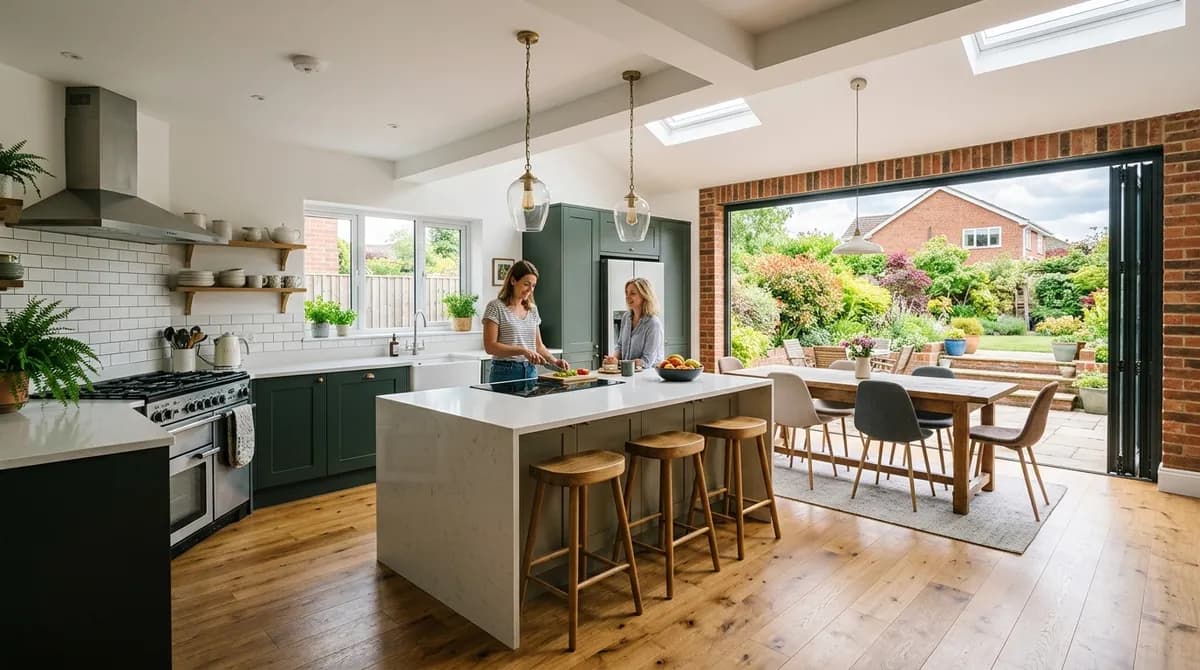
How to get your extension for less in Scotland
Use Permitted Development rights
If your extension qualifies under Permitted Development, you skip the full planning application - saving £200 to £500 in fees and potentially months of waiting. Check with your local council before assuming you need planning permission.
Get a fixed-price contract
Extensions are complex and costs can escalate. Insist on a fixed-price contract from your Scotland builder that covers all structural work, roofing, plastering, electrics, and plumbing. Vague quotes lead to expensive surprises.
Build during quieter months
Builders in Scotland are typically busiest from April to September. Starting your build in autumn or winter can sometimes get you a better price, though weather delays are more likely.
Frequently asked questions
How much does a house extension cost in Scotland?
Do I need planning permission for an extension in Scotland?
How long does it take to build an extension in Scotland?
Compare real quotes for your job
Prices move a lot with your postcode, the access on site and the spec you choose. Get up to 3 free quotes from vetted local tradespeople and see what yours actually comes to, with no obligation to book.