Electrician Cost & Electrical Work Guide 2026
How much does an electrician cost? Whether you need a full house rewire, a new consumer unit, extra sockets, or an EV charger fitted, this guide covers what the work involves, what Part P regulations mean for you, and how to make sure you are getting a fair deal. Electrician hourly rates sit between £40 and £60 across most of the UK.
Quick answer
How much does an electrician cost?
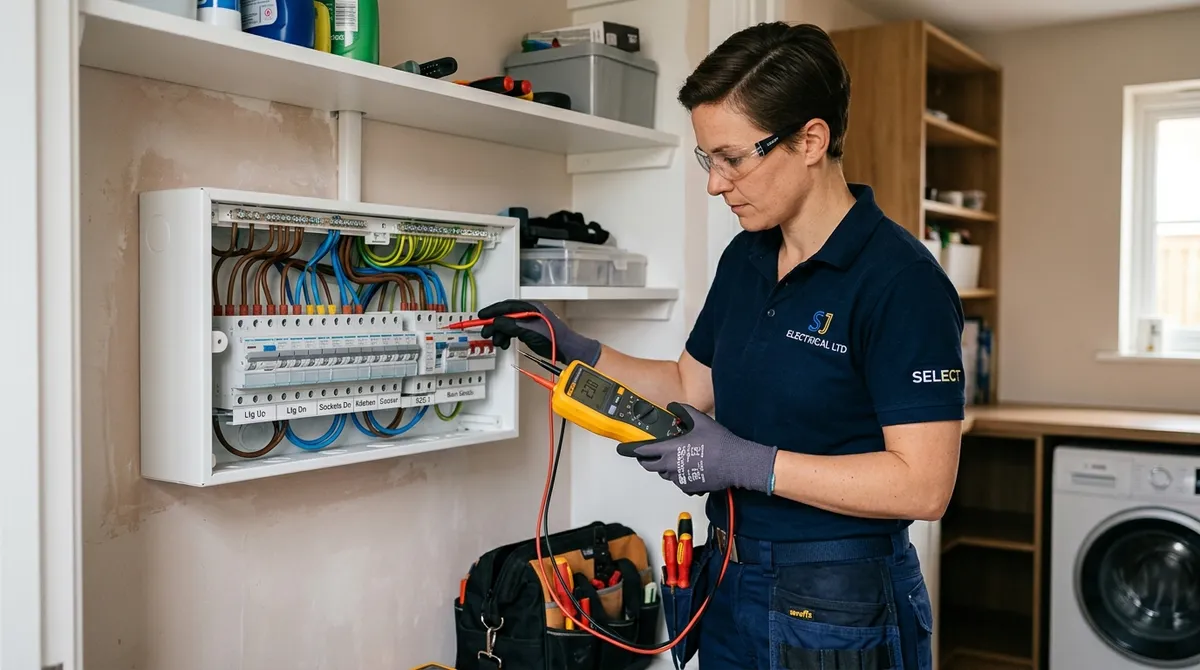
Most electricians charge £40 to £60 per hour, or £200 to £350 per day. A full house rewire costs £4,500 to £8,000 depending on the size of the property. A consumer unit replacement runs £350 to £600. Smaller jobs like adding a socket start from £80 to £150.
View the full electrical cost guideWhat does an electrician actually do?
Electricians handle everything from wiring a new socket to rewiring an entire house. Day to day, most domestic electricians split their time between fault-finding on existing installations, upgrading older systems to current standards, and fitting new circuits for extensions or renovations. Here is a typical scope:
Full and partial rewires - replacing old wiring (often rubber or lead-sheathed cable in pre-1960s houses) with modern twin-and-earth cable
Consumer unit (fuse board) upgrades - swapping old fuse boxes for modern RCD-protected units that trip instantly if something goes wrong
Lighting design and installation - downlights, outdoor lighting, smart lighting systems, and garden electrics
Testing and certification - Electrical Installation Condition Reports (EICRs), periodic inspections, and certificates for new work
EV charger installations - dedicated circuits for home car charging points, which need their own supply from the consumer unit
Things to think about before you hire
Part P registered vs not - and why it matters for house sales
Part P of the Building Regulations covers electrical safety in homes. If your electrician is registered with NICEIC, NAPIT, or ELECSA, they can self-certify their own work. If they are not registered, you will need to pay your local council for a Building Control inspection - which typically costs £250 to £400 on top of the job itself. When you come to sell your house, the buyer's solicitor will ask for electrical certificates. Missing paperwork can delay or derail a sale.
NICEIC, NAPIT, ELECSA - what these schemes actually mean
These are government-approved competent person schemes. Electricians registered with one of them have been assessed and are regularly inspected to ensure their work meets the current edition of BS 7671 (the Wiring Regulations). There is no practical difference between the three for homeowners - they all provide the same level of assurance. Just make sure your electrician is registered with at least one.
Getting an EICR first
An Electrical Installation Condition Report tells you the current state of your wiring. It grades every circuit as C1 (danger - immediate action needed), C2 (potentially dangerous - needs fixing), C3 (improvement recommended), or satisfactory. If you are not sure what work your house needs, an EICR is the place to start. It costs £150 to £300 and gives you a clear, prioritised list of what needs attention.
Rewire vs partial rewire
Not every older house needs a full rewire. If the main cables from the consumer unit to each floor are in good condition, you may only need a partial rewire - replacing the final circuits to sockets and lights on certain floors. A good electrician will tell you honestly which approach makes sense. Be wary of anyone who insists on a full rewire without first testing what you have got.
First fix vs second fix - timing during renovations
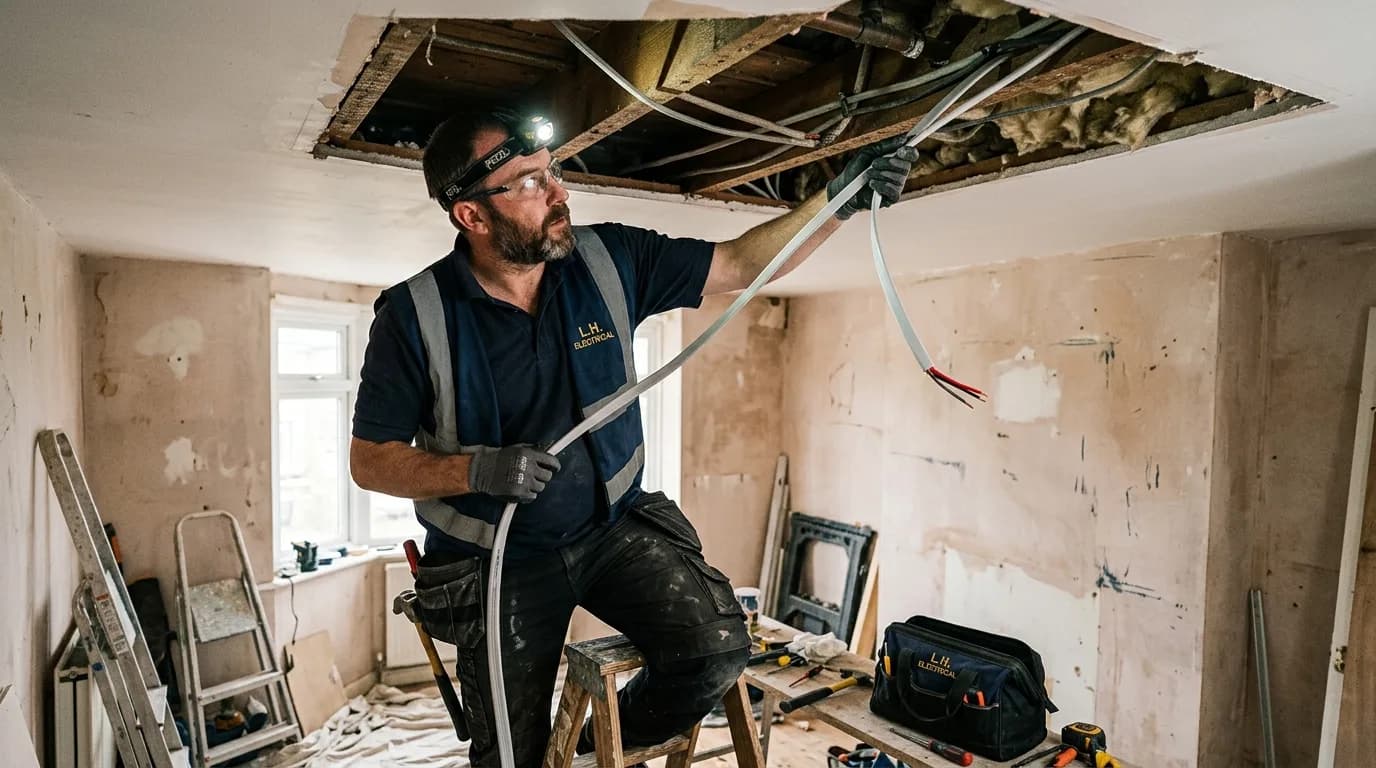
If you are having a kitchen or bathroom fitted, or building an extension, the electrical work happens in two stages. First fix goes in before the walls are plastered - running cables, fitting back boxes, and installing the supply. Second fix happens after plastering and decorating - fitting sockets, switches, lights, and final connections. Get your electrician and plasterer talking to each other early, or you will end up with cables in the wrong place.
How to find a good electrician
Check Part P registration
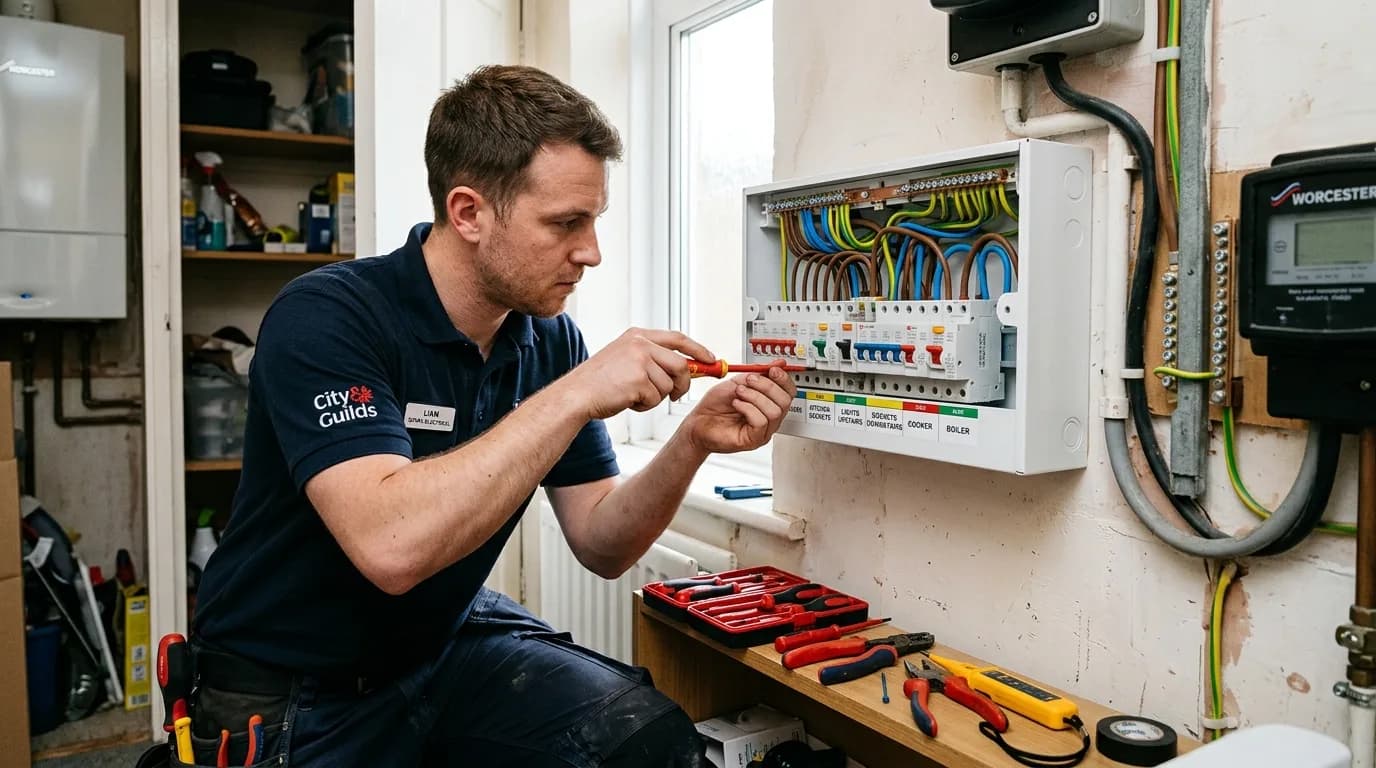
Before you talk price, check that the electrician is registered with NICEIC, NAPIT, or ELECSA. Each scheme has a free online search tool - enter the electrician's name or business and it will confirm their registration and what categories of work they are approved for. This takes 30 seconds and rules out a surprising number of chancers.
Get at least three quotes
Prices for the same job can vary by hundreds of pounds between electricians in the same area. Get written quotes from at least three. Make sure each one specifies the scope of work, materials, timescale, and whether testing and certification is included. A quote that just says 'rewire - £4,000' is not detailed enough.
Ask what is included
Will they chase cables into walls, or leave them surface-mounted? Will they make good the plaster afterwards, or is that your problem? Is testing and certification included in the price? What about lifting and replacing floorboards? These details make a big difference to the final cost and the state your house is left in.
Check insurance
Any electrician working in your home should have public liability insurance - £2 million minimum. This covers damage to your property and injury to anyone during the work. Ask to see their certificate of insurance before work starts. A professional electrician will not be offended by the question.
Get everything in writing before work starts
A written agreement should cover the scope of work, the price (fixed or estimated), payment schedule, start date, expected duration, and what happens if additional work is needed once they open up the walls. Even for smaller jobs, a brief email confirming the price and scope avoids arguments later.
Electrical guides
Common questions about hiring an electrician
How much does an electrician charge per hour in the UK?
Most electricians charge between £40 and £60 per hour, depending on where you live and the complexity of the work. In London and the South East, rates tend to sit at the higher end - £55 to £70 per hour is not unusual. Day rates typically run from £200 to £350. Always get a fixed quote for larger jobs rather than agreeing to an hourly rate, as the final bill can creep up quickly.
Do I need a Part P registered electrician?
For most electrical work in kitchens, bathrooms, and outdoors - yes. Part P of the Building Regulations requires that notifiable work is either carried out by an electrician registered with a competent person scheme (such as NICEIC, NAPIT, or ELECSA) or inspected and signed off by your local council's Building Control. Using a registered electrician is far simpler and cheaper than going through Building Control yourself.
How long does a full house rewire take?
A typical three-bedroom semi takes five to ten days depending on the condition of the existing wiring, how accessible the cables are, and whether you want the electrician to chase cables into walls and make good afterwards. A smaller flat might take three to four days. The first fix (running new cables) is the messy part - expect dust, lifted floorboards, and channels cut into plaster. Second fix (fitting sockets, switches, and lights) is much tidier.
Will I get a certificate after the work?
If the work is notifiable under Part P, your electrician must issue an Electrical Installation Certificate (EIC) and notify Building Control within 30 days. You should also receive a Building Regulations Compliance Certificate from your local authority. For smaller jobs that are not notifiable, you should still receive a Minor Electrical Installation Works Certificate. Keep all certificates safe - you will need them when you sell your home.
Can I do any electrical work myself?
You can replace like-for-like items such as light switches, sockets, and ceiling roses in most rooms without notification - provided you are competent and the circuit is dead. However, any work in kitchens, bathrooms, or outdoors, any new circuit installation, and any work involving a consumer unit must be carried out or certified by a Part P registered electrician. If in doubt, get a professional in. The consequences of getting it wrong range from a failed house sale to a house fire.
Quote service coming soon
Get free quotes from qualified electricians near you
Free, no obligation. We connect you with Part P registered electricians in your area. Read the cost guide first so you know what a fair price looks like.