How Much Does a Smart Home Cost in 2026?
A typical smart home system cost is £1,500 to £5,000 for a 3-bedroom house. Smart home installation cost starts from £200 if you use a professional, while a smart thermostat alone costs £150 installed. The price depends on how many rooms you kit out and whether you go for budget or premium brands. Here is the full breakdown.
£150
Thermostat from
£100
Lighting per room
£1,500
Full setup from
£200-£500
Pro install
Prices updated April 2026 · Based on industry data and contractor submissions.
Smart Home Prices
What smart home technology costs in 2026, broken down by device category. The Energy Saving Trust recommends smart thermostats as one of the best ways to cut heating bills. Most prices include supply and DIY or professional installation.
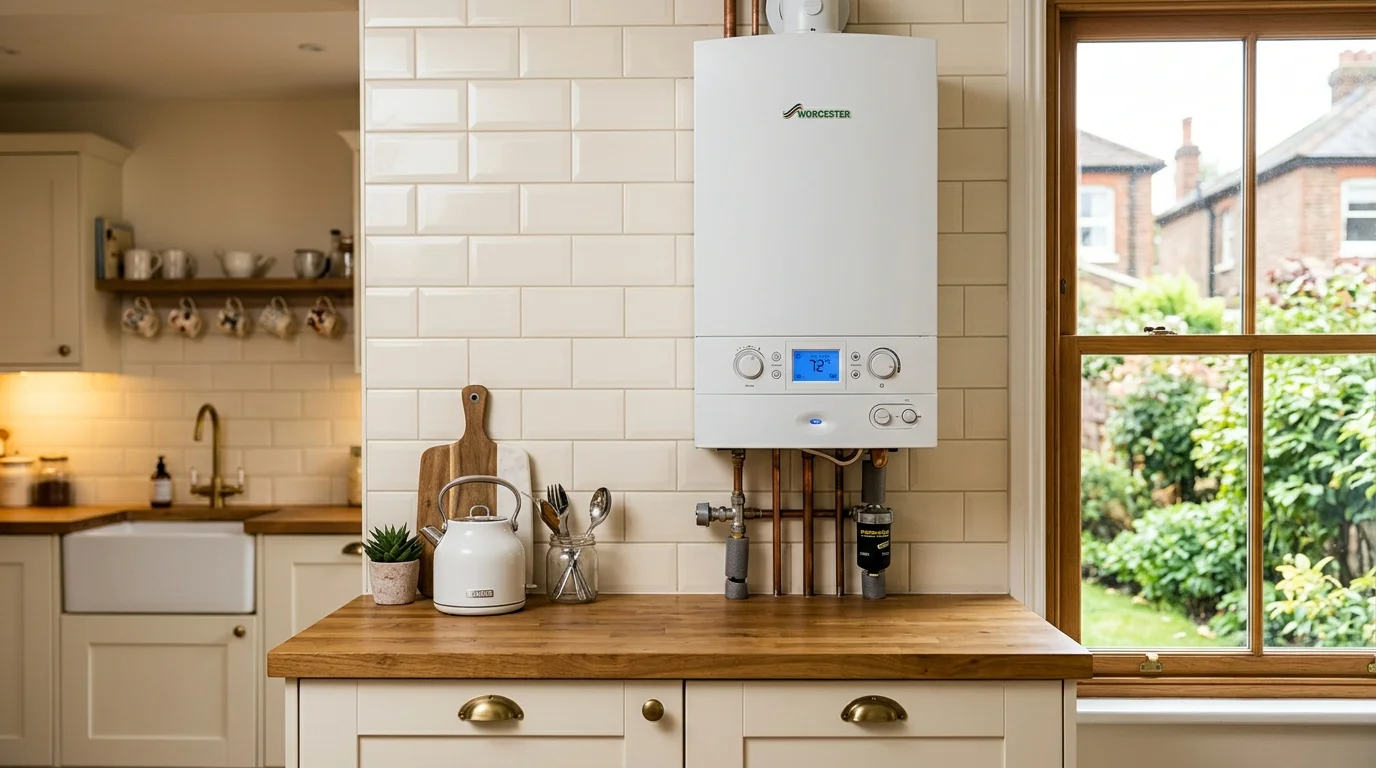
Smart thermostat (Hive/Nest/Tado)
Supply and professional installation, WiFi connected
£225
£150 - £300
Smart lighting (per room, 4 bulbs + hub)
Philips Hue, LIFX, or IKEA TRADFRI starter kit
£175
£100 - £250
Smart lock
Yale, Nuki, or August, fitted to existing door
£250
£150 - £350
Smart doorbell (Ring/Nest)
Video doorbell with two-way audio, DIY or fitted
£165
£80 - £250
Smart speakers (per room)
Amazon Echo, Google Nest, or Apple HomePod
£90
£30 - £150
Smart blinds (per window)
Motorised roller or venetian, app and voice control
£350
£200 - £500
Full smart home system (3-bed)
Thermostat, lighting, doorbell, speakers, lock, blinds
£3,250
£1,500 - £5,000
Professional installation and setup
Electrician or smart home installer, configuration
£350
£200 - £500
Get Free Smart Home Quotes
Compare prices from trusted local smart home installers near you. Fill in a few details and receive up to 4 free, no-obligation quotes.
What Affects Smart Home Installation Cost?
Smart home costs range from a few hundred pounds to several thousand. Here is what drives the price up or down.
Number of devices and rooms
A single smart thermostat and a couple of smart plugs costs under £300. Kitting out every room with smart lighting, speakers, sensors, and blinds pushes the total well past £3,000. The more rooms you want to automate, the higher the cost. Most people start with 2 to 3 key rooms and expand over time.
Brand tier
Budget smart plugs and bulbs from IKEA or own-brand ranges cost a fraction of premium systems from Philips Hue, Lutron, or Sonos. A single IKEA TRADFRI bulb costs about £7. A Philips Hue equivalent costs £15 to £20. Over a whole house, the brand choice makes a big difference. Budget brands work well for most people, but premium options tend to feel more polished and integrate more smoothly.
DIY setup vs professional installation
Most smart home devices are designed for DIY. If you are comfortable following an app, you can set up the majority yourself at no extra cost. Professional installation and configuration costs £200 to £500 and is worth considering for larger setups, smart wiring, or if you want everything properly configured from day one.
Whether existing wiring needs modification
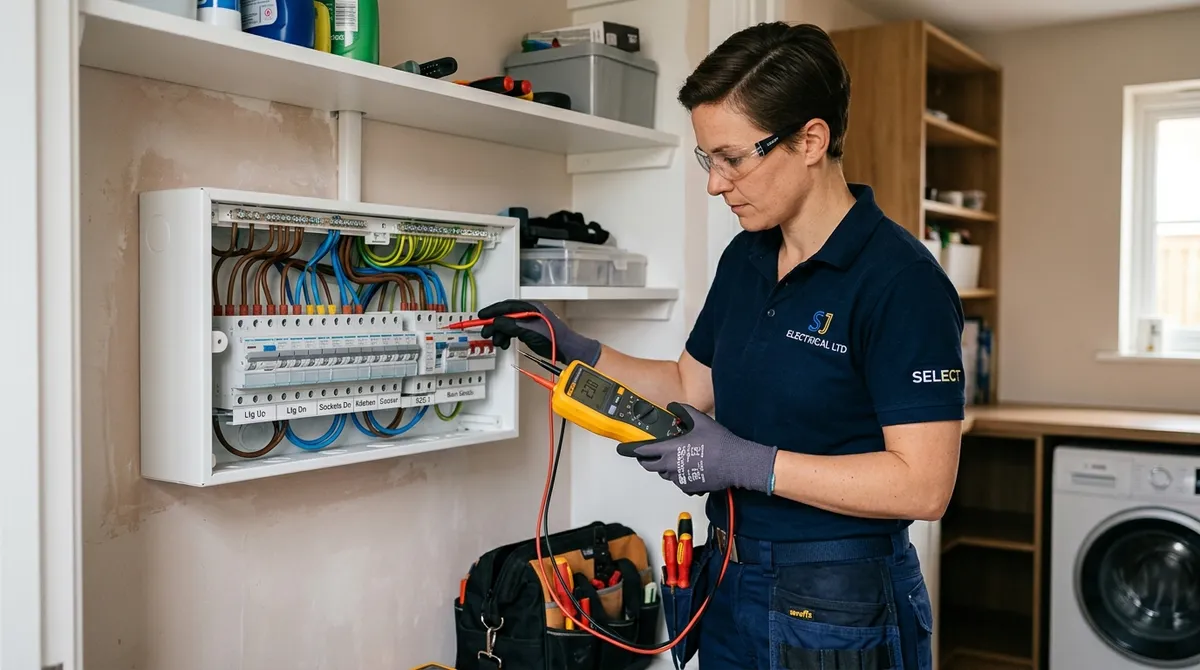
Plug-in devices like smart plugs, wireless bulbs, and battery-powered sensors need no wiring changes. But if you want hardwired smart light switches, a wired smart thermostat on a non-standard system, or new circuits for outdoor cameras, an electrician is needed. Wiring modifications can add £100 to £500 depending on the scope.
Hub requirements
Some smart devices connect directly to your WiFi and need no hub. Others use Zigbee or Z-Wave protocols and require a separate hub (£30 to £100). Hub-based systems are generally more reliable and do not clog your WiFi, which matters once you have 15 or more devices. A smart speaker like an Amazon Echo or Google Nest often doubles as a basic hub.
Ongoing subscription costs
Many smart devices work fully without a subscription. But some features are locked behind monthly plans. Ring video recording costs £3.49 to £8 per month per camera. Hive Live costs £3.99 per month. These costs add up over time, so factor them in when choosing devices. Eufy and Reolink cameras offer local storage with no monthly fees as an alternative.
Ongoing Costs
Monthly and annual costs to keep your smart home running. Which? reviews smart home devices regularly and flags which ones work well without paid plans. Most devices have no mandatory subscriptions.
| Item | Typical Cost |
|---|---|
| Ring Protect plan (per camera) | £3.49 - £8/month |
| Hive Live subscription | £3.99/month |
| Smart bulb replacement | £10 - £25 each |
| Smart lock batteries | £5 - £15/year |
| Electricity for all devices | £10 - £30/year |
Smart Home Costs by Region
Average total cost for a full smart home setup (3-bed house), professionally installed, by UK region.
| Region | Average Cost | vs National |
|---|---|---|
| London | £3,900 | +20% |
| South East | £3,575 | +10% |
| South West | £3,350 | +3% |
| Midlands | £3,250 | Average |
| East of England | £3,350 | +3% |
| Yorkshire | £2,950 | -9% |
| North West | £3,000 | -8% |
| North East | £2,850 | -12% |
| Scotland | £2,900 | -11% |
| Wales | £2,950 | -9% |
How to Get Your Smart Home for Less
Start with a smart thermostat and build from there
A smart thermostat gives the biggest return on investment of any smart home device. At £150 to £300 installed, it pays for itself within one to two years through heating savings. Once you have that in place, add devices gradually as your budget allows. There is no need to buy everything at once.
Buy during Black Friday and Amazon Prime Day
Smart home devices see some of the steepest discounts during sales events. Ring doorbells, Hive thermostats, Philips Hue bulbs, and smart speakers routinely drop 30% to 50% during Black Friday and Prime Day. A Philips Hue starter kit that normally costs £150 often goes down to £80 to £100. Plan your purchases around these dates and you will save hundreds across a full setup.
Use IKEA for budget smart lighting and blinds
IKEA TRADFRI smart bulbs start from about £7 each, compared to £15 to £20 for Philips Hue. The DIRIGERA hub costs around £50. IKEA FYRTUR smart blinds are roughly half the price of Lutron or Somfy equivalents. The quality is perfectly good for most homes, and they work with Alexa, Google, and Apple HomeKit.
Skip subscriptions where you can
Many smart devices work perfectly well without a paid subscription. Ring doorbells still show live video and send motion alerts without Ring Protect - you just lose the ability to save and replay recordings. Eufy and Reolink cameras store footage locally at no monthly cost. Smart thermostats have no subscriptions at all. Before signing up for any plan, check what the device does for free.
Have a smart thermostat fitted at 0% VAT before 2027
A smart thermostat counts as a central heating control on the government's energy-saving materials list, so when a VAT-registered installer supplies and fits one, the whole job is zero-rated for VAT until 31 March 2027. It goes up to 5% after that, and the standard rate is 20%, so the relief can take up to a fifth off the fitted price. It only applies when the installer supplies and fits it, not to a thermostat you buy over the counter and fit yourself, so if you are getting smart heating put in professionally, check the quote has the 0% rate applied rather than the usual 20%.
Put a big install on a credit card for free protection
A full smart home setup can run to several thousand pounds. If you pay any part of a bill over £100 and up to £30,000 by credit card, Section 75 of the Consumer Credit Act makes your card provider jointly liable if the installer goes under before finishing the job or the kit turns out faulty and they will not put it right. Putting just the deposit on the card covers the whole purchase, and it costs nothing extra as long as you clear the balance. Steer clear of paying large sums in cash up front, which leaves you with no comeback if things go wrong.
Comparing quotes is the simplest way to pay less
Getting three or four quotes and comparing them is how most homeowners avoid overpaying. It takes a couple of minutes, with no obligation.
Get my free quotesWhat to Expect: Setting Up a Smart Home
Whether you do it yourself or hire a professional installer, here is how a typical smart home setup works.
- 1
Assess current setup and connectivity
Check your broadband speed and WiFi coverage. A strong, reliable WiFi signal in every room is essential - if yours drops out in the back bedroom, a mesh WiFi system (£100 to £250) is worth adding before you start. Check which smart devices you already own, including any smart TVs or voice assistants.
- 2
Plan device placement
Decide which rooms get smart lighting, speakers, sensors, and controls. Start with the highest-impact devices - a smart thermostat saves the most money, a smart doorbell adds security and convenience. Work out which ecosystem you want (Alexa, Google, or Apple) and look for Matter-compatible devices to keep your options open.
- 3
Install hub and core devices
Set up the smart speaker or hub that acts as the central controller. Install the smart thermostat (budget £50 to £100 for a professional fit if you are not confident with wiring), doorbell, and locks. Most other devices are genuinely designed for DIY installation - follow the manufacturer app step by step.
- 4
Configure automations and routines
This is where the real convenience kicks in. Set your lights to dim at 9pm, your heating to drop when everyone leaves, your doorbell to announce visitors through your speakers, and your locks to auto-lock at midnight. Alexa Routines, Google Home Automations, and Apple Scenes all make this straightforward.
- 5
Testing and handover
Test every device from each room, check all automations trigger correctly, and make sure voice commands work reliably. If you used a professional installer, they walk you through the full system and explain how to add devices in the future. Save the login details for every app and device somewhere safe.
Frequently Asked Questions
How much does a full smart home cost?
A full smart home setup for a typical 3-bedroom house costs £1,500 to £5,000. This includes a smart thermostat (£150 to £300), smart lighting in the main rooms (£300 to £800), a smart doorbell (£80 to £250), a couple of smart speakers (£60 to £300), a smart lock (£150 to £350), and smart blinds in selected rooms (£400 to £1,500). You can start smaller and build up over time - a smart thermostat alone is worth the investment.
Is a smart thermostat worth it?
Yes, a smart thermostat is one of the best investments you can make. Hive, Nest, and Tado all cost £150 to £300 installed and typically save 10% to 25% on heating bills. For a household spending £1,200 a year on gas, that is a saving of £120 to £300 per year. Most people recoup the cost within one to two heating seasons. Smart TRVs (thermostatic radiator valves) add further savings by letting you heat individual rooms rather than the whole house.
Can I install smart home devices myself?
Most smart home devices are designed for DIY installation. Smart bulbs screw into existing fittings, smart plugs go between the socket and your appliance, and smart speakers just need plugging in. Smart doorbells and cameras mount with a few screws. Smart thermostats are a bit more involved - you need to swap out your existing thermostat, which means handling low-voltage wiring. If you are not comfortable with that, professional installation costs £50 to £100 for a thermostat. Smart locks and blinds are also straightforward if you follow the instructions.
Do I need a hub for smart home devices?
It depends on the device. Some smart bulbs and plugs connect directly to your WiFi and do not need a hub. Others use Zigbee or Z-Wave protocols and require a hub (like the Philips Hue Bridge or Samsung SmartThings). Hub-based systems are generally more reliable and do not clog your WiFi network, which matters when you have 20 or more devices. A smart speaker (Echo, Google Nest) often doubles as a basic hub. For a larger setup, a dedicated hub gives you better control and automation options.
What are the ongoing costs of a smart home?
Running costs are low. Smart devices add roughly £10 to £30 per year to your electricity bill. Some services have optional subscriptions - Ring Protect costs £3.49 to £8 per month for video recording, and Hive Live costs £3.99 per month for extra features. But many devices work perfectly well without subscriptions. The biggest ongoing cost is replacing batteries in wireless sensors and smart locks (roughly once a year, £5 to £15 per device). Smart bulbs last 15,000 to 25,000 hours, so replacements are rare.

Written by Chris Kervin, Co-Founder, Less.co.uk
Last updated: April 2026 · Pricing based on industry data and verified contractor submissions · Methodology
Part P Electrical Regulations
Part P electrical regulations. If your smart home installation involves any modification to fixed electrical wiring (such as hardwiring smart light switches, installing a wired thermostat, or adding new circuits), the work must be carried out or certified by a Part P registered electrician. Simple plug-in devices like smart plugs and wireless sensors do not require certification.