Smart Home Technology: Your Complete Guide
Smart home technology lets you control your heating, lighting, security, and more from your phone or voice assistant. You do not need to rewire your house or spend thousands, a smart thermostat alone can cut your heating bill by 10% to 25%. This guide covers what is worth buying, what it costs, and how to avoid expensive mistakes.
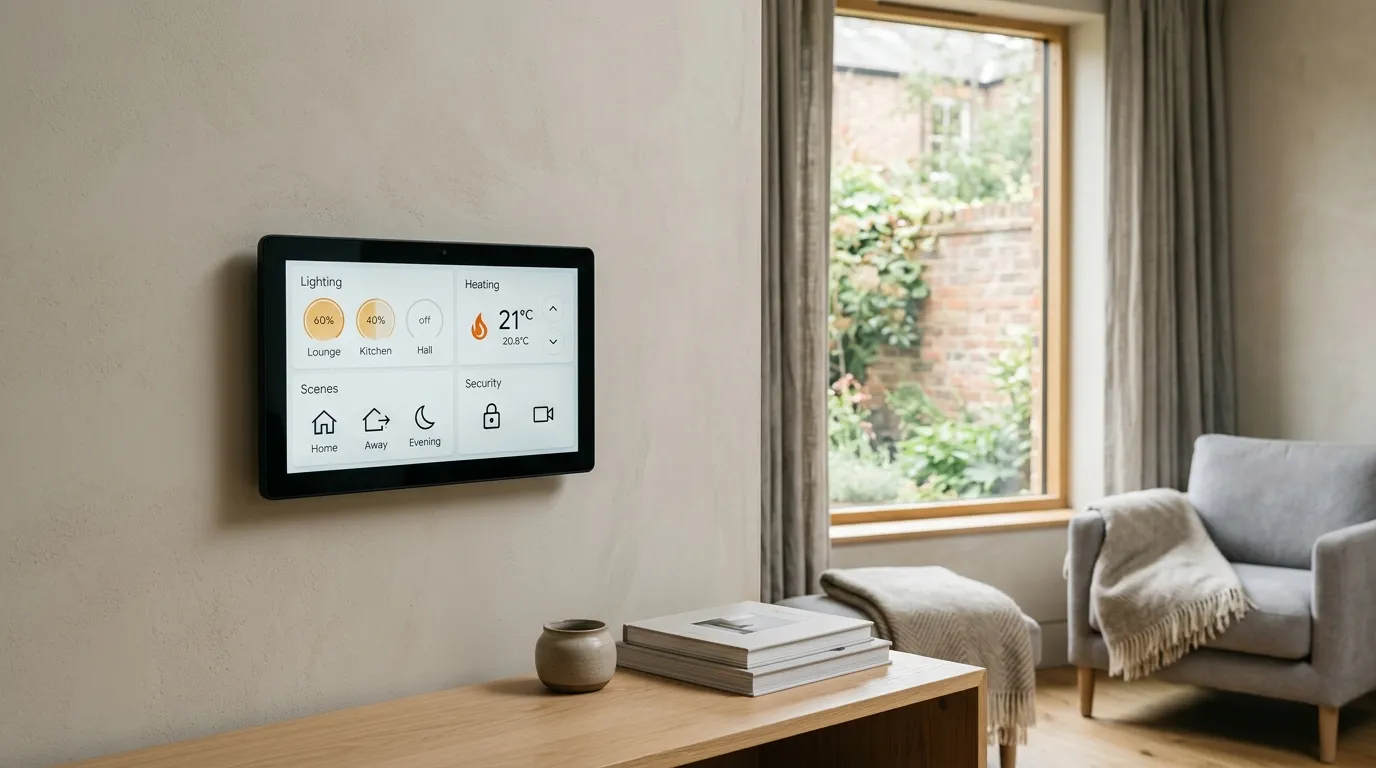
Smart home categories
Smart heating
Thermostats from Hive, Nest, and Tado replace your existing thermostat and let you control your heating from anywhere. Set schedules, adjust room temperatures individually with smart TRVs, and let the system learn your routine. Most people save 10% to 25% on their heating bill, more than enough to pay for the thermostat within a year or two.
Smart lighting
Smart bulbs from Philips Hue, LIFX, and IKEA TRADFRI screw into your existing fittings. Control them by app, voice, or automation, dim the lights at bedtime, turn everything off when you leave, or set colours to match your mood. A hub-based system (Hue, TRADFRI) is more reliable than WiFi bulbs, which can overwhelm your router if you have too many.
Smart security
Video doorbells (Ring, Nest), indoor and outdoor cameras (Arlo, Eufy), and smart alarm systems (Ring Alarm, Yale Sync) all connect to your phone. You see who is at the door, check live camera feeds, and get instant alerts if something triggers a sensor. Most work with Alexa and Google Assistant for voice control.
Smart speakers and displays
Amazon Echo and Google Nest speakers are the hub of most smart homes. They give you voice control over everything, play music, answer questions, and make calls. Smart displays (Echo Show, Nest Hub) add a screen for video doorbells, camera feeds, recipes, and video calls. Prices start from about £30 for a basic speaker.
Smart locks
Keyless entry via code, fingerprint, or phone. Yale, Nuki, and August are the main brands in the UK. You can let tradespeople in remotely, set temporary codes for guests, and see a log of who entered and when. Most fit over your existing lock cylinder, so you keep your physical key as a backup.
Smart blinds and curtains
Motorised blinds and curtains that open and close on a schedule or by voice command. IKEA FYRTUR and SwitchBot are the most affordable options. Lutron and Somfy are higher-end. They are particularly useful for hard-to-reach windows, skylights, or anyone with mobility issues.
Ecosystems compared
The three main ecosystems, and the new open standard that is changing the game.
| Feature | Alexa | Apple | |
|---|---|---|---|
| Device range | Widest, 100,000+ devices | Wide, 50,000+ devices | Narrower, fewer but curated |
| Entry price | From £25 (Echo Pop) | From £30 (Nest Mini) | From £100 (HomePod Mini) |
| Voice assistant | Alexa | Google Assistant | Siri |
| Privacy | Data stored in cloud | Data stored in cloud | Local processing where possible |
| Matter support | Yes | Yes | Yes |
| Best for | Widest compatibility, budget setups | Android users, Google services | iPhone users, privacy-focused |
Matter is a new open standard backed by all three companies. Matter-compatible devices work with Alexa, Google, and Apple simultaneously, so you are no longer locked into one ecosystem. Look for the Matter logo when buying new devices.
Smart home guides
Smart home cost guide
Full pricing for smart thermostats, lighting, locks, blinds, and complete setups. What to budget for a 3-bed smart home.
Boiler cost guide
New boiler prices, a smart thermostat works best with a modern, efficient boiler.
Burglar alarm cost guide
Smart alarm systems that integrate with your wider smart home setup.
CCTV cost guide
Smart cameras and video doorbells to complete your home security system.
Common questions
Which smart home ecosystem should I choose?
Amazon Alexa has the widest device compatibility and is the cheapest to get started with. Google Home works well if you already use Android and Google services. Apple HomeKit is the most privacy-focused and integrates tightly with iPhones and iPads, but has fewer compatible devices and tends to cost more. The new Matter standard is making this less of an issue, Matter devices work across all three ecosystems, so you are less locked in than before.
Do smart home devices use a lot of electricity?
Most smart home devices use very little power. A smart speaker draws about 2 to 4 watts on standby. A smart plug uses less than 1 watt. Smart bulbs use roughly the same energy as a standard LED bulb when on, plus a tiny amount on standby. A full smart home setup might add £10 to £30 per year to your electricity bill. The savings from smart heating controls alone, typically 10% to 25% on your heating bill, usually outweigh the electricity cost of running all your smart devices combined.
Do I need to rewire my house for a smart home?
No. Most smart home devices are designed to work with your existing wiring. Smart bulbs screw into standard fittings. Smart plugs go between the wall socket and your appliance. Smart thermostats replace your existing thermostat and use the same wiring. The only time you might need new wiring is for smart light switches (some require a neutral wire that older UK homes may not have at the switch) or for hardwired smart blinds. Wireless alternatives exist for both.
What happens to my smart home if the internet goes down?
It depends on the device. Smart lights controlled via a hub (like Philips Hue) will still work using the physical switch, but you lose app and voice control. Smart thermostats like Hive or Nest continue running on their last schedule. Smart locks still work with the keypad or physical key. Cloud-dependent devices like some cameras and doorbells may stop recording or sending alerts until the connection is restored. Devices that use local processing (Zigbee or Z-Wave hubs) are more resilient than cloud-only devices.
Getting the best deal on smart home installation
Get at least three written quotes for professional installation
If you are having smart home technology professionally installed, wired lighting systems, multi-room audio, or a full smart security setup, prices vary widely between installers. Always get at least three written quotes from installers registered with TrustMark, the government-endorsed quality scheme, and make sure each one details the specific hardware, the number of zones or rooms covered, any subscription costs, and whether programming and setup are included in the price. Comparing like for like stops you paying over the odds or ending up with a system that does not quite do what you expected.
Make your home smarter for less
Find out what smart home technology costs and where to start.
See 2026 prices