How Much Does an Electric Boiler Cost in 2026?
An electric boiler costs £1,500 to £4,500 to supply and install. Cheaper to fit than gas, but running costs are 3 to 4 times higher. Here is the honest picture.
£1,500-£4,500
Install cost
£2,200
Average install
£1,150-£2,580
Annual running
99-100%
Efficiency
Prices updated April 2026 · Based on industry data and contractor submissions.
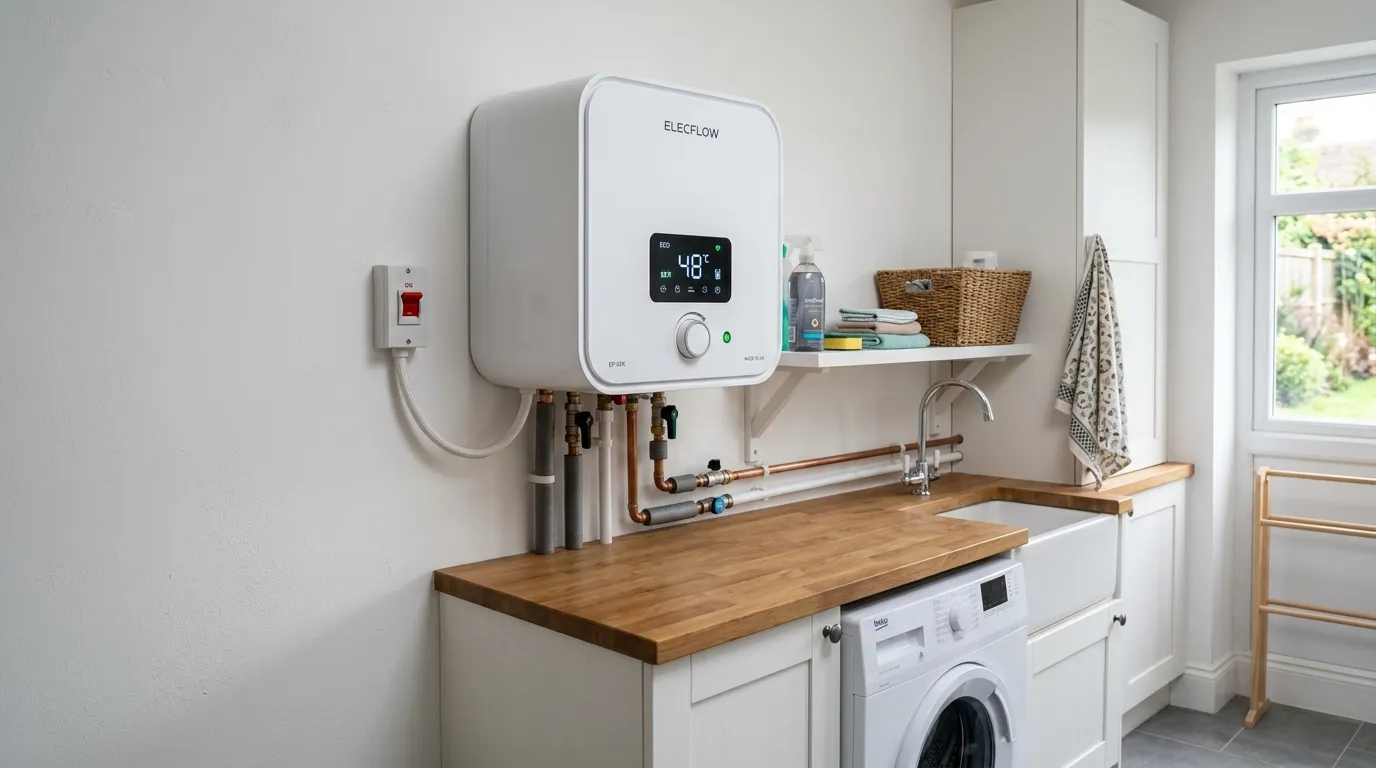
Part P electrical regulations apply. Electric boiler installation involves significant electrical work that must comply with Part P of the Building Regulations. Use a qualified electrician who is registered with a competent person scheme (such as NICEIC, NAPIT, or ELECSA) to self-certify the work. If the electrician is not registered, you will need to apply for Building Control approval from your local council, which adds cost and delay.
Electric Boiler Installation Prices
Electric boilers are cheap to buy and install. No flue, no gas pipework, simpler units. That is the good news. The bad news is the running costs, and we are not going to sugarcoat those further down this page.
Electric combi boiler (supply + install)
- Average cost
- £2,200
- Price range
- £1,500 - £3,000
Electric system boiler (supply + install)
- Average cost
- £2,500
- Price range
- £1,800 - £3,500
Electric storage boiler with cylinder
- Average cost
- £3,200
- Price range
- £2,500 - £4,500
Consumer unit upgrade (if needed)
- Average cost
- £450
- Price range
- £350 - £600
| Job | Average Cost | Price Range |
|---|---|---|
| Electric combi boiler (supply + install) | £2,200 | £1,500 - £3,000 |
| Electric system boiler (supply + install) | £2,500 | £1,800 - £3,500 |
| Electric storage boiler with cylinder | £3,200 | £2,500 - £4,500 |
| Consumer unit upgrade (if needed) | £450 | £350 - £600 |
Prices include the boiler unit, installation labour, and basic electrical connections. Consumer unit upgrades and gas boiler removal are extra where needed.
Running Costs: The Honest Truth
This is where electric boilers fall down. They are 99 to 100% efficient at point of use, which sounds brilliant on paper. The problem is simple: electricity costs roughly four times more per kWh than gas. Efficiency means nothing if the fuel itself is expensive.
For a typical three-bedroom house, you are looking at annual heating and hot water costs of £2,580 on a standard electricity tariff compared to around £640 for gas. That is nearly £2,000 a year more. Over a 10-year boiler lifespan, the cheaper installation cost is wiped out many times over by higher fuel bills.
Gas
- Cost per kWh
- 7p
- Annual heating
- £520
- Annual hot water
- £120
- Total per year
- £640
Electric (standard tariff)
- Cost per kWh
- 28p
- Annual heating
- £2,100
- Annual hot water
- £480
- Total per year
- £2,580
Electric (Economy 7 off-peak)
- Cost per kWh
- 12p
- Annual heating
- £900
- Annual hot water
- £250
- Total per year
- £1,150
Oil
- Cost per kWh
- 8p
- Annual heating
- £600
- Annual hot water
- £140
- Total per year
- £740
| Fuel Type | Cost per kWh | Annual Heating | Annual Hot Water | Total |
|---|---|---|---|---|
| Gas | 7p | £520 | £120 | £640 |
| Electric (standard tariff) | 28p | £2,100 | £480 | £2,580 |
| Electric (Economy 7 off-peak) | 12p | £900 | £250 | £1,150 |
| Oil | 8p | £600 | £140 | £740 |
Based on a typical 3-bedroom semi-detached house with average insulation. Energy prices based on Ofgem price cap rates as of early 2026. Actual costs depend on your home size, insulation, thermostat settings, and tariff.
Be realistic about running costs
The lower installation cost of an electric boiler can be tempting, but the running costs are what you will be paying every month for 10 to 15 years. On a standard tariff, an electric boiler costs roughly £1,940 more per year to run than gas. Over a 10-year lifespan, that is nearly £20,000 in extra fuel costs. Make sure you go in with your eyes open.
When Does an Electric Boiler Make Sense?
The running costs are high, but electric boilers genuinely make sense in certain situations. It depends on your property, what other energy options you have, and how much heat you actually need.
Small flats
A one or two-bedroom flat might only cost £800 to £1,200 a year to heat electrically. The gap between gas and electric shrinks in compact, well-insulated spaces. Electric boilers are also tiny compared to gas units, which matters when every cupboard counts.
Properties without a mains gas supply
Around 4 million UK homes are off the gas grid. If your alternatives are oil, LPG, or solid fuel, electric starts to look more competitive. No tank to fill, no deliveries to schedule, no fuel price swings. For some people, that simplicity is worth paying a bit more.
Well-insulated homes with low heat demand
A well-insulated home needs far less energy to stay warm. If your walls and loft are properly done, the running cost penalty of electricity is much smaller because you are simply burning through less of it. Add an off-peak tariff and the numbers start to work.
Off-grid properties where oil is not preferred
Rural homes without gas often rely on oil boilers. If you want to move away from oil for environmental or practical reasons (no more deliveries, no tank to maintain), electric is the simplest alternative. A heat pump is usually the better long-term investment, but an electric boiler is far cheaper to install and has no outdoor unit.
Properties with solar panels
If you already have or are planning solar panels, an electric boiler can use the free electricity they generate. A solar diverter sends surplus energy to your hot water cylinder. This will not eliminate your bills, especially in winter, but it significantly improves the annual running cost picture.
When Does an Electric Boiler NOT Make Sense?
In some situations, fitting an electric boiler would be a genuinely bad financial decision. If any of these apply, look at gas, a heat pump, or something else entirely.
Large, poorly insulated homes
A draughty four or five-bedroom Victorian house could need 20,000 to 30,000 kWh of heating a year. At 28p per kWh, that is £5,600 to £8,400 just for heating. Nobody can afford that. Sort the insulation first, then rethink what you heat with.
Properties with a mains gas supply
If you have gas, there is almost no reason to go electric. A gas combi costs about the same to install and a fraction of the price to run. The maths does not support it unless you are deliberately going off-gas for environmental reasons and want the simplest possible switch.
Homes on a standard electricity tariff with no plans to change
At 28p per kWh on a standard tariff, the running costs are brutal. No off-peak tariff, no solar panels? You are paying full whack for every unit of heat. Over 10 years, you will spend nearly £20,000 more than you would on gas.
Properties where a heat pump is feasible
An air source heat pump uses electricity but delivers 3 to 4 units of heat for every unit of electricity consumed. The installation cost is higher, but the Boiler Upgrade Scheme provides a £7,500 grant. Running costs end up similar to gas. If you have outdoor space for the unit and your home is reasonably well insulated, a heat pump is almost always a better long-term investment than an electric boiler.
Types of Electric Boiler
Three main types are available in the UK. Which one suits you depends on your property size and whether you can get an off-peak electricity tariff.
Electric combi boiler
£1,500 - £3,000 installedHeats water on demand, just like a gas combi. No hot water cylinder needed, so it takes up very little space. Best for small flats and properties with one bathroom. Limited hot water flow rate means it struggles if two taps are running at once.
Electric system boiler
£1,800 - £3,500 installedWorks with a separate hot water cylinder to store heated water. Better for homes with multiple bathrooms because the cylinder provides a reservoir of hot water. Takes up more space than a combi but delivers a stronger flow to multiple outlets.
Electric storage boiler (off-peak)
£2,500 - £4,500 installedDesigned to heat a large cylinder of water overnight using cheaper off-peak electricity (Economy 7 or Economy 10 tariff). The stored hot water is then used throughout the day. This is the most cost-effective way to run an electric boiler, but you need the space for a large cylinder and you need to manage your usage so you do not run out of hot water before the next off-peak period.
Popular UK brands
The most established electric boiler brands in the UK are Heatrae Sadia (part of Baxi, widely regarded as the market leader), Elnur (Spanish manufacturer with a strong UK presence), Electric Heating Company (UK-based, known for the Comet range), and Comet. Stick with known brands that have UK-based service support and readily available spare parts.
What Affects the Installation Cost?
Here is why some electric boiler installations cost £1,500 and others cost £4,500.
Type of electric boiler
A simple electric combi boiler is the cheapest option. System boilers and storage boilers with a hot water cylinder cost more upfront but can take advantage of off-peak tariffs to reduce running costs.
Output size (kW)
Electric boilers typically range from 4kW to 14kW. A small flat might only need a 6kW unit, while a larger property needs 12-14kW. Higher output boilers cost more to buy, and your electrical supply needs to handle the load.
Consumer unit and wiring
Electric boilers draw a lot of current. If your consumer unit (fuse box) cannot handle the extra load, you will need an upgrade at £350 to £600. Older properties with dated wiring may need additional electrical work.
Removing an existing gas boiler
If you are switching from gas to electric, the old boiler needs decommissioning and removing. A Gas Safe engineer must cap off the gas supply. This adds £150 to £300 to the total cost.
Location and access
One advantage of electric boilers is their flexibility. They do not need a flue or external wall, so they can go almost anywhere. But tight spaces, loft installations, or long pipe runs will still add to labour costs.
Brand and warranty
Premium brands like Heatrae Sadia cost more upfront but come with longer warranties and better build quality. Budget models from lesser-known manufacturers may save you money initially but could cost more in repairs down the line.
How to Get Your Electric Boiler for Less
With electric boilers, the real savings are not on the installation. They are on the running costs. Every penny you can shave off your per-kWh rate makes a big difference over 10+ years.
Switch to an Economy 7 or Economy 10 tariff
If you have a storage boiler with a hot water cylinder, you can heat your water overnight on a cheaper off-peak tariff. Economy 7 electricity costs roughly 12p per kWh instead of 28p. That alone could cut your annual heating bill by more than half compared to a standard tariff.
Insulate your home first
This is not optional if you are going electric. With electricity costing four times as much as gas per kWh, every bit of wasted heat costs you far more. Loft insulation, cavity wall insulation, and decent draught-proofing will reduce how much energy your boiler needs to produce in the first place. It is the single biggest thing you can do to make electric heating affordable.
Pair with solar panels
Solar panels generate free electricity during daylight hours. With a solar diverter, surplus energy goes straight into your hot water cylinder instead of being exported to the grid. This will not cover all your heating in winter, but it makes a genuine dent in annual running costs and improves the overall economics of going electric.
Get at least three quotes and compare carefully
Electric boiler installation costs vary a lot between electricians. Get written quotes from at least three qualified installers. Make sure each quote specifies the boiler brand and model, output (kW), whether a consumer unit upgrade is included, and the warranty length. Do not just go with the cheapest if it means a no-name brand with a short warranty.
Consider a heat pump instead
If you are moving away from gas, an air source heat pump uses electricity but is 3 to 4 times more efficient than a direct electric boiler. The upfront cost is higher (£8,000 to £14,000), but the Boiler Upgrade Scheme offers a £7,500 grant towards installation. Long-term running costs are comparable to gas. It is worth getting quotes for both before committing.
Useful resources
- Building Regulations Part L, Energy efficiency requirements for boiler installations
- Energy Saving Trust: Electric heating, Independent advice on electric heating options
- Ofgem, Compare energy tariffs and check your rights as an energy consumer
What to Expect: The Electric Boiler Installation Process
An electric boiler installation typically takes a day, though consumer unit upgrades can add time. Here's how the job usually works.
- 1
Electrical supply assessment
An electrician checks your consumer unit and incoming supply to confirm it can handle the boiler’s power draw (typically 12-15kW). If the supply is insufficient, a consumer unit upgrade or main fuse upgrade may be needed before installation can proceed.
- 2
Boiler location and pipework planning
The installer surveys the property and plans the boiler location. Electric boilers do not need a flue or gas supply, so they can go almost anywhere with a water connection. The pipework routes to the heating circuit and hot water cylinder are mapped out.
- 3
Old heating system removed (if applicable)
If replacing a gas boiler, the old unit is disconnected, the gas supply is capped, and the boiler is removed. Existing radiator pipework is usually retained and connected to the new electric boiler.
- 4
Electric boiler fitted and wired
The new boiler is wall-mounted and connected to the heating and hot water pipework. A dedicated electrical circuit is run from the consumer unit to the boiler by a Part P-qualified electrician. Controls and a programmer are fitted.
- 5
Commissioning and testing
The system is filled, pressurised, and bled. The installer runs through the heating and hot water cycles to check everything works correctly. You receive a commissioning certificate and the electrical work is notified to Building Control.
Frequently Asked Questions
How much does an electric boiler cost to install?
An electric combi boiler costs £1,500 to £3,000 including supply and installation, with the average sitting around £2,200. Electric system boilers run £1,800 to £3,500, and storage boilers with a hot water cylinder cost £2,500 to £4,500. Installation is generally cheaper than gas because there is no flue or gas pipework to fit.
Are electric boilers cheaper to run than gas?
No. Electric boilers are significantly more expensive to run than gas. Electricity costs roughly 28p per kWh on a standard tariff compared to about 7p per kWh for gas. A typical three-bedroom home could pay £2,580 a year to heat with electricity versus around £640 with gas. You can reduce this with an Economy 7 off-peak tariff, but it will still cost more than gas in most cases.
Do electric boilers need a Gas Safe engineer?
No. Electric boilers do not require a Gas Safe or OFTEC registered engineer. However, the electrical work involved must be Part P compliant, which means it needs to be carried out or certified by a qualified electrician. You may also need a consumer unit upgrade if your existing electrics cannot handle the load.
Who are electric boilers best suited for?
Electric boilers work well for small flats, properties without a mains gas supply, well-insulated homes with low heat demand, and off-grid properties where oil delivery is inconvenient. They are compact, quiet, and 99-100% efficient at point of use. They are not a good choice for large or poorly insulated homes where the running costs would be extreme.
Can solar panels offset electric boiler running costs?
Yes, to a degree. Solar panels can generate free electricity during daylight hours, which reduces what you draw from the grid. Combined with a hot water cylinder and a solar diverter, you can heat your water for free on sunny days. However, solar output drops significantly in winter when heating demand is highest, so panels alone will not cover all your costs. They do make the overall economics of an electric boiler more favourable though.

Written by Chris Kervin, Co-Founder, Less.co.uk
Last updated: · Pricing based on industry data and verified contractor submissions · Methodology
Thinking about going electric? Get quotes first.
Compare free quotes from qualified electricians near you. Get honest advice on whether an electric boiler is the right choice for your home, or whether a heat pump or gas boiler would serve you better.
Get Free QuotesFree, no obligation · Local electricians · Qualified professionals only
More home improvement costs
Compare real quotes for your job
Prices move a lot with your postcode, the access on site and the spec you choose. Get up to 3 free quotes from vetted local tradespeople and see what yours actually comes to, with no obligation to book.