How Much Does Garden Design Cost in 2026?
A simple consultation and sketch plan starts from around £200 to £500. A full garden redesign with planting plan and hard landscaping layout typically costs £500 to £1,500, rising to £3,000+ if you want 3D visualisations. Landscape gardener day rates run £150 to £350 per day depending on the trade and your location.
£500
Simple plan from
£2,000
Full redesign from
£200 to £400
Designer day rate
£150 to £250
Landscaper day rate
Prices updated April 2026 · Based on industry data and contractor submissions.
Garden Design Prices at a Glance
Prices below cover design fees and landscape gardener day rates. Build costs (paving, planting, fencing) are separate, see the section below.
Consultation and sketch plan
Initial site visit, rough layout drawing, ideas discussion
£350
£200 to £500
Full garden design
Detailed planting plan and hard landscaping layout
£900
£500 to £1,500
Design with 3D visualisation
Full plan plus rendered 3D images of the finished garden
£2,000
£1,500 to £3,000
Design and project management
Full design plus overseeing contractors through the build
£4,000
£3,000 to £5,000+
Landscape gardener day rate (labourer)
Groundwork, planting, general garden labour
£200
£150 to £250/day
Landscape gardener day rate (skilled)
Paving, hard landscaping, project lead
£275
£200 to £350/day
Day rates are for labour only. Materials, plants, and skip hire are additional. Rates are higher in London and the South East.
What Does a Garden Designer Actually Do?
A garden designer's job is to translate your ideas, lifestyle, and budget into a plan that works. A good one will make your garden look like it has always been there, not like a collection of things someone put in last year.
Site survey and soil analysis
Before drawing anything, a designer will visit your garden, take measurements, and assess the soil type, drainage, aspect (which way it faces), and any features worth keeping. Some will take soil samples to check pH and structure, particularly important if you want to grow specific plants.
Planting plan
A detailed list of plants, including species, position, spacing, and season of interest, to make sure the garden looks good year-round and suits your maintenance level. A good designer will spec plants appropriate to your soil and climate, not just the ones they fancy.
Hard landscaping layout
Scale drawings showing where the patio, paths, raised beds, fencing, and any structures go. This is the document your landscaper will build from, the more detailed it is, the more accurate their quote will be.
Drainage plan
Particularly important for gardens on clay or with a slope. Getting drainage right at the design stage avoids expensive remedial work later. The designer will specify soakaways, French drains, or permeable surfaces where needed.
Lighting plan
Not all designers include this, but a lighting plan shows where wiring runs should go before surfaces are laid. Getting cables in at groundwork stage costs a fraction of what it costs to retrofit later.
Garden Designer vs Landscape Gardener: What's the Difference?
The two roles often get conflated, but they are quite different, and many projects benefit from using both.
Garden Designer
- ✓Creates the plan, drawings, planting lists, layout
- ✓Often has horticultural or design qualifications
- ✓May offer project management during the build
- ✓Typically does not do the physical work themselves
Landscape Gardener
- ✓Does the build, paving, planting, turfing, fencing
- ✓Many offer basic design as part of their service
- ✓Typically more pragmatic about what works on site
- ✓Design quality varies, less specialist than a designer
The best approach for most projects: hire a dedicated designer for the plan (especially if you want a considered planting scheme), then take that plan to two or three landscape gardeners for build quotes. This way you get a professional design and proper price competition on the build.
What Affects the Cost of Garden Design?
Garden size and complexity
A small courtyard with straightforward geometry costs less to design than a large, irregularly shaped plot with levels, existing mature trees, and multiple zones. Designers typically charge per project for smaller gardens and per day for larger ones.
Level of detail in the drawings
A sketch plan and plant list is cheaper than a full CAD-drawn design with construction details and 3D visualisations. If your landscaper needs exact dimensions and specifications to build accurately, detailed drawings earn their cost back quickly in fewer surprises on site.
Access and topography
Sloped gardens, awkward access, or sites with drainage challenges require more time to survey and design. A flat, open rectangular garden is straightforward to plan; a terraced garden with existing structures and level changes is significantly more involved.
Features to remove or retain
If there are existing trees with TPOs (Tree Preservation Orders), structures, or underground services, the designer needs to work around these carefully, and may need to commission surveys before they can finalise the plan.
Project management
If your designer oversees the build, visiting site, reviewing contractors' work, resolving problems, this adds significantly to the cost but removes a lot of stress from you. For complex projects or if you have limited time, it can be well worth paying for.
Popular Garden Styles in the UK
Picking a style before you brief a designer helps enormously, it gives them a clear direction and prevents the garden ending up as a bit of everything and not much of anything.
Low-maintenance
Gravel, shrubs, and perennials that look after themselves. Popular with busy households and rental properties. Lower ongoing cost, but the initial planting needs to be right.
Cottage garden
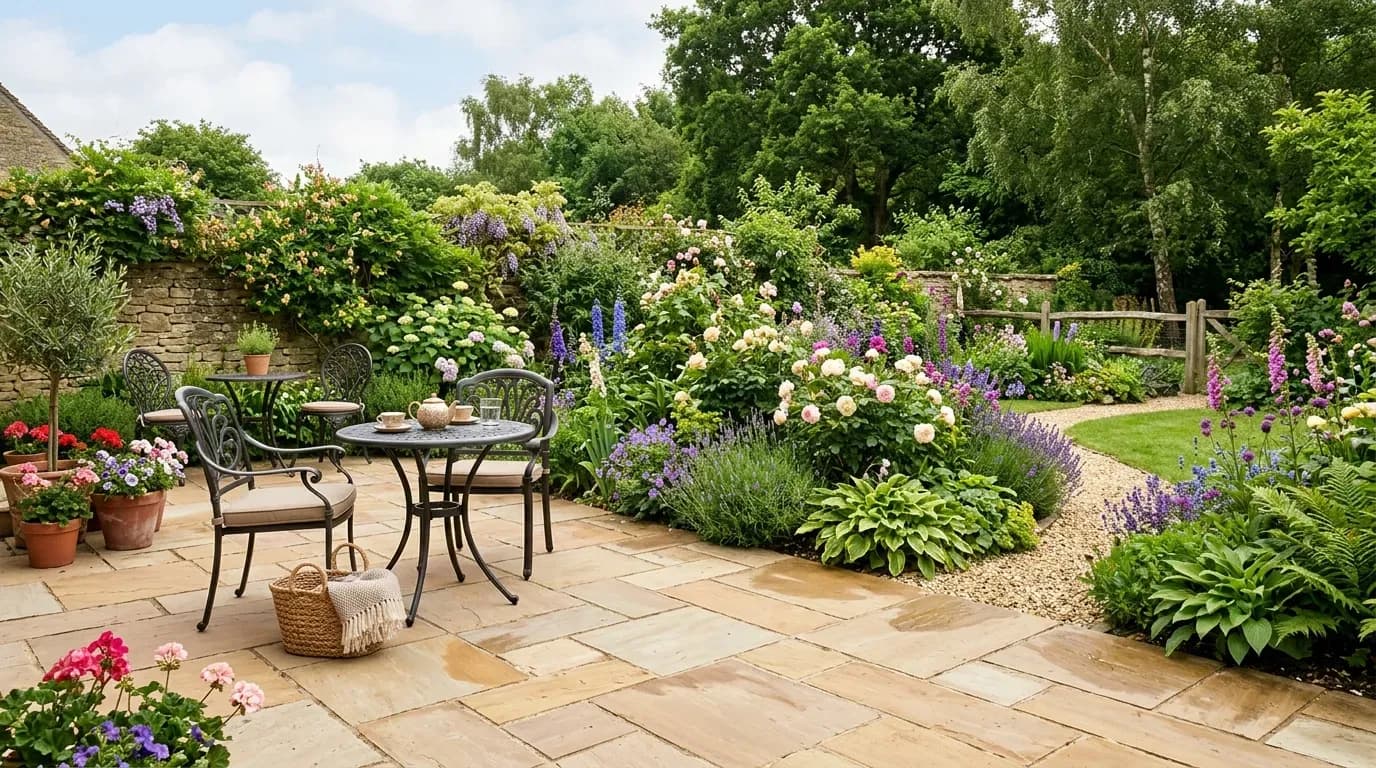
Informal planting, climbing roses, winding paths. Quintessentially British and wonderful when done well. Requires more maintenance than structured gardens.
Contemporary
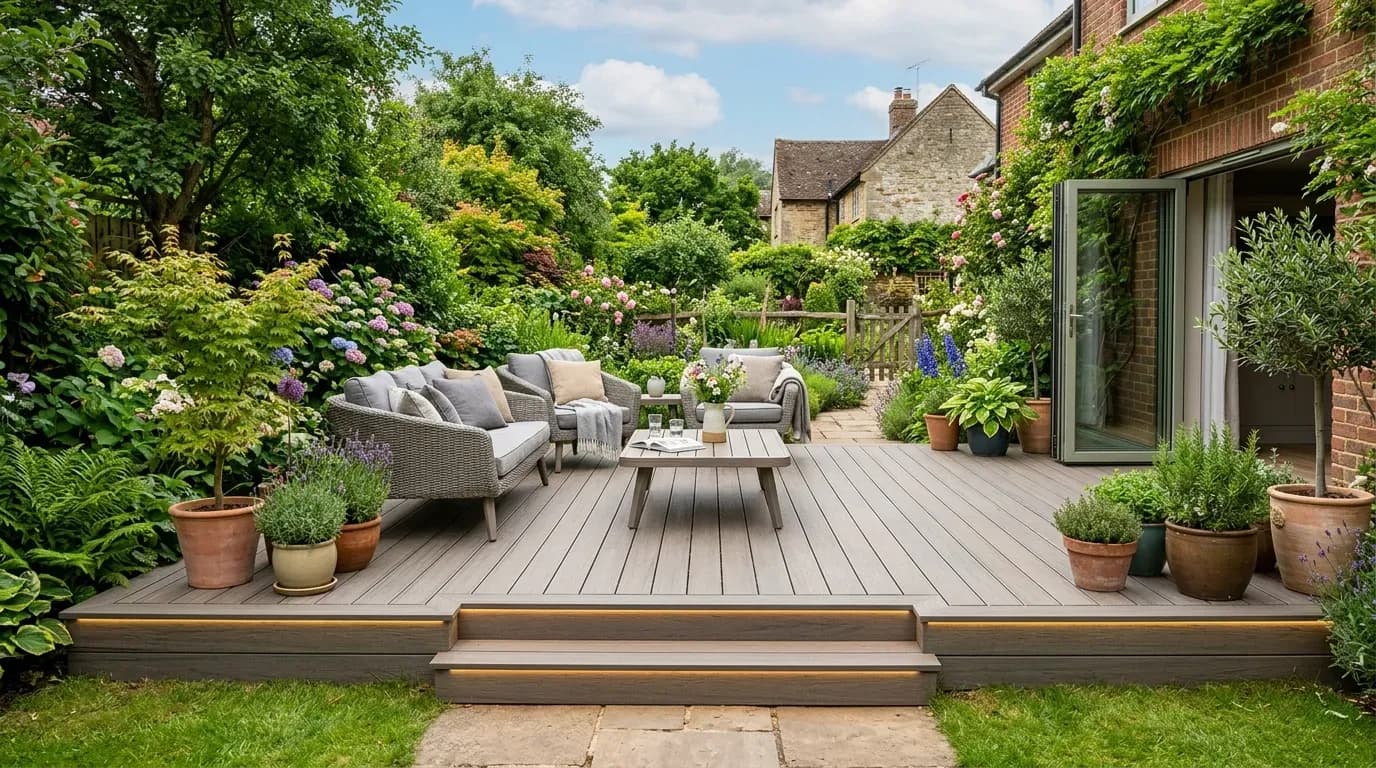
Clean lines, architectural planting, natural stone and timber. Works well with modern houses. Usually the most expensive to build due to precise construction and premium materials.
Family-friendly
Robust lawn, soft surfaces, space for a trampoline and shed. Practical now and easy to evolve as children grow. Focus on durable materials and good zoning.
Wildlife garden
Native planting, pond, log piles, wildflower meadow. Lower cost than manicured designs and genuinely better for pollinators. Works particularly well in larger gardens.
Small courtyard
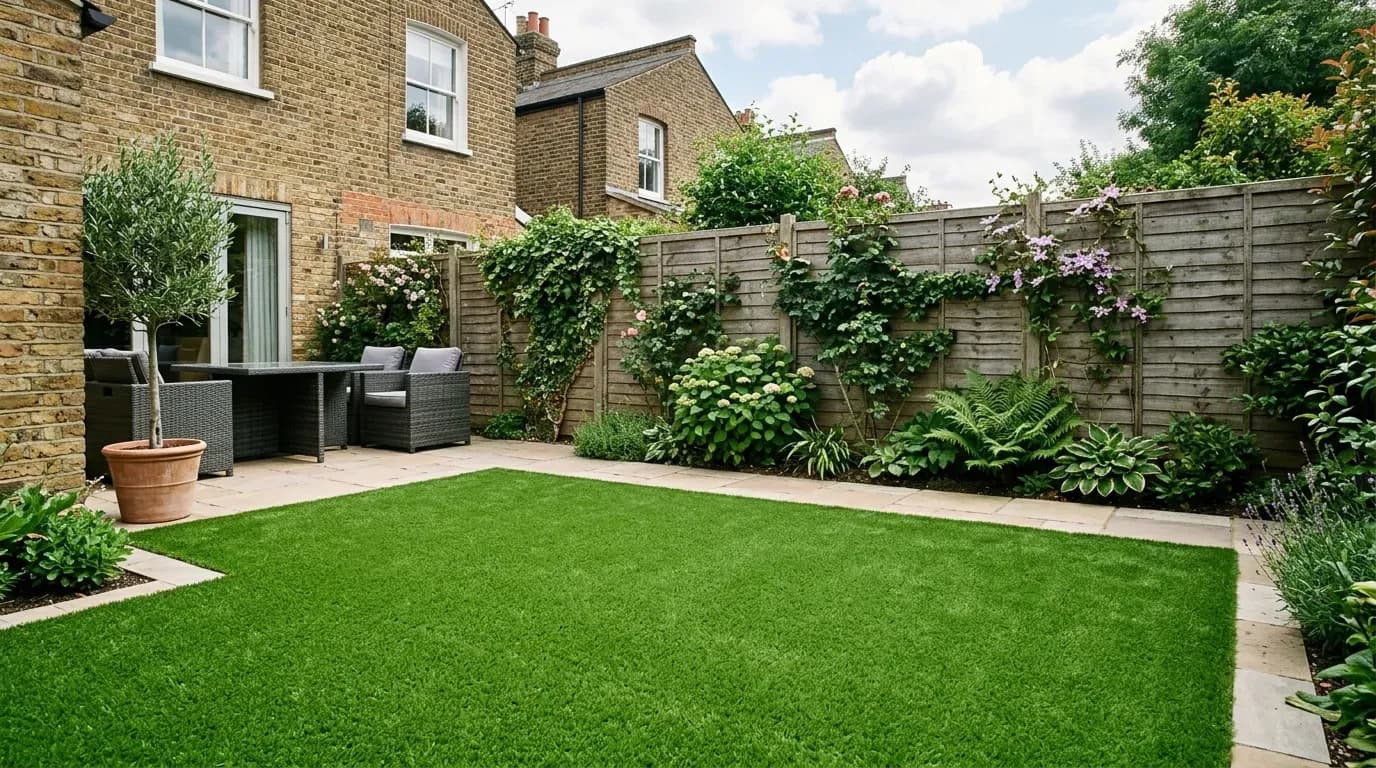
Designed for townhouse back gardens and small urban plots. Focus on vertical planting, raised beds, and quality hard landscaping that makes the space feel bigger.
Budget for the Build: Separate from Design
Design fees are just the start. The build, laying paving, installing fencing, planting borders, laying turf, is where most of the money goes. Here is what to budget for common elements.
| Element | Typical Cost |
|---|---|
| Paving / patio | £50 to £100 per m² |
| Planting scheme | £30 to £80 per m² |
| Lawn (turf, laid) | £10 to £20 per m² |
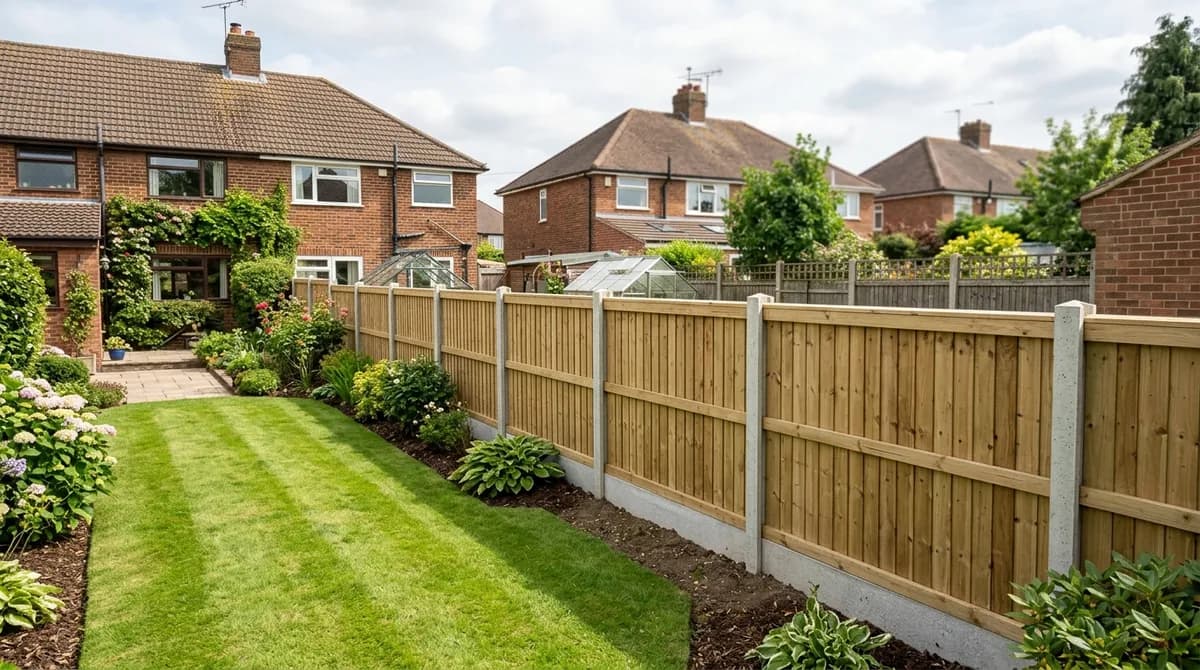
| Fencing (closeboard) | £50 to £80 per metre run |
| Raised beds (timber) | £200 to £600 each |
| Outdoor lighting (wired) | £150 to £400 per point |
Typical total for a medium garden: Add up design (£500 to £1,500), paving a 30m² patio (£1,500 to £3,000), fencing (£800 to £2,000), planting (£1,000 to £2,500), and a new lawn (£600 to £1,800), and most medium gardens cost £5,000 to £12,000 to redesign fully. See our full landscaping cost guide for a detailed breakdown.
How to Brief a Garden Designer
The better your brief, the better the design you will get. Designers are not mind-readers, tell them what you actually need.
- 1
Show them gardens you like
Save photos from Instagram, Pinterest, or the RHS website. Even if your garden is completely different in style or size, images are the fastest way to communicate a feeling or an aesthetic. 'I like this' is worth more than a paragraph of description.
- 2
Be honest about your budget
Designers can design within almost any budget, but only if they know what it is. Saying 'as cheap as possible' produces a vague brief. Saying 'I have £8,000 for design and build combined' gives them something real to work to. Most designers would rather scale the project than produce something you cannot afford to build.
- 3
Tell them how you actually use the garden
Do you want to eat outside? Grow vegetables? Have space for children to play? Keep chickens? A garden that works for your life is more valuable than a beautiful one that does not. Include any constraints too, dogs that dig, a neighbour who overlooks, a wall that cannot be touched.
- 4
Be realistic about maintenance
A high-maintenance garden is beautiful in photos but a burden if you are not a keen gardener. Tell your designer honestly how many hours a week you are willing to spend, and whether you plan to pay someone to maintain it. This should drive the planting choices significantly.
- 5
Mention pets and children
Some plants are toxic to dogs and cats, a good designer will avoid these automatically if you tell them. The RHS has a useful guide to potentially harmful plants. Similarly, hard surfaces around a trampoline or play area need soft-fall zones and edges that will not cause injury.
How to Get Your Garden Designed for Less
Good garden design does not have to be expensive. A few smart decisions at the start can save you a significant sum.
Always get three quotes, and compare scope carefully
This is the single most effective thing you can do. Garden design and landscaping quotes vary wildly, not just on price but on what's included. One quote might include all plants; another might be labour only. Ask each person to break down their costs so you are genuinely comparing like for like.
Pay for the design, then get separate build quotes
A common mistake is getting design and build bundled together from one company. Instead, pay a designer £500 to £1,500 for a proper plan, then take that plan out to three landscapers for build quotes. You get a better design and real market competition on the build cost. It usually more than pays for itself.
Phase the work to spread costs
You do not have to do everything at once. Start with the hard landscaping, patio, paths, fencing, in year one, then add planting and lawn the following spring. Phasing also gives you time to live in the garden and make sure the layout actually works before you commit to expensive planting.
Do the planting yourself
If your designer provides a detailed planting plan with species and quantities, you can buy the plants yourself and do the planting yourself. It is genuinely achievable even for beginners and can save several hundred pounds. Landscape gardeners typically mark up plants by 20 to 40%.
What to Expect: The Garden Design Process
From the first site visit to planting day, a full garden redesign typically takes 4 to 8 weeks. Here's what each stage involves.
- 1
Initial consultation and site survey
The garden designer visits your property to measure the space, assess soil type, drainage, sunlight, and existing features. You discuss your wish list, budget, and how you use the garden.
- 2
Concept design and plans
The designer produces a scaled plan showing proposed layout, planting zones, hard landscaping, and key features. Most designers present two or three concept options for you to choose from.
- 3
Detailed planting and materials plan
Once a concept is approved, a detailed plan is drawn up specifying exact plant species, paving materials, fencing, lighting, and any water features or structures.
- 4
Hard landscaping installation
Landscapers carry out groundwork first, laying patios, paths, decking, retaining walls, and drainage. This is the heaviest and messiest phase of the project.
- 5
Planting and soft landscaping
Topsoil is prepared and plants, shrubs, trees, and turf are installed according to the planting plan. Irrigation systems are fitted if specified.
- 6
Final touches and handover
Garden lighting, furniture, and decorative features are positioned. The designer walks you through a maintenance schedule to keep your new garden looking its best.
Frequently Asked Questions
How much does garden design cost in the UK?
Garden design costs vary from around £200 to £500 for a basic consultation and sketch plan, up to £3,000 or more for a full design with 3D visualisation. A comprehensive planting plan and hard landscaping layout for a medium-sized garden typically costs £500 to £1,500. If you add project management to oversee the build, expect to pay £3,000 to £5,000+.
What is the difference between a garden designer and a landscape gardener?
A garden designer plans the garden, they produce a detailed drawing showing planting, paving, and features. A landscape gardener (or landscaper) builds it, they do the physical work of constructing patios, laying turf, and planting. Many landscape gardeners offer both services, but a specialist designer will typically produce a higher-quality, more considered plan. For larger or complex gardens, using a dedicated designer first is usually worthwhile.
What does a landscape gardener charge per day?
A skilled landscape gardener charges £200 to £350 per day in the UK, depending on location and experience. A labourer assisting with groundwork or general work costs £150 to £250 per day. Rates are highest in London and the South East, where skilled landscapers can charge £300 to £400/day.
How much does a full garden redesign cost?
A full garden redesign, covering design, hard landscaping (patio, paths, fencing), soft landscaping (lawn, planting), and project management, typically costs £5,000 to £20,000 for a medium-sized UK garden. Design fees alone are £500 to £3,000 depending on complexity. The build costs are separate and depend on materials and the scope of work.
Do I need a garden designer or can a landscaper design it?
Many landscape gardeners will design and build the garden themselves, which works well for straightforward projects. For complex designs, sloped gardens, or if you want a considered planting scheme, a specialist garden designer is usually worth the extra cost. You can also hire a designer to produce the plan and then get separate quotes from landscapers to build it.
How do I find a reputable garden designer in the UK?
The Society of Garden Designers (SGD) at sgd.org.uk has a searchable directory of registered professional designers. The British Association of Landscape Industries (BALI) at bali.org.uk lists vetted landscape contractors. Always ask to see a portfolio of completed projects and speak to previous clients before committing.
Useful Resources
These organisations can help you find a reputable designer and get the most from your project.
Society of Garden Designers (SGD)
The professional body for garden designers in the UK. Their member directory lets you search by location and speciality.
BALI, British Association of Landscape Industries
Represents landscape contractors and designers. BALI members are vetted and must meet professional standards.
RHS Garden Design
The Royal Horticultural Society's design inspiration, plant advice, and guidance on hiring a garden designer.

Written by Chris Kervin, Less.co.uk founder
Last updated: · Pricing based on industry data and verified contractor submissions · Methodology
Ready to get your garden sorted for less?
Compare free quotes from local garden designers and landscape gardeners near you. Getting three quotes and comparing the scope carefully is the single best way to avoid overpaying.
Compare Free QuotesComing soon, sign up to our newsletter to be the first to know.